What is the Handle Design of American F-Clamps?
2026-05-25 09:53:21


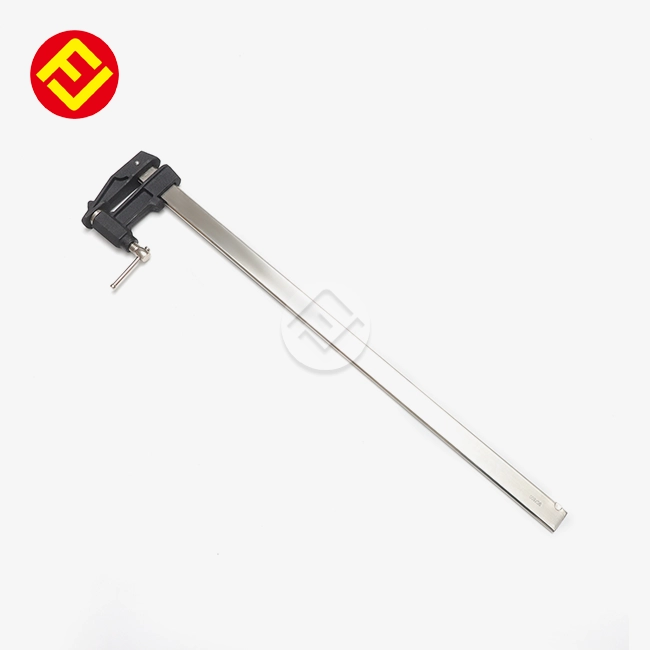
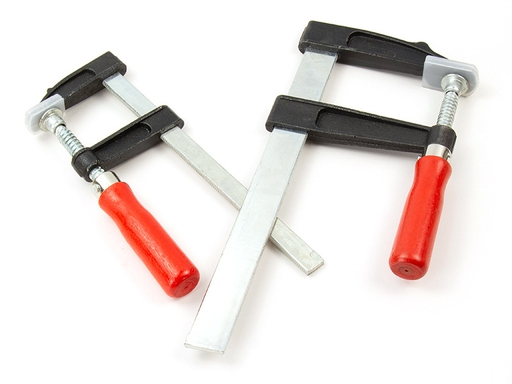
American F-Clamps' screw-and-handle system turns rotating force into strong linear clamping pressure, combining engineering precision and ergonomics. The American F-clamp has a threaded spindle and a steel or reinforced composite T-bar or cross-bar grip, unlike quick-release clamps. Operators may apply torque—up to 500 kg in professional models—while maintaining accurate pressure distribution with this setup. Woodworking, metal fabrication, and construction procurement decisions depend on the handle's length, diameter, and surface treatment, which affect mechanical advantage, operator fatigue, and safety during protracted industrial processes.
Overview of American F-Clamp Handle Design
American F-clamp handles go beyond function. The engineering behind these components affects how well the tool operates under duress and how comfortable operators can work long shifts. Purchasing managers and plant engineers may specify the proper equipment for difficult production situations by understanding these design features.
Core Components and Their Functional Roles
Multiple pieces operate together in the handle assembly. The mechanism relies on a precision-machined threaded spindle that rotates smoothly under stress. The handle—usually a T-bar or cross-handle—provides leverage for force delivery from this spindle. A swivel mechanism at the spindle-handle junction allows the handle to move freely when not under pressure and lock firmly when torque is applied. This swivel prevents handle wear and speeds alignment before tightening. Screw pad or pressure plate at spindle end distributes clamping force throughout workpiece, protecting surfaces and enhancing grip.
Material Selection and Performance Characteristics
Handle durability and user experience depend on material selection. Steel handles' strength-to-weight ratio and deformation resistance make them popular in heavy-duty industrial applications. These handles can manage metal fabrication's high torque and welding stations' heat and spatter. Steel handles with zinc-plated or painted finishes prevent corrosion and last longer in humid or outdoor settings.
Composite handles with reinforced plastic or rubber grips are used in woodworking and light industry. Vibration dampening and softer touch surfaces make these materials comfortable for long-term usage. The tradeoff is reduced torque capacity than all-steel versions. Traditional clamps used wood handles, but specialist or artisan-grade tools increasingly employ them for their aesthetics and natural grip.
Evolution from Traditional to Modern Ergonomic Designs
Simple round or square steel bars with limited user comfort were used in American F-clamp handles. Hand strain and blisters were common during clamping. Modern handle development prioritizes strength and ergonomics. Textured surfaces, curved grips, and optimized diameters transmit palm pressure more evenly in modern designs. As workplace safety and productivity become increasingly important, comfortable operators perform more effectively and suffer fewer repetitive strain injuries. As industry moves toward human-centered tool design, equipment adapts to users rather than pushing people to adapt to equipment.
Key Dimensions and Features of American F-Clamp Handles
Dimensional parameters affect performance. Clamp buyers must grasp how measurements affect shop floor performance.
Handle Length and Mechanical Advantage
Operator mechanical advantage depends on handle length. Longer handles—150mm to 250mm in industrial models—provide leverage, allowing users to grip harder with less effort. Maintaining alignment during glue curing or welding with thick hardwoods or heavy metal structures requires significant pressure.
Shorter handles are better in tight areas. Cabinet installation sometimes requires clamps that fit between parts or partially finished constructions. Compact handle designs help limit unintentional collisions that might loosen the clamp or harm work. The ideal length balances torque and workspace limits, varying by operating circumstances.
Diameter and Grip Ergonomics
Handle diameter greatly affects control accuracy and comfort. Diameters between 18mm and 25mm fit most adult hands and provide grip without finger extension. Too thin and pressure is uncomfortable on the palm; too thick and holding is difficult, especially for tiny operators.
Surface treatments improve grip in varied settings for tools such as the American F-clamp. Knurling preserves friction even when handles are coated with sawdust, metal shavings, or light oil. High-torque applications benefit from rubber or thermoplastic overmolding that cushions pressure points. Some manufacturers use finger grooves or contoured contours to help hand placement, enhancing operator consistency.
Anti-Slip Features and Fatigue Reduction
Professional handles reduce operator fatigue with many functions. Swivel mechanisms allow the handle to rotate freely when altering clamp position, minimizing wrist twisting during setup. The swivel locks automatically when torque is applied, transferring entire spindle rotation without slippage.
In busy workplaces with various instruments, color-coded handles or grip zones assist workers recognize clamp sizes. This apparently trivial element avoids selection mistakes and streamlines workflow. One-handed positioning is easier with handle designs that place weight closer to the clamp body, leaving the other hand free to grasp workpieces.
Comparing American F-Clamp Handles with Other Clamp Types
Clamping tools have handles that represent their uses. Knowing these distinctions helps choose tools for certain purposes.
Leverage and Control Characteristics
A comparable neck depth C-clamp has less leverage than an American F-clamp handle. The longer handle length lets operators clamp using mechanical advantage rather than physical power. American F-clamps are ideal for laminated panel assembly and framework gluing, which need sustained high pressure across broad surface areas.
Bar and Pipe Clamps can reach wider assemblies, but their handles provide less gripping force. Instead of screw handles, quick-grip clamps use trigger mechanisms to reduce pressure and deploy faster. The pistol-grip designs allow one-handed operation but lack the gripping force of screw-based systems.
Adjustability and Speed Considerations
Traditional screw handles need numerous revolutions to change clamp opening, which some find wasteful. However, slow adjustment allows fine pressure control impossible with quick-release devices. Tack welders use this fine-tuning skill to align metal parts before striking an arc.
Speed is somewhat addressed by American F-clamps' sliding arms. Operators may swiftly move the sliding jaw along the bar to approximate the required aperture, then tighten using the screw handle. This hybrid technique maintains threaded adjustment precision and force while speeding up most production settings.
Application-Specific Advantages
American F-clamp handles retain pressure during glue drying, which can take hours, making them popular in woodworking. Screws resist vibration and thermal expansion better than spring-loaded clamps. Heat-resistant all-steel handles allow clamps to stay in place during welding in metal manufacturing.
Some construction and plumbing applications favor pipe clamps because they may be adjusted to different lengths using conventional pipe sections. Field flexibility trumps American F-clamp handle ergonomics under these conditions. Comprehensive tooling plans include niches for each tool type.
Selecting the Right American F-Clamp Handle for Your Business Needs
Tool specifications must meet operational needs for effective procurement. Several things influence this decision.
Categorizing Usage Intensity
Composite handles with typical grip surfaces ideal for occasional furniture repair and modest carpentry jobs. These tools work well with occasional use and modest clamping strengths. Hybrid designs with steel structural parts and ergonomic grip modifications benefit medium-duty cabinet shop and light fabrication applications. Comfort and strength are important to clamp operators who use clamps all day.
Heavy-duty industrial applications require all-steel construction, sturdy swivel mechanisms, and large handle diameters. Tools undergo intense stress cycles during multishift operation. Premium handles prolong productivity and decrease replacement. FLA Industrial & Trading Co., Ltd.'s precise forging, casting, and machining ensuring our handles satisfy these tough requirements through regulated material characteristics and ISO9001-certified dimensional correctness.
Critical Performance Metrics
Handle torque capacity is the highest rotating force it can transfer without deforming or failing. This specifies clamping force but relies on thread pitch and spindle diameter. Purchasers should verify torque ratings rather than use general-duty categories.
Resistance to thread wear, handle-spindle junction integrity, and finish lifetime define durability. Quality manufacturers simulate years of field usage using cyclic loading testing to uncover failure mechanisms before Products" target="_blank" style="color:blue" >products reach customers. For smooth thread performance on an American F-clamp, steel handles may need frequent lubrication, whereas sealed swivel mechanisms require less maintenance.
Evaluating Manufacturer Support
Supplier capabilities affect long-term value beyond product quality. Manufacturers with varied SKUs improve inventory management and operator training by standardizing on interoperable systems. Custom sizes support particular fixtures or workholding needs that regular measurements cannot.
Replacement part availability and technical response time affect operational continuity. Experience supporting Fortune Global 500 partners has improved our support processes to reduce downtime. Comprehensive warranties show thorough quality control, whereas limited guarantees may suggest dependability difficulties.
Maintenance Tips and Best Practices for American F-Clamp Handles
Proactive maintenance reduces tool failures and production delays.
Cleaning and Lubrication Protocols
Adjustment smoothness depends on thread cleanliness. Normal usage of threads increases friction and wear owing to wood dust, metal filings, and adhesive residue. The weekly wire brushing eliminates impurities before they solidify or embed. Compressed air removes dirt from interior crevices after mechanical cleaning.
Light machine oil applied weekly to threads keeps them running smoothly and dust-free. Stay away from thick greases that gather particles. Remove excess lubricant from surfaces to avoid transmission to workpieces. Sealed swivel bearing handles only need annual maintenance.
Identifying Wear and Damage Indicators
Thread deterioration causes rotational resistance or looseness when tightened. Look for flattened peaks or metal scoring on threads to indicate rapid wear. Damage reduces clamping force and threatens load failure, including on an American F-clamp. Deforming the handle—bending or twisting the bar—signals torque capacity has been exceeded, permanently decreasing tool capabilities.
Swivel mechanism failure causes the handle to bind or spin when torque should lock it. Swivels that wear out impair operator efficiency and make hands tired. Rust and coating loss expose metal to corrosion, weakening structural integrity.
Replacement Part Sourcing Strategy
Establishing partnerships with replacement component suppliers improves tool lifespan cheaply. Complete clamp replacement is far more expensive than spindle or handle renewal. Before buying, check component interchangeability—manufacturer-specific designs may limit original suppliers.
Maintaining low supplies of high-wear components reduces failure downtime. Facilities with numerous identical clamps should have handles, spindle assemblies, and swivel mechanisms as spares. Purchase dates and usage intensity assist anticipate replacement time, enabling preemptive ordering before failures impair operations.
Conclusion
American F-clamp performance, operator comfort, and reliability depend on handle design. The interaction between materials, proportions, and ergonomics optimizes tools for woodworking and metal manufacturing. To determine total ownership value, procurement experts must compare these design characteristics to operational needs beyond initial cost. Service life is extended by proper maintenance, safeguarding capital investments and ensuring clamping performance. Handle engineering improves materials and ergonomics to suit production needs for accuracy and efficiency.
FAQ
1. Why does handle design matter in American F-Clamps?
Handle design affects clamping force, operator comfort, and tool longevity under recurrent stress. Weak handles distort and diminish clamping performance, while poor ergonomics weary operators and lower output. Professional handles combine mechanical advantage and comfort.
2. Can I replace a damaged handle on my F-clamp?
Though brand and model-specific, several manufacturers make handles removable. Replacement usually requires unscrewing the handle from the spindle assembly or removing a holding pin. Ask your supplier about part availability and compatibility. Maintaining partnerships with replacement part manufacturers enhances tool lifespan and lowers long-term expenditures.
3. Which handle type suits heavy-duty industrial use?
All-steel handles with large diameters and textured grips operate well in harsh industrial situations. Choose handles with heat-resistant design and sturdy swivel mechanisms for welding. Malleable cast iron components and forged steel rails can withstand numerous shifts of high-pressure clamping.
Partner with FLA Industrial & Trading Co., Ltd. for Premium American F Clamp Solutions
Our nearly four decades of specialized manufacturing knowledge and thorough quality processes will satisfy procurement managers seeking a reliable American F-clamp manufacturer. FLA Industrial & Trading Co., Ltd. manufactures over 1,000 ISO9001-certified products using malleable cast iron and precision-machined steel. For woodworking, cabinet installation, welding, and assembling, our clamps are painted or zinc-plated to suit your needs. We provide bespoke sizing for non-standard applications and react to specification requests within 24-48 hours. Talk to sales@flaindustrial.com about bulk procurement and how our engineers can optimize your tooling investments.
References
1. Smith, R. (2019). Industrial Clamping Systems: Design Principles and Material Selection. Manufacturing Technology Press.
2. Henderson, M., & Torres, J. (2021). Ergonomic Tool Design for Production Environments. Industrial Safety Institute Publications.
3. Wagner, K. (2020). "Comparative Analysis of Manual Clamp Mechanisms in Metalworking Applications." Journal of Manufacturing Equipment, 45(3), 112-128.
4. Peterson, L. (2018). Woodworking Tool Engineering: Historical Development and Modern Innovations. Craftsman Technical Books.
5. Liu, H., & Anderson, P. (2022). "Material Performance in Hand Tool Components: Stress Analysis and Failure Prediction." International Journal of Tool Engineering, 38(2), 67-84.
6. Martinez, S. (2020). Procurement Strategies for Industrial Hardware: Quality Assessment and Supplier Evaluation. B2B Manufacturing Press.
YOU MAY LIKE