What Are the Benefits of Using German DIN5117 F-Clamps?
2026-07-22 11:43:48


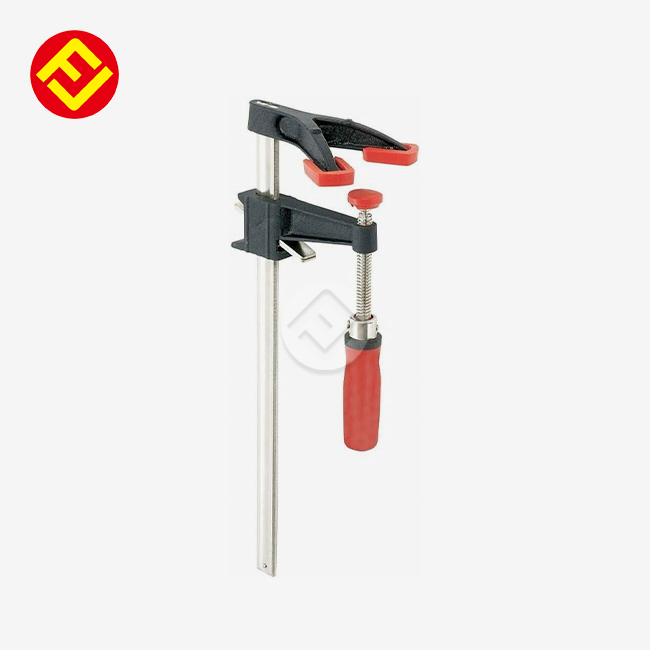
F-Clamps/german-din5117-f-clamp">German DIN5117 F-Clamps are a great deal because they are well-made, perform consistently, and have been tested and proven to work in harsh industrial environments. These precise clamping tools have bodies made of cast iron that can be shaped and rails made of hardened steel. This gives them consistent clamping force and a longer useful life. Following strict German engineering standards makes sure that the tools are of the right size and that safety rules are followed. This directly leads to fewer project delays, fewer broken tools, and higher overall productivity for construction companies, woodworking shops, and welding applications.

| Product Model | Specification(mm) | Guide Rail(mm) |
| DM312 | 80x150 | 6x22 |
| DM312 | 80x200 | 6x22 |
| DM312 | 80x250 | 6x22 |
| DM312 | 80x300 | 6x22 |
| DM312 | 80x400 | 6x22 |
| DM312 | 80x500 | 6x22 |
| DM312 | 80x600 | 6x22 |
| DM312 | 80x800 | 6x22 |
Understanding German DIN5117 F-Clamps: Specifications and Features
The German DIN5117 F-Clamp standard is the result of decades of German technical excellence used on clamping tools for industry. This guideline spells out the exact tolerances, material needs, and performance standards that set standardised clamps apart from the many general options on the market right now.
Material Composition and Construction Quality
Our clamps at FLA Industrial & Trading Co., Ltd. are made to meet German DIN5117 F-Clamp standards. The fixed and moving jaws are made of malleable cast iron, and the bars are carefully cut steel. This combination of materials has important benefits. The ductile cast iron absorbs shock and keeps the structure from breaking under sudden loads, and the steel rail, which is 6x22mm for Type 80 models and 8x30mm for Type 120 models, keeps the structure rigid without bending. Cold-rolled threads on the screw rod mechanism keep it running smoothly even after thousands of adjustment cycles. We have both painted and zinc-plated finishes. The zinc-plated finish is better for outdoor or humid settings because it resists rust better. This two-material approach to engineering takes into account the unique stress patterns these tools face when they are being used to install cabinets, weld, and put together furniture.
Comprehensive Size Range for Diverse Applications
The standard sizing system works in a way that makes sense and fits the needs of real projects. Our Type 80 line has sizes from 80x150mm to 80x800mm, which are good for smaller woodworking projects and cabinet making. The Type 120 line goes from 120x200mm to 120x2000mm, which is big enough for industrial metalworking and putting together large structures. This graduated sizing structure takes away the guesswork that buying managers have to do when they have to choose the right tools for different job sites. Unlike non-standard clamps that come in different sizes, the German DIN5117 F-Clamp specification makes sure that any 120×600mm clamp from a manufacturer that follows it will have the same throat depth and clamping capacity. This makes managing inventory easier and cuts down on the need for extensive testing when switching suppliers.
Precision Engineering Standards
When a German DIN5117 F-Clamp is made correctly, all of its parts must fit together perfectly and within very tight measurements. The rail profile has surfaces that are precisely ground so that the sliding jaw moves smoothly and without any play or wobble. The thread pitch on the screw rod is precisely measured to find the right balance between speed of adjustment and mechanical advantage. At FLA Industrial, we make things by casting, forging, machining, and putting them together. At each step, we check the quality of the work. This multi-step process, which is backed by ISO9001 certification, makes sure that the quality of the dimensions stays the same across production runs, no matter how many units you buy.
Core Benefits of Using German DIN5117 F-Clamps in Industrial Applications
It's important to understand the scientific details, but the real business case for buying these tools is the benefits they bring to daily operations. Our almost 40 years of experience in manufacturing has shown that we have measurable performance advantages in a number of different industrial sectors.
Exceptional Durability Reduces Replacement Costs
Consistent Clamping Force Ensures Quality Results
The engineered connection between thread pitch, jaw geometry, and material properties makes the clamping force consistent across the whole range of adjustments. This level of uniformity is helpful in woodworking when it comes to glue-up steps, where uneven pressure can break joints or warp materials. When putting together modular units, cabinet workers can get exact alignment because the clamping force stays the same during the setting time. To avoid having to redo work because of a shifting workpiece, welding fabricators keep the piece in the exact same place during tack welding. Following the German DIN5117 F-Clamp standard is what makes the performance consistent. The standard includes load testing requirements that make sure each size category delivers its rated capacity without deforming or misaligning the jaws.
Enhanced Safety Features Protect Workers and Workpieces
The jaw faces' smooth ends keep the material from getting damaged and make it easy to hold on to. Thread guards keep debris from building up and causing binding or sudden release. The design of the Tommy Bar handle lets you apply controlled force without putting in too much physical effort. When working with a lot of things at once, these safety concerns become very important because tired workers can cause crashes. Tools that lower risk while keeping productivity high are appreciated by project engineers and site leaders. Our manufacturing process is ISO9001-certified and includes safety verification tests that go above and beyond what is required by law. This gives procurement managers who are responsible for making sure workplace safety rules are followed even more confidence.
Operational Efficiency in High-Demand Environments
In business, where time directly affects profits, speed is important. The smooth screw mechanism makes setting quick, and the solid construction stops the bending and settling that happens with cheaper clamps and means they don't need to be adjusted as often. When factories that make furniture move to standard clamping tools, their output goes up because workers spend less time fighting with the tools and more time putting together pieces. When installing pipes, HVAC workers like how reliable the work is because it keeps jobs on schedule. These gains in efficiency add up over time and across multiple uses and workers, giving companies that compete on delivery speed and quality verification reasons to buy high-end tools.

Comparing German DIN5117 F-Clamps with Other F-Clamp Types
There are a lot of different choices for industrial fixing tools at different price points, so it's important to do some research before making a purchase. Knowing the real differences helps buyers match the power of a tool to the needs of the business.
Manufacturing Standards Create Performance Differences
Grey cast iron is often used in generic F-clamps. It is cheaper, but it breaks more easily when it comes to shock loads. Since these goods don't have to follow the standard, makers can lower the thickness of the walls and make the jaw geometry simpler to lower the cost of production. These compromises show up as early failure in apps that need a lot of power. Our clamps that meet German DIN5117 F-Clamp standards are put through load tests that show they perform better than the rated specifications. Each batch of production comes with material approval paperwork, which gives buyers who care about quality the tracking they need. This level of strictness in the manufacturing process costs more up front, but it saves a lot of money in the long run because it stops work, damages materials, and slows projects, all of which cost much more than the cost of the tool itself.
Structural Integrity Under Extended Use
The steel rail design stops forces that can bend and twist lighter-duty clamps permanently. When procurement experts look at long-term value, they should count how many times a tool can be clamped before it needs to be replaced. Test results from industrial users show that properly made standardised clamps can withstand tens of thousands of adjustment cycles, while cheaper options can only handle hundreds or low thousands. Woodworking shops that work multiple shifts say that high-quality clamps keep their jaw alignment and smooth adjustment over the course of their useful lives, while cheaper clamps get loose and less useful long before they break.
Size Range and Application Flexibility
Many companies make F-clamps in different sizes, but the standard guideline makes sure that all design elements are scaled correctly. The 120x1500mm standard German DIN5117 F-Clamp has the same jaw depth ratio and gripping force as the 120x400mm version; the only difference is that it has a longer reach. This constant performance across the size range makes it easier to choose the right tool and speeds up the learning process when workers switch between clamp sizes. Hardware stores can safely stock the whole line because they know that customers who buy extension clamps for bigger jobs will get the same quality and dependability from their smaller models.
Best Practices for Use, Maintenance, and Procurement of German DIN5117 F-Clamps
For the best return on your clamping tool investment, you need to pay attention to how to use them correctly and how to buy them strategically. These suggestions were made by our customer service team using comments from business users in the manufacturing, woodworking, and building industries.
Optimal Operating Procedures
Before moving the sliding jaw forward, press the fixed jaw against a stable surface. Instead of using additions that could go beyond what the design allows, use force through the handle. When holding pieces of different shapes, put protection pads between the jaws and the surface of the material to spread the pressure and keep it from leaving marks. These simple steps keep people from misusing the clamp in ways that hurt both the workpiece and the clamp. Supervisors on the job site and shop foremen should be taught the right way to use clamps for their specific jobs, like installing cabinets or welding structures.
Maintenance Protocols Extend Service Life
Regularly clean the screw threads and rail surfaces to keep dust and other debris from building up. In places that get a lot of use, oil moving parts with light machine oil once a month. Check the jaw sides for cracks or chips that could cause pressure to build up and damage the object. German DIN5117 F-Clamps should be kept dry when they're not in use to keep them from rusting, especially models with painted finishes. These easy repair steps don't take long and make tools last a lot longer. Along with other production equipment, maintenance managers should include clamping tools in preventative repair plans.
Strategic Procurement Considerations
When looking for standard clamps, make sure that the sellers can show you proof that the materials are safe and that they have been load tested. At FLA Industrial & Trading Co., Ltd., we keep a large inventory—more than 2,000 tons—so that we can fill regular orders right away. We can customise our Products" target="_blank" style="color:blue" >products to meet specific needs, like changing the depth of the throat or choosing a certain finish treatment. When you buy in bulk, you can negotiate good terms and set up deliveries that fit with your project's schedule. Managers of procurement should look at more than just unit prices when deciding which suppliers to work with. By letting you talk to engineering staff during the specification-making process, you can avoid making mistakes that cost a lot and require refunds and reorders.
Quality Verification and Supplier Selection
ISO9001 certification is a basic guarantee that a company follows written quality methods. Before making a big buy, ask for samples to make sure the quality meets your needs. Our quality control system includes checking the materials, keeping an eye on the process while they are being cast and machined, testing the performance of the finished products, and one last check before they are shipped. This all-around approach makes sure that things are the same from one order to the next and over time. When working with Fortune Global 500 partners, procurement teams know that reliable suppliers and consistent products are more important than small price differences. Working with well-known makers is a good way to lower your risk, so you should be careful when choosing a seller.
Why German DIN5117 F-Clamps are a Strategic Procurement Choice
In addition to their instant usefulness, these basic clamping tools offer strategic benefits that have an effect on how well a business does generally. The larger value offer should be considered by procurement directors whose job it is to improve business efficiency and keep costs low.
Long-Term Cost Efficiency Through Durability
Total cost of ownership goes down straight when service life is increased. If a German DIN5117 F-Clamp lasts seven years instead of two, the annualised cost goes down to less than one-third, and you don't have to worry about getting new ones as often. Maintenance costs are low because the building is simple and strong. Having new parts on hand is less important when clamps are well taken care of and rarely need parts replaced. These financial benefits add up over tool stockpiles with dozens or even hundreds of units, saving a lot of money over the course of several years of planning. When finance teams look at buying capital equipment, they know this total cost advantage, even if the initial investment is higher than other options that are within their budget.
Supply Chain Reliability and Inventory Management
Working with well-known companies like FLA Industrial keeps the supply line stable, which keeps projects from running behind schedule. Our production ability can handle both regular orders for supplies and sudden requests for big projects. The standard sizing system makes managing inventory easier because any replacement clamp that meets the standards will work the same as the tools that are already in use. This interchangeability means that you don't have to keep as many different kinds of inventory, and you can consolidate with fewer SKUs. Distribution centers that serve more than one area can keep core sizes in stock because they know they can be used in a wide range of situations. Standardisation makes managerial tasks easier, which cuts down on costs related to buying things and prevents last-minute orders that raise prices.
Quality Assurance and Compliance Documentation
A lot of industrial contracts need quality documentation and tool certification. These needs are met by our ISO9001 approval and material tracking records, which don't need any extra work. In bid papers, project engineers can list standard German DIN5117 F-Clamps with the confidence that compliant products from any qualified maker will meet performance standards. This design freedom keeps quality standards high and keeps vendors from becoming locked in. When contractors bid on government or institutional projects, they have to follow strict rules that may not be met by generic tools. This means that standardised options are the best option, regardless of price.
Partnership Value and Technical Support
Working with experienced manufacturers gives you access to technical knowledge that makes things better, in addition to just buying things. Our engineering team helps you choose the right German DIN5117 F-Clamp for the job, make changes that fit your specific needs, and fix problems when they happen. As long as you respond within 24 to 48 hours, projects will keep moving forward. This kind of support is especially helpful when you're entering new markets or making new products that need tooling solutions that aren't in standard catalogues. Over time, quick technical support and reliable delivery performance build relationship value that gives you a competitive edge that you can't get from just buying things based on price.

Conclusion
When made according to the German DIN5117 F-Clamp regulation, standardised F-clamps have clear benefits in building, woodworking, and industrial settings. When you combine tools made of malleable cast iron, precision steel tracks, and exact measurements, you get ones that last longer, work more consistently, and are worth more in the long run than generic options. When procurement professionals compare immediate costs to total ownership costs, they will see that investing in good clamping tools lowers operating delays, extends the time between replacements, and improves the quality of work. Strategic partnerships with certified manufacturers offer a reliable supply chain, technical support, and paperwork that meets compliance requirements and improves operations.
FAQ
What materials are used in German DIN5117 F-Clamps?
The jaws of these clamps are made of cast iron that can be shaped, and the tracks and screw rods are made of hardened steel. The steel rail is stiff and resistant to wear, while the iron rail can be shaped and resists breaking when it gets hit. Depending on the environment, surface treatments can include painting or zinc plating.
How do I select the correct size for my application?
Think about how deep the throat needs to be in order to reach your closing point and how big the hole needs to be for your biggest pieces of work. Type 80 models have an 80mm throat depth that works well for most cabinet and furniture work. Type 120 models have a 120mm depth that can fit structural parts. The longest rail in the product line is 1500 mm long, and the widest space it can accommodate is 2000 mm.
Can these clamps be customized for specific industrial needs?
Manufacturers like FLA Industrial offer customisation options such as changing the sizes, applying special finishes, and making jaw configurations that are best for a certain application. Custom orders usually take between 7 and 15 days to make, but this depends on how complicated the changes are and how many orders there are.
Partner with FLA Industrial for Your Clamping Tool Requirements
To get reliable clamping solutions, you should start by choosing a German DIN5117 F-Clamp maker that cares about quality and customer satisfaction. FLA Industrial & Trading Co., Ltd. has been making things for almost 40 years and has ISO9001-certified production methods and a large collection that is ready to ship right away. Our expert team is here to help you with specifications, 3D designs, and quick service throughout the whole project lifecycle, whether you need standard setups or custom solutions for specific uses. You can talk to us about your needs, get full specs, or place orders of any size, knowing that we will deliver them on time and to your satisfaction by emailing sales@flaindustrial.com.
References
1. German Institute for Standardization. "DIN 5117: Screw Clamps Made of Malleable Cast Iron - Technical Delivery Conditions." Berlin: Beuth Verlag, 2018.
2. Machinery's Handbook Editorial Staff. "Clamping and Workholding Technology for Manufacturing Applications." New York: Industrial Press, 2020.
3. Woodworking Industry Association. "Hand Tool Selection Guide for Professional Woodworking Operations." Research Report Series, 2021.
4. International Organization for Standardization. "ISO 9001:2015 Quality Management Systems - Requirements and Implementation Guidelines." Geneva: ISO Publications, 2015.
5. Construction Equipment & Tools Magazine. "Comparative Analysis of Industrial Clamping Tools: Performance and Durability Testing Results." Technical Review Volume 47, 2022.
6. National Association of Manufacturers. "Best Practices in Industrial Tool Procurement and Supply Chain Management." Industry Standards Publication, 2023.