What is a Wedge-Type Clamp and How Does It Work?
2026-06-12 14:58:44


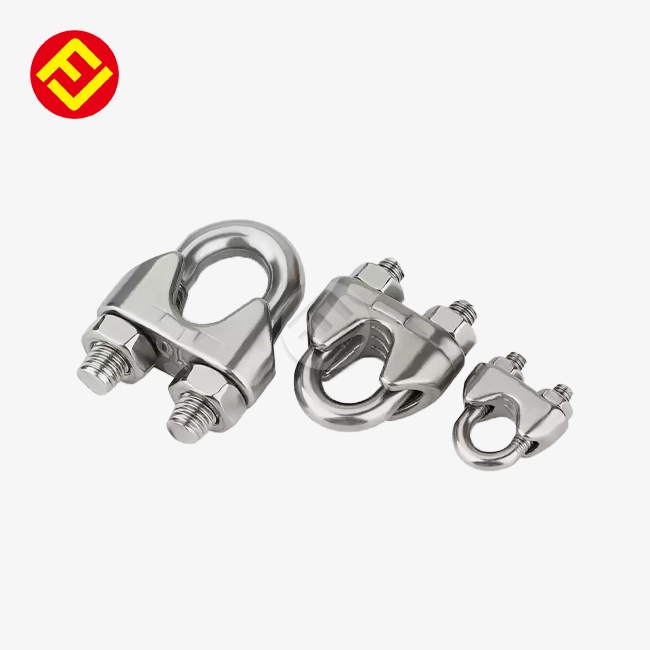
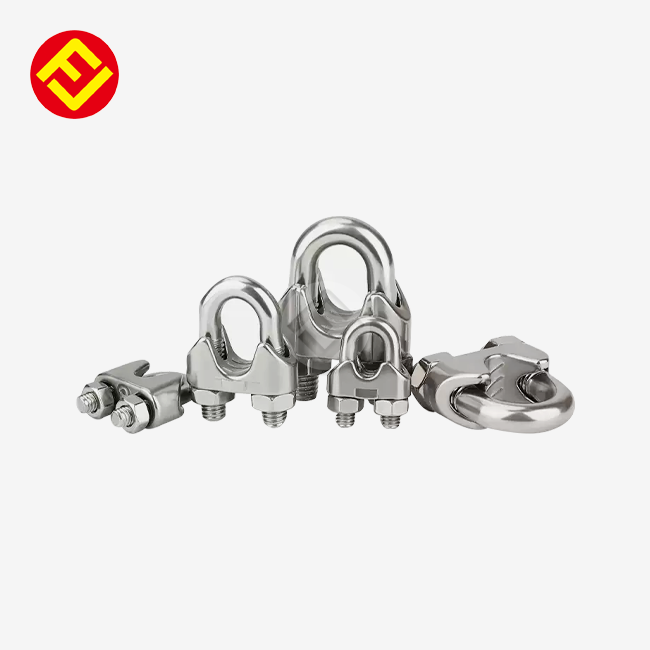
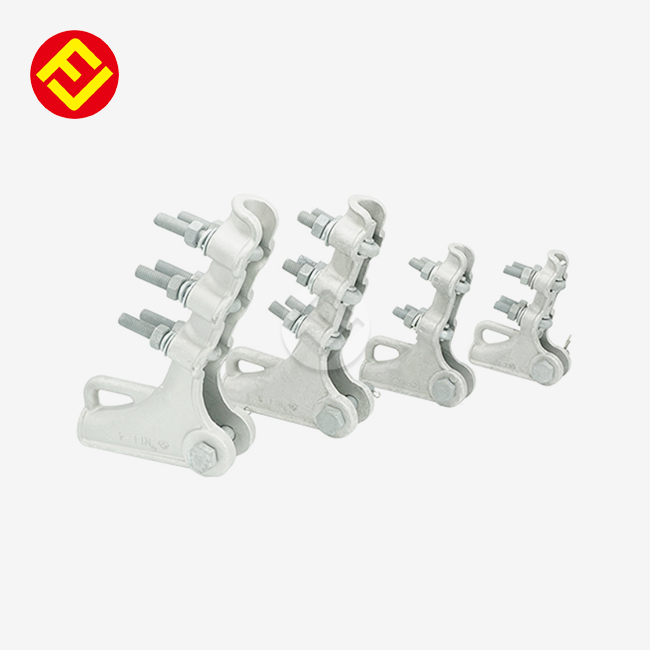
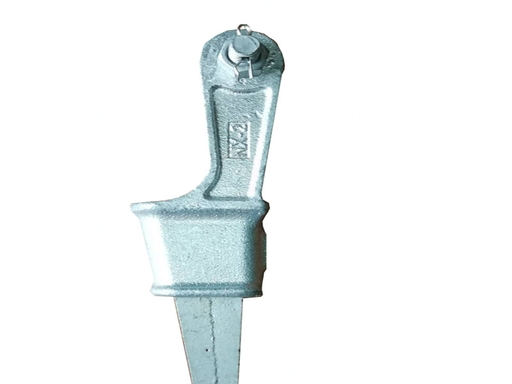
A wedge-type clamp is a well-designed mechanical tool that holds workpieces, wires, or structural parts in place using a curved wedge mechanism that locks itself in place. When strain or load is put on the clamp, the wedge parts are pushed deeper into the body of the clamp. This turns the pulling force into strong radial gripping pressure. This design makes a safe connection that doesn't need any tools and gets stronger as the load goes up. Because of this, these clamps are necessary for applications where speed and reliability are very important, such as overhead power lines, telecommunications infrastructure, and industrial assembly.
Understanding Wedge-Type Clamps: Definition and Working Principles
What Makes Wedge Clamps Different from Traditional Fastening Systems?
The main benefit of wedge gripping technology is that it works well mechanically. The wedge principle uses geometric force amplification instead of bolted clamps that need to be tightened by hand or screw-based systems that tend to come free when they are vibrated. When the wedges are connected, the tapered surfaces create friction angles that stop them from moving backward. This creates what engineers call a "self-energizing" grip. This means that the clamp holds tighter the harder you pull on the thing it's holding. This is a very important feature for high-tension situations.
Precision die-casting and forging are used in modern wedge clamps to make sure that the sizes are very close to each other. Usually, the wedge angle is set between 5 and 15 degrees to find the best mix between holding strength and release difficulty. Choosing the right materials is a key part of making sure that success lasts. Premium aluminium alloys are very resistant to corrosion and very light, which makes them perfect for projects that are above ground where weight reduction is important. Hot-dip galvanised steel models are stronger and better for heavy-duty uses that need to carry the most weight. Both choices go through strict ISO9001-certified quality controls to make sure that each production batch is the same.
The Mechanical Physics Behind Wedge Force Multiplication
When buying teams understand how force works, they can see why wedge clamps work better in some situations than other options. The pulling force pushes the wedge deeper into the clamp shell when a cable or conductor is under stress. The shape of the inclined plane changes the horizontal strain into vertical compression against the surfaces that grip. Depending on the wedge angle and surface finish, this mechanical advantage can make the force three to five times stronger.
Controlling the friction factors in surface engineering makes this effect stronger. Manufacturers give wedge touch areas certain textures or coatings that are smooth enough to let the wedge go in, but rough enough to keep it from slipping once it's loaded. To find this balance, you need to know a lot about material science. Up to the rated working load, the gripping force grows linearly with cable tension. This gives the right amount of security without crushing the insulation or putting too much stress on the cable, which could cause it to break.
Material Engineering and Corrosion Protection Standards
Materials used in industrial settings need to be able to handle big changes in temperature, UV light, chemical exposure, and rounds of mechanical stress. Aluminium alloy clamps, which are usually made from 6061 or 6063 grades, keep their shape at temperatures ranging from -40°F to 150°F and don't rust because a natural oxide layer forms on them. Their natural finish protects most installations well enough, but anodising processes can make them last longer in coastal or industrial settings.
Hot-dip galvanisation is used to coat steel wedge clamps with zinc, which keeps them from rusting. This method, which meets ASTM standards, creates a safe layer that can last for decades when left outside. The zinc covering gives up its own protection to keep the steel underneath safe, which means that even if the surface gets scratched, it will last longer. Multiple quality checks, such as salt spray testing and dimensional verification, are done at manufacturing sites to make sure that every unit meets the required standards before it is packed.
Applications and Advantages of Wedge-Type Clamps in Industry
Primary Industrial Use Cases Across Multiple Sectors
Wedge-type clamps are very important parts of power transmission structures because they hold conductors in place and connect them in overhead distribution networks. Utility companies depend on these devices to keep the electricity flowing and to make installation quick without having to strip the wire insulation, which can let water in and cause it to fail early. Linemen can make connections in minutes instead of hours thanks to the fast-release mechanism. This cuts down on labour costs for large-scale deployment projects by a big amount.
Wedge clamps are useful on construction sites because they can hold things temporarily while structures are being put together. These tools are used by contractors to set up beams, hold down formwork, and stabilise parts before they are permanently attached. Being able to quickly move and change things without tools speeds up projects while still meeting safety standards. Furniture makers use wedge clamps to hold joints together while the glue cures. They like how the uniform pressure distribution keeps the wood from warping or breaking at the joints.
When fibre optic cables are used in telecommunications networks, they face special problems. If a cable gets damaged, customers will lose their signals and cry. Wedge-shaped suspension clamps spread the clamping force over a large area of the wire, which stops the tiny bending that weakens light in glass fibres. This even pressure distribution stays the same even when wind loads, ice builds up, and temperatures rise and fall, all of which can damage aerial systems.
Operational Advantages That Impact Your Bottom Line
When it comes to business, speed means lower costs. With wedge clamps, you don't need any special tools, so field teams don't have to carry as much gear. Usually, the wedge device only needs to be engaged by hand during installation. This means that a single technician can do the work that used to require two workers and power tools. This saves time and effort, which is especially helpful in remote installations or high places of work where moving tools is hard to plan.
Being able to withstand vibrations is another competitive benefit. Traditional threaded fasteners become loose over time in places like factories and transportation systems where machines are always moving back and forth. When there is vibrational stress, the self-locking wedge geometry actually tightens instead of loosening. This means that maintenance intervals are shortened and unexpected breakdowns are avoided. Clamps are put through millions of load cycles as part of testing methods to make sure they work well in real life.
When engineers build systems with safety margins, load capacity specs are important. Good wedge clamps can usually hold at 95% of the cable's stated breaking strength, which is much higher than what bolted options can do without damaging the cable. This high holding ratio lets designers choose the best conductors without over-engineering connections. This way, they can balance the cost of materials with the performance needs.
Comparing Toggle and Screw-Wedge Clamp Variations
The toggle wedge configuration has a lever system that increases the force needed to engage it for the first time. This makes it good for uses where it needs to be attached and removed often. This design works best in workshop settings where holding workpieces temporarily helps with repeated assembly tasks. The action of the toggle gives operators positive feedback by proving safe engagement through tactile resistance.
Screw-wedge versions combine threaded adjustment with wedge locking principles, which lets you make small adjustments after the initial installation. This hybrid method works well in situations where exact positioning is needed before the final secure. The screw part keeps the wedge in the best position for contact, and the shape of the wedge gives the main holding force. The people who work in procurement should choose the right clamp style for the job. For example, toggle designs are faster and easier to use, while screw-wedge designs are more precise and can be adjusted.
Installation, Maintenance, and Safety Tips for Wedge-Type Clamps
Step-by-Step Installation Best Practices
Proper mounting begins with surface preparation. Ensure mounting brackets or anchor points are clean, aligned, and rated for expected loads. Position the clamp body perpendicular to the anticipated tension direction to maximize wedge engagement. Misalignment as little as 10 degrees can reduce holding capacity by 30% while increasing wear rates on contact surfaces.
Cable or conductor insertion requires attention to diameter compatibility. Every wedge clamp specifies an optimal gripping range—typically spanning 2-4mm in outer diameter. Attempting to secure cables outside this range compromises safety and performance. Verify cable specifications against clamp ratings before installation. Insert the cable fully into the clamp body until it contacts the back stop, ensuring maximum wedge contact area before applying tension.
Engagement of the wedge mechanism should feel smooth yet progressive. Resistance should increase steadily as the wedge seats into position. Sudden binding or excessive looseness indicates potential problems—incorrect sizing, contamination, or manufacturing defects. Once installed, perform a visual inspection confirming the wedge has engaged evenly across its width and that no gaps exist between components.
Maintenance Schedules That Extend Service Life
Routine inspection intervals depend on environmental exposure and load cycling frequency. Overhead installations in coastal regions warrant quarterly examinations due to accelerated corrosion potential, while indoor manufacturing applications may require only annual checks. Inspection protocols should document any surface corrosion, mechanical deformation, or unusual wear patterns that suggest performance degradation.
Lubrication requirements vary by material composition. Aluminum clamps typically operate dry, as lubricants can attract contaminants that accelerate wear. Steel versions benefit from periodic application of zinc-compatible anti-seize compounds on threaded components and pivot points. Avoid petroleum-based Products" target="_blank" style="color:blue" >products that degrade certain insulation materials or attract dust accumulation.
Early detection of wear prevents catastrophic failures. Look for polishing or scoring on wedge contact surfaces—these indicate movement under load that compromises holding strength. Cable inspection matters equally; check for insulation crushing, strand breakage, or deformation at clamp contact points. Replace any component showing damage immediately rather than attempting repair, as structural integrity cannot be reliably restored once compromised.
Critical Safety Considerations and Compliance Standards
Load capacity adherence represents the primary safety concern. Every wedge-type clamp carries a Maximum Working Load rating established through destructive testing and safety factor calculations. Never exceed this specification, even temporarily. Dynamic loads from wind gusts or equipment movement can multiply static tension by factors of two or more. Design systems with appropriate safety margins accounting for these transient stresses.
Operator training reduces installation errors that create hazards. Personnel should understand proper sizing selection, recognize signs of component damage, and follow manufacturer installation procedures exactly. Documentation of training completion and periodic refresher courses maintain competency levels across maintenance teams.
Compliance with industry standards protects both personnel and organizations from liability. IEC international electrical standards specify testing requirements and performance criteria for power line hardware. Procurement managers should verify that suppliers provide certification documentation confirming compliance with relevant standards—ISO9001 quality management, IEC safety specifications, and material composition certifications that prove metallurgical properties meet engineering requirements.
Purchasing Guide: Where and How to Buy Quality Wedge-Type Clamps
Evaluating Supplier Capabilities and Product Range
Established manufacturers bring decades of engineering expertise and manufacturing refinement that translates to superior product performance. Companies with extensive product catalogs spanning multiple clamp styles, size ranges, and material options provide procurement advantages through consolidated sourcing and technical consistency. Verify that potential suppliers maintain in-house engineering teams capable of application consultation and custom design support.
Certification documentation validates quality claims and ensures regulatory compliance. ISO9001 certification demonstrates systematic quality management throughout production processes, from raw material inspection through final testing. IEC standards compliance confirms that electrical hardware meets international safety requirements. Request copies of actual test reports rather than accepting generic certification statements, as documentation specifics reveal testing thoroughness and quality control rigor.
Manufacturing process sophistication affects product consistency and capability. Die-casting produces complex geometries with excellent dimensional repeatability, ideal for high-volume production of standardized components. Forging creates superior mechanical properties through grain structure alignment, enhancing strength and fatigue resistance. Machining delivers the tightest tolerances but at higher cost, suited for precision applications. Understanding these processes helps buyers match production methods to performance requirements.
Key Procurement Criteria for Industrial Buyers
Material selection directly impacts performance in specific environments. Coastal installations demand maximum corrosion resistance, making aluminum alloys or hot-dip galvanized steel mandatory despite potentially higher initial costs. Inland applications with lower corrosion exposure can optimize budgets through standard steel with powder coating. Temperature extremes require materials maintaining mechanical properties across the operating range—some plastics become brittle in extreme cold, while certain alloys lose strength at elevated temperatures.
Load capacity ratings must align with application demands plus adequate safety margins. Industry practice recommends working loads not exceeding 50% of tested failure strength, providing 2:1 safety factors against unexpected overload. Document the calculation basis for load requirements, including static loads plus dynamic factors from wind, vibration, or thermal expansion. This documentation supports liability protection and regulatory compliance during safety audits.
Customization availability provides competitive advantages when standard products don't perfectly match requirements. Suppliers offering modification services can adjust dimensions, alter material specifications, or incorporate special features without the lead times and minimum quantities that custom tooling typically demands. Engineering teams capable of translating application requirements into optimized clamp specifications add value throughout product lifecycle, from initial specification through field troubleshooting.
Bulk Ordering Strategies and Inventory Management
Volume purchasing negotiations can secure substantial savings beyond published list pricing. Buyers committing to annual volume agreements often receive tiered discounting that improves margins or allows competitive pricing pass-through. Negotiate terms including pricing stability periods, minimum order quantities, and delivery flexibility that align with your consumption patterns and storage capacity.
Inventory positioning balances carrying costs against stockout risks. Critical items supporting continuous operations warrant safety stock despite storage expenses, while less critical components can follow just-in-time replenishment. Suppliers maintaining substantial ready stock—FLA Industrial reports 2,000 tons of inventory—enable rapid response to unexpected demand spikes or project acceleration without premium expedite fees.
Lead time understanding prevents project delays and enables realistic scheduling. Standard products ship within days, while custom configurations require engineering, tooling, and production time. Establish relationships with suppliers providing realistic timelines and progress updates throughout custom order fulfillment. Emergency situations requiring immediate supply benefit from suppliers offering expedited service, though procurement managers should avoid habitual dependence on rush orders that inflate costs.
Conclusion
Wedge-type clamps represent essential components across electrical infrastructure, construction, and industrial manufacturing where secure, reliable connections matter. Their self-locking mechanical principle provides advantages in vibration resistance, installation speed, and load capacity that traditional fastening alternatives struggle to match. Understanding the force multiplication physics, material engineering considerations, and application-specific selection criteria enables procurement professionals to specify optimal solutions balancing performance requirements against budget constraints. Proper installation techniques, maintenance protocols, and safety compliance protect both personnel and operational continuity while extending component service life. As industrial operations demand increasing efficiency and reliability, wedge clamping technology continues proving its value through reduced labor costs, minimized downtime, and consistent performance across decades of service.

FAQ
How often should wedge-type clamps be inspected and maintained?
Inspection frequency depends on environmental exposure and load cycling. Overhead power line installations in corrosive environments warrant quarterly visual inspections checking for surface degradation, mechanical deformation, or unusual wear patterns. Indoor manufacturing applications with controlled conditions typically require annual examinations unless component appearance or performance suggests problems. Maintenance involves cleaning accumulated contaminants, verifying dimensional integrity, and confirming wedge surfaces retain their gripping texture without polishing that reduces friction.
Can wedge clamps be reused after removal from a cable or conductor?
Reuse depends on clamp condition after removal and manufacturer recommendations. Some designs allow multiple installation cycles if components show no damage, while others experience permanent deformation during initial use that compromises subsequent holding strength. Visual inspection should confirm wedge surfaces remain textured rather than polished smooth, and that shell components show no cracks or permanent bending. When safety and reliability are critical—as in electrical infrastructure—prudent practice favors replacement rather than reuse despite apparent good condition.
What causes cable slippage in wedge-type clamps and how can it be prevented?
Slippage typically results from incorrect size matching between clamp capacity range and cable diameter, insufficient initial tension during installation, or surface contamination preventing proper friction. Prevent these issues by carefully verifying cable specifications against clamp ratings before selection, ensuring full cable insertion to the backstop during installation, and cleaning both cable jacket and clamp interior before assembly. Load testing after installation confirms adequate grip before placing the assembly into service under full operational stress.
Partner with FLA Industrial & Trading Co., Ltd. for Reliable Wedge-Type Clamp Solutions
Procurement managers and engineering teams seeking dependable clamping hardware find comprehensive support through FLA Industrial & Trading Co., Ltd., a manufacturer with nearly 40 years of specialized experience in industrial fastening solutions. Our wedge-type clamp product line serves power transmission infrastructure, construction operations, and manufacturing facilities with aluminum alloy and hot-dip galvanized steel options manufactured through precision die-casting and forging processes. Every unit undergoes rigorous quality verification under ISO9001 protocols, ensuring dimensional accuracy and load capacity consistency that Fortune Global 500 partners depend on across demanding applications.
We understand that bulk procurement decisions require confidence in supplier capabilities beyond product specifications alone. Our engineering team provides application consultation, custom design services for non-standard requirements, and responsive technical support throughout your project lifecycle. With over 2,000 tons of inventory maintained for immediate shipment and custom fabrication capabilities delivering specialized configurations within 7-15 working days, we eliminate the supply chain uncertainties that jeopardize project schedules. Contact our team at sales@flaindustrial.com to discuss your specific requirements, request technical documentation, or explore volume pricing as your trusted wedge-type clamp manufacturer. Discover more about our comprehensive product portfolio at flaindustry.com.
References
Mechanical Engineering Handbook: Clamping Systems and Fastening Technology, 4th Edition, Industrial Press, 2021.
American Society of Mechanical Engineers, "Standards for Industrial Clamping Devices: Design, Testing, and Safety Requirements," ASME B18.24-2020.
National Electrical Safety Code, "Overhead Line Construction Standards and Hardware Specifications," IEEE C2-2023 Edition.
International Electrotechnical Commission, "Overhead Line Fittings: Performance Requirements and Testing Methods," IEC 61284:2019.
Structural Engineering Institute, "Load Distribution Analysis in Mechanical Fastening Systems," Technical Report SE-142, 2022.
Materials Science Quarterly, "Corrosion Resistance of Aluminum Alloys and Galvanized Steel in Industrial Applications," Volume 38, Issue 2, Spring 2023.
YOU MAY LIKE