32mm Pressure Reducing Valves : Everything You Need To Know
2026-06-12 14:58:51


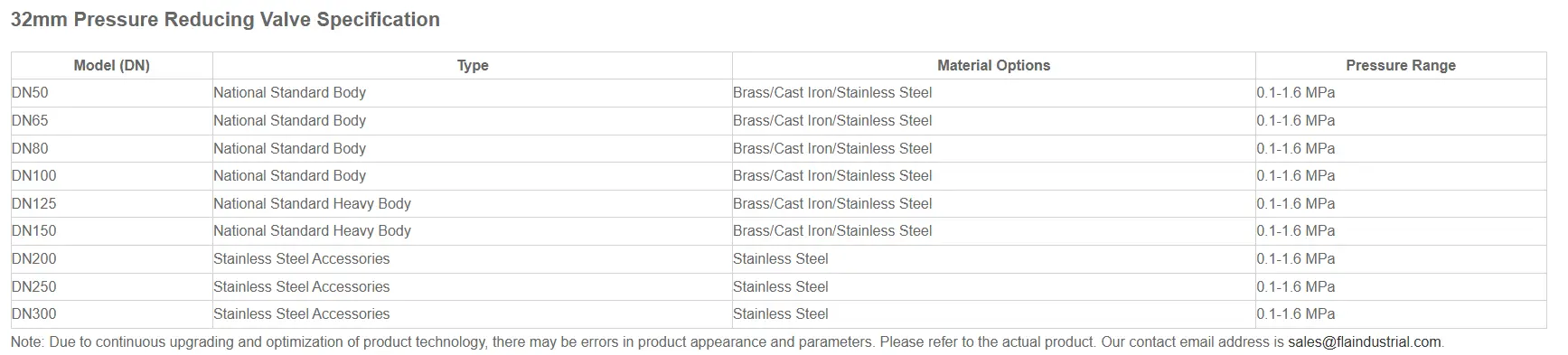
Consistent pressure must always be maintained when handling pipeline systems that run through construction sites, factories, or tall buildings. A 32mm pressure reducing valve lowers the changing inlet pressure to a steady, controlled exit pressure. This keeps downstream equipment safe, stops expensive damage, and makes sure the system works reliably. These valves, which can be made of brass, cast iron, or stainless steel, can handle pressures from 0.1 MPa to 1.6 MPa and different flow rates. If you know how these valves work, install, and perform, you can make better purchasing choices and ensure the long-term integrity of your systems, whether you're protecting fire protection systems or making water distribution networks work better.
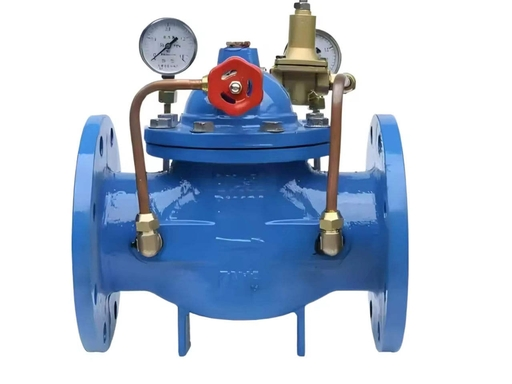
How to Understand 32mm Pressure Reducing Valves: The Basics and Advantages
How do you describe a 32mm pressure reducing valve?
A pressure reducing valve works with either pilot-controlled systems or diaphragm mechanisms that are filled with springs. When the inlet pressure goes above the set level, the diaphragm changes how the valve opens, automatically limiting flow to keep the pressure downstream stable even if the pressure upstream changes. The 32mm size, which is also written as DN32 or 1.25 inches, can be used in both home and light business settings. It can handle flow rates that are good for multi-story buildings, city branches, and industrial process lines.
The hydraulic concept behind these tools balances the force going upstream with the tension of an adjustable spring. As demand changes further downstream, the valve fixes itself without any extra power, keeping the pressure steady even during times of high demand. Because they are mechanically reliable, they can't be used in places where electrical controls would not work or would be dangerous.
Core Applications in Many Fields
These valves keep high-rise buildings' fire safety systems from overpressurizing, which could damage fire pumps or break sprinkler heads. They are put in place by municipal water networks at district metering areas to protect home pipes from too much pressure from the street main. Heating and cooling circuits use less energy when they work at optimal pressure levels instead of having to fight against system strain that isn't necessary.
They protect sensitive equipment like boilers, heat exchangers, and precision dosing systems in factories that make food. Irrigation activities keep the flow of water even at different elevations by keeping pressure stable at key points. Predictable pressure control that extends the life of machinery and improves system efficiency is needed in all of them.
Benefits that can be measured for budgets and operations
Installing pressure reducing valves has real benefits for operations that affect both daily work and long-term capital planning. Water hammer, the damaging shock wave that happens when valves close quickly, is much less of a problem when pressure stays within safe limits. Joints in pipes stay sealed for longer, which cuts down on repair calls and water loss from leaks.
When pumps and heating parts don't have to work against pressures that are too high, energy efficiency goes up. When the speed of the flow slows down, there is less friction loss in all delivery systems. Noise pollution from fast water flow through faucets goes down significantly, making homes and workplaces more comfortable. Maximum operating pressure is often written into equipment warranties. Making sure that this is followed stops early breakdowns and expensive replacements. Over the lifecycle of a building, these benefits add up to a measured return on investment (ROI) through longer asset life and fewer emergency repairs.
How to Install, Adjust, and Take Care of 32mm Pressure Reducing Valves?
Checklist for Before Installation and Setup Steps
Before you place any pressure reducing valve, make sure that the model you choose is compatible with the fluid medium and works within the pressure range you need. Brass is good for most water uses because it doesn't rust, cast iron is good for heavy-duty municipal use, and stainless steel works best in chemically aggressive environments or at the coast. To avoid errors caused by turbulence, make sure that the diameters of the pipes going uphill and downstream match the valve's connection instructions.
Place the valve so that the flow arrow on the body lines up with the direction of the pipe. If you put it backwards, the device won't work. Put in upstream and downstream separation valves so that maintenance can be done in the future without having to shut down the whole system. Put a pressure gauge right below the set point to check the accuracy of the setting while it is being set up and throughout its service life. Leave enough space above the valve body to place the gauge and get to the adjustment cap. Before joining the valve, flush the pipeline so that installation debris doesn't get on the seat and diaphragm.
The valve should be put in place horizontally, and the device for adjusting it should be reachable from above. Most spring-loaded designs can be installed vertically, but mounting them horizontally makes upkeep easier and keeps dirt from building up in the spring chamber. Don't count on the pipe flanges to hold the weight of the valve; that can put stress on the connections and make them out of alignment.
How to Set Accurate Downstream Pressure Levels
The system should be depressurised and the valve should be stopped before any adjustments can be made. Take off the adjustment cap to get to the compression screw. By squeezing the spring, turning clockwise raises the outlet pressure. Turning anticlockwise lowers it. Adjust the system slowly, usually by a quarter turn at a time, and wait for it to settle down before checking the gauge values further downstream.
Aim for the pressure you want, but keep in mind that situations can change. Pressure may drop a little when there is flow because of pressure drop across the valve. To make sure there is enough flow pressure during peak demand, set the static pressure a little higher than your minimum working requirement. Write down the end settings and mark the spot where the adjustment was made so that you can find it again when you need to.
Strategies for proactive maintenance that stop failures
At the very least, routine inspections should happen once a year. In high-cycle or polluted water settings, they should happen more often. Visual exams check for corrosion on the outside, loose fasteners, and the ability of the gauge to work. Particulate buildup is the main cause of seat damage and pressure creep problems, so check the upstream strainer or add one if it's not there.
When downstream pressure builds when there is no flow, this is called pressure creep. It means that something is stuck in the valve seat. This problem is usually fixed by taking the cartridge apart to clean it or replace the seal kits. When the diaphragm gets tired, the pressure changes randomly or stops regulating at all. Good diaphragms can handle 200,000 cycles, but harsh water chemistry or spinning at high pressure speeds up wear.
Writing down maintenance tasks makes a performance log that tells you when to replace things and finds problems that keep happening that are related to water quality or system design. It is much cheaper to replace worn parts during routine maintenance than to fix them in an emergency and fix the damage that happens when pressure spikes happen without being controlled. Often, the difference between reactive and proactive maintenance decides whether a valve lasts the 5–7 years it's supposed to or needs to be replaced before that time.
How to Choose the Best 32mm Pressure Reducing Valve: How to Compare and Make a Choice?
Achieving the Best Performance and Low Cost in Material Choice
Brass pressure reducing valves are inexpensive and don't rust, making them perfect for systems that use drinkable water. Because the alloy is easy to machine, it is possible to make it with very tight tolerances that allow tight pressure control. Cast iron is very durable and can be used in high-pressure municipal settings and underground sites that need to protect against corrosion on the outside through coatings. Stainless steel is more expensive than other metals but it is worth it because it is resistant to chemicals, doesn't contain any lead, and works better in marine or industrial settings with aggressive fluids.
The material you choose should be based on the chemistry of the fluid, the conditions of the area, and the rules that apply. NSF/ANSI 61 certification makes sure that potable water sources in North American markets are lead-free. Installations in Europe may need to be in line with EN 1567. Confirming material certification stops specification mistakes and compliance problems that cost a lot of money during project completion.
Size Comparison: When 32mm Is Right for Your System
When you look at 32mm valves next to 25mm valves, you can see that there are important trade-offs between flow volume and pressure stability. When the flow rates are the same, smaller valves have higher speeds, which raises the pressure drop and could lead to cavitation noise. Growing demand can be met by going up to 32mm without having to do any work to fix things later.
On the other hand, valves that are much bigger than they need to be don't work well at low flow rates and can sometimes cause oscillation or hunting behaviour, where the valve keeps adjusting without resting. The 32mm size works well for flow ranges that are common in small business buildings, single floors in high-rises, or branch lines that come from bigger distribution mains. By matching the valve's capacity to the designed flow, you can be sure that the regulation will stay stable across the expected working window.
Integration of gauges and monitoring tools
Valves with built-in gauge ports make installation easier and make sure that tracking is always the same. With pre-tapped ports, you don't have to drill in the field, which can contaminate the body casting or make it weaker. Real-time pressure visibility lets you find problems with control right away, as well as problems with supply upstream or leaks downstream.
Gauge-less designs are cheaper at first, but they make troubleshooting and checking efficiency harder. The small cost of adding monitoring usually pays for itself during the first repair visit, when gauge data shows whether the problem is with the valve or with other parts of the system. When used for important tasks like putting out fires or controlling processes, ongoing pressure monitoring is not just a nice-to-have, it's a safety requirement.
Procurement Insights: Where and How to Buy 32mm Pressure Reducing Valves?
Evaluating Manufacturers and Certification Requirements
Procurement professionals should prioritize manufacturers holding ISO9001 quality management certification as baseline assurance of consistent manufacturing processes. Products" target="_blank" style="color:blue" >products destined for fire protection applications require UL or FM approval to meet NFPA standards. European markets demand CE marking for pressure equipment directive compliance.
Verify that test certificates accompany shipments, documenting shell strength testing at 1.5 times rated pressure and seat tightness verification under static conditions. Reputable manufacturers provide material composition reports confirming alloy specifications and lead content analysis for potable water compliance.
Balancing International Sourcing with Supply Chain Reliability
International procurement from established manufacturing regions offers competitive advantages when you partner with suppliers maintaining substantial inventory and responsive technical support. China's hardware manufacturing sector combines decades of casting expertise with modern CNC machining capabilities, producing valves meeting international standards at efficient scale.
The key differentiator lies in the manufacturer's commitment to quality systems and customer service. Look for suppliers offering rapid quotation response within 24-48 hours, technical drawing verification, and willingness to customize specifications for non-standard requirements. Access to substantial stock inventory—measured in thousands of tons for diversified product lines—indicates production capacity and financial stability that smaller operations cannot match.
Custom Fabrication and Volume Purchase Considerations
Standard catalog products serve most applications efficiently, but specialized installations benefit from custom 32mm pressure reducing valve configurations. Manufacturers with in-house engineering and machining capabilities can modify port orientations, adjust pressure ranges, or integrate unique connection types within 7-15 day lead times.
Volume purchasing unlocks advantages beyond unit pricing. Consolidated shipments reduce freight costs and simplify receiving logistics. Established supplier relationships provide priority production scheduling during peak seasons and preferential treatment when supply chains tighten. Negotiating framework agreements with call-off provisions ensures consistent pricing and availability for ongoing project pipelines without holding excessive inventory.
Conclusion
Selecting and maintaining pressure reducing valves directly impacts system reliability, equipment longevity, and operational costs across construction, industrial, and facility management applications. The 32mm valve size occupies a critical middle ground—substantial enough for light commercial demands yet cost-effective for distributed installations throughout larger facilities. Material selection between brass, cast iron, and stainless steel should align with your specific environment and regulatory requirements. Proper installation, accurate adjustment, and proactive maintenance transform these mechanical devices into silent guardians that prevent pressure-related failures before they occur. Procurement strategies that emphasize manufacturer certification, responsive support, and customization capabilities position your projects for success while maintaining budget discipline.
FAQs
What is the expected lifespan of a 32mm pressure reducing valve?
Under normal operating conditions with proper maintenance, quality valves deliver 5-7 years of reliable service. The diaphragm typically represents the primary wear component, experiencing fatigue through continuous pressure cycling. Water quality significantly impacts longevity—sediment-laden supplies accelerate seat wear while chemically aggressive water attacks metal components. Annual inspections with seal kit replacement at 5-year intervals maximize operational life and prevent unexpected failures during critical periods.
Can these valves function in both residential and industrial environments?
The 32mm size bridges both applications effectively. Residential installations typically involve single-family homes with unusually high inlet pressure or small multi-unit buildings. Industrial applications include process lines, cooling systems, and equipment protection scenarios where flow demands match the valve's capacity. Material selection and pressure rating determine suitability—brass suffices for residential potable water while industrial steam or chemical service requires stainless steel construction and higher pressure ratings.
How often should maintenance inspections occur?
Annual inspections represent industry best practice for most installations. High-cycle applications or poor water quality conditions warrant semi-annual checks. Inspection protocols include external visual examination, downstream pressure verification against set points, upstream strainer cleaning, and testing for pressure creep during no-flow conditions. Documenting inspection findings establishes baseline performance and reveals gradual degradation before complete failure occurs.
Partner with FLA Industrial for Reliable Pressure Control Solutions
Securing dependable pressure reducing valve suppliers requires evaluating manufacturing expertise, certification credentials, and responsive customer support. FLA Industrial & Trading Co., Ltd. brings nearly 40 years of hardware manufacturing experience to every valve we produce. Our 32mm pressure reducing valve line features brass, cast iron, and stainless steel construction options, each tested to ISO9001 standards and certified for CE, UL, and FM compliance.
We maintain over 2,000 tons of standard products in inventory for immediate shipment while offering custom fabrication services with 7-15 day turnaround for specialized requirements. Whether you're sourcing components for fire protection systems, municipal infrastructure, or industrial process control, our engineering team provides technical consultation and 24-48 hour quotation response. Contact our team at sales@flaindustrial.com to discuss your specific pressure control needs and discover why Fortune Global 500 partners trust FLA Industrial as their pressure reducing valve manufacturer.
References
American Water Works Association. Manual M11: Steel Pipe—A Guide for Design and Installation, 5th Edition. AWWA, 2017.
ASSE International. ASSE 1003: Performance Requirements for Water Pressure Reducing Valves for Domestic Water Distribution Systems. ASSE, 2018.
European Committee for Standardization. EN 1567: Industrial Valves—Diaphragm Valves Made of Metallic Materials. CEN, 2015.
National Fire Protection Association. NFPA 13: Standard for the Installation of Sprinkler Systems. NFPA, 2022.
Hydraulic Institute. HI Standards for Centrifugal Pumps: Hydraulic Performance and System Pressure Management. HI, 2019.
Plumbing-Heating-Cooling Contractors Association. Advanced Plumbing Technology: Pressure Control Strategies for Multi-Story Buildings. PHCC, 2020.