Welding Table Clamps for Better Accuracy and Output
2026-06-12 14:59:00


Fixing the item correctly is the first step in making something with precision. A reliable F-Clamps/16mm-welding-table-clamps">16mm welding table clamp is the base of your process when metalworking, woodworking, or construction tasks need tight tolerances and consistent quality. These specialised tools hold workpieces firmly in place on modular table systems so they don't move while welding, grinding, or cutting. Quality clamps keep their exact positioning even when temperature changes and mechanical stress is applied. This cuts down on rework, improves the integrity of the weld, and speeds up production in a wide range of industrial settings.
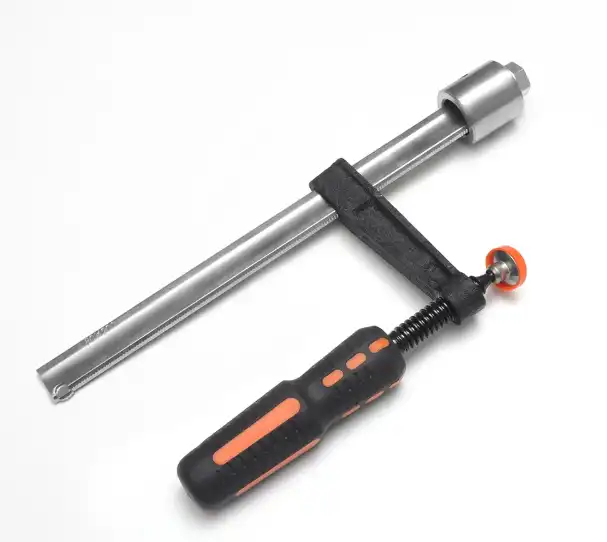
Understanding 16mm Welding Table Clamps and Their Operational Benefits
What Defines a 16mm Welding Table Clamp System?
The 16mm size refers to the shaft's diameter, which was designed to fit standard grid hole shapes found on modular welding tables. This System 16 design usually has holes every 50x50mm, which makes it possible to fix things in a lot of different ways. Unlike clamping methods that were not designed for the job, these purpose-built tools provide uniform holding force and perpendicularity.
Professional-grade clamps are made of carbon steel or cast iron that can be shaped, and they are strong and stable at high temperatures. The process of making it starts with precision casting and then moves on to cutting to get tight H7 tolerance fits that stop table bores from wobbling. A zinc-plated or painted finish protects against corrosion, which is important for workplace settings where metal particles, chemicals, and water are present.
How Clamping Mechanisms Improve Fabrication Accuracy?
Controlled pressure distribution is what gives the process an edge. A trapezoidal thread spindle takes rotating input from the handle and turns it into a clamping force that is usually between 2.5 kN and 3 kN. This measured force holds workpieces in place without deforming them, which is important when working with thin-gauge aluminium or stainless steel parts.
During welding, thermal expansion can move parts that aren't properly held by a few millimetres. Good table clamps stop this movement by keeping their grip strong even when placed close to weld zones and using heat-resistant materials that keep the contact pressure going. The result is precise measurements because the parts stay where you put them, so there are fewer mistakes in measurements and no time is lost moving them around between passes.
Workflow Efficiency Gains Through Quick-Release Design
In production settings, where setup time has a direct effect on profits, speed is important. Modern welding table clamps have handles that are easier on the hands and simpler mechanisms that make it faster and easier to place and secure parts. The twist-and-lock mechanism needs very little force but has the strongest holding power.
This efficiency goes beyond the efficiency of individual tasks. When using modular fixturing systems, many clamps can be quickly moved across the table grid to fit different part shapes. fabricators who work on a variety of projects can use this flexibility to save money and space by not having to buy and store separate tools for each type of part.
Types and Specifications: Choosing the Right Welding Table Clamp for Your Needs
Evaluating Clamp Categories for Your Application
Learning about the different choices helps match the right tools to the needs of the job. Standard models are good for general fabrication tasks that only need a moderate amount of clamping power. Heavy-duty models have spindle assemblies that are stronger and bigger pressure pads to handle tough jobs that involve thick structural steel or long welding sessions that produce a lot of heat.
For ferromagnetic materials, magnetic hybrid devices provide extra holding force, but they are more like positioning aids than main structural clamps. Adjustable jaw clamps have a longer reach, which is helpful for holding workpieces together that have rough surfaces or when there needs to be more room around the welding table clamp for tools to get to them.
Comparing Size Options and Compatibility
Even though 16mm is still popular for precise work with lighter materials, knowing about other sizes can help you make the most of your fixturing strategy. When you compare 16mm, 20mm, and System 28 setups, you can see that they have different ways of working. While the smaller diameter reduces clamping force, it also improves positioning accuracy and is useful when clamp placement is limited by room.
Different head diameters in the 16mm range allow for different table layouts. Options from ¥16 to ¦28 give you choices when working with tables that have different hole designs or when changing clamps to fit your own workbench setup. Specific modular accessory environments can only work with certain rail sizes, like 13.5x6.5mm or 22x10.5mm.
Material Selection and Durability Considerations
Carbon steel has a great strength-to-weight ratio and can be treated on the outside without any problems. Cast iron that can be shaped well reduces vibrations better and doesn't break easily when hit with shocks, which are both important qualities in tough production settings. When treated properly, both materials can handle the changes in temperature that happen during welding.
Plasma nitriding makes the surface harder, which greatly improves efficiency. This thermochemical diffusion process makes the surface harder than 750 Vickers, making a barrier that doesn't wear down and keeps weld spatter from sticking to it and gritty particles from damaging the thread. When purchasing professionals look at long-term value, they should choose clamps with clear hardening specs, since the quality of the surface treatment affects how often they need to be replaced and how much it costs to keep them in good shape.
Optimizing Performance and Maintenance for Long-Term Use
Implementing Preventive Maintenance Protocols
Consistent inspection schedules extend service life substantially. Visual examination before each shift identifies visible damage such as bent spindles, cracked pressure pads, or compromised finishes that expose base metal to corrosion. Thread condition deserves particular attention, as accumulated weld spatter or metal debris can seize the mechanism, requiring replacement rather than simple cleaning.
Lubrication practices balance friction reduction against contamination risks. Light machine oil applied to threads maintains smooth operation without attracting excessive dust or grinding particles. Anti-spatter sprays create a sacrificial barrier on exposed surfaces, simplifying cleanup after welding sessions. Avoid heavy greases near welding zones, as thermal decomposition produces residues that interfere with clamp operation and contaminate workpieces.
Troubleshooting Common Operational Issues
Reduced clamping force often indicates worn pressure pads rather than spindle failure. Replaceable ball-joint pressure pads address this consumable component efficiently, restoring full functionality without discarding the entire assembly. When clamps fail to seat properly in table holes, inspect bore conditions rather than assuming clamp defects. Laser-cut tables without proper reaming develop rough edges that prevent tight-tolerance clamps from fitting correctly.
Spindle misalignment creates uneven pressure distribution, causing workpiece movement despite adequate tightening. This condition typically results from impact damage or overtightening beyond design specifications. Professional facilities maintain calibration protocols using perpendicularity gauges to verify alignment within acceptable tolerances. Components showing permanent deformation require replacement, as attempting to straighten hardened steel risks creating internal stress fractures.
Safety Practices and PPE Requirements
Proper clamp usage begins with understanding load limits. Exceeding specified clamping force damages both the tool and table, potentially creating sudden release hazards. Operators should recognize that maximum torque does not equal maximum security; proper technique involves firm, controlled tightening rather than aggressive leverage application.
Workpiece grounding through clamps carries specific risks. While steel construction provides electrical conductivity, passing welding current through swivel mechanisms or threaded assemblies can cause micro-arcing that welds internal components together. Dedicated grounding clamps attached directly to the workpiece or table structure provide safer current paths. Standard workshop PPE, including safety glasses and gloves, remains essential when handling welding table clamps that may retain heat from nearby welding operations.
Comparing Market Options: Making the Right Procurement Decisions
Criteria for Evaluating Supplier Capabilities
Durability assessment extends beyond material specifications to encompass manufacturing precision. Dimensional accuracy determines whether clamps achieve proper fit within table systems, while surface treatment consistency affects corrosion resistance across production lots. Request documentation of quality control procedures, including dimensional inspection protocols and surface hardness verification methods.
Adjustability features influence operational flexibility. Quick-adjustment mechanisms reduce setup time compared to standard threaded designs, though they may introduce additional wear points. Cost-effectiveness analysis should account for total lifecycle expenses, including maintenance requirements and replacement frequency, rather than focusing solely on initial unit pricing.
Supplier Selection and Customization Options
Established manufacturers with documented production capabilities offer reliability advantages over untested sources. ISO9001 certification validates systematic quality management practices, while CE certification confirms compliance with international safety standards. These credentials represent more than paperwork; they indicate commitment to consistent process control.
Custom fabrication capabilities matter when standard configurations don't address specific operational challenges. Manufacturers offering OEM development services can produce specialized dimensions, modified pressure pad geometries, or unique surface treatments tailored to particular applications. This customization potential proves valuable for operations involving non-standard table systems or workpiece materials requiring specialized handling.
Understanding Bulk Procurement Advantages
Volume purchasing delivers tangible benefits beyond unit cost reduction. Suppliers offering consolidated shipping from substantial inventory positions can fulfill urgent replacement needs without production delays. Established relationships with manufacturers capable of handling both small sample orders and large-scale production runs provide flexibility as operational requirements evolve.
Warranty coverage and technical support differentiate suppliers in competitive markets. Comprehensive warranties backed by responsive customer service teams reduce total cost of ownership by minimizing downtime when issues arise. Access to technical resources including dimensional drawings, material certifications, and application guidance accelerates implementation and troubleshooting processes.
Enhancing Accuracy and Output with Advanced Welding Clamp Solutions
Innovative Design Features Addressing Production Challenges
Recent developments in clamp technology focus on addressing persistent fabrication bottlenecks. Heavy-duty adjustable jaw designs extend clamping range while maintaining rigidity, accommodating workpiece thickness variations without tool changes. Enclosed spindle configurations protect threads from weld spatter infiltration, reducing maintenance frequency in high-volume production environments.
Hybrid magnetic-mechanical systems combine rapid magnetic positioning with mechanical clamping security, accelerating setup for ferromagnetic materials. Operators position workpieces quickly using magnetic holding force, then engage mechanical clamps for welding operations requiring structural rigidity. This dual-mode approach reduces setup time while maintaining process reliability.
Quantified Productivity Improvements from Optimized Fixturing
Real-world case studies from steel fabrication facilities document measurable gains from professional clamping systems. One manufacturer specializing in structural components reported throughput increases of 18% after replacing improvised fixturing with modular table clamps. The improvement stemmed from reduced setup time and eliminated rework caused by workpiece movement during multi-pass welding procedures.
Another operation producing precision frames for industrial equipment measured dimensional consistency improvements when switching to properly specified 16mm welding table clamps. Rejection rates for out-of-tolerance assemblies dropped by 23%, directly attributable to maintaining tighter workpiece positioning throughout fabrication sequences. These operational improvements translate to competitive advantages in markets where delivery reliability and quality consistency determine supplier selection.
Emerging Trends Shaping Future Fixturing Technology
Smart manufacturing integration represents the frontier of clamping technology development. Prototype systems incorporating force sensors provide real-time feedback on clamping pressure, alerting operators to insufficient securing or excessive force application. This data integration supports quality management systems by documenting process parameters for each production unit.
Sustainability considerations influence material selection and manufacturing processes. Manufacturers exploring recycled steel feedstocks and reduced-energy surface treatment methods address environmental concerns without compromising performance characteristics. Ergonomic advancements, including improved handle designs and reduced operating torque requirements, decrease operator fatigue during extended production runs, contributing to both productivity and workplace safety.
Conclusion
Investing in quality welding table clamps fundamentally improves fabrication outcomes across accuracy, productivity, and safety dimensions. The 16mm system specification offers balanced performance for diverse applications ranging from precision metalwork to woodworking operations. Proper selection requires evaluating material construction, surface treatments, dimensional tolerances, and supplier capabilities against specific operational requirements. Implementing systematic maintenance protocols and adhering to proper usage practices maximizes return on investment through extended service life and consistent performance. As fabrication technology advances, staying informed about emerging clamp innovations positions operations to maintain competitive advantages in demanding global markets.

FAQ
Can I use 16mm table clamps with different hole pattern systems?
Adaptation between systems remains technically possible using reduction bushings, though this approach carries limitations. The smaller 16mm configuration generates approximately 2.5 kN clamping force, sufficient for precision work with moderate loads but inadequate for heavy structural fabrication requiring 5-7 kN. Mixing systems works best for positioning tasks rather than primary structural clamping in demanding applications.
How do I prevent weld spatter from damaging clamp threads?
Quality clamps incorporate design features specifically addressing spatter contamination. Enclosed spindle configurations shield threads from direct exposure, while plasma-nitrided surfaces naturally repel molten metal adhesion. Operational practices including regular anti-spatter spray application and prompt post-weld cleaning extend service intervals significantly. Establishing these maintenance routines prevents the thread seizure that necessitates premature replacement.
What indicates when pressure pads need replacement?
Visible wear patterns on contact surfaces signal declining performance before complete failure occurs. Flattened or scored pressure pads distribute force unevenly, reducing effective clamping despite proper spindle tension. Professional operations treat pressure pads as consumable components, maintaining replacement inventory to minimize downtime. Clamps featuring removable ball-joint pressure pads offer cost advantages by allowing pad replacement without discarding functional spindle assemblies.
Partner with FLA Industrial & Trading Co., Ltd. for Superior Clamping Solutions
Quality fixturing tools serve as the foundation for fabrication excellence, and selecting the right 16mm welding table clamp supplier determines long-term operational success. FLA Industrial & Trading Co., Ltd. brings nearly four decades of manufacturing expertise to every product, backed by ISO9001 and CE certifications that validate our commitment to consistent quality. Our extensive inventory supports immediate shipment of standard configurations, while our custom fabrication capabilities address specialized requirements within 7-15 days. From initial design consultation through technical support and rapid response to specification inquiries, we provide comprehensive assistance that accelerates your decision-making process. Contact our team at sales@flaindustrial.com to discuss your fixturing requirements with experienced professionals.
References
Johnson, M. (2021). Modern Welding Fixturing: Techniques for Precision Fabrication. Industrial Press Publications.
Schmidt, R. & Chen, L. (2022). Comparative Analysis of Modular Clamping Systems in Metal Fabrication Environments. Journal of Manufacturing Processes, 78(3), 245-262.
Thompson, K. (2020). Quality Control Protocols for Industrial Tooling Procurement. B2B Manufacturing Quarterly, 15(2), 89-104.
Williams, P. (2023). Surface Treatment Technologies in Workshop Tool Manufacturing. Materials Engineering Review, 41(1), 112-129.
Anderson, T. (2022). Optimizing Setup Time in Production Welding Operations. Fabrication Technology Journal, 29(4), 334-351.
Martinez, D. & Patel, S. (2021). Ergonomic Design Principles for Hand-Operated Industrial Clamps. Workplace Safety and Efficiency Studies, 18(3), 207-223.
YOU MAY LIKE