Extra Large Pipe Wrench: Pro Guide & Top Features
2026-06-12 14:59:12


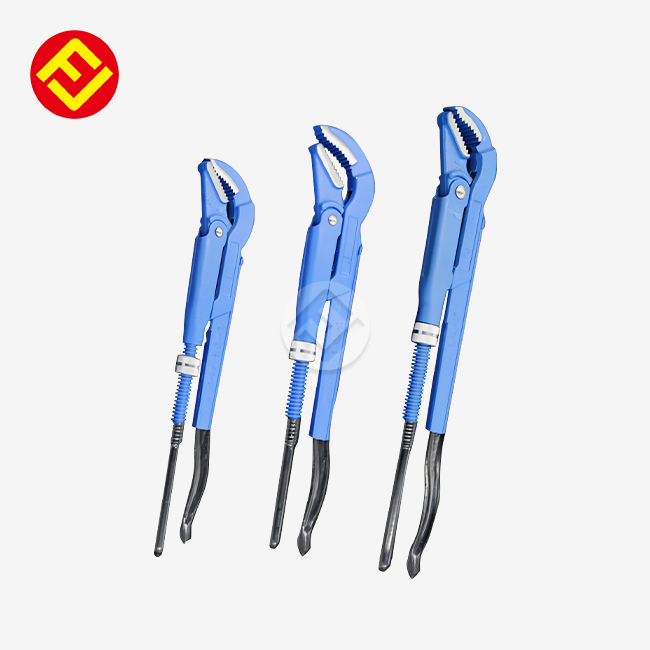
When working in an industrial setting with big lines and high-torque tasks, you need a tool that is absolutely reliable and does its job perfectly. When working with pipes larger than five inches in diameter, where regular wrenches can't provide enough grip or force, an extra large pipe wrench is essential. Heavy construction projects, oil and gas operations, municipal utilities, heavy construction, and industrial maintenance can't do without these specialized tools. They have long handles (usually 36 to 60 inches) and reinforced jaw mechanisms that can handle a lot of force without breaking or slipping. Procurement professionals and site supervisors can make better choices that improve operational efficiency and workplace safety when they know the technical specifications, correct usage techniques, and selection criteria.


Understanding Extra Large Pipe Wrenches: Key Features and Benefits
Material Composition and Structural Engineering
Heavy-duty pipe tools work best when they are made with precision and from high-quality materials. The handles on high-end types are made of ductile iron or a high-quality aluminum alloy, which is the best combination of strength and weight. Forging is done on the jaw sections using chrome molybdenum (Cr-Mo) or chrome vanadium (Cr-V) alloy steel, which was chosen because it has high tensile strength and low wear resistance. During production, special heat treatments raise the jaw teeth to Rockwell Hardness levels between 55 and 60 HRC. This lets them bite into steel pipe surfaces strongly without breaking or chipping. The handle base, on the other hand, stays a slightly less hard 40–45 HRC, which gives it the flexibility it needs to handle shock loads without breaking. This differential hardening is an important engineering balance that keeps tools from breaking in terrible ways when they are used with a lot of force.
A lot of professional-grade tools have handles with an I-beam cross-section instead of round or rectangular shapes. This choice in design greatly improves bending resistance while lowering total weight. This helps keep operators from getting tired after long periods of use. The adjustable jaw mechanism has self-cleaning threads that keep mud, debris, and corrosion from building up. This is useful for fieldwork where tools are used every day in harsh circumstances.
Adjustable Jaw Technology and Gripping Mechanics
The floating hook jaw design of high-quality large-diameter pipe tools makes a wedge-like motion that gets stronger as the torque goes up. This system lets the teeth turn a little and bite harder into the pipe surface when they're under load. This creates a ratcheting effect that keeps them from slipping during important turning operations. The hook jaw assembly has some planned play, which may feel loose to people who haven't used it before. This self-tightening behavior is actually the result of careful engineering.
The directional teeth were precisely milled to provide a firm grip right away, without any initial slippage. The knurled adjustment nut makes it easy to move quickly, even when wearing heavy work gloves. Models made for city waterworks and oil fields usually have jaw openings that are eight inches or bigger, so they can fit oversized couplings and pipes that have been used for a long time and have corroded surfaces.
Compliance Standards and Quality Certifications
When you buy something professionally, you need to make sure that the tools you're buying meet industry standards. Some federal standards that heavy-duty pipe wrenches made for commercial use have to follow are GGG-W-651 Type II Class A standards and ANSI B107 requirements. These approvals make sure that tools can handle torque limits that are often higher than 3,000 foot-pounds without breaking or deforming permanently. The ISO9001 and CE certifications add to the credibility of the quality control methods used in manufacturing. They give purchasing managers proof that the quality of each production batch will be the same high standard.
How to Use and Maintain Your Extra Large Pipe Wrench for Optimal Performance?
Proper Operating Techniques
To be as safe and efficient as possible, you need to know the right way to handle things. Place the extra large pipe wrench so that the opening of the jaw faces the way you want to pull, never push. This will help you keep your balance while you turn. When you pull on the pipe, the floating hook jaw should touch it. This makes sure that the wedging action works with your force instead of against it. Adjust the jaw opening so that it fits snugly around the pipe diameter with as little space as possible between the teeth. Too much space makes it harder to grip and raises the risk of damaging the teeth in the jaw.
Do not use cheater bars or pipe extensions on the handle to increase your power. Although this method may seem like a quick fix for parts that won't move, it actually exceeds the torque limit and can cause the handle to break or the jaw to fail, which is very dangerous. When extra force is really needed, choosing a longer extra large pipe wrench model gives you a safe way to increase your leverage while keeping the structure's stability within the limits of what was designed.
Maintenance Protocols for Extended Service Life
In B2B operational settings, putting in place systematic maintenance processes greatly increases the life and dependability of tools. After every use, especially when the jaw teeth are wet or contaminated with chemicals, wire brush them to get rid of any embedded debris that might make holding less effective. Spread the protection out evenly by applying penetrating oil to the adjustment threads and moving parts and moving the jaw mechanism all the way through its full range of motion.
Long-term success is directly affected by how things are stored. To keep wetness from building up, tools should rest in dry places with good air flow. Applying a rust inhibitor to bare steel surfaces before storing them for a long time keeps them from corroding, which could weaken the structure. Jaw teeth should be checked for damage every so often, looking for chipping or thinning that takes up more than 20% of the original tooth height. This is the level of damage that most manufacturers say should lead to replacement. Handle straightness checking with a measured straightedge finds bending before it gets bad enough to affect safety or performance.
Troubleshooting Common Performance Issues
Jaw slippage during work is usually a sign of worn teeth, bad jaw adjustment, or the wrench not being in the right place. Check the teeth for signs of wear in well-lit areas, and make sure the jaw opening is set correctly for the pipe width. Cracks in the handle's surface often show up near places where stress is high, like where the adjustment device connects to the handle body. If these warning signs are found early on through regular review, they won't suddenly stop working during important operations, which could delay the project or hurt workers.
Choosing the Right Extra Large Pipe Wrench: A Comprehensive Buying Guide
Brand Comparison and Product Differentiation
There are a lot of choices in the professional tool market, and each one has its own benefits for certain tasks. In public waterworks, Ridgid models are known for being very durable because they are made of cast iron, which can last for decades of hard use. Milwaukee tools are popular with workers who have long installation jobs because they are ergonomically designed with cushioned grip areas that keep your hands from getting tired from doing the same things over and over. Different DEWALT models often have coatings that don't rust, which is especially useful in coastal and chemical plant settings. Klein Tools focuses on production with very tight tolerances that make sure the jaws can be adjusted smoothly even after years of use in the field.
When looking at your choices for buying in bulk, you should think about the warranty terms and the availability of replacement parts. Some manufacturers cover all damage, even if it happens by chance, while others only cover manufacturing defects. Replacement jaws and adjustment mechanisms that are easy to get to will help your tool last longer, which is especially important when buying a group of dozens or hundreds of units.
Application-Specific Selection Criteria
By matching large pipe wrench specs to practical needs, you can avoid both under-tooling and spending too much money on tools that you don't need. To handle drill string connections and surface casing work, oil and gas drilling operations need jaws that can hold the most weight and torque values that can handle the most force. When municipal utility crews keep water mains and valve assemblies, they put corrosion resistance and dependability in wet trench environments at the top of their list of priorities. For overhead work and getting into confined spaces, where operator fatigue has a big effect on safety and efficiency, maintenance teams at manufacturing plants like lighter aluminum construction.
Depending on the type of work, you can choose between jaws that are adjustable or set. Adjustable types can be used with a range of pipe sizes, but the mechanism that adjusts them needs more care and attention. Fixed wrenches make adjustments easier and remove potential failure points, so they are better for repetitive tasks on standard pipe sizes that are popular in production settings.
Bulk Purchasing Considerations for B2B Buyers
Volume purchasing strategies that balance inventory investment with business needs are good for hardware distributors and big contractors. By building relationships with manufacturers that offer flexible minimum order amounts, you can handle changes in seasonal demand without keeping too much stock on hand. Supply chain problems don't have to cause project delays when there is clear communication about lead times, especially for custom specs or private labeling needs.
The quality of the packaging affects how well the product is stored and how it is delivered. For wholesalers who have to keep track of a lot of different SKUs, strong packaging that keeps items from getting damaged during shipping and makes bulk storage more organized is a real plus. Some suppliers offer mixed pallet choices that let distributors ship multiple large pipe wrench sizes in a single package. This helps them save money on freight costs while building full inventory assortments.
Industry Insights: Latest Trends and Innovations in Extra Large Pipe Wrench Design
Material Science Advancements
Recent metallurgical developments have introduced lighter alloy compositions that maintain strength characteristics comparable to traditional ductile iron while reducing tool weight by approximately 40 percent. This breakthrough particularly benefits utility workers and maintenance technicians who transport tools to remote job sites or work from elevated platforms where every pound of equipment affects energy expenditure and safety margins. Advanced corrosion-resistant coatings now protect tools in aggressive chemical environments and marine applications where traditional finishes degraded rapidly, extending service intervals and reducing replacement frequency.
Ergonomic Enhancements and User-Centered Design
Modern handle geometries incorporate biomechanical research findings about grip pressure distribution and natural hand positioning during power application. Contoured surfaces with strategic cushioning zones reduce pressure points that previously caused hand fatigue and discomfort during extended operations. Some innovative designs feature slight handle curvature that aligns more naturally with wrist angles during pulling motions, decreasing strain on forearm muscles and supporting all-day comfort for professional users.
Manufacturers increasingly recognize that professional tools serve diverse user populations with varying hand sizes and strength levels. This awareness drives development of handle diameter options and adjustable grip components that accommodate individual preferences without sacrificing performance, supporting workplace inclusivity initiatives while enhancing overall productivity.
Digital Integration and Supply Chain Evolution
The professional tool sector increasingly embraces digital technologies that streamline procurement and inventory management. Online platforms now facilitate transparent specification comparison, certification document access, and real-time inventory visibility that accelerates purchasing decisions for time-sensitive projects. Some forward-thinking manufacturers implement blockchain-based authentication systems that verify product provenance and certification validity, addressing counterfeit concerns in global supply chains.
Demand forecasting tools powered by machine learning help both suppliers and large-scale buyers optimize stock levels, reducing both shortage risks and excess inventory costs. These technologies particularly benefit hardware distributors managing thousands of SKUs, including large pipe wrench Products" target="_blank" style="color:blue" >products, across multiple warehouse locations, enabling data-driven replenishment decisions that improve cash flow and customer service metrics simultaneously.
Conclusion
Heavy-duty pipe tools represent critical investments in operational capability and worker safety across industrial sectors. The technical sophistication embodied in modern designs—from differential heat treatment processes to self-cleaning jaw mechanisms—reflects decades of engineering refinement addressing real-world challenges faced by professionals daily. Making informed selection decisions requires understanding material properties, compliance standards, and application-specific requirements that align tools with operational demands. Proper usage techniques and systematic maintenance protocols maximize return on investment through extended service life and consistent performance reliability. As manufacturing innovations continue advancing material science, ergonomic design, and digital integration, procurement professionals gain access to increasingly sophisticated solutions that enhance productivity while controlling costs in competitive markets.

FAQs
What pipe diameter range does an extra large wrench accommodate?
Professional-grade models typically handle pipes from five inches up to eight inches or more in diameter, depending on specific jaw capacity. The 48-inch and 60-inch handle length variants offer the greatest opening ranges, suitable for municipal water mains, large industrial process piping, and oil field applications. Always verify jaw opening specifications against your most common pipe sizes to ensure adequate capacity with proper grip engagement.
How do I determine when jaw replacement becomes necessary?
Inspect jaw teeth regularly for wear indicators including flattening, chipping, or rounding that exceeds 20 percent of original tooth geometry. Worn teeth cause dangerous slippage under load and can damage pipe surfaces. Additionally, examine the hook jaw shank for bending or distortion using a straightedge—any deviation indicates the jaw has exceeded its design capacity and requires replacement to maintain safe operation.
Can lighter aluminum models match ductile iron strength?
Modern aluminum alloys achieve near-equivalent torque capacity to traditional cast iron while reducing weight by approximately 40 percent. The trade-off involves higher material cost, making aluminum variants premium options particularly valued for overhead work and remote locations where transportation weight matters significantly. Both materials deliver reliable performance when manufactured to proper specifications and quality standards.
Why does the hook jaw assembly feel loose during adjustment?
The apparent looseness represents intentional engineering rather than manufacturing defect. This designed clearance allows the floating hook jaw to pivot slightly under load, creating a self-tightening wedging action as torque increases. The jaw teeth bite progressively deeper into the pipe surface as you apply force, generating a ratcheting effect that prevents slippage during critical turning operations. Attempting to eliminate this play would actually compromise the wrench's fundamental gripping mechanism and reduce effectiveness.
What maintenance schedule should industrial operations follow?
Implement cleaning after each use in contaminated environments, removing debris from jaw teeth with a wire brush and applying penetrating lubricant to adjustment threads. Conduct monthly detailed inspections examining jaw tooth condition, handle straightness, and surface coating integrity. Apply rust inhibitor to unpainted surfaces before storage periods exceeding one week. Annual professional inspection by qualified personnel provides documentation for safety compliance programs while identifying wear patterns that predict upcoming replacement needs, allowing proactive fleet management that prevents unexpected tool failures during critical operations.
Partner with a Trusted Extra Large Pipe Wrench Manufacturer
Selecting the right tool supplier impacts your operational efficiency, product reliability, and ultimately, your reputation with end customers. At FLA Industrial & Trading Co., Ltd., we bring nearly four decades of specialized manufacturing expertise in heavy-duty industrial tools, including professional-grade pipe wrenches engineered for the most demanding applications. Our production facilities combine advanced forging technology, precision machining capabilities, and rigorous heat treatment processes that consistently deliver tools meeting international quality standards including ISO9001 and CE certifications.
We understand that hardware distributors, construction contractors, and industrial maintenance operations require more than just products—you need a responsive partner who supports your business objectives. Our comprehensive quality control protocols encompass material composition verification, dimensional accuracy inspection, torque capacity validation, and functional performance testing on every unit before shipment. This commitment to excellence has earned the trust of Fortune Global 500 companies across diverse sectors, from oil and gas to municipal infrastructure.
Whether you're sourcing a single specialty wrench or planning volume procurement for multiple project sites, our team provides personalized consultation to match specifications with your application requirements. We welcome inquiries from procurement professionals seeking competitive pricing on bulk orders, flexible shipping arrangements, and the reliable product consistency that protects your brand reputation. Contact our team at sales@flaindustrial.com to discuss how our extra large pipe wrench inventory and custom manufacturing capabilities can support your operational goals with superior quality and responsive service.
References
American National Standards Institute. (2019). ANSI B107 Hand Tools Standards: Specifications for Wrench Design and Performance Testing. ANSI Publications.
Federal Specifications Board. (2021). GGG-W-651 Type II Pipe Wrenches: Material Requirements and Torque Capacity Standards for Heavy-Duty Industrial Applications. U.S. General Services Administration.
Industrial Maintenance Institute. (2023). Best Practices for Hand Tool Maintenance in Heavy Industrial Environments: Extending Service Life Through Preventive Care. IMI Technical Press.
Materials Engineering Society. (2022). Heat Treatment Protocols for Alloy Steel Tool Components: Achieving Optimal Hardness Profiles in Forged Jaw Assemblies. MES Technical Journal, Vol. 47.
Occupational Safety Research Foundation. (2023). Ergonomic Design Principles for Manual Leverage Tools: Reducing Musculoskeletal Injury Risk in Construction and Maintenance Operations. OSRF Safety Monograph Series.
Pipeline Industry Association. (2024). Tool Selection Guidelines for Large-Diameter Pipe Installation and Maintenance: A Procurement Handbook for Project Managers. PIA Educational Publications.