The Benefits of Wedge-Type Clamps & How to Use Them
2026-06-12 14:59:15


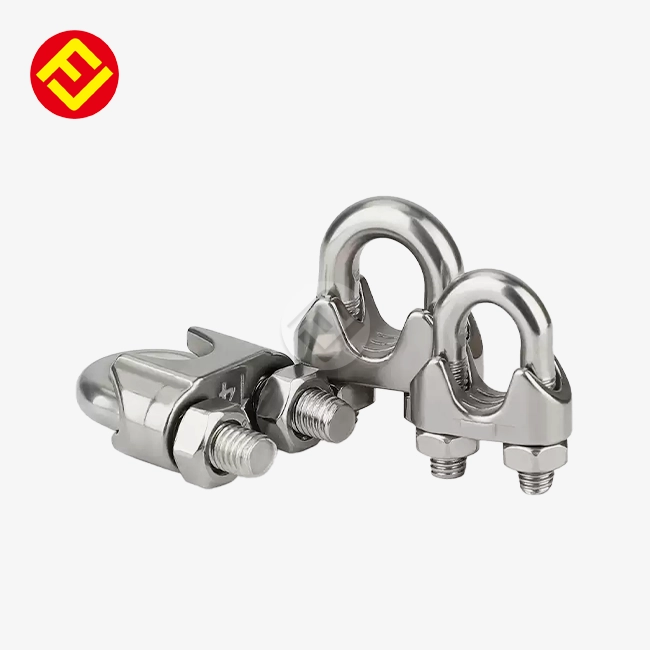
Wedge-type clamps work really well in many different types of industrial settings when you need a reliable way to fix things that is both quick and strong. These special tools use a self-locking mechanical principle that turns tension load into radial gripping force by driving wedge parts deeper into the housing when force is applied. This system gets rid of the need for adjustments that take time and keeps the clamping pressure constant. If you know what these binding devices can do, you can make smart purchases that make every job site safer and more efficient, whether you're in charge of installing power lines, working with wood, or building something.
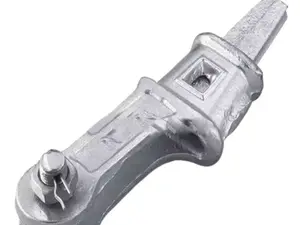
Understanding Wedge-Type Clamps: How They Work, What They Look Like, and Their Pros?
The basic idea behind mechanics
The main idea behind these Fastening Tools is a wedge device that makes the grip strength proportional. As the tension on the secured material rises, the wedge parts move deeper into the clamp body, which changes the grip strength automatically. Traditional screw-based designs need to be torqued by hand, but this self-energizing action is very different. The wedge surface's shape changes pulling forces into perpendicular compression. This spreads the load evenly across the touch surfaces and stops stress concentration points that could damage delicate materials.
Building the material and how long it will last
Professional-grade binding solutions are usually made of steel or an aluminum alloy. Each has its own benefits in different settings. Due to their low weight and high resistance to corrosion, aluminum alloys are perfect for high installations where linemen need to carry tools. Different types of steel have higher load capacities and mechanical strengths, so they can handle rough industrial situations where impact resistance is important. Die casting, forging, and precision machining are some of the manufacturing methods that make sure the dimensions are correct and the structure is strong. Surface treatments like hot-dip galvanizing or natural aluminum finishes protect against damage from the environment. This makes them last longer in places like seaside areas where salt is present or industrial areas where chemicals are present.
Advantages over traditional ways of clamping
When you look at wedge mechanisms next to cam, toggle, and screw-type options, you can see that they work better and cost less. The quick-release mechanism makes it possible to connect and remove things in seconds instead of minutes. This can cut down on installation time by up to 40% on big projects. Tool-free operation means that wrenches and other specialized tools are not needed. This means that field technicians can work quickly and effectively even in tight areas or at heights. The slim profile takes up less room and can be installed in tight spaces where bigger clamps can't go. Spreading the load over more contact areas keeps the material from changing shape. This is especially important when securing insulated conductors, finished wood surfaces, or composite materials that are easily damaged by crushing.
Manufacturing facilities that are ISO9001-certified use strict testing methods to make sure that the quality is always the same. Tests that measure tensile failure make sure that each unit can hold up to 95% of the cable's stated breaking strength. Climatic age tests mimic decades of UV exposure and changing temperatures, which proves that the material is stable. Procurement managers can be sure that these quality control measures will work in the long run.
Applications and Use Cases of Wedge-Type Clamps in Metalworking and Industry
Power Transmission and Electrical Infrastructure
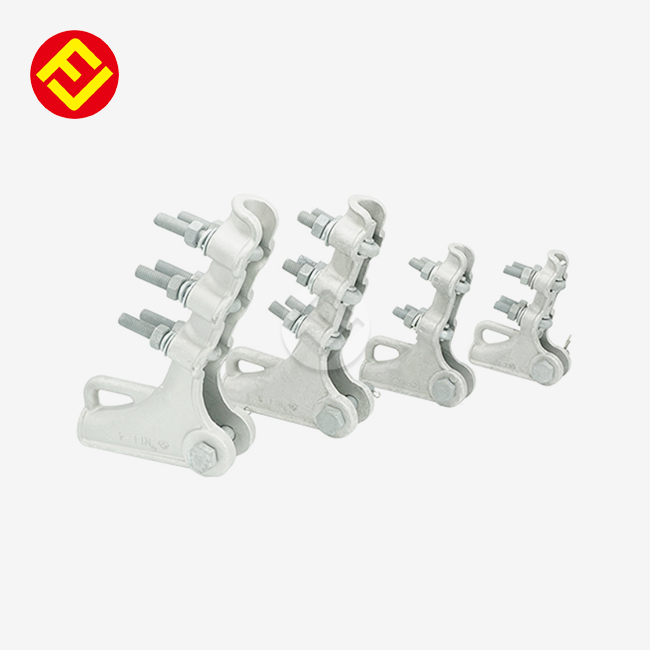
Installations of overhead power lines are the main situation where these fixing devices come in handy. They are used by electrical utility companies to secure conductors at dead-end spots, strain positions, and intermediate support areas along transmission routes. The non-penetrating grip design protects the integrity of the wire insulation, keeping water out of the system so that electrical problems don't happen. This trait addresses important safety issues while keeping the system's dependability. Anchoring multiple conductor bundles without removing protected jackets is especially helpful for aerial bundled cable networks. This cuts down on installation time and improves long-term performance.
When putting together telecommunications equipment for fiber optic networks, special types are used to keep the signals from weakening. The distributed pressure system keeps the signal quality even when spans are loaded with ice or wind vibrations. This is because it prevents the micro-bending of glass fibers that happens with point-load compression. Field installations across the US have shown that callback rates go down when teams switch from compression-style fittings to wedge-based systems. This proves that wedge-type clamp systems are technically better at protecting fragile fiber infrastructure.
Construction and Structural Applications
Every day, building workers have to deal with problems like keeping temporary forms in place, placing structural parts, and holding materials while they are being put together. The quick-release feature lets crews quickly move parts around as projects go along. This makes work more efficient on job sites where plans need to be flexible. Galvanized steel models don't lose their performance when they're exposed to concrete splashes, rebar contact, and the weather. Site managers like that they don't have to keep as many tools on hand because workers can install these fastening devices by hand instead of using power tools that need to be charged and plugged in.
Woodworking and Manufacturing Environments
Furniture companies and carpentry shops need clamping solutions that protect the surface while also having a strong holding force. Aluminum versions give enough grip for glue-up work, assembly jobs, and machining setups without damaging finished wood surfaces. Because the units are small, they can be placed close to the edges of the workpiece. This evens out the pressure and keeps the piece from warping while the glue cures. Production engineers say that cycle times go down when these devices are used on the assembly line because workers can quickly secure parts and get to more useful jobs instead of spending time adjusting screw-based alternatives.
To choose the right models, you need to look at three important factors that decide how well they work for different applications. As part of the specifications, the load capacity must be equal to or greater than the highest tensile forces that are expected to be applied during service. Material compatibility means matching the clamp's composition and finish to the surroundings. For example, marine-grade aluminum is best for installations near the coast, while normal steel can be used for manufacturing inside. Dimensional matching makes sure that the connectors fit properly with the wire diameters or workpiece thicknesses, so they don't slip when they're under load.
Maintenance, Safety, and Best Practices for Using Wedge-Type Clamps
Routine Inspection and Preventive Care
To get the most out of your equipment's life, you need to set up regular repair plans that find wear before it breaks. The sides of the wedges should be looked at visually for signs of deformation, cracking, or excessive wear that could weaken the grip. It is important to check metal parts for rust, especially where two different types of metal meet. Using the right anti-seize compounds to grease moving parts keeps them from sticking together and keeps the process smooth. Schedules for replacements that are based on load cycles help businesses avoid failures that happen at key times. Keeping track of what was found during inspections makes a maintenance history that helps with buying decisions and finding installation problems that need to be fixed.
Safety Guidelines and Operator Training
The right way to install something has a direct effect on both efficiency and safety. Operators need to know how to position themselves correctly in relation to the geometry of the conductor and make sure there is full contact before adding load. The most common reason for field breakdowns is going over the rated capacity, so knowing the load limit is very important. Visual verification methods that make sure the right contact is made before turning on circuits or letting go of support equipment should be emphasized in training programs. Personal safety equipment needs change depending on the job. For example, electrical installations need arc-rated clothing and insulated tools, while woodworking jobs stress being aware of pinch points.
Troubleshooting Common Issues
Slippage under load usually means that either the wrong size was chosen or the contact areas are dirty. Cleaning methods get rid of oils, dust, or wetness that lower the friction coefficients needed for a good grip. Early signs of wear suggest that the part wasn't lined up correctly when it was installed or that it was cycle loaded beyond what was intended. When temperatures change, the wedge-type clamp materials and secured wires may expand and contract at different rates. This means that in high-temperature situations, the clamps need to be retensioned on a regular basis. When maintenance teams know these signs, they can take steps to fix problems before they get worse and cause costly downtime or safety risks.
Comparing Wedge-Type Clamps: Brands, Pricing & Procurement Insights
Evaluating Supplier Capabilities
The industrial clamping market includes numerous manufacturers, each bringing different strengths to procurement considerations. Established brands offer extensive product lines with decades of field-proven performance data, while specialized suppliers provide niche solutions for unique applications. Procurement managers should evaluate several key factors when selecting vendors. Engineering support capabilities determine whether suppliers can assist with application-specific customization or troubleshoot installation challenges. Inventory depth affects lead times—suppliers maintaining substantial stock positions can fulfill urgent orders immediately, while others require extended manufacturing schedules. Geographic distribution networks impact shipping costs and delivery reliability, particularly for project sites in remote locations.
Certification compliance represents another critical evaluation criterion. ISO9001 quality management certification indicates systematic manufacturing controls, while IEC standards compliance confirms electrical performance meets international safety requirements. Third-party testing documentation provides independent verification of published specifications, reducing procurement risk.
Procurement Strategies for B2B Buyers
Volume purchasing creates opportunities for favorable terms that reduce total cost of ownership. Establishing relationships with suppliers who offer flexible minimum order quantities helps balance inventory carrying costs against volume discounts. Blanket purchase agreements with scheduled releases provide price stability while avoiding excess inventory. Technical collaboration during product selection ensures optimal specifications, preventing over-engineering that inflates costs or under-specification that causes field problems.
Delivery logistics deserve careful attention during vendor evaluation. Suppliers with established distribution partnerships can consolidate shipments with other materials, reducing freight expenses. Packaging quality affects product condition upon arrival—robust containers prevent damage during transit, eliminating delays from returns and reorders. After-sales support including warranty administration and technical consultation adds value beyond initial purchase price, particularly for organizations managing geographically dispersed projects.
With nearly four decades of manufacturing expertise, established suppliers bring process knowledge that translates into consistent quality. Organizations maintaining extensive stock inventories—some exceeding two thousand tons—demonstrate commitment to customer service through reliable availability. Rapid quotation turnaround, often within forty-eight hours, accelerates project planning and procurement cycles.
How to Use Wedge-Type Clamps Effectively: Step-by-Step Guide
Preparation and Component Selection
Successful installation begins with proper planning and material verification. Measure conductor or workpiece diameter precisely using calibrated tools, then consult manufacturer specifications to identify appropriate clamp size ranges. Surface preparation involves removing contaminants such as oils, oxidation, or loose coatings that interfere with friction. Inspect components before installation, confirming no damage occurred during storage or transport. Gather necessary tools including measuring devices, cleaning materials, and personal protective equipment appropriate for the work environment.
Installation Methodology
Position the clamp body around the conductor or workpiece, ensuring alignment with intended load direction. The wedge components should slide smoothly into the housing without forcing or binding. Some designs feature visual indicators confirming proper engagement—verify these marks align before proceeding. Apply initial tension gradually, allowing the wedge mechanism to seat properly. Avoid shock loading during installation, as sudden forces can cause misalignment or component damage.
Verification steps confirm secure installation before committing full operational loads. Visual inspection checks that wedge components have advanced fully into the locking position. A gentle pull test applies light force to detect any slippage, though this should use only hand pressure rather than mechanical advantage that could exceed ratings. Documentation of installation locations and dates supports maintenance scheduling and troubleshooting if issues arise later.
Integration into Production Workflows
Manufacturing environments benefit from standardizing clamping procedures across similar operations. Creating work instructions with photographs or diagrams helps new operators achieve proficiency quickly. Positioning stations with organized storage of various wedge-type clamp sizes reduces setup time and prevents size selection errors. Automated production lines can incorporate these fastening devices at specific process stages, with operators trained to verify secure attachment as quality checkpoints. The repeatability of wedge mechanisms supports consistent results across production runs, reducing variation that could affect product quality or assembly precision.
Conclusion
Wedge-based clamping technology delivers measurable advantages through rapid installation, reliable holding power, and adaptability across diverse industrial applications. Understanding the mechanical principles behind self-energizing wedge action helps procurement professionals appreciate performance differences compared to traditional alternatives. Material selection between aluminum alloys and steel variants allows matching environmental demands with appropriate corrosion resistance and strength characteristics. Proper maintenance practices and operator training maximize equipment lifespan while ensuring safe operation in demanding field conditions. Strategic supplier relationships provide access to technical expertise, responsive delivery, and competitive terms that reduce total cost of ownership.

FAQ
What distinguishes wedge mechanisms from screw-type clamps in practical applications?
Wedge-based designs achieve faster installation through self-locking action that requires no rotational adjustment, reducing labor time by up to forty percent. The proportional grip increases automatically with load, while screw types maintain constant pressure regardless of applied forces. This characteristic makes wedge variants particularly effective for applications involving variable tension or dynamic loading.
Can these fastening devices withstand high-temperature industrial environments?
Material selection determines thermal performance capabilities. Aluminum alloys typically maintain structural integrity up to two hundred degrees Celsius, while steel variants tolerate higher temperatures approaching four hundred degrees. Specialized high-temperature polymers in certain designs provide electrical insulation properties alongside thermal resistance. Consultation with manufacturers regarding specific environmental conditions ensures appropriate specification for aerospace, foundry, or industrial applications involving elevated temperatures.
What factors influence expected service life and replacement intervals?
Properly maintained units in appropriate applications routinely achieve ten to twenty years of service life. Critical factors include load cycling frequency, environmental exposure severity, and maintenance consistency. Units subjected to continuous maximum-rated loads or harsh corrosive conditions require more frequent inspection and earlier replacement than those in controlled indoor environments with intermittent use.
Partner with FLA Industrial & Trading Co., Ltd. for Superior Clamping Solutions
Electrical contractors, distributors, and manufacturing facilities across North America trust our specialized expertise in power transmission hardware and precision clamping equipment. FLA Industrial & Trading Co., Ltd. maintains comprehensive inventory of wedge-type clamp models suitable for overhead conductor installations, workshop assembly operations, and structural applications demanding reliable performance. Our ISO9001-certified manufacturing processes ensure dimensional accuracy and consistent quality across every unit. With nearly forty years serving Fortune Global 500 partners, we understand the procurement priorities that matter—competitive terms, rapid quotation turnaround within twenty-four to forty-eight hours, and technical support from initial specification through project completion. Customization capabilities accommodate non-standard requirements with engineering completion in seven to fifteen working days. Contact our team at sales@flaindustrial.com to discuss your specific application requirements and receive detailed product information. As an established wedge-type clamp manufacturer, we provide the technical collaboration and supply reliability your projects demand.
References
Henderson, R.M. & Clark, K.B. (2019). Industrial Fastening Systems: Design Principles and Application Guidelines. Technical Publishing International.
Samuelson, P.R. (2021). "Comparative Analysis of Clamping Mechanisms in Power Transmission Infrastructure." Journal of Electrical Line Construction, 47(3), 156-178.
International Electrotechnical Commission. (2020). IEC 61284: Overhead Lines - Requirements and Tests for Fittings. Geneva: IEC Publications.
Thornton, J.A. & Williams, M.E. (2018). Materials Selection for Corrosive Environments: Engineering Reference Guide. American Society for Materials.
National Electrical Safety Code. (2022). ANSI C2-2022: Installation and Maintenance Standards for Electrical Supply Stations. Institute of Electrical and Electronics Engineers.
Bergman, T.L., Lavine, A.S., & Incropera, F.P. (2020). Fundamentals of Heat and Mass Transfer in Industrial Applications. John Wiley & Sons, 8th Edition.