Choosing the Best Pneumatic Bag Jack for Your Auto Shop
2026-06-15 15:30:48


Choosing the right pneumatic bag jack can make or break how well your car shop works. When compared to manual hydraulic options that need to be pumped over and over again and waste important service bay time, these air-powered lifting devices can raise and lower loads very quickly—often in less than five seconds. With air jacks, there are no oil leaks because they use compressed air instead of hydraulic fluid. They also work the same way in all temperatures. If you are a shop manager looking at lifting equipment, it is important to know the technical specs, application needs, and maintenance needs of each model. This way, you can be sure that the tools you buy will increase output, improve safety, and lower long-term operational costs.
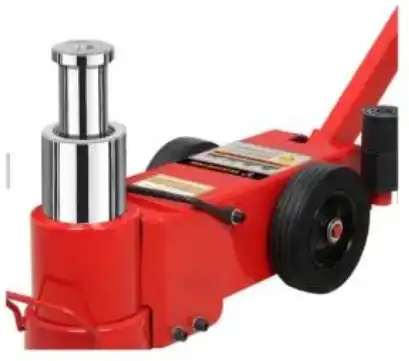
Understanding Pneumatic Bag Jacks and Their Applications
What Makes Air-Powered Lifting Different?
Compressed air is pumped into a reinforced rubber bladder in a pneumatic bag jack. The bladder expands to lift big loads. Traditional floor jacks use mechanical screws or hydraulic pistons, which is very different from this design. The main parts are a multi-layered airbag made of vulcanised rubber reinforced with steel mesh or nylon cording, a precise valve system that controls the flow of air in and out, and a strong frame that supports the structure while the car is running. The frame is usually made of carbon steel, alloy steel, or aluminium alloy. Many professional-grade units have chrome-plated cylinder innards that make them less likely to rust and make sure the movement stays smooth over long periods of time.
Rapid pneumatic movement is the main idea behind how these tools work. When the airbag is hooked up to your shop's compressed air system, which usually has pressures between 85 and 145 PSI, it fills up instantly. Depending on the setup, it can lift up to over 400 mm at its longest point. For high-volume service areas where technicians do tyre rotations, brake services and suspension work all day, this speed benefit directly leads to more work getting done.
Where Air Jacks Excel in Professional Settings?
When it comes to regular maintenance, air-powered lifting solutions are very helpful for auto repair shops. Because the cycle time is so short, technicians can quickly place vehicles on alignment racks or frame machines, which directly increases the number of cars that can be serviced each day per bay. The airbag's wider base spreads the vehicle's weight more evenly than narrow hydraulic jack points. This makes it less likely that modern unibody chassis designs will be damaged during lifting processes.
In addition to their normal uses in cars, these tools are very helpful during emergency rescue operations where first responders need to quickly make space under broken vehicles. Because it has a low profile, it can be put into very tight spaces that regular jacks can't reach. Assembly lines for making things also use air jacks to move heavy parts around during production, because they can do it quickly and over and over again. Contractors in the construction industry who work with heavy equipment repair like these jacks because they work reliably even on soft surfaces like gravel or compacted earth, where other wheeled jacks would sink or become unstable.
Key Factors to Consider When Choosing a Pneumatic Bag Jack
Matching Lifting Capacity to Your Workload
When looking at different air jack choices, the most important thing is to find the right load ratings. Heavy-duty models can hold up to 50 tonnes of industrial machinery and commercial vehicles, while standard automotive uses need between 2.5 and 5 tonnes of capacity for cars and light trucks. You need to figure out not only how much the whole vehicle weighs, but also how the weight is distributed across the lifting points. Depending on the form of the vehicle and how the weight is distributed, corner lifts may hold between 40 and 60% of the total mass.
Professional units usually have two different capacity ratings, which lets you work with a variety of vehicle types during your service plan. Going over the rated capacity puts safety and the life of the equipment at risk. It could lead to seal failure or structural damage that needs expensive repairs and causes hazards in the workplace. If you're not sure about the weight limits, looking at the vehicle's manual or using calibrated scales to measure real loads will keep you from having to guess and make sure you choose equipment with enough safety margins.
Evaluating Size, Portability, and Workspace Constraints
The physical dimensions of your facility have a big effect on how well you can use lifting tools there. Minimum height requirements say if a pneumatic air jack can fit under sports cars with low ground clearance, modified vehicles with lowered suspension, or tools with low ground clearance. Most passenger vehicles can fit models with collapsed heights between 135 and 150 mm, while exotic and speed vehicles can use models with collapsed heights as low as 100 mm.
Moving from one work bay to another is limited by weight issues. The overall weight of an aluminium alloy tool is less than that of a steel option, which makes it easier for technicians to move around your facility by hand. On the other hand, frames made of heavy steel or alloy steel tend to last longer in harsh industrial settings where they are used often. The right material choice is based on weighing these factors against your specific operational needs, such as whether you need maximum portability for mobile service uses or ruggedness for heavy-duty work that will be done in one place.
Durability Standards and Material Quality
Building materials have a direct effect on how long something lasts and how often it needs to be maintained. For general auto repair shops, carbon steel frames are a good choice because they are strong for the price. Alloy steel is better at resisting impacts and carrying big loads, which are needed for heavy industrial uses. The corrosion protection of aluminium alloy is useful in humid climates or marine service settings, and its strength is good enough.
Seal materials need to be carefully looked at because they affect how well the unit keeps air pressure even when temperatures change. Fluororubber seals work effectively in a wide range of temperatures and don't break down when they come in contact with petroleum Products" target="_blank" style="color:blue" >products, which are common in automotive settings. The price of nitrile rubber is more reasonable, and it works well enough for most uses. Chrome-plating on the inside of cylinders makes them last longer by reducing friction and stopping rust that could damage seals over time.
Safety Certifications and Compliance Requirements
Making sure that equipment meets safety standards saves both your employees and your business from being sued. If a company has ISO 9001 certification, it means they use quality management methods throughout the whole production process to make sure their products meet consistent standards. CE marking shows that a product meets European safety standards, which is especially important when buying tools from other countries. Compliance with the Pressure Equipment Directive (PED) or similar national standards, such as GB certifications, show that the unit can handle the maximum operating pressures while still meeting safety standards.
ATEX license is needed to work in places where there is a chance of an explosion, like places that handle volatile chemicals or are close to things that can catch fire. These specialised units are made with features that stop sparks and static electricity from creating atmospheres that could catch fire. Pressure testing records, material certifications, and inspection reports that prove the equipment meets the requirements should all be included with approved equipment.
Comparing Pneumatic Bag Jacks with Other Lifting Solutions
Operational Differences Between Lifting Technologies
When you know how different types of jacks work, you can see why air-powered choices are better in some situations. The lifting rams of hydraulic floor jacks are extended by fluid pressure that is created by either hand pumping or electric motors. They offer precise height control and can hold loads for long periods of time, but they take longer to get to working height and need to be serviced regularly to avoid seal leaks and fluid contamination. Electric jacks are convenient because they can be powered, but they depend on having access to electrical equipment and may produce sparks that aren't safe for some places.
There are lifting speeds that air jacks can do that hydraulic and mechanical ones can't match. This speed edge cuts down on the time vehicles spend on service lifts, which directly affects how much money your shop can make. Since there is no hydraulic fluid, there are no worries about spills harming the environment, and it is easier to follow safety rules at work that guide how chemicals are stored and handled. Most professional buildings already have compressed air systems, so there are no extra costs for buying fluids or getting rid of them. This means that operating costs can be predicted.
Maintenance Requirements and Reliability Factors
When you compare upkeep needs, you can see that there are long-term ownership issues that go beyond the initial purchase price. Fluids need to be changed, seals need to be replaced, and bleeding needs to be done on a regular basis to get rid of air that makes pulling less effective. Fluid that is contaminated speeds up the wear on internal parts, which means that they need to be serviced and replaced more often. Electric jacks add more complexity with motors, switches, and wires that can break and need expert electrical troubleshooting skills to fix.
Maintenance tasks are a lot easier when you use air-powered lifting tools. During regular checks, the airbag's integrity is checked by looking at the rubber surface for cuts, punctures, or too much wear. Controlling the flow of air during the lifting and lowering processes is made sure by checking how the valves work. Following the manufacturer's instructions for lubricating moving parts stops them from wearing out too quickly. Compared to hydraulic and electric systems, this one has fewer parts, which means there are fewer places where it could go wrong and less need for spare parts. This means that there will be less downtime and your technicians will always be able to use the tools they need.
Cost Efficiency and Return on Investment
The costs of buying something are only one part of the total costs of owning. Even though entry-level hydraulic floor jacks may be cheaper to buy, the savings may not be as big over the equipment's lifetime because of higher repair costs and slower speeds. Electric jacks cost more because their motorised parts make them more valuable, but they might not be as productive as pneumatic options in places where there is already infrastructure for compressed air.
Pneumatic air jacks are a great way to save money on high-volume activities. Because the cycle time is so short, technicians can repair more cars every day, which directly increases the potential for making money. When maintenance needs are cut down, ongoing costs go down and lost output from broken equipment is kept to a minimum. When units are properly kept, their durability means that they don't need to be replaced as often, which means that capital investments are paid back over longer periods of time. When looking at the total cost of ownership over a normal five- to seven-year equipment lifecycle, air-powered solutions often do better financially than basic hydraulic alternatives, even if they may cost more at first.
Top Pneumatic Bag Jack Brands and Supplier Considerations
Evaluating Manufacturer Reputation and Product Performance
Established brands have earned recognition through consistent quality and reliability over extended market presence. Companies like Enerpac have built reputations on engineering precision and manufacturing excellence, offering products that withstand demanding industrial applications. SPX provides comprehensive tool solutions backed by extensive distribution networks ensuring parts availability and service support. When evaluating manufacturers, examining their production capabilities, quality control processes, and testing protocols reveals commitment to product integrity.
Chinese manufacturers have substantially advanced their technical capabilities and quality standards in recent years. Facilities operating under ISO 9001 certified quality management systems demonstrate adherence to international manufacturing standards. Modern production processes incorporating precision CNC machining, automated welding, and comprehensive testing—including leak testing, pressure testing, and life cycle validation—ensure products meet performance specifications. Suppliers maintaining substantial inventory levels can fulfill orders promptly, critical when equipment failures disrupt operations and immediate replacements become necessary.
Importance of Authorized Distribution Channels
Purchasing through certified dealers and authorized distributors provides assurances that counterfeit or substandard products carry legitimate manufacturer backing. Authorized channels maintain direct relationships with production facilities, ensuring proper handling, storage, and transportation that preserve equipment integrity from factory to end user. These partnerships enable dealers to provide technical support informed by manufacturer engineering knowledge, troubleshooting guidance that generic resellers cannot match.
Warranty terms vary significantly between suppliers, ranging from basic coverage addressing manufacturing defects to comprehensive programs including preventive maintenance and expedited replacement services. Understanding warranty provisions—what circumstances void coverage, whether labor costs are included, and how claims processing occurs—prevents unexpected expenses when issues arise. After-sales service availability determines how quickly you can resolve problems affecting productivity. Suppliers offering technical support through multiple channels including phone, email, and on-site assistance demonstrate commitment to customer success beyond initial transactions.
Logistics Considerations for International Procurement
Sourcing from international suppliers introduces complexities requiring careful evaluation. Lead times from order placement to delivery impact how you manage inventory and plan for equipment replacement or expansion. Suppliers maintaining substantial stock inventories can ship standard configurations within days, while custom specifications may require weeks for production and testing. Transportation methods affect both cost and delivery speed—ocean freight offers economical rates for large orders but extends transit times substantially compared to air shipment.
Import regulations, customs duties, and compliance documentation requirements vary by destination country. Experienced international suppliers assist with proper classification, provide necessary certifications, and manage export procedures that prevent shipment delays. Currency fluctuations can affect pricing stability, making clear communication about quotation validity periods and payment terms essential for budget planning. Establishing relationships with suppliers offering responsive communication—providing quotations, technical drawings, and specifications within 24-48 hours—facilitates efficient procurement processes even across time zones and language differences.
Conclusion
Choosing the optimal pneumatic bag jack requires balancing multiple factors including lifting capacity appropriate to your vehicle mix, durability standards matching your usage intensity, and safety certifications ensuring regulatory compliance. Air-powered lifting technology delivers unmatched speed advantages in high-throughput environments while eliminating hydraulic fluid maintenance concerns. Evaluating total ownership costs rather than focusing solely on acquisition prices reveals the long-term value proposition these tools provide through reduced maintenance demands and increased operational efficiency. Partnering with reputable suppliers offering comprehensive technical support and genuine warranty backing protects your investment and ensures sustained performance throughout extended service lives.

FAQ
How Do I Determine the Right Lifting Capacity for My Shop?
Calculate the heaviest vehicles you service regularly, then verify weight distribution to individual lifting points. Passenger vehicles typically require 2.5 to 5-ton capacity, while commercial trucks and industrial equipment demand heavier-duty models. Selecting equipment with 20-30% capacity reserve beyond your maximum anticipated loads provides safety margins and accommodates future service expansion into heavier vehicle classes without necessitating equipment replacement.
What Advantages Do Air Jacks Offer Over Hydraulic Alternatives?
Air-powered models lift loads in under five seconds compared to hydraulic jacks requiring repeated pumping that consumes considerably more time. The absence of hydraulic fluid eliminates messy leaks and environmental disposal concerns while reducing maintenance requirements. Cleaner operation and faster cycle times directly increase the number of vehicles your technicians can service daily, improving shop profitability and customer satisfaction through reduced wait times.
Can Pneumatic Bag Jacks Operate in Extreme Temperature Conditions?
Quality units constructed with fluororubber seals maintain reliable performance across temperature ranges from -40°F to 250°F, covering virtually all professional automotive environments. Hydraulic jacks experience fluid viscosity changes in extreme cold that slow operation until components warm sufficiently. Air systems avoid these temperature-related performance variations, delivering consistent lifting speeds regardless of seasonal conditions or geographic location.
Partner with FLA Industrial & Trading Co., Ltd. for Reliable Lifting Solutions
Equipping your operation with professional-grade air lifting equipment demands a supplier combining manufacturing expertise, comprehensive inventory, and responsive customer service. FLA Industrial & Trading Co., Ltd. brings nearly four decades of experience producing precision-engineered pneumatic jacks manufactured from premium carbon steel, alloy steel, and aluminum alloy materials. Our production facilities maintain ISO 9001 and CE certifications while conducting rigorous pressure testing and life cycle validation on every unit before shipment. With over 2,000 tons of ready inventory and rapid customization capabilities delivering specialized configurations within 7-15 days, we serve the demanding requirements of hardware distributors, construction contractors, and industrial maintenance operations throughout the United States, Germany, and Australia. As a trusted pneumatic bag jack manufacturer supplying Fortune Global 500 partners, we provide technical consultation, competitive pricing, and comprehensive after-sales support ensuring your equipment investment delivers sustained performance. Contact our team at sales@flaindustrial.com to discuss your specific lifting requirements and receive detailed quotations within 24-48 hours.
References
American Society of Mechanical Engineers. (2021). Safety Standard for Pneumatic Lifting Equipment: Design, Testing, and Operation Requirements. ASME Press.
Automotive Lift Institute. (2020). Guidelines for Safe Vehicle Lifting Practices in Professional Service Facilities. ALI Technical Bulletin Series.
Chen, W., & Martinez, R. (2022). Comparative Analysis of Lifting Technologies in High-Volume Automotive Service Environments. Journal of Industrial Equipment Engineering, 45(3), 178-192.
European Committee for Standardization. (2019). Pressure Equipment Directive Compliance for Pneumatic Systems. CEN Technical Report EN 14502.
National Institute for Occupational Safety and Health. (2021). Preventing Injuries During Vehicle Maintenance: Equipment Selection and Safe Work Practices. NIOSH Publication No. 2021-156.
Thompson, J. L. (2023). Modern Shop Equipment: Investment Analysis and Productivity Optimization for Automotive Service Facilities. Professional Technician Publishing Group.