What Materials Are Mech Grooved Fittings Made From?
2026-05-21 09:47:53


Advanced mechanical pipe connection components made of ductile iron and carbon steel use mech grooved fitting systems to link pipes. Elastomeric gaskets and metal housings make leak-resistant connections without welding or threading in these fittings. Tensile strength, corrosion resistance, and pressure capacity are directly affected by material composition, which is commonly ASTM A536 Grade 65-45-12 for ductile iron. Material selection is critical for system dependability and durability in demanding industrial applications.
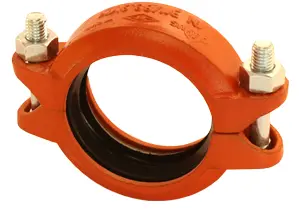
Understanding Mech Grooved Fittings and Their Material Importance
Modern piping technology has advanced with mech grooved fittings. These components use carefully carved grooves at pipe ends to engage with coupling housings, unlike welded or threaded couplings. The technology generates flexible, secure joints that accept thermal expansion, vibration, and slight structural movements, solving inflexible connection problems in dynamic industrial situations.
Fitting performance depends on material choice. The material used by procurement managers for fire protection or HVAC installations impacts installation success and decades of operating reliability. Nodular graphite structures in controlled-cast ductile iron fittings avoid brittle fracture under shock stresses. Carbon steel variations have great tensile strength for high-pressure applications but need surface treatments to prevent environmental deterioration.
These fittings' engineering considers real-world circumstances. A Gulf Coast water treatment plant is exposed to corrosive seawater and significant pump vibration. Epoxy-coated ductile iron fittings last 15–30 years longer than painted carbon steel, lowering overall ownership costs despite higher initial expenditure. This computation is crucial for facilities managers with constrained maintenance budgets.
The Role of Material Composition in System Integrity
A mech grooved fitting system's housing, gasket, and other parts must meet chemical and mechanical requirements. EPDM gaskets work well in potable water systems from -30°F to 230°F, whereas nitrile gaskets resist oil-based media deterioration. Housing material must be ductile to absorb impacts without cracking, especially during installation in tight locations where tools may slip or over-torque bolts.
Compatibility Considerations Across Piping Networks
Material compatibility goes beyond fittings. Galvanic corrosion happens when dissimilar metals encounter an electrolyte. In humid environments, uncoated carbon steel fittings on stainless steel pipes produce electrochemical cells that promote corrosion at connection sites. Proper material matching prevents these failures, keeping joints the system's strongest points.
Common Materials Used in Mech Grooved Fittings
The pipe fitting business uses four main materials, each with distinctive benefits. Understanding these material qualities helps procurement managers precisely match product specs to project needs.
Ductile Iron: The Industry Workhorse
Due to its strength, ductility, and corrosion resistance, ductile iron dominates mech grooved fitting manufacture. Graphite flakes become nodules when magnesium is added to molten iron during casting. With this metallurgical transition, material bends rather than shatters under stress, providing essential safety margins in pressured systems. FLA Industrial & Trading Co., Ltd. makes Grade 65-45-12 ductile iron fittings with a minimum tensile strength of 65,000 psi, suitable for 300 PSI fire sprinkler systems with safety factors. Natural corrosion resistance minimizes maintenance, but surface coatings protect in hostile situations.
Carbon Steel: High-Strength Performance
In situations requiring greatest mechanical strength, carbon steel fittings shine, along with mech grooved fitting. Carbon steel's hardness and wear resistance serve oil and gas installations, where pressure spikes and abrasive media are harsh. Uncoated carbon steel rapidly oxidizes when exposed to moisture, therefore it needs protective coatings. Hot-dip galvanizing builds zinc layers that corrode before reaching the base metal, providing strong protection. Carbon steel fittings weigh 10-15% more than ductile iron ones, affecting installation.
Stainless Steel: Premium Corrosion Defense
Materials for pharmaceutical, culinary, and marine uses must withstand chemical assault without leaching pollutants. Chromium-rich surfaces of stainless steel 304 and 316 self-heal through passive oxidation. Grade 316 with molybdenum resists chloride, making it appropriate for coastal installations or salt solution process pipes. The material is expensive but prevents corrosion-related failures in sensitive applications. Using stainless steel mech grooved fittings in a beverage bottling factory prevents metallic taste and meets strict sanitary standards.
Aluminum and Specialty Alloys
Aluminum fittings minimize structural stresses without compromising strength in lightweight installations, such as shipbuilding or mobile equipment. Specialty alloys meet unique needs like severe temperatures or chemical exposure. These materials are usually used in specialized engineering projects, thus specifiers and manufacturers must work together to test performance.
How Material Selection Influences Mech Grooved Fitting Performance
Material qualities affect operational performance in different ways. Over decades, procurement selections affect installation efficiency, maintenance intervals, and system dependability.
Pressure Ratings and Mechanical Strength
Each material handles pressure differently based on tensile strength, wall thickness, and coupling design. Standard ductile iron fittings can withstand 300 PSI, while strengthened housing geometry allows 500 PSI. Due to its higher yield strength, carbon steel can have thinner walls at equal pressure ratings, however design rules usually limit wall dimensions for fatigue resistance. When designing components for multi-story buildings with floor-level static pressure, these ratings are crucial.
Corrosion Resistance and Coating Systems
For complete corrosion protection, material selection and surface treatment plan interact. FLA Industrial uses red paint indoors, epoxy coating for chemical exposure, and hot-dip galvanizing outdoors. Every coating system reacts differently with substrates. The somewhat porous cast surface of ductile iron binds well to epoxy, generating mechanical interlocking that resists delamination, similar to a mechanical grooved fitting. In corrosive environments where painted coatings fail, carbon steel galvanizing offers barrier and cathodic protection, increasing service life.
System Compatibility and Installation Flexibility
Material choice impacts system design, not simply fittings. Ductile iron's mild weight makes fittings up to 6 inches easy to handle, accelerating installation in crowded mechanical rooms. Carbon steel's magnetic characteristics make large-diameter lifting using electromagnetic instruments easier. The material's thermal expansion coefficient must match pipe to prevent joint stress during temperature cycling. A chilled water system with 70°F temperature variations needs precise expansion joint location and stress calculations based on suitable material parameters.
Comparing Mech Grooved Fitting Materials Against Industry Alternatives
Compared to typical connection methods, mech grooved fitting materials improve project costs and operational dependability.
Installation Efficiency Versus Welded Connections
Certified welders, hot work permits, fire watchers, and post-weld inspection add up rapidly on large projects. Mech grooved fittings reduce these needs. On average commercial installations, our ductile iron couplings install three times faster than welded connections, saving 40% in labor costs. Cold-connection prevents heat-affected zones that degrade pipe material qualities near junctions.
Maintenance Access Compared to Flanged Systems
Flanged connections allow disassembly but need accurate bolt tensioning across several fasteners, gasket replacement during each opening, and flange face preparation. Every junction of mech grooved fittings is a union, allowing system adjustments without pipe cutting. Grooved connections take two hours to replace a 12-inch main valve, whereas flanged joints take six hours, decreasing service disruption and overtime expenses for a municipal water department.
Quality Standards and Certification Compliance
Leading producers adhere to ASTM, AWWA, and international material standards. EVERY batch of ductile iron at FLA Industrial & Trading Co., Ltd. undergoes metallurgical examination to certify nodularity rates over 90% to prevent shattering. Procurement managers may verify compliance with our ISO9001 quality management system, CE marking, and UL/FM fire protection designations. These certificates help avoid costly project delays during plan approval and inspection.
Best Practices for Procuring Mech Grooved Fittings Based on Material
Balance urgent project demands with long-term performance goals for effective procurement. Material standards underpin effective sourcing.
Evaluating Supplier Material Certifications
Fake fittings passing off poor materials as specification-grade items are dangerous. Reliable vendors give mill test data for each manufacturing batch's chemical composition, tensile strength, and hardness. FLA Industrial allows full traceability from finished fitting to raw material origin. For essential applications like fire sprinkler systems where component failure endangers lives, procurement managers should require third-party material testing certification.
Lifecycle Cost Analysis Beyond Initial Pricing
Material choice greatly impacts ownership costs. Considering ductile iron vs carbon steel fittings, including mechanical grooved fitting, for a hospital expansion must evaluate maintenance, coating renewal, and replacement expenses during its 50-year design life. Ductile iron's corrosion resistance minimizes maintenance, while carbon steel needs coating inspection and repair. Our bulk purchasing programs for distributors and contractors combine competitive prices with high-quality materials to create benefit beyond initial invoice amounts.
Aligning Material Selection With Project Timelines
Delivery and inventory planning depend on material availability. For fast-track construction, our facilities dispatch standard ductile iron fittings in sizes 1" through 12" within 24-48 hours. For casting, machining, and surface treatment, specialty materials or non-standard dimensions necessitate bespoke manufacturing runs, which prolong lead times. Our engineering team works with procurement managers to identify long-lead goods early in project planning to avoid schedule delays. This proactive strategy has helped contractors meet data center and municipal water infrastructure critical route schedules.
Conclusion
Material choice for mech grooved fittings affects system performance, installation efficiency, and long-term dependability in various industrial applications. For fire protection and HVAC systems, ductile iron is strong and corrosion-resistant, whereas carbon steel performs best in high-pressure settings. Speciality materials meet particular needs, whereas stainless steel is sanitary and corrosive. Purchasing specialists that carefully assess material requirements, supplier certifications, and lifetime costs find fittings that maximize operational efficiency and safety. Strategic materials, surface treatments, and quality assurance methods ensure pipe systems work reliably over their design life.
FAQ
1. Which material offers the highest durability for grooved fittings?
Due to its tensile strength, impact resistance, and corrosion tolerance, ductile iron is ideal for most applications. The nodular graphite structure resists brittle fracture and maintains 300 PSI pressure ratings for fire protection and HVAC systems. Despite their increased cost, stainless steel grades 316 and 304 perform well in corrosive conditions.
2. Can ductile iron fittings withstand corrosive environments?
When epoxy-coated or hot-dip galvanized, ductile iron fares well in mild corrosion. These surface treatments prevent chemical and environmental damage. Acidic chemicals or seawater immersion may necessitate stainless steel alternatives for longer service life.
3. How can I verify authentic material quality from suppliers?
Request mill test results for each manufacturing batch's chemical and mechanical qualities. FLA Industrial is a reputable producer that offers material traceability and third-party testing. Check supplier ISO9001 certification and product listings with UL, FM, or comparable agencies. Physical examination should validate coating thickness and dimensional tolerances satisfy specifications.
Partner With FLA Industrial for Superior Grooved Fitting Solutions
Every grooved coupling system FLA Industrial & Trading Co., Ltd. makes is backed by over 40 years of manufacturing experience. Construction contractors, hardware dealers, and industrial facilities across North America use our ISO9001 and UL/FM-compliant ductile iron and carbon steel fittings in sizes 1" to 48". We supply technical specs within 24 hours and stock several common configurations to keep your projects on track. We offer reasonable prices without compromising quality as a trusted mech grooved fitting manufacturer for Fortune Global 500 partners. Call sales@flaindustrial.com to discuss your material needs and learn how our engineering help simplifies procurement.
References
1. American Water Works Association. (2020). ANSI/AWWA C606-20: Grooved and Shouldered Joints. Denver: AWWA Standards.
2. American Society for Testing and Materials. (2019). ASTM A536-84: Standard Specification for Ductile Iron Castings. West Conshohocken: ASTM International.
3. Factory Mutual Research Corporation. (2018). Approval Standard for Grooved Pipe Couplings and Fittings. Johnston: FM Approvals.
4. National Fire Protection Association. (2019). NFPA 13: Standard for the Installation of Sprinkler Systems. Quincy: NFPA Publications.
5. Steel Founders' Society of America. (2017). Engineering Properties of Steel Castings: A Guide for Design Engineers. Crystal Lake: SFSA Technical Publications.
6. Underwriters Laboratories. (2021). UL 213: Standard for Rubber Gasketed Fittings for Fire Protection Service. Northbrook: UL Standards & Engagement.