What Should Buyers Consider When Sourcing Pump Clamps?
2026-08-03 10:58:45


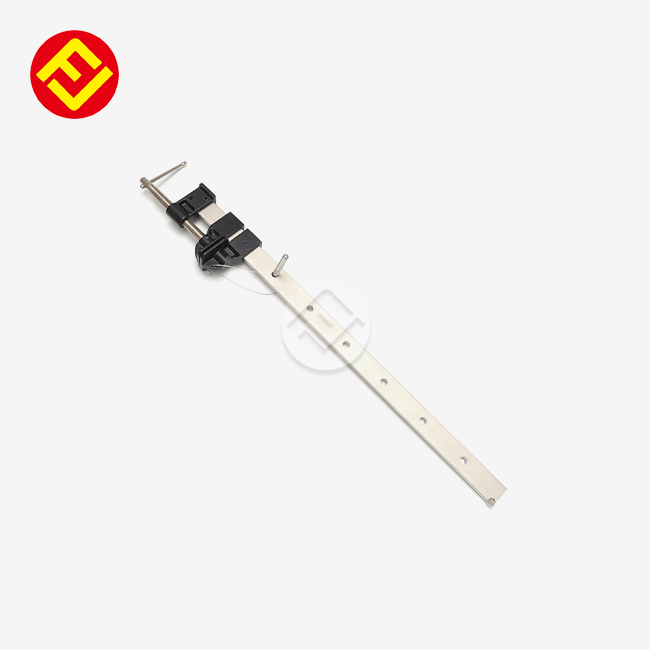
When sourcing Pump Clamps, buyers must evaluate several critical factors to ensure operational reliability and cost-effectiveness. The Spanish-Style Pump Clamp represents a robust solution engineered for high-pressure applications, featuring a non-perforated band and reinforced bolt-and-nut mechanism that delivers superior torque capacity compared to conventional worm-drive designs. Procurement professionals should prioritize material composition, pressure resistance ratings, corrosion protection standards, and dimensional accuracy while also considering supplier credibility, bulk purchasing advantages, and after-sales support. Understanding these elements helps hardware distributors, construction contractors, and industrial operators make informed decisions that balance immediate budget constraints with long-term durability requirements.

Specification |
|||
| Specification Model | Maximum Clamping Distance (mm) | Throat Depth (mm) | Total Length (mm) |
| Spanish-Style Pump Clamp 90x300 | 300 | 90 | 410 |
| Spanish-Style Pump Clamp 90x400 | 400 | 90 | 510 |
| Spanish-Style Pump Clamp 90x500 | 500 | 90 | 610 |
| Spanish-Style Pump Clamp 120x300 | 300 | 120 | 425 |
| Spanish-Style Pump Clamp 120x400 | 400 | 120 | 524 |
| Spanish-Style Pump Clamp 120x500 | 500 | 120 | 623 |
| Spanish-Style Pump Clamp 120x1000 | 1000 | 120 | 1118 |
| Spanish-Style Pump Clamp 120x1500 | 1500 | 120 | 1613 |
| Spanish-Style Pump Clamp 120x2000 | 2000 | 120 | 2108 |
Understanding Pump Clamps and Their Role in Industrial Applications
What Defines Heavy-Duty Pump Clamps in Professional Settings
Heavy-duty pump clamps are necessary for holding things together in fluid transfer systems where regular hose clamps can't handle the stress. Specialized pump clamps are different from regular perforated band clamps because they use solid band construction and high-tensile fastening mechanisms instead of thread engagement through punched slots. Because of this difference in architecture, these clamps can handle much higher compression forces without damaging the hose or breaking the seal. When there are sudden changes in pressure, these clamps keep hermetic seals in place even when the system is vibrating all the time. They are used in building draining operations, chemical processing plants, and irrigation systems for crops.
The changes in pump clamp designs show how industries have been solving problems for decades. Engineers created reinforced clamping systems to solve three ongoing problems: keeping the seal intact in settings that are prone to shaking; stopping hose extrusion under high torque; and making sure that pressure pulses don't damage the seal. Modern versions have band ends that are beveled or rolled to spread rotational force evenly around the whole circle. This keeps soft rubber and polymer tubes from getting cut, which shortens their useful life.
Material Composition and Quality Standards
The choice of material has a direct effect on how well and how long the clamp works. For general industrial use, carbon steel types with zinc plating (commonly called W1) are the most cost-effective option. Stainless steel grades (W4, usually AISI 304) are better at resisting corrosion in marine, chemical, and underground settings. Manufacturers of high-quality goods use Cr3+ passivation processes that go beyond what is required by ISO 4042, which is why salt spray tests on premium-grade goods show effects longer than 200 hours. Teams in charge of buying things should make sure that sellers test their Products" target="_blank" style="color:blue" >products according to ASTM B117 and give proof of their metallic certifications.
Both the thickness and the width of a band are important specs. Industrial-grade clamps usually have bands that are 18mm to 25mm wide and have thickness tolerances of ±0.1mm. These exact measurements make sure that the hose will work with standard fittings and give it enough surface contact to keep it from deforming. The grade of the fastening bolt is very important. Grade 8.8 hexagonal bolts have the tensile strength needed for recommended fitting torques ranging from 8Nm to 25Nm based on the diameter, which is a lot more than the 4-6Nm limit of normal worm-drive options.
Typical Applications Across Industrial Sectors
Reliable pump clamps are essential components for agricultural irrigation and drainage systems because they help maintain secure connections under demanding operating conditions. Diesel water pumps connected to lay-flat PVC hoses can experience sudden pressure spikes known as “water hammer,” which may loosen improperly secured connections and cause system interruptions. A high-quality Spanish-Style Pump Clamp uses a strong locking structure and high-friction gripping mechanism to prevent movement during these short-term pressure events. The durable design of a Spanish-Style Pump Clamp helps ensure that hose connections remain stable even when pressure changes occur frequently during irrigation operations. By choosing a reliable Spanish-Style Pump Clamp supplier, agricultural operators can improve system safety, reduce maintenance needs, and maintain continuous water delivery during critical growing seasons. A professional Spanish-Style Pump Clamp manufacturer provides products designed for strength, stability, and long-term performance in agricultural applications. With dependable Spanish-Style Pump Clamp solutions, irrigation systems can operate efficiently while minimizing downtime risks that could directly affect crop productivity and overall farm performance.
These clamps are widely used in the automotive and heavy machinery industries for connecting intercoolers and intake systems on trucks and other heavy machinery. Clamps are exposed to high temperature changes from -40°C to +150°C and steady vibration in engine bays. Heavy-duty clamps hold reinforced silicone hoses in place to keep airtight seals that keep power from going out and emission controls from failing. Chemical processing plants also use stainless steel versions to hold thick-wall suction tubes carrying thick slurries in place. In these cases, the clamp has to be able to withstand both chemical attack and mechanical stress from moving heavy fluids.
Key Criteria for Choosing the Right Pump Clamp
Matching Clamp Specifications to Operational Requirements
In different business settings, certain success traits are needed. Heavy-duty factories that work with rough materials need clamps that can hold the most weight and have coatings that don't wear down easily. Light assembly operations, on the other hand, may value clamps that are easy to set up and can be used again and again. Purchasing managers should regularly check the conditions of their operations: what ranges of pressure will the system be exposed to? Are there extremes of temperature? Are there corrosive chemicals or salt in the environment? These questions help with choosing the right material type and designing the structure.
Comparative research shows that different clamp styles have important differences in how well they work. Traditional clamps in the European style have pressed teeth that offer a modest holding force that works well for low-pressure car uses. American-style toothed band clamps can be adjusted, but they can't hold as much force. Heavy-duty pump clamps with welded housings and solid bands distribute clamping force more evenly than any other type. This makes them the best choice for settings with pulsating pressure, where a failed connection could have serious safety and practical effects.
Evaluating Material Quality and Corrosion Resistance
Total cost of ownership is directly related to corrosion protection. Hardware stores that serve contractors in coastal areas should mostly carry stainless steel clamps because zinc-plated carbon steel clamps rust quickly in salty air, breaking early and requiring expensive callbacks. Soil acidity and water entry destroy zinc coatings within months, requiring costly drilling to replace them. W4-grade stainless steel is best for underground irrigation uses because of this.
Quality assurance procedures ensure that the material performance and manufacturing reliability of a Spanish-Style Pump Clamp can be evaluated through objective testing methods. Reputable manufacturers conduct torque-to-failure tests to verify that each Spanish-Style Pump Clamp can withstand loads that exceed the specified torque requirements by at least 30%, providing greater confidence in demanding applications. Spot weld shear tests confirm that welded housings maintain structural integrity even under high mechanical stress, while salt spray testing based on ISO 9227 guidelines helps predict the corrosion resistance of a Spanish-Style Pump Clamp in challenging environments. High-quality Spanish-Style Pump Clamp products should meet strict corrosion protection requirements, with W1 clamps resisting white rust for 72 to 96 hours and W4 clamps providing red rust resistance for more than 240 hours. Procurement professionals should request complete test certificates for Spanish-Style Pump Clamp products and verify that suppliers follow documented quality standards. Working with an experienced Spanish-Style Pump Clamp manufacturer ensures consistent performance, reliable durability, and compliance with technical requirements. A trusted Spanish-Style Pump Clamp supplier provides verified testing data and quality assurance support, helping buyers reduce risks and select dependable components for irrigation, drainage, and industrial applications.
Maintenance Considerations and Life Cycle Optimization
Regular cleaning plans make clamps more reliable and extend their useful life. Every three months, maintenance teams should check fitted clamps for signs of rust, band distortion, or loosening. The strong bolt-and-nut design of heavy-duty pump clamps makes them much more reusable than disposable worm-drive types. This saves money in the long run in places where hoses need to be replaced often for maintenance reasons. When installed correctly with calibrated tools, both under-tightening and over-tightening are avoided. Under-tightening leads to leaks, and over-tightening harms the hose support layers.
Visual inspection is only one part of preventive maintenance. Keeping track of the installation torque numbers makes it easier to compare them during future checks. Using the right anti-seize compounds on stainless steel fasteners keeps them from galling when they are being taken off. By teaching installation workers the right way to fix things (using torque wrenches instead of impact tools), installation mistakes can't cause things to break down early. All of these things cut down on emergency fixes, keep downtime to a minimum, and make sure that purchase budgets get the best return on their investments.

Pricing, Procurement, and Supplier Selection Strategies
Understanding Price Components in Global Markets
In B2B markets, pump clamp pricing structures are affected by a number of factors. Prices of raw materials change along with the prices of steel and stainless alloys around the world, which causes market rates to change from time to time. Manufacturing difficulty varies a lot. For example, clamps with welded housings and rolled edges need more steps to be made than simple pressed designs, which is why they cost more. If you buy a lot of something, you can get big discounts on each item, which can lower the cost per unit by 15 to 30 percent compared to buying a few items at a time.
When customization is needed, it adds to the cost factors. Most uses standard diameter ranges, but some industrial processes may need non-standard widths, special finishes, or bolt combinations that aren't found anywhere else. Unit costs go up when custom tools and smaller production runs are used, but the investment is worth it when standard goods can't meet special operational needs. Smart buying managers check to see if custom specifications really improve performance or if standard options can meet needs better and cost less overall.
Identifying Reputable Suppliers and Manufacturers
The supplier you choose has a big effect on the quality of the product, how reliably it is delivered, and your long-term satisfaction. When buying directly from well-known manufacturers, prices are usually competitive and quality is consistent. However, buyers should check the manufacturers' production capabilities and quality management systems. Authorized wholesalers offer value through local inventory, faster shipping, and expert support, which makes paying a slightly higher price worth it when quick access is important. Verification of certifications is still very important. For example, ISO 9001 quality management certification shows that the process is controlled in an orderly way, and product-specific certificates show that the product meets regional safety standards.
Certifications are only one part of due diligence. People who want to buy something should ask for documentation about the production site, look over the quality control processes, and see what testing tools can do. Manufacturers that have worked with Fortune Global 500 companies for decades show that they are reliable and have good engineering skills. Companies like FLA Industrial & Trading Co., Ltd., which has been making products for almost 40 years and has more than 1,000 product specs, are good examples of the steadiness and technical detail that procurement professionals should look for in a provider.
Logistics, Shipping, and Import Considerations
When purchasing components globally, buyers must carefully manage shipping logistics, compliance requirements, and supply chain planning for products such as Spanish-Style Pump Clamp. International freight costs can vary significantly depending on package dimensions, destination port accessibility, and seasonal changes in transportation demand. For large-volume orders of Spanish-Style Pump Clamp, container shipping is usually the most cost-effective method because it reduces the transportation cost per unit. However, procurement teams should balance freight savings with inventory holding costs to achieve the best overall purchasing strategy. A reliable Spanish-Style Pump Clamp supplier can help customers optimize shipment planning, packaging methods, and delivery schedules to reduce unnecessary delays. Lead time calculations for Spanish-Style Pump Clamp orders should include manufacturing schedules, ocean transportation periods of approximately three to six weeks to North American ports, and customs clearance procedures. Experienced Spanish-Style Pump Clamp manufacturers provide export documentation and logistics support to make international purchasing smoother. By working with a professional Spanish-Style Pump Clamp partner, buyers can improve supply chain reliability, control costs, and ensure timely delivery for agricultural irrigation, drainage, and industrial projects.
Pay close attention to import rules and paperwork that shows you're following them. When goods come into the US, they have to meet safety standards and may need special licenses based on how they will be used. Exporters with a lot of experience provide a lot of paperwork, like commercial invoices, packing lists, and certificates of origin, that makes the customs process go more quickly. It's important to carefully read over warranty terms and policies for after-sales support. Reliable suppliers stand behind their products with clear warranty terms and quick technical support that fixes problems in the field.
Comparison and Decision-Making Framework for Buyers
Performance Evaluation and Product Differentiation
Side-by-side studies of performance show important differences between products. Heavy-duty pump clamps with non-perforated bands always work better than standard worm-drive types in high-vibration situations because they keep the seal tighter while perforated designs weaken over time. Compared to zinc-plated alternatives, stainless steel construction lasts five to ten times longer in corrosive settings. This lowers the regularity of replacement, which makes up for the higher starting cost. Rolled band edges protect expensive reinforced hoses that can cost a lot more than the clamps that hold them in place by preventing damage to the hose that would require early replacement.
Case studies from the real world show these differences in performance in a concrete way. A regional water company that serves farming areas changed the standard clamps on their movable pumping stations to heavy-duty ones. This got rid of the seasonal connection problems that used to cause delays in watering during times of high demand. A company that rents out construction equipment switched to stainless steel clamps for their dewatering pumps. This cut down on maintenance calls by 60% and made it possible for equipment to go longer between service visits. These written results are strong proof for buying professionals who are deciding whether to spend or not.
Segmenting Selection Criteria by Industry and Application
Different groups of buyers value different product features differently. Hardware distributors stress having a wide range of SKUs available, offering competitive wholesale prices, and using packaging that can be displayed in stores. Their buying managers need sellers that offer a wide range of sizes to meet the needs of a wide range of customers without having to keep too much inventory on hand. Construction companies want materials that are strong, safe, and easy to get so they can keep projects on schedule and avoid costly delays. Their purchasing teams make sure that suppliers keep enough stock on hand and offer fast shipping options.
Businesses that work with wood and make furniture need goods that are precisely designed to have consistent clamping force and not damage finished surfaces. For legal compliance, electrical utility businesses need goods that meet certain safety standards for insulation and come with a lot of technical information. Plumbing and HVAC workers need accurate measurements that make sure the pipes will fit with standard pipe fittings and can handle certain pressures. Understanding these complex needs helps buyers be clear with suppliers about what they want and makes sure that the products they choose work with their operations.
Customization Options and Strategic Procurement Alignment
There are more ways to customize than just changing the sizes. Some companies make their own coating systems that make them more resistant to chemicals in certain industrial settings. Custom laser marking makes it possible to keep track of assets and handle inventories in big facilities with lots of equipment. Specialized packaging designs make transportation easier for wholesalers who serve customers in different parts of the world. By comparing these choices to strategic procurement goals, buyers can figure out which customizations add real value and which ones add extra work that isn't needed.
Strategic purchasing decisions should align product selection with broader operational goals and long-term business objectives. Companies focused on sustainability may prefer a Spanish-Style Pump Clamp supplier that demonstrates environmental responsibility through recycled materials, efficient manufacturing processes, and reduced resource consumption. Building relationships with multiple suppliers can improve supply chain resilience by reducing dependence on a single source and ensuring stable availability of Spanish-Style Pump Clamp products when demand changes. Cost-conscious buyers evaluate not only the initial purchase price but also the total lifecycle cost of each Spanish-Style Pump Clamp, including durability, maintenance requirements, and replacement frequency. High-quality Spanish-Style Pump Clamp solutions often provide better long-term value because they maintain reliable performance under demanding conditions and reduce operational interruptions. By selecting an experienced Spanish-Style Pump Clamp manufacturer with strong production capabilities and quality management systems, businesses can achieve a balance between cost efficiency, environmental goals, and dependable performance. A trusted Spanish-Style Pump Clamp partner supports sustainable procurement strategies while helping companies build stronger and more reliable supply chains.
Installation, Safety, and Best Practices
Step-by-Step Installation Guidelines
Careful planning is the first step to a proper placement. Check the ends of the hose for cuts, damage, or wear that could affect the seal's integrity. Thoroughly clean the sides of the connections, getting rid of any dirt, oil, or old glue that might get in the way of proper seating. Choose the right clamp diameter so that the band overlaps the hose just enough when it's tightened without being pressed too hard, which could damage the structure of the hose. Place the clamp at least one band-width away from the end of the hose to keep it from blowing off when pressure is applied.
How something is installed has a big effect on how well it works in the long run. Slide the clamp over the end of the hose and line it up straight with the barb or nipple connection on the fitting. Tighten the bolt by hand until the resistance increases significantly. Then, use a calibrated torque wrench set to the manufacturer's specs to apply the final torque. Do not use impact wrenches because they can cause over-tightening because they release force without control. After the first pressurization, check the connection again and apply a little more torque if there is some weeping. If the clamps are installed correctly, they usually don't need to be adjusted.
Safety Standards and Regulatory Compliance
Following the rules saves workers and makes sure that operations are legal. Pressure system parts have to meet regional standards. For example, in the US, OSHA rules say that hose sections used in factories have to follow the manufacturer's instructions and be inspected on a regular basis. EPA and DOT rules say that clamps that hold lines carrying dangerous materials must meet extra requirements based on the type of material and the type of delivery. Keeping detailed records of product certifications and installation shows that you are doing your part during safety audits.
Best practices for safety go beyond what the law requires. Using color-coded inspection tags that show when the items were installed and when the next review is scheduled makes sure that everyone is responsible. By teaching workers how to spot early signs of failure like rust patterns, band distortion, and loosening, big problems can be stopped before they happen. Setting up routines for pressure testing important connections makes sure that seals work properly in real-world situations, giving you peace of mind that installations will work properly for as long as they're in use.
Maintenance Checklists and Troubleshooting Common Issues
Systematic repair schedules keep clamps working well. Visual checks should be done once a month to check for rust, make sure fasteners are tight, and check the state of the hose around the clamping area. Every three months, careful inspections are done to check the torque using calibrated tools, look for damage to the band edges, and record any changes in the surroundings that could affect the risk of corrosion. As part of yearly comprehensive reviews, the system may need to be temporarily depressurized so that connections can be thoroughly checked for integrity and any parts that show a lot of wear or corrosion can be replaced.
Common fixing deals with breakdown modes that can be predicted. Constant leaking despite the right amount of torque is usually a sign of damaged hose, an undersized clamp diameter, or hose-fitting geometry that doesn't work together. If a material type doesn't work well with the climate, it will rust quickly. Changing from zinc-plated to stainless steel versions usually fixes problems caused by saltwater and chemicals. If the band slips when it's vibrating, you may need to upgrade to heavy-duty designs with better locking mechanisms. Writing down problems that happen over and over again and how to fix them builds institutional knowledge that makes future buying guidelines and installation methods better.

Conclusion
When selecting pump clamps, buyers need to balance technical performance requirements with the total lifecycle cost of the product. Heavy-duty designs made for high-pressure applications provide greater reliability in demanding industrial environments, especially when the material specifications match the actual operating conditions. A high-quality Spanish-Style Pump Clamp is designed to deliver stable clamping performance, strong connection security, and long-term durability in challenging applications. Procurement teams achieve better results when they cooperate with experienced Spanish-Style Pump Clamp manufacturers that have proven quality control systems, comprehensive product ranges, and responsive technical support. Proper installation methods, regular maintenance schedules, and strong supplier relationships all contribute to the reliable operation of Spanish-Style Pump Clamp systems over extended periods. Choosing a trusted Spanish-Style Pump Clamp supplier helps businesses improve equipment stability, reduce maintenance costs, and support larger operational objectives. By investing in durable Spanish-Style Pump Clamp solutions, companies can ensure that their pumping systems maintain consistent performance while achieving better long-term value. A professional Spanish-Style Pump Clamp partner provides not only dependable products but also the expertise needed to optimize clamping performance across various industrial and agricultural applications.
FAQ
What distinguishes Spanish-Style Pump Clamps from standard worm-drive clamps?
The main difference is in the way the structures are built and how much torque they can handle. Heavy-duty Spanish-Style Pump Clamps have solid, non-perforated bands with stronger bolt-and-nut assemblies, while normal worm-drive clamps use perforated bands with threaded contact. This design lets them handle much more installation torque—usually 10–25Nm compared to 4–6Nm for regular clamps—without breaking the hoses. This makes them necessary for high-pressure pulsing systems where regular clamps fail.
How do I determine the correct material grade for my application?
The right materials must be chosen based on the environment. Zinc-plated carbon steel (W1) is good for general industry uses where rust isn't too bad and is cheaper. Stainless steel grades (W4/AISI 304) are necessary for use in marine environments, chemical processing, underground installations, and any other situation where they will be exposed to water or something that will rust over time. Certifications from salt spray tests provide objective proof of resistance to corrosion.
Can heavy-duty pump clamps be used again after a new hose is put on?
The strong bolt-and-nut construction and solid band design prevent thread deformation and fatigue, which makes these clamps perfect for settings with a lot of upkeep. This is different from throwaway worm-drive types, which often get threads stripped or bands damaged when they are taken off. This saves money in the long run in places where hoses need to be replaced often.
What torque specifications should installation teams follow?
Manufacturer datasheets give specific torque suggestions that depend on the width of the clamp and the grade of the material. For regular sizes, the normal range is 8–15Nm, and the failure torque must be at least 30% higher than the stated value. Using calibrated torque wrenches instead of impact tools makes sure that the installation is done correctly, without damaging the reinforcements in the hose by over-tightening or letting air leak out by under-tightening.
Why does the rolled edge feature matter in specifications?
"Cookie-cutter effect" happens when sharp metal edges cut through hose support layers when they are under a lot of pressure. Rolled or curved band edges stop this from happening. This design feature protects both rubber and thermoplastic hose materials by spreading clamping pressure evenly without putting stress at the band edges. This makes expensive industrial hoses last a lot longer.
Why Partner with FLA Industrial & Trading Co., Ltd. for Your Pump Clamp Needs
Choosing the right Spanish-Style Pump Clamp provider is the first step toward a reliable operation and lower costs. FLA Industrial & Trading Co., Ltd. has been making things for hardware stores, builders, and business owners all over North America for almost 40 years. Our huge catalog of products has more than 1,000 specifications, so buying managers can streamline their searches and get a wide range of SKU choices. Our dedication to excellence is shown by our partnerships with Fortune Global 500 companies and our use of advanced quality management systems. Get in touch with our expert team at sales@flaindustrial.com to talk about your unique needs and find out how our Spanish-Style Pump Clamp manufacturer can give you a competitive edge through high-quality goods and quick service.
References
1. American Society for Testing and Materials. (2019). Standard Practice for Operating Salt Spray (Fog) Apparatus. ASTM B117-19. West Conshohocken, PA: ASTM International.
2. International Organization for Standardization. (2017). Metallic and Other Inorganic Coatings — Electrodeposited Coatings of Zinc with Supplementary Treatments on Iron or Steel. ISO 4042:2018. Geneva: ISO.
3. Occupational Safety and Health Administration. (2020). Hoses and Connections Standards for General Industry. 29 CFR 1910.137. Washington, DC: U.S. Department of Labor.
4. Hydraulic Institute. (2018). Industrial Pump Systems: Design and Application Guidelines. Parsippany, NJ: Hydraulic Institute Press.
5. Society of Automotive Engineers. (2021). Clamps for Hose Connections in Fluid Systems. SAE J1508. Warrendale, PA: SAE International.
6. National Association of Corrosion Engineers. (2016). Selection and Application of Stainless Steels in Industrial Environments. NACE SP0110-2016. Houston, TX: NACE International.