Why Are 9t-Type Clamps Used for High-Load Lifting and Industrial Fixing Applications?
2026-08-17 15:38:09


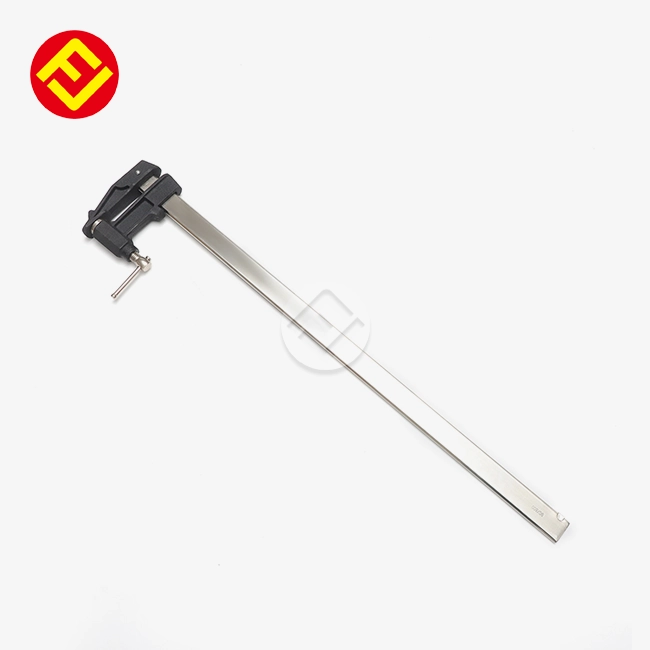
When demanding industrial operations require dependable clamping force and precision control, the T-Clamp/9t-type-clamp">9t-type clamp emerges as a proven solution. Manufactured from premium carbon steel and alloy steel, this heavy-duty tool excels in woodworking assembly, metal fabrication, and construction projects where consistent holding power is critical. The unique T-handle design delivers superior torque application without operator fatigue, while the forged construction ensures structural integrity under continuous heavy loads. With ISO9001 certification and a powder-coated finish for corrosion resistance, these clamps address the core challenges procurement managers face: balancing strength, durability, and operational efficiency in high-stakes environments.

| Specification Model | Maximum Clamping Distance(mm) | Throat Depth(mm) | Total Length(mm) |
| T-Clamp 48" | 1210 | 200 | 1210 |
| T-Clamp 60" | 1520 | 300 | 1520 |
| T-Clamp 72" | 1830 | 300 | 1830 |
Understanding 9t-Type Clamps: Features and Design Specifications
Professionals in the industrial world like how precise engineering tells the difference between standard hardware and specialized clamping tools. The building process starts with carefully choosing the materials, which are usually high-quality carbon steel or alloy steel that has been made under controlled conditions to get the best grain structure. This way of making things makes a tool that can handle repeated stress cycles without metal wear, which is important for businesses that work multiple shifts.
Material Composition and Structural Integrity
Professional-grade clamps are made of alloy steel that has certain amounts of carbon that make it both hard and flexible. This keeps the stiffness needed for accurate tool positioning while stopping brittle failure under shock loads. Forging places the metal's crystalline structure along stress lines, which makes it much stronger than cast options in terms of tensile strength. When parts are machined, they are heated to ease internal pressures. This keeps the dimensions stable for as long as the tool is used.
Ergonomic T-Handle Design Advantages
The thoughtfully designed T-handle configuration is helpful for people who have to handle clamps for long periods of time. The perpendicular grip direction lets the wrist stay in a natural position while tightening, which lowers the risk of repeated strain injuries that are common with screw-type devices. The diameter and length of the handle are designed to give mechanical advantage without requiring too much physical force. This lets the clamping pressure stay the same throughout the workday for a variety of tasks.
Corrosion-Resistant Finishing Systems
Tools used in factories are exposed to water, metal shavings, and chemical residues that damage the surface faster. These clamps have a painted or powder-coated finish that protects them from rust and makes them easy to spot. When compared to liquid paints, powder coating is better at sticking to surfaces and absorbing impacts. When the coating is cured at high temperatures, it forms a chemical link with the base metal. This makes a finish that can handle wear and tear from moving tools and bumping into other machines.
With three different sizes—48 inches (1210 mm), 60 inches (1520 mm), and 72 inches (1830 mm)—these clamps can be used for a wide range of project sizes. The throat depth ranges from 200mm to 300mm, which lets you reach parts of the workpiece inside that regular C-clamps can't. This makes the clamps more useful in a wider range of industrial industries.
Why 9t-Type Clamps Excel in High-Load Lifting and Industrial Fixing?
Professional-grade tools are different from consumer-grade ones because they work better in tough situations. The engineering behind these clamps was done to solve problems that come up in production settings where broken parts cause expensive downtime and safety risks.
Superior Load Distribution Mechanics
The clamping device spreads pressure over a larger surface area than point-contact designs, which keeps the part from warping or getting damaged on the surface, and for 9t-Type Clamp, when securing softwoods to make furniture or placing pre-finished parts during assembly, this is very important, and the mechanical advantage ratio built into the screw thread pitch lets workers get holding forces higher than the strength of their own hands without using hydraulic or gas aids. When securing softwoods to make furniture or placing pre-finished parts during assembly, this is very important. The mechanical advantage ratio built into the screw thread pitch lets workers get holding forces higher than the strength of their own hands without using hydraulic or gas aids.
Stability During Welding and Fabrication
Securing tools for welding processes can be hard for shops that work with metal. When temperatures rise or fall, traditional clamps can move around or become magnetized, which can mess up arc welding processes. Heavy-duty clamps stay in place even when workpieces go through cycles of heating and cooling because they are built to last. The deep mouth depth lets you clamp away from the weld areas, which keeps the work area open and protects the tool from spatter damage.
Repetitive Use Reliability
When working on an assembly line, you need tools that will keep working after thousands of clamping cycles. Precision-machined threads and hardened contact points protect against wear that would make lower-quality options slip or have less gripping power. FLA Industrial uses harmful samples and non-destructive inspection to make sure that each batch meets the required load ratings. This makes sure that procurement managers get tools that keep up performance standards throughout their useful lives.
When construction workers use temporary structural assemblies and formwork, they depend on these clamps because they can be adjusted quickly and hold things securely. Being able to quickly move and secure materials cuts down on the time needed to work on projects that need to be done quickly while still meeting safety standards for load-bearing uses.

How to Select the Right 9t-Type Clamp for Your Industrial Needs?
Systematically comparing application needs to tool specs can help with purchasing choices. Instead of just looking at the initial cost, experienced purchasing managers think about the total cost of ownership, which includes how long the product will last, how much upkeep it will need, and how much it will improve business efficiency.
Evaluating Load Capacity Requirements
To figure out how much clamping force is needed, you have to look at the weight of the workpiece, the properties of the material, and any process forces that could cause it to slip. Because wood has different compression tolerances than steel, the holding pressures needed for woodworking are usually different from those needed for metal fabrication. When safety limits are used, they should take into account dynamic loads like vibrations from cutting or heat movement during welding.
Material Compatibility Considerations
Different types of clamps work best with certain mixtures of materials. When keeping two different materials together, like aluminum and steel, the rate of thermal growth during processing can change the holding pressure. The clamp's touch areas and finish must keep galvanic rusting from happening in wet places without damaging finished goods' decorative surfaces.
Environmental Factor Assessment
The operating setting affects the choice of material and the finish that needs to be used. Facilities that are exposed to chemicals or high humidity can benefit from better corrosion protection than just painting the walls. Tools used in outdoor building are exposed to high and low temperatures and UV light, which can break down cheap materials over time. Knowing about these external factors helps choose the right types of tools that will work reliably for a long time.
Customization options let you meet specific needs that standard catalog items can't, and for 9t-Type Clamp, clients can work with our engineering team to change throat lengths, clamping ranges, or add certain fastening features, and with 2,000 tons of standard Products" target="_blank" style="color:blue" >products in stock and wait times of 7–15 days for custom orders, we can meet both urgent needs and the specific needs of each application without needing huge minimum order amounts. Clients can work with our engineering team to change throat lengths, clamping ranges, or add certain fastening features. With 2,000 tons of standard products in stock and wait times of 7–15 days for custom orders, we can meet both urgent needs and the specific needs of each application without needing huge minimum order amounts.
Installation, Maintenance, and Longevity of 9t-Type Clamps
To keep safety standards and extend the life of tools, it's important to follow the right installation methods and preventative maintenance plans. These practices keep cash assets safe and make sure that the quality of the work is always the same.
Proper Installation Procedures
To get the right setting, you must first find stable mounting places that can handle reaction forces without bowing. To keep the clamp body from side-loading, which weakens the gripping force, it should be lined up straight with the surface of the workpiece. When using more than one clamp on the same assembly, spread them out so that the pressure is even and the piece doesn't warp. Instead of fully securing one clamp before engaging others, the tightening should happen slowly and evenly. This can prevent internal stresses in the assembly.
Routine Maintenance Protocols
Wear signs are found before they cause practical failures by inspecting things on a regular basis. The uniformity of tightening is directly affected by how clean the threads are. Metal dust and resin buildup cause friction differences that cause uneven pressure application. Using the right lubricants on moving parts keeps them running smoothly and stops corrosion at the thread interfaces. But too much oil pulls dirt and other things that don't belong, so it's important to figure out the right application times and amounts.
A visual check should show if the surface finish is wearing off, if the handle or frame has been damaged by impact, and how the threads are doing. If the clamping surfaces or frame geometry change shape, it means the tool has been loaded beyond its limit and needs to be replaced to keep accidents from happening. Keeping inspection records helps with spending by letting you know when tools need to be replaced and giving proof for quality control systems.
Troubleshooting Common Performance Issues
Systematic analysis finds the reasons why clamps don't keep the holding pressure up. Most of the time, thread wear from contamination or incorrect use makes tightening less effective. By looking for burrs or deformation on the contact surfaces, you can tell if the tool has been overloaded. By comparing current performance to baseline measurements from new tools, you can figure out how much degradation there is and make decisions about replacement based on facts rather than opinions.
Service life is greatly increased by following the manufacturer's instructions for maximum rated amounts and the right way to use the product for its purpose. When tools are put through shock loads or side forces that are too strong for their design, they wear out too quickly, which makes them less safe and less reliable in their work.
Trusted Suppliers and Brands of 9t-Type Clamps for B2B Procurement
Building relationships with dependable manufacturers has an effect on the quality of the product, the reliability of delivery, and the support provided after the sale throughout the entire procurement lifecycle, and for 9t-Type Clamp, the factors for evaluation include more than just unit price; they also include total value delivery. The factors for evaluation include more than just unit price; they also include total value delivery.
Manufacturer Qualification Standards
Having ISO9001 approval means that production processes are controlled by structured quality management practices. For this certification, you need to have written processes, regular internal checks, and efforts to keep improving that lower the number of mistakes and make sure that each batch is the same. Manufacturers who have this approval use material traceability systems that make it possible to identify a particular lot if performance problems arise in the field and need to be looked into.
FLA Industrial & Trading Co., Ltd. has been making metal tools for almost 40 years and is an expert in making clamps for woodworking, electrical line tools, and pipe fittings out of malleable iron. We can make more than 1,000 different types of products, and our modern forging and machining technologies help us meet world quality standards. The fact that we work with Fortune Global 500 businesses proves that we can meet strict specifications and high volume needs while still offering reasonable prices.
Sourcing Strategy Considerations
Buying in bulk can save you money by giving you deals for buying more, and it also makes sure that you have enough inventory for ongoing production plans. By comparing minimum order quantities to actual consumption rates, you can keep your capital from getting stuck in too much inventory and keep your production from being interrupted by stock-outs. Reliability in lead time is very important for project-based buying, where the availability of tools needs to match up with building schedules or production ramp-up timelines.
The total landed costs and operating capital needs are based on the payment terms and details of transportation. Different purchasing policies can work with suppliers whose terms are flexible, and clear pricing that doesn't include any hidden fees makes budgeting and cost analysis easier. Our fast response system sends quotes, technical specs, and 3D design files within 24 to 48 hours, which speeds up the buying process for projects that need to be done quickly.
Technical Support and After-Sales Service
Support after the sale is what sets sellers who care about their customers' success apart from transactional providers. Having access to technical experts during the product selection process makes sure that the tools chosen are the right ones for the job, which avoids costly design mistakes. Ongoing technology support helps solve problems with field performance and improves how tools are used to make operations run more smoothly.
As part of our full-process support model, we work with customers from the first design consultation all the way through final delivery confirmation and production tracking. This way of working together builds trust in decisions about procurement and sets the stage for a long-term partnership that can grow and change with operational needs.

Conclusion
Heavy-duty clamping tasks in the construction, metal fabrication, and woodworking industries need tools that are built to last in tough conditions. Professional-grade 9t-Type Clamps work the same way after thousands of uses because they are made of forged metal, have a comfortable design, and are finished to prevent rust. The best results are achieved by choosing the right specifications based on load requirements, material compatibility, and environmental factors. Regular maintenance protects safety and extends service life. Working with skilled makers who offer quality certifications, technical support, and flexible payment terms adds value above and beyond the initial purchase price, promoting operating excellence and lowering long-term costs.
FAQ
What maximum load capacity should I specify for heavy-duty applications?
The weight of the workpiece, the process forces, and the safety margins all play a role in choosing the load capacity. Heavy-duty 9t-Type Clamps can handle a lot of clamping force when they are placed correctly, but the exact numbers depend on the model size. Figure out what the real needs are, taking into account changing loads like those caused by shaking or temperature changes, and then choose tools with ratings that are much higher than those needs to cover any potential risks.
How do these clamps compare to toggle clamps for industrial fixing?
Screw-style heavy-duty 9t-Type Clamps offer better pressure control and keeping force for longer activities, while toggle clamps can be engaged quickly. The threaded system lets you make exact adjustments and keeps the pressure steady without the need for external power sources. This makes them perfect for assembly tasks that need to be clamped down for a long time while adhesive cures or for multi-step fabrication processes.
Can manufacturers customize clamps for specialized requirements?
Reputable makers let you change things like the throat width, the clamping range, and the way the machine is mounted for the 9t-Type Clamp. For custom tooling, engineers are usually consulted to make sure the design is possible. Then, a prototype is made and tested before production runs start.
Partner with FLA Industrial for Your Heavy-Duty Clamping Solutions
FLA Industrial & Trading Co., Ltd. is a trusted 9t-Type Clamp seller that has been making high-quality products for almost 40 years. They offer approved tools that are made to work in tough industrial settings. Our ISO9001-certified production methods make sure that the quality of every order is the same, whether you need ten pieces or a lot of them for a big project. We are your trusted partner in organizational success because we have a large inventory that allows for quick fulfillment and the ability to make products to your specific needs. Email our team at sales@flaindustrial.com to talk about your specific application needs, get technical specs, or get quotes quickly. You can look at our wide range of products at flaindustry.com. We offer quick engineering help and cheap purchasing terms that are made for B2B greatness.
References
1. Industrial Fastening Systems: Engineering Principles and Applications in Modern Manufacturing (2021). Society of Manufacturing Engineers Technical Publication.
2. Metalworking Clamps and Fixtures: Design, Selection, and Optimization Strategies (2020). American Society of Mechanical Engineers Press.
3. Quality Standards for Forged Steel Hand Tools: ISO 9001 Implementation in Hardware Manufacturing (2022). International Organization for Standardization.
4. Ergonomic Design Principles for Manual Industrial Tools: Reducing Operator Fatigue and Injury Risk (2019). National Institute for Occupational Safety and Health.
5. Corrosion Protection Methods for Industrial Hardware: Comparative Analysis of Surface Finishing Systems (2021). NACE International Corrosion Journal.
6. Load Distribution Analysis in Mechanical Clamping Systems for Woodworking and Metal Fabrication (2020). Journal of Manufacturing Science and Engineering.