How Do Rainwater Grates Improve Drainage Efficiency in Commercial Infrastructure?
2026-08-17 15:37:53


When torrential rain hits a commercial parking lot, distribution center, or municipal roadway, effective water management becomes critical to preventing operational disruptions and safety hazards. A properly specified Rainwater Grate acts as the first line of defense in modern stormwater systems, capturing surface runoff and directing it into subsurface drainage networks before flooding can occur. These engineered components don't just sit passively on the pavement—they actively optimize hydraulic flow, filter debris, and withstand enormous mechanical loads while maintaining safe passage for vehicles and pedestrians. Understanding how drainage grates enhance commercial infrastructure efficiency can transform procurement decisions for construction managers, facility engineers, and hardware distributors alike.


Specifications |
|||
| Specification (mm) | Load Capacity | Specification (mm) | Load Capacity |
| 590x480x20 | A15 | 380x500x20 | A15 |
| 590x300x20 | A15 | 350x500x40 | C250 |
| 500x500x40 | C250 | 350x500x30 | B125 |
| 500x500x30 | A15 | 350x500x30 | B125 |
| 450x750x40 | B125 | 320x500x20 | A15 |
| 450x750x30 | A15 | 300x500x40 | C250 |
| 400x600x40 | C250 | 300x500x30 | B125 |
| 400x600x30 | B125 | 300x500x20 | A15 |
| 400x500x40 | C250 | 250x500x30 | B125 |
| 400x500x30 | B125 | 200x400x20 | A15 |
| 394x594x30 | A15 | 340x500x20 | C250 |
| 380x500x40 | B125 | ||
Understanding Rainwater Grates and Their Functional Role
Commercial drainage systems depend on exactly designed entry points that keep water from building up on the surface without putting the structure at risk or making traffic less safe. These special covers do several things at once that have a direct effect on how well operations run.
What Makes Drainage Grates Essential in Commercial Settings?
When water moves from the surface to underground systems, Rainwater Grates are very important parts of the relationship. During storms, these parts catch sheet flow and direct it downward through well-thought-out hole designs. The engineering task is to find the best balance between the highest amount of water that can be taken in, the need to support weight, and the safety of pedestrians. A well-designed drainage cover keeps roads from hydroplaning, gets rid of standing water that harms pavement, and screens out big things that would otherwise get stuck in pipes further downstream. When the right grate is chosen for a commercial building's hydraulic needs, the upkeep costs are measurably lower.
Common Grate Configurations for Different Applications
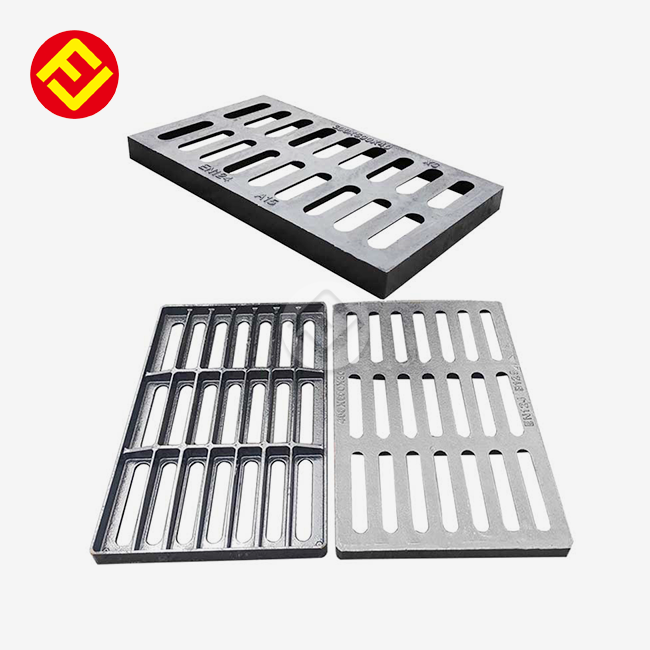
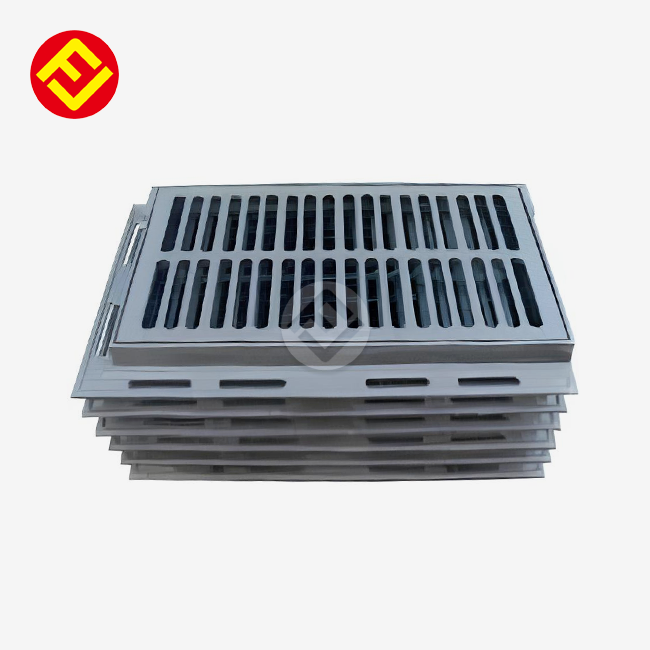
Bar grates have rectangular holes made of metal bars that are either aligned or perpendicular to each other. They are very strong for their weight, making them ideal for areas with a lot of foot traffic. Slot grates have small holes along their lengths that let a lot of water flow through and meet safety standards for heel guards in walking areas. Mesh grates have perforated patterns that work well for lighter-duty tasks where filtering out fine particles is important. Each design has its own performance traits when it comes to how much water it can hold, how strong it is, and how easy it is to maintain. Choosing the right grate geometry depends on how traffic flows, how much flow is expected, and the features of the surrounding landscape.
How Grates Integrate With Underground Infrastructure?
The catch ponds, channel drains, or trench systems that make up the underground collection network are linked to the surface drainage parts. For integration to work right, the grate frame must be precisely sized to fit the nearby sidewalk or concrete structures. This keeps the structures from sinking, rocking, or letting water pass through. The frame-and-grate assembly makes a sealed transition that sends all the collected water to the right drainage path while keeping the weight of the structure steady. Modern setups use sealing systems between the frame and the grate to keep the noise from traffic vibrations out and keep the grate from moving over time. This level of integration directly impacts how reliable the system is in the long run and how often it needs to be maintained.
Key Design and Material Considerations for Commercial Rainwater Grates
When buying sewage parts, procurement teams have to make tough choices because they have to meet building codes, safety rules, and environmental conditions all at the same time. The choice of materials and following the plan are the most important parts of a good installation.
Load Classification Standards and Regulatory Compliance
The international standard EN 124 sets up six load classes, from A15 (which can hold 1.5 tons of weight and is suitable for walking areas) to F900 (which can hold 90 tons of weight and is suitable for airport grounds), and for Rainwater Grate, North American projects use AASHTO M306 standards, which also divide grates into groups based on where they will be installed and how much weight they are supposed to hold, and B125-rated units are used on sidewalks and in light vehicle zones, C250-rated covers are used for installations next to curbs, and D400-rated covers are required on roads that see a lot of truck traffic. North American projects use AASHTO M306 standards, which also divide grates into groups based on where they will be installed and how much weight they are supposed to hold. B125-rated units are used on sidewalks and in light vehicle zones, C250-rated covers are used for installations next to curbs, and D400-rated covers are required on roads that see a lot of truck traffic. If you choose parts that aren't rated properly, they could break early and leave you open to liability. This is why correct load rating is so important during the planning stages of a project. ADA compliance adds another layer by requiring slot lengths of less than 13 mm to keep mobility devices from getting stuck and to address worries about wheelchair usability.
Material Properties: Ductile Iron Versus Alternatives
Ductile iron is widely used in business because it has high tensile strength, doesn't break easily when hit, and is cheap across all load classes. Unlike weak gray cast iron options, this material works better because it has structures made of graphite nodules that stop cracks from spreading. Our ductile iron Rainwater Grates at FLA Industrial & Trading Co., Ltd. are made from Grade 500-7 material, which has a tensile strength of more than 500 MPa and an elongation property of at least 7%. This mix lets designs be thinner and lighter without lowering their load capacity.
Different kinds of materials are used in specific situations where their unique qualities make them worth the extra cost. In chemical processing plants or salty coastal areas, stainless steel (grades 304 or 316) is the best material for protecting against corrosion. Composite polymer grates are safer than ferrous metals because they don't have any scrap metal worth. They are also better at resisting chemicals than ferrous metals. Aluminum is less heavy and doesn't rust, but it usually costs more than ductile iron for the same load values. Each type of material comes with pros and cons that procurement professionals have to weigh against project budgets and performance goals. These cons include the initial cost, the amount of maintenance that needs to be done, and the material's useful life.
Surface Design Innovations Enhancing Safety and Performance
Modern Rainwater Grate surfaces have patterns of different textures that keep their grip when they get wet, which is very important for areas where people walk and loading docks. Most of the time, anti-slip techniques make surfaces 20–30% less slippery than smooth ones while leaving a lot more space for water to flow. Some more advanced designs have bent bar shapes that improve hydraulic efficiency by lowering turbulence at entry points. This makes flow rates go up significantly during storms. The heel-guard changes the narrow slot dimensions to keep shoes from getting stuck while increasing the total slot length to keep drainage at a good level. These changes to the design show how engineering optimization directly leads to commercial installations that are safer and work better.

Optimizing Installation and Maintenance to Maximize Drainage Efficiency
When installation or upkeep methods aren't up to professional standards, even high-quality drainage parts don't work as well as they should. Systematic methods to both phases protect investments in infrastructure.
Site Assessment and Load Classification Determination
A correct site evaluation starts with a traffic pattern study that shows the types of vehicles, how often they happen, and the routes they take across the installation area. Heavy equipment routes in distribution centers need different rules than parking lots for employees. Based on drainage area, rainfall strength data, and time-of-concentration factors, hydraulic formulas figure out how much flow is needed. Soil conditions affect how much frame support is needed and how likely it is that the structure will settle, which has an effect on its long-term performance. Doing detailed tests before buying something keeps you from making expensive mistakes in the specifications that make the system less useful or put safety at risk.
Installation Best Practices for Secure Integration
For the frame to be installed correctly, the base must be stable and support must be provided by crushed gravel or concrete that goes beyond the frame's edges, and for Rainwater Grate, the frame has to be level with the surfaces around it so that water doesn't leak around the edges and there are no tripping hazards, and frames can't move when they're hit by heavy traffic or frozen solid in cold places if they have mechanical support or a concrete shell around them, and fitting the Rainwater Grate and frame perfectly reduces movement that makes noise and speeds up wear. The frame has to be level with the surfaces around it so that water doesn't leak around the edges and there are no tripping hazards. Frames can't move when they're hit by heavy traffic or frozen solid in cold places if they have mechanical support or a concrete shell around them. Fitting the Rainwater Grate and frame perfectly reduces movement that makes noise and speeds up wear. Professional fitters use precise tools to check the levelness and test-fit grates before filling the final surface to make sure they fit in smoothly. These steps have a direct effect on how well the system collects water and keeps its structure stable when it's being used.
Proactive Maintenance Strategies Extending Service Life
Regularly clearing up debris stops the loss of hydraulic capacity that causes flooding on the ground during moderate storms. Inspections every three months find early signs of frame settlement, grate damage, or gasket wear and tear before small problems get worse and cost a lot to fix. Cleaning the catch bowl gets rid of the sediment that has built up over time, which lowers the holding space and lets debris get into the pipes further downstream. Systematic maintenance scheduling based on site conditions—for example, more frequent maintenance near landscaped areas that produce leaf litter—makes the best use of labor resources and keeps the system running at its best. Documenting and keeping track of the past of maintenance helps predict how long parts will last and plan replacement cycles so that you don't have to respond to breakdowns.
Comparative Insights for Selecting the Right Rainwater Grates
It is helpful to compare material choices, performance traits, and total ownership costs across the lifecycles of Products" target="_blank" style="color:blue" >products in an organized way before making a purchase decision.
Material Performance Analysis: Durability and Application Fit
Ductile iron Rainwater Grates work best in industrial settings with a lot of foot traffic because they can handle a lot of weight, last a long time, and are cost-effective. If you choose the right ductile iron unit, it should last between 30 and 50 years in normal city road conditions with little upkeep. These parts can handle being hit by snow plows and big vehicles, which would crack weaker materials. In chemically aggressive environments, bituminous coatings or hot-dip galvanization can help protect against corrosion and extend the useful life of metals. However, stainless steel is the best material for long-term resistance when money allows.
Composite alternatives are only used in certain situations and cost more per unit because of their special properties. Polymer grates are better at protecting against corrosion than covered metals, which is useful for chemical plants that work with acidic substances. High-theft places are safer because composite materials don't have much worth as scrap, which leads to component theft. The lighter weight makes it easier to move things by hand during upkeep tasks, which saves money on labor and lowers the risk of damage. However, composites usually can't match the load capacities of ductile iron in tough heavy-traffic situations, which limits the types of situations in which they can be used.
Cost-Efficiency and Long-Term Value Considerations
The initial buying price is only one part of the real costs of owning an infrastructure over its decades-long lifespan. Because ductile iron lasts a long time, it doesn't need to be replaced as often, and because it's widely available, prices are low and spare parts are easy to find. The maintenance costs are stable because these units can handle small pieces of debris hitting them once in a while without breaking. At first, composite grates may cost two to four times as much, but they stop theft and require less upkeep work because they are lighter. To find the total cost of ownership, you have to add up the costs of installation, the expected lifespan, the frequency of upkeep, and the chance of replacement over reasonable service times. At FLA Industrial, our procurement team helps buyers do these kinds of analyses to find the best specifications for each project.
Sustainability and Environmental Considerations
As foundries use scrap metal as fuel, the amount of recycled content in ductile iron production has grown significantly. This lowers the stored energy compared to processing new materials. When they reach the end of their useful life, metal Rainwater Grates can be recycled completely, keeping materials out of landfills and restoring value. Some composite products now use recycled plastics, which helps reach goals for a circular economy while keeping the strength of the structure. Assessing environmental impact involves looking at things like how much energy is used in production, how far the product has to be shipped, how long it lasts, and how it is thrown away at the end of its useful life. Longer-lasting products are better for the environment because they don't need to be replaced as often, which saves resources.
Leveraging Rainwater Grates to Boost Infrastructure Efficiency and Safety
The choice of strategic drainage components has a direct effect on the prices of running business buildings and public works projects, as well as their safety records and the length of time that the infrastructure lasts, and for Rainwater Grate, selecting the correct load rating, material, and installation method directly impacts maintenance costs, liability exposure, and the service life of the entire drainage system. The choice of strategic drainage components has a direct effect on the prices of running business buildings and public works projects, as well as their safety records and the length of time that the infrastructure lasts.
Addressing Common Drainage Challenges in Commercial Settings
If the drainage holes are too small or not in the right place, water will stay there for a long time, which damages the pavement faster, makes it more likely that someone will slip, and leaves the owner open to liability. When Rainwater Grates get clogged, water flows across traffic areas, making it harder for cars to stay on the road and raising the risk of hydroplaning. When parts that aren't properly classified fail under load, they create sudden dangers and need emergency fixes that stop operations. A lot of sites have trouble with debris building up and needing to be cleaned up by hand all the time, which takes up care time that could be better used elsewhere. To solve these problems, you need engineered solutions that match the hydraulics of the spot with the right parts and easy entry for repair.
Our Rainwater Grate solutions at FLA Industrial & Trading Co., Ltd. directly address these operational pain points with better designs. Our ductile iron caps have carefully calculated open area ratios that let the most water in while also effectively cleaning out debris. The B125, C250, D400, and E600 load rates make sure that the right specifications are met for all types of business traffic, from plazas for pedestrians to routes for big trucks. With over 30 standard size configurations and the ability to make anything to order, we can match products exactly to the needs of the installation without any compromise. Anti-slip treatments on the surface make it safer for people to walk on, and possible locking systems keep things from being stolen in weak spots. When put together, these features make drainage systems that work reliably with little help.
Real-World Performance Validation
A regional storage center in the Midwest was constantly flooded near the loading docks during storms, which slowed down transports and damaged goods. The hydraulic analysis showed that the Rainwater Grates were too small and couldn't handle the large roof drainage area. Upgrading to D400-rated ductile iron units with 40% more open area got rid of all water and kept heavy truck traffic going. After that, the plant had no more transport delays caused by bad weather for three years, and it stopped having to do expensive emergency pumping during big storms.
Municipal road projects demonstrate similar performance gains are seen in municipal road projects when the right specifications are used to replace old, inadequate parts. Highway departments say that installing properly rated drainage covers with better hydraulic efficiency has cut down on maintenance calls and made roads safer for drivers. These recorded results show that choosing high-quality parts has a direct effect on lowering running costs.
Emerging Trends in Advanced Drainage Technology
Smart sewage systems with sensors can see how much water is flowing and find blockages right away. This lets maintenance be planned ahead of time, which stops problems before they happen. Instead of depending on set schedules that waste time and money or miss important needs, connected systems let building managers know when cleaning needs to be done. As we learn more about materials, we can keep making composites that are stronger than metal while still being resistant to chemicals and lighter. Sustainable urban drainage ideas combine permeable surfaces with planned runoff collection, which calls for specific Rainwater Grate designs that work with bioretention features and water quality treatment goals. Keeping up with these changes helps procurement teams make sure that building investments will still be useful in the future, even as environmental and legal standards change.

Conclusion
For business infrastructure to have effective stormwater management, the drainage entry points must be properly defined so that runoff can be collected efficiently while still meeting working needs. The choice of material, the accuracy of the load rating, the optimization of the hydraulics, and the quality of the installation all affect whether these important parts improve facility performance or make it more difficult to keep up with maintenance. Ductile iron Rainwater Grates have been shown to last and be cost-effective in most industrial settings. Other, more specialized options are available for specific needs where their unique qualities make them worth the extra money. Systematic site inspection, professional construction methods, and preventative maintenance schedules extend the life of components and safeguard infrastructure investments. As cities get more crowded and weather patterns make rainstorms stronger, choosing the right drainage parts becomes more important for keeping operations going and keeping people safe.
FAQ
How do I determine the correct load rating for a specific installation location?
There are set rules for how to classify loads based on where they are installed and how much traffic they will be exposed to. In areas only for pedestrians, the ratings must be A15 or B125, while on sidewalks next to roads, they must be at least B125. C250 includes curb zones and places where vehicles cross the road sometimes. D400 is now required for roads, parking garages, and any other place where normal vehicles, like delivery trucks, pass. Forklifts and other heavy machinery may need E600 grades in industrial sites. If you want clear instructions, you can look at the EN 124 or AASHTO M306 standards. However, if you want accurate specifications for complicated situations, you should work with experienced manufacturers like FLA Industrial.
What maintenance frequency prevents performance degradation?
Inspection plans depend a lot on the weather around the building and where the debris is coming from. Places close to greenery usually need to be cleaned every three months to get rid of leaf debris and other organic matter. Industrial sites that make process waste may need to be checked on once a month. Monitoring the system's performance after the initial placement sets the baseline requirements. Based on the rates of buildup seen, changes are made to the baseline requirements. Annual structural inspections check the safety of the frame, the state of the grate, and the integrity of the gaskets, no matter how often they are cleaned. When compared to reactive maintenance methods, proactive plans keep emergencies from happening and greatly increase the lives of parts.
Can drainage grates handle chemical runoff safely?
Standard ductile iron with protective coatings can handle most chemicals found in urban waste, such as de-icing salts and car fluids at normal amounts. If an industrial facility works with strong acids, bases, or organic solvents, they should choose stainless steel (304 or 316 grades) or fiber-reinforced polymer composites that are made to resist chemicals. The choice of material is based on the chemical's exposure profile, concentration levels, and length of contact. Chemically aggressive settings can delay breakdown by using material compatibility charts and working with providers who know what they're doing.
Partner With FLA Industrial for Superior Drainage Solutions
Commercial infrastructure projects need parts that can be relied on, as well as manufacturing know-how and quick professional help. FLA Industrial & Trading Co., Ltd. has been making Rainwater Grates for almost forty years and has a lot of experience working with metal. Our CE safety standards and ISO-certified quality control systems make sure that all of our products work the same way. As a well-known company that makes Rainwater Grates and works with Fortune Global 500 companies around the world, we know the problems that North American building contractors, site managers, and hardware distributors have when they need to buy things.
Our expert team provides custom drainage solutions and can provide quotes, check 3D models, and do engineering estimates within 24 to 48 hours. We avoid delays that hurt project schedules by keeping 2,000 tons of standard configurations in stock and being able to make rapid prototypes for unique needs. Our manufacturing skills guarantee a perfect fit and reliable performance, whether your application needs standard B125 pedestrian grates or special D400 heavy-traffic units with strict size requirements. Get in touch with our sales team at sales@flaindustrial.com to talk about your drainage infrastructure needs and find out how our 40 years of experience making high-quality products can help you protect your operational efficiency.
References
1. Brown, S.A., Stein, S.M., & Warner, J.C. (2001). Urban Drainage Design Manual: Hydraulic Engineering Circular No. 22. Federal Highway Administration, U.S. Department of Transportation.
2. Butler, D. & Davies, J.W. (2011). Urban Drainage (Third Edition). London: CRC Press/Taylor & Francis Group.
3. European Committee for Standardization (2015). EN 124-2: Gully Tops and Manhole Tops for Vehicular and Pedestrian Areas - Part 2: Gully Tops. Brussels: CEN.
4. Field, R., Sullivan, D., & Tafuri, A.N. (2004). Management of Combined Sewer Overflows. Boca Raton: CRC Press.
5. Argue, J.R. (2013). WSUD: Basic Procedures for 'Source Control' of Stormwater - A Handbook for Australian Practice. Adelaide: University of South Australia.
6. Woods-Ballard, B., Wilson, S., Udale-Clarke, H., Illman, S., Scott, T., Ashley, R., & Kellagher, R. (2015). The SuDS Manual (C753). London: CIRIA (Construction Industry Research and Information Association).