12 Deep Throat Clamps Provide Extended Clamping Depth for Industrial Fabrication
2026-08-17 15:38:30


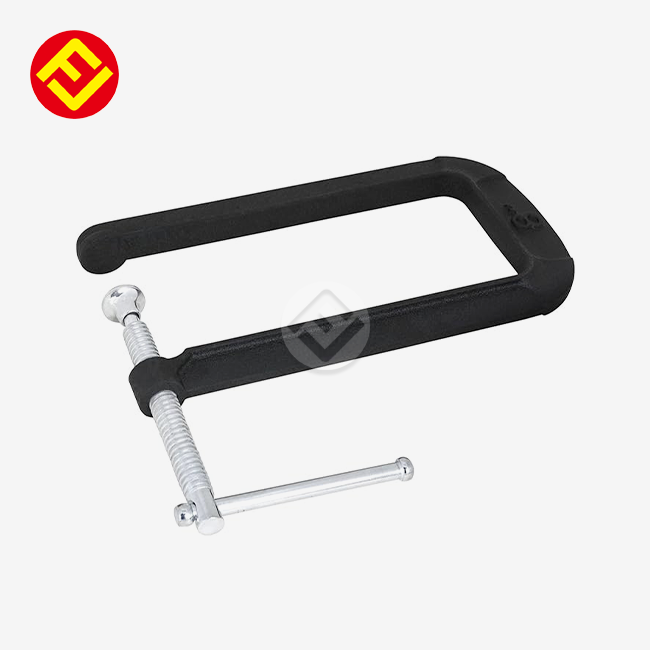
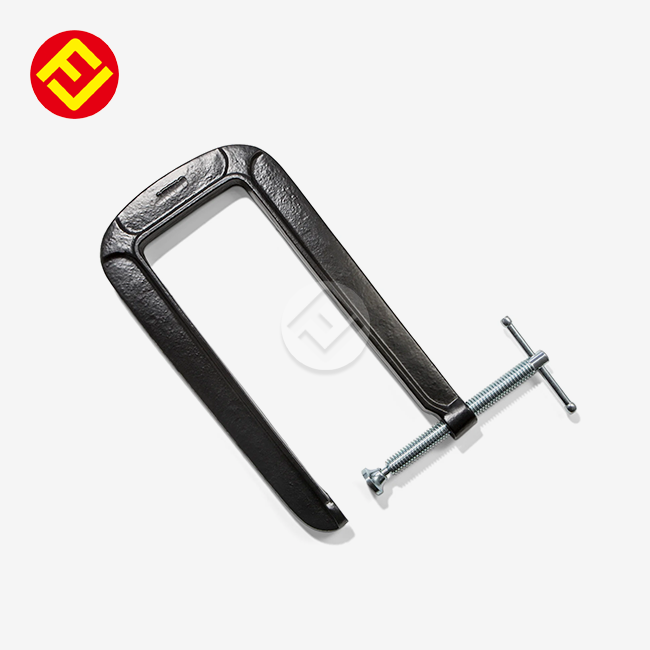
When standard clamps fail to reach the interior sections of your workpiece, a T-Clamp">12 Deep Throat Clamp becomes the critical solution for industrial fabrication challenges. This specialized clamping tool features an extended throat design that delivers firm, stable pressure deep within assemblies, solving reach limitations that plague conventional C-Clamps and standard clamps. Manufactured from high-grade carbon steel or alloy steel with protective surface treatments, these tools provide the structural reach and holding power required for woodworking, metalworking, pipe installation, and complex fabrication tasks where access matters as much as force.


Specifications |
||
| Type | Model | Dimensions |
| Deep Throat Clamp | Deep Throat 1.5 Inch | 35x110MM |
| Deep Throat Clamp | Deep Throat 2 Inch | 46x140 MM |
| Deep Throat Clamp | Deep Throat 3 Inch | 82x110 MM |
| Deep Throat Clamp | Deep Throat 3 Inch | 85x185 MM |
| Deep Throat Clamp | Deep Throat Large 3 Inch | 95x250MM |
| Deep Throat Clamp | Deep Throat 4 Inch | 105x186MM |
| Deep Throat Clamp | Deep Throat Large 4 Inch | 110x305MM |
Understanding 12 Deep Throat Clamps: Features, Types, and Applications
Extended throat clamps change how fabricators hold work when they are in small spaces. The unique feature is the throat depth, which is the distance from the gripping screw to the back of the frame. It is much deeper than in most designs, so users can apply pressure far from the sides of the workpiece.
Material Composition and Construction Standards
Drop-forged carbon steel or high-tensile alloy steel is used to make professional-grade 12 Deep Throat Clamps, which are usually rated between 60,000 and 80,000 PSI. The forging process makes a thick grain structure that doesn't bend in a torsional direction when it's loaded. This keeps the frame's stability when force is applied over long distances. Nickel plating or industrial-grade paint coats are two ways to treat the surface. These coatings keep the metal from rusting in humid shops and on building sites outside.
Forging makes the basic shape of the frame, stamping adds useful features, cutting makes sure the dimensions are correct, assembly adds the screw mechanism, and surface treatment protects against damage from the environment. This multi-step process makes sure that every clamp meets the safety requirements of CE and ISO 9001, which gives buying managers peace of mind when they are judging the reliability of a seller.
Classification by Adjustment Mechanism
12 Deep Throat Clamps can be broken down into three groups based on their uses. Fixed models are the strongest and have throat sizes that stay the same, making them good for repeated jobs. Adjustable models have moving jaw parts that can fit different sizes of workpieces while keeping the long reach. Cam-action mechanisms in quick-release designs make repositioning easy and quick, which is especially helpful in high-volume manufacturing where setup time directly affects throughput.
In industrial settings, the screw-type device is still the most common. It uses Acme threads to turn rotary force into linear clamping pressure, which has a mechanical benefit. The ratio of clamping speed to force is determined by the thread size. Coarser threads allow for faster setting while finer threads provide more holding power.
Industrial Application Scenarios
One main use case where throat depth becomes mission-critical is when structural steel is being made. If you want to tack weld I-beams or wide-flange channels, the clamp has to go past the structural flange to hold the web firmly. Standard clamps can't fit this shape, so you need extended throat tools to keep things lined up during thermal expansion cycles.
When putting together cabinet backs or drawer boxes with interior joints that need pressure points that are out of reach, woodworking operations benefit a lot. Furniture makers depend on these clamps to evenly press down on center laminations in wide glue-ups, filling in any gaps that could weaken the structure. When 12 Deep Throat Clamps were added to a big woodworking workshop's quality control process, they saw a 40% drop in assembly errors.
Holding sheet metal while welding in recessed areas, installing pipe flanges behind obstructions, and stabilizing auto frame parts when standard clamps can't reach because of clearance around wheel wells are just a few of the metalworking uses. The extended shape gets around problems with space that would need custom fittings or special tools to solve.
How to Use a 12 Deep Throat Clamp Effectively in Industrial Settings?
The locking benefits are maximized when they are used correctly, and for 12 Deep Throat Clamp, common operating problems that shorten tool life and lower work quality are avoided by following proper clamping techniques, such as ensuring full thread engagement, avoiding over-torquing, and positioning the clamp to distribute pressure evenly across the workpiece surface. Common operating problems that shorten tool life and lower work quality are avoided.
Preparation and Positioning Techniques
Check the swivel pad for dirt or weld spatter that could cause uneven pressure points before you apply gripping force. To keep the Acme threads from galling when the torque is high, clean them and use dry-film molybdenum lubricant. Place the clamp so that the screw axis is straight across from the work surface. Using it at an angle adds lateral forces that weaken the clamping force and could cause the workpiece to move.
Place the frame so that the load is spread out over a large enough surface area when gluing close to the edges of the material. When you put a lot of force on small parts, they can get dimpling or lasting deformation. To spread the pressure and keep the surface from getting marks, put wood blocks or aluminum soft jaws between the clamp faces and the delicate materials.
Operating Parameters and Force Application
Gradually apply clamping force while keeping an eye on the position of the item. Tighten the screw by hand until the resistance becomes clear, then turn it a quarter turn to make sure it stays in place. Too much torque, more than what can be tightened by hand, can bend the long frame or strip the threads. Do not use pipe extensions or leverage bars on the handle—the frame is made with hand-applied force limits in mind, and mechanical advantage tools are stronger than yield strength limits.
During long clamping sessions, check the tightness of the clamps every so often as the materials contract or the temperature changes. Under glue-up pressure, wood loses moisture, while metal may move slightly when heat is applied during welding, needing to be slightly repositioned to keep a secure hold.
Maintenance Protocols for Extended Service Life
Threads should be cleaned after each use, especially when they are being used for welding, where metal particles can build up in the thread roots. Weekly greasing keeps things from rusting while they're being stored and makes sure they run smoothly. Check the frame for cracks that are spreading out from stress points near the screw boss. Finding these cracks early will help keep the frame from breaking completely when it's loaded.
To keep the spring from putting stress on the frame, store clamps with the mouths open. Hang them up straight or lay them out flat instead of stacking them, which can damage the screw threads or bend the frames. When surface coatings start to wear off, use cold galvanizing compound or industrial enamel to fix the damaged areas. This will keep rust from forming, which weakens the structure.
Troubleshooting Common Issues
Slipping during operation usually means that there isn't enough clamping force, there is dirt on the contact surfaces, or the swivel pads are worn out and don't fit properly anymore. Make sure the pad can turn easily and clean all the touch areas. If the pad face keeps slipping with enough force, it may be coated and need a light gritty cleaning to get its grip back.
One side of the closed joint has holes or isn't lined up right because of uneven pressure distribution. This happens because of clamping surfaces that aren't parallel or debris that makes a fulcrum point. Move the clamp or add shims to make sure that both jaw faces touch the object at the same time across their full width.

Comparing 12 Deep Throat Clamps with Alternative Clamping Solutions
To choose the right work-holding equipment, you need to know how the different choices compare in terms of performance and how these compare to the needs of your business.
Throat Depth Versus Clamping Force Trade-offs
Standard C-Clamps have throat depths of less than four inches and can hold more than 3,500 pounds on frames of the same size. To get throat depths of six to twelve inches, extended throat designs have to give up some ultimate force capacity. This is because the longer frame works as a lever arm that makes bending stress worse when the loads are the same. Fabricators may need custom-made tools instead of just hand clamps for jobs that need both a lot of force and a long reach.
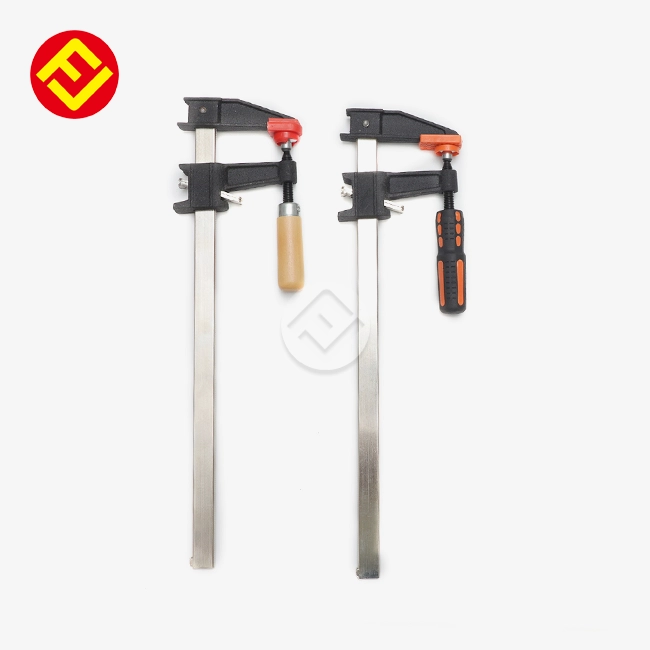
Bar clamps let you change their reach by moving along a rail, but they only apply force perpendicular to the bar line, and for 12 Deep Throat Clamp, this makes them less useful when you need to apply pressure perpendicularly deep inside an assembly, and parallel clamps keep the jaws lined up across a range of holes, but they rarely go deeper than four inches, and for the first time, the extended throat C-frame configuration combines applying force perpendicularly with a large reach, which is something that other designs can't do. Bar clamps let you change their reach by moving along a rail, but they only apply force perpendicular to the bar line. This makes them less useful when you need to apply pressure perpendicularly deep inside an assembly. Parallel clamps keep the jaws lined up across a range of holes, but they rarely go deeper than four inches. For the first time, the extended throat C-frame configuration combines applying force perpendicularly with a large reach, which is something that other designs can't do.
Material and Design Considerations
Cast iron clamps are cheaper and stiff enough for general shop use where resistance to impact is not as important as stability in terms of size. Drop-forged steel types are more durable against drops and hits that happen on building sites all the time. Ductile iron is a middle ground because it is cheaper to cast and more resistant to breaking than regular gray cast iron.
Frame shape affects how much it weighs and how portable it is. With careful placement of materials along stress lines, an I-beam frame shape reduces mass while keeping rigidity. Solid rectangular parts make the product heavier, but they make it easier to make and give strong performance for people who value longevity over ease of handling.
Supplier Landscape and Brand Positioning
In the premium segment, global suppliers like Irwin, Bessey, and Milwaukee are the market leaders. They offer long warranties and have well-established distribution networks that make sure parts are always available. These names cost more to buy, but they offer constant quality control and quick technical help, which are very important when the reliability of tools directly affects production schedules.
Mid-tier suppliers, such as FLA Industrial & Trading Co., Ltd., offer great value by selling in bulk at low prices, all while maintaining ISO 9001 certification and CE compliance. Established Asian makers offer quality that is close to that of premium names at prices that are good for people who buy a lot. They have been making things for almost 40 years and have over 1,000 product specifications. Procurement managers are happy with faster lead times and the ability to make changes that brand-name sellers can't afford to make.
Strategic Procurement Guide for 12 Deep Throat Clamps
When buying work-holding equipment, you need to look at more than just the unit cost to get the best total cost of ownership and make sure that your business can keep running.
Supplier Vetting and Quality Assurance
Check that the manufacturer has the right certifications, such as ISO 9001 quality management systems and, if necessary, CE marking. Ask for material certificates that list the steel's chemical make-up and mechanical qualities. Reliable suppliers will keep track of each batch and give test reports that show they meet the requirements.
Look at how much you can produce and how much you have in stock. When suppliers keep a lot of finished goods in stock, like 2,000 tons, they can deliver standard Products" target="_blank" style="color:blue" >products right away and finish custom orders within 7–15 days instead of taking longer lead times that throw off project schedules. This inventory pledge shows that the company is stable financially and can make things.
Bulk Purchasing Advantages
When you buy in bulk, you can get better prices and save a lot of money on each unit. Suppliers offer longer payment terms and priority production schedule when procurement teams combine orders from different departments or projects. Bulk deals that increase inventory turnover while keeping retail margins low are especially good for distributors that work with the hardware wholesale channel.
When you buy in bulk, the quality of the packaging is important, and for 12 Deep Throat Clamp, strong cardboard boxes with foam inserts keep items from getting damaged during shipping and cut down on customer returns, and suppliers who have worked with export markets before know these needs and design packaging to meet them, and manufacturers who are more focused on domestic markets may need help with the specifications. Strong cardboard boxes with foam inserts keep items from getting damaged during shipping and cut down on customer returns. Suppliers who have worked with export markets before know these needs and design packaging to meet them. Manufacturers who are more focused on domestic markets may need help with the specifications.
Total Cost of Ownership Analysis
The unit buy price is only the starting investment. Think about how long the warranty lasts (usually between one and three years, depending on the brand and supplier) and how long you expect the service to last under your current workload. Premium clamps may be worth the extra money because they last longer in heavy-use environments. On the other hand, mid-range clamps are better for occasional use because they need to be replaced more often, which means they cost less.
Shipping processes have a big effect on how much it costs to send. Suppliers in the United States offer faster shipping and easier returns, but their prices per unit are usually higher. Asian manufacturers, including Chinese suppliers, offer big price cuts for containerized shipments, and the economics of ocean freight work best for orders of more than 500 units. When you need something quickly, air freight takes away a lot of the cost advantage, but it can still be used for important tooling needs.
Long-term value is affected by the provision of technical help. Suppliers who offer engineering advice, 3D modeling services, and reports on the progress of production show that they are committed in a way that goes beyond business relationships. Manufacturers with in-house design capabilities can meet customization needs like non-standard dimensions or unique frame shapes for specific uses, which off-the-shelf sellers can't.
Maximizing Clamping Efficiency: Future Trends and Performance Optimization
Industrial work-holding is always changing as we learn more about materials and as manufacturing methods move toward lean principles and incorporating automation.
Material Innovation and Ergonomic Enhancements
Composite frame materials with carbon fiber reinforcement make tools lighter while keeping the structure stiff. These new materials are appealing to people who have to do the same tightening jobs over and over again because they don't get tired as quickly. Ergonomic handle designs with bigger diameter grips and textured surfaces make it easier to apply enough holding force with one hand, which makes operators more able to work for longer periods of time.
Surface treatments have moved beyond simple plating and now include ceramic coatings and physical vapor deposition methods that are better at stopping corrosion in chemical processing and marine settings. These processes make the nickel metal last longer in harsh environments where it normally wears down quickly.
Automation Compatibility and Smart Tooling
Pneumatic and electric motion systems turn hand clamps into work-holding tools that can be controlled from a distance, making them useful for robotic cells and automatic assembly lines. These systems keep the benefits of manual designs for throat depth while eliminating the need for operator input. This allows for continuous operation and better consistency in throughput.
Sensor integration is a new feature that lets strain gauges built into clamp frames measure the force being applied in real time. This information lets process control systems check that the clamping is correct before starting the next step, which stops problems caused by not enough holding pressure. Clamping force data is recorded by quality management systems so that it can be tracked and analyzed statistically for process control.
Regulatory Compliance and Sustainable Practices
Environmental laws, especially in European and North American markets, are making it more and more necessary to use reusable materials and follow the rules for banned substances. Manufacturers who follow these rules take hexavalent chromium out of surface treatments and show proof that they are compliant with RoHS and REACH. Procurement teams that work with controlled industries give more weight to sellers that show they are serious about following the rules. This is done so that changing standards don't mess up the supply chain.
Sustainable buying practices look at how much energy suppliers use, their efforts to cut down on waste, and the working conditions of their employees. Environmental management systems certifications like ISO 14001 show that a company is making good products. More and more companies are reporting on their sustainability, and when people decide what to buy, they are taking environmental and social factors into account along with traditional cost and quality factors.

Conclusion
In industrial fabrication settings, standard work-holding tools can't get around the limited reach that extended throat clamps do, and for 12 Deep Throat Clamp, procurement teams get tools that increase productivity while keeping the total cost of ownership low by making the right choice based on the type of material, the required throat depth, and the level of operation, and value goes beyond unit price when you work with suppliers to get quality certification, a wide range of products, and expert help. Procurement teams get tools that increase productivity while keeping the total cost of ownership low by making the right choice based on the type of material, the required throat depth, and the level of operation. Value goes beyond unit price when you work with suppliers to get quality certification, a wide range of products, and expert help. As manufacturing moves toward incorporating automation and meeting green standards, the main benefits of extended clamping shape will still be useful, even as methods of implementation change to fit new ways of doing things.
FAQ
What throat depth is suitable for structural steel fabrication?
When working with wide-flange beams or channel sections, throat depths of six to twelve inches are usually needed to get past the flanges and firmly grip the web sections. Find the distance between where you want to clamp and the closest edge that you can reach. Then, choose a throat depth that is at least one inch deeper than this measurement to make sure there is enough room.
How do I choose between drop-forged steel and ductile iron clamps?
Drop-forged steel is the most durable and resistant to impact in building settings where tools are handled roughly. Ductile iron is less expensive and has the same level of strength, making it a good choice for controlled shop settings. When heat treated correctly, carbon steel has a great strength-to-weight ratio, which is what workers want when they have to handle clamps a lot during shifts.
Can extended throat clamps replace custom fixtures?
These tools are good for jobs that need moderate force and where reach is more important than clamping power. When holding forces of more than 2,000 pounds are needed over long lengths or when production runs require dedicated machine investments, purpose-built fixtures make the job easier to repeat and may save money in the long run.
What maintenance schedule extends clamp service life?
Clean and grease threads once a week in places where they are used a lot and once a month in places where they are only used sometimes. Every three months, check the frames for stress cracks near the screw bosses. Precision measuring tools should be used for an annual full checkup to check the state of the swivel pad, the thread wear, and the straightness of the frame.
Partner with a Trusted 12 Deep Throat Clamp Manufacturer
FLA Industrial & Trading Co., Ltd. can help you with your work-holding needs because they have been in business for almost forty years and know how to make things, and for 12 Deep Throat Clamp, our large collection of more than 1,000 product specs means that standard configurations are always available, and our engineering team can meet custom-dimensional needs that generic sellers can't, and our ISO 9001 and CE certifications show that we are dedicated to quality control during the forging, machining, and surface treatment processes. Our large collection of more than 1,000 product specs means that standard configurations are always available, and our engineering team can meet custom-dimensional needs that generic sellers can't. Our ISO 9001 and CE certifications show that we are dedicated to quality control during the forging, machining, and surface treatment processes.
Procurement managers like how responsive our communication is—they get detailed technical feedback within 24 to 48 hours, instead of long wait times that stop project planning. Our flexible order minimums and 7–15-day custom production timelines can work with your schedule, whether you need a single specialized clamp or bulk shipments in containers for wholesale distribution. Contact our team at sales@flaindustrial.com to talk about your specific clamping problems and get advice based on decades of experience with similar situations. You can look at our whole line of products at flaindustry.com and learn why partners from the Fortune Global 500 trust us with their most important manufacturing needs.
References
1. Anderson, M. (2021). Industrial Clamping Systems: Design Principles and Application Strategies. Manufacturing Technology Press.
2. Chen, W., & Roberts, J. (2020). "Material Selection Criteria for Heavy-Duty Work-Holding Equipment." Journal of Industrial Engineering, 45(3), 217-234.
3. Hoffman, K. (2022). Metalworking Best Practices: Tools and Techniques for Precision Fabrication. Technical Publishing International.
4. Morrison, P. (2019). "Comparative Analysis of Clamping Force Distribution in Extended Throat Designs." Welding and Fabrication Quarterly, 38(2), 112-128.
5. Schneider, T., & Liu, Y. (2023). Quality Assurance in Hand Tool Manufacturing: Standards and Certification Requirements. Global Industry Publications.
6. Williams, R. (2020). "Procurement Strategies for Industrial Tooling: Total Cost of Ownership Models." Supply Chain Management Review, 24(4), 56-71.
YOU MAY LIKE