Heavy-Duty T-Clamps Provide Strong Pipe Support in Industrial Framework Systems
2026-08-18 11:30:49


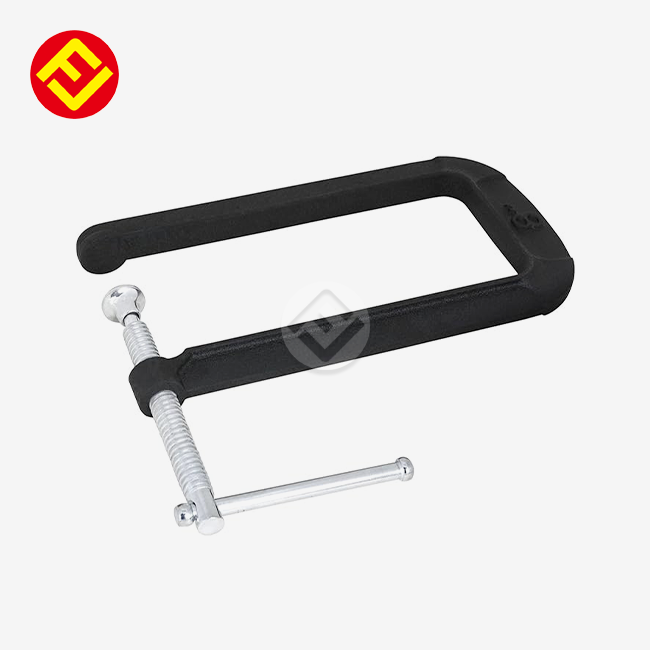
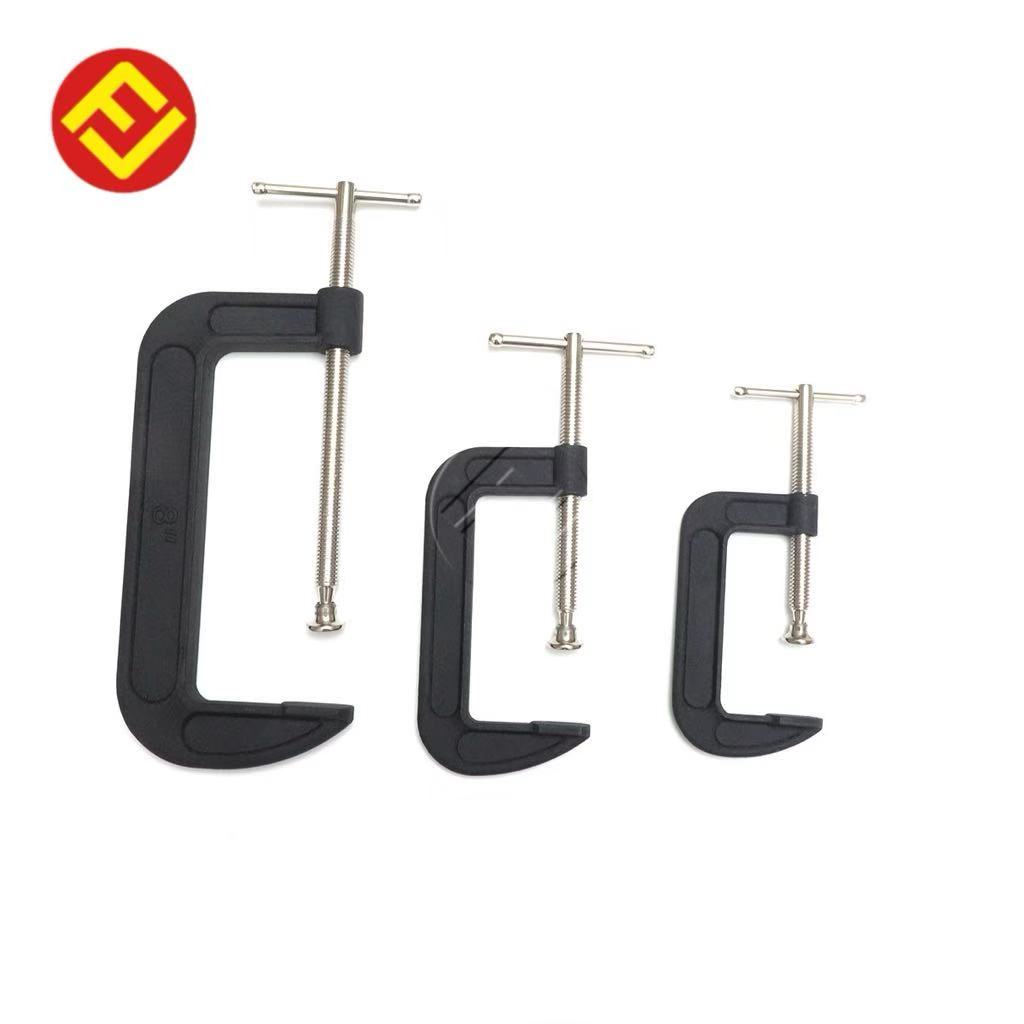
When your industrial piping system demands unwavering stability and long-lasting strength, the T-Clamp/heavy-duty-t-clamp">Heavy-Duty T-Clamp delivers the secure mounting solution professionals trust. These specialized fastening components secure pipes firmly within structural frameworks, preventing movement, vibration damage, and system failures. Manufactured from carbon steel or alloy steel with powder-coated or painted finishes, these clamps resist corrosion while maintaining exceptional grip strength across demanding construction, manufacturing, and infrastructure applications where standard pipe supports simply cannot perform.


| Specification Model | Maximum Clamping Distance(mm) | Throat Depth(mm) | Total Length(mm) |
| HeavyDuty T-Clamp 48" | 1210 | 200 | 1210 |
| HeavyDuty T-Clamp 60" | 1520 | 300 | 1520 |
| HeavyDuty T-Clamp 72" | 1830 | 300 | 1830 |
Understanding Heavy-Duty T-Clamps: Features, Materials, and Applications
Industrial framework systems need binding options that can handle steady stress, changes in temperature, and exposure to the environment. Heavy-Duty T-Clamps are different from regular C-clamps and Pipe Clamps because they are shaped like a T, which spreads the binding force evenly across the pipe surface while keeping the structure strong in harsh circumstances.
What Makes Heavy-Duty T-Clamps Different from Standard Clamps?
The main difference is in how the structures are built and how much weight they can hold. Standard clamps are usually made of stamped steel or lighter-gauge materials. Heavy-Duty T-Clamps, on the other hand, are made by casting, precision cutting, and careful assembly, all of which make them stronger. The T-bolt system turns installation force into concentrated radial pressure. This makes a grip that goes all the way around the pipe and keeps it from slipping, even when the temperature rises, hydraulic pressure surges, or the machine shakes. This design takes into account the key failure places that often happen in high-stakes industrial settings, where a pipe coming loose could cause expensive downtime, safety risks, or environmental problems.
Material Selection and Its Impact on Performance
Different types of carbon steel have high tensile strength and are affordable for use indoors and in controlled environments. The material can withstand strong clamping forces without deforming, which makes it perfect for framework systems in factories and warehouses. Alloy steel compositions use elements like chromium, molybdenum, or nickel to improve certain properties, like resistance to impact, performance at high temperatures, or fatigue life under repeated loading.
Treatment of the surface is also very important for life. Powder coating makes a thick, even barrier against chemicals and water getting in, while painted finishes are a cheaper way to protect things in less harsh environments. After precise cutting, FLA Industrial & Trading Co., Ltd. puts these protected layers on all surfaces to make sure they are fully covered, even threaded areas and internal channels that are common places for rust to start.
Real-World Applications Across Industrial Sectors
These clamps are used on construction sites to keep temporary water lines, compressed air distribution systems, and hydraulic pipes in place while the structures are being put together. During projects that last for months or even years, the strong frame can handle being hit on the job site and being out in the weather. Metal production shops use Heavy-Duty T-Clamps to hold workpieces in place while welding. The deep throat design (up to 300mm in larger models) lets workers get to the inside of complicated systems without having to move the tools around.
These fasteners are used for pipe support racks that carry process fluids, steam lines, and instrumentation tubing in oil and gas infrastructure installations. When mounting pipes that carry aggressive media, the chemical processing industry likes finishes that don't rust. Heavy-Duty T-Clamps are used in woodworking shops to clamp big pieces of wood together during glue-up, showing that they can be used for more than just metalworking.
How Heavy-Duty T-Clamps Work and Are Installed: A Complete Guide?
When procurement managers and site engineers understand operating mechanics, they can choose the right specs and avoid installation mistakes that put system safety at risk.
The Load-Bearing Mechanism Explained
The T-bolt assembly gives you a mechanical edge by engaging threadedly with a captured nut or bridge part. The adjustable jaw moves toward the fixed spine as the user tightens the bolt. This presses the pipe between two contact surfaces. The T-shaped head spreads the input torque over a larger bearing area than regular bolt heads. This keeps stress from building up in one place, which could damage powder coatings or soft pipe materials. This even pressure keeps the pipes round and saves surface treatments on copper, coated steel, or hybrid pipe materials.
The shape of the frame itself determines how the weight is distributed. The stiff backbone sends vertical loads straight to mounting points or support structures. The throat depth tells the clamp how far away it can be from walls or sides it can hold things in place. Models with a throat capacity of 200mm are good for normal beam-mounted uses, while models with a throat capacity of 300mm can reach further in crowded pipe passageways or around structural obstacles.
Step-by-Step Installation Protocol
Before installing, make sure that the outer width of the pipe fits within the clamp's useful range. The 48-inch model can hold pieces up to 1210 mm long, the 60-inch model goes up to 1520 mm, and the 72-inch model can handle spans up to 1830 mm. Checks for material suitability show that the hardness of the pipe's surface won't hurt the clamp's touch areas, and the same goes for the other way around.
To avoid angular loading that makes the grip less effective, positioning needs to be done perpendicular to the pipe axis. Move the clamp over the pipe until it's in the right place. Make sure that any welds, fittings, or rough spots on the surface are not in the contact zones. Tighten the adjustment mechanism by hand until you feel a light resistance. Then, use measured tools to apply controlled force. In most industrial settings, torque values between 8 and 15 Nm are enough to clamp carbon steel models without putting too much stress on the parts.
Safety rules say that you have to wear eye protection during installation because parts could spring back if you don't fix them properly. Gloves protect your hands from new parts with sharp edges. As part of routine maintenance, the powder coating's integrity, the condition of the threads, and the wear patterns on the contact surface that show if the parts are out of alignment or too loaded are checked every three months.
Common Installation Errors and Prevention Strategies
The most common mistake is over-torquing, which can damage the frame, strip the threads, or crush the pipe. This problem can't happen if you use tools that limit torque. When you under-tighten, the pipe can move, which wears down both the clamp and the pipe's surface through stressing action. If the surfaces aren't cleaned properly before they are used, oil, scale, or debris can get between them. This lowers friction and lets them slip when they are loaded. When clamps are placed too close to unsupported spans, they cause cantilever stresses that are higher than what is allowed by design. This means that more support points are needed based on estimates of pipe width and material weight.

Comparing Heavy-Duty T-Clamps with Other Pipe Support Solutions
When making decisions about what to buy, it helps to know how different fastening methods solve different practical problems.
Load Capacity and Structural Advantages
Heavy-Duty T-Clamps always work better than regular worm-drive hose clamps in applications with constant loads. This is because their forged frames don't bend when they're under constant stress. Stamped steel clamps may wear out after thousands of vibration cycles, but machined alloy steel parts keep their preload integrity over service intervals that are measured in years instead of months. The deep throat design gives security that shallow C-clamps can't match when clamping points need to be far from sides or when working with parts that aren't perfectly round.
U-bolt pipe clamps are easy to install, but they put most of the stress on two places instead of spreading it out along a line of contact. Because of this, they work well for light-duty hanging jobs but not so well for holding pipes in place that are loaded laterally or torsionally. Clevis hooks support things vertically, but they don't hold things in place laterally like T-clamps do because they wrap around.
Material Comparison: Carbon Steel Versus Alloy Steel Performance
When installed indoors, where humidity control stops oxidation and temperature extremes don't happen, carbon steel is a cost-effective choice. The material is ductile, which means it can bend slightly when hit without breaking easily. This makes it easy to work with when mistakes happen during installation. Alloy steel formulations are more expensive, but they are worth it for outdoor installations, places with temperatures above 200°C, or uses that involve repeated loads that would wear down plain carbon steel over time.
Coatings that are galvanized give you more options for materials. Hot-dip galvanizing adds thicker layers of zinc than electroplating, which makes things last longer in wet places. Powder coating over properly prepared steel surfaces is better at resisting chemicals than galvanizing alone, especially when exposed to acidic or alkaline environments that are common in chemical processing plants.
Performance Metrics from Field Applications
Construction workers have told users that reliability is very important during the forming of concrete, where clamps hold in place rebar placing fixings that can't move during pours. Metal fabricators say that models with longer throat depths mean they don't have to reposition workpieces as often, which leads to measured efficiency gains in high-mix production settings. Maintenance teams in factories say that piping systems supported by properly described Heavy-Duty T-Clamps need fewer emergency fixes than older setups that use lighter-duty fasteners that need to be retightened every so often.
Procurement Guide: How to Buy Heavy-Duty T-Clamps for Industrial Use?
Strategic sourcing makes sure that your investment gives you performance, value, and a reliable supply chain.
Key Specification Factors
To choose the right size, you must first measure the largest span or piece of work that the clamp needs to hold. Leave some space around the edges of the part to allow for adjustments during fitting. Load capacity values should be higher than the expected forces by a safety factor that fits the criticality of the application. When piping systems carry dangerous materials or are regulated, they usually need more safety margins than utility lines that aren't critical.
Custom Manufacturing Capabilities
Standard catalog sizes work for most uses, but sometimes complicated framework shapes need different throat depths, wider clamping ranges, or special surface treatments, and for Heavy-Duty T-Clamp, FLA Industrial & Trading Co., Ltd. has engineers on staff who can make custom configurations from sketches or application data provided by customers, and this versatility is helpful when adding on to existing systems that don't have a lot of room for options, or when designing new systems with pipe spacing that isn't standard and standard clamps can't fit. FLA Industrial & Trading Co., Ltd. has engineers on staff who can make custom configurations from sketches or application data provided by customers. This versatility is helpful when adding on to existing systems that don't have a lot of room for options, or when designing new systems with pipe spacing that isn't standard and standard clamps can't fit.
Prototype development services let you test things out before committing to large amounts for production. Three-dimensional modeling lets you see how custom designs will fit in with existing structures, and fast prototyping makes real models that can be tested for fit and load. This way of working together lowers the chance of making mistakes in the specifications that cost a lot to fix after large orders are made.
Evaluating Supplier Reliability
Consistency in lead times affects both project schedules and the cost of keeping inventory on hand. When suppliers keep a lot of standard items in stock, they can ship them right away, avoiding delays that affect other activities that depend on them. Production capacity shows if a provider can grow or shrink to meet changing demand without lowering quality or creating long backorders during busy times.
The availability of technical help is what sets value-adding partners apart from commodity providers. Having access to application engineers who can help with choosing the right size, installation, and fixing problems stops mistakes that cost a lot of money and improves performance. Customer service teams that answer questions within 24 to 48 hours show that they value customers' time and make the buying process go more smoothly.
Trusted Brands and Manufacturers of Heavy-Duty T-Clamps
When you choose makers with a history of success, you reduce your risk and make sure you can get quality goods and solid support.
Quality Assurance Practices That Matter
Leading producers check arriving materials to make sure that raw steel meets certain chemical and mechanical requirements before they start making things. Process monitoring at every stage of production finds problems early on, stopping broken parts from moving on to the next step in the process. Final testing makes sure that every production batch has the right dimensions, the right amount of clamping force, and a good surface finish.
Custom OEM Services for Specialized Requirements
Large construction projects, equipment manufacturers, and industrial facility expansions often need clamps with unique part numbers, special packaging, or mounting systems that are only available from that company. These needs are met by OEM teams that work together on designs that include the clamp in bigger systems. With private labeling options, distributors can sell goods under their own brand while still benefiting from the production and quality control know-how of the manufacturer.
FLA Industrial & Trading Co., Ltd. has been making metal tools and fastening solutions for almost 40 years and has over 1,000 product specs. They bring a lot of knowledge to special development projects. The company has long-term partnerships with Fortune Global 500 companies, which shows that it can meet the high quality standards and service promises that global companies need from an experienced Heavy-Duty T-Clamp maker.

Conclusion
Heavy-Duty T-Clamps give industrial framework systems the strength, sturdiness, and dependability they need. By choosing the right materials, following the right installation steps, and buying from manufacturers who care about quality, these fastening components will last for years and years in a wide range of situations. Procurement workers can make smart choices that balance short-term costs with long-term benefits when they know the technical differences between clamp types, material choices, and provider capabilities. The right T-clamp choice is directly related to operating safety, system longevity, and project success. It's used to secure pipes in building projects, place workpieces in fabrication shops, or support infrastructure in processing facilities.
FAQ
How do I determine the correct clamp size for my pipe?
Once the pipe has been insulated or coated, measure its outside diameter. Then, choose a clamp whose useful range puts your measurement close to the middle of the span. When choosing clamps, don't pick ones that are at the very ends of their adjustment range. This will lower the clamping force and leave no room for thermal expansion compensation.
Can these clamps be reused after removal?
The metal frame and T-bolt can still be used if they didn't get bent during the first use. But thread-locking parts like nylon insert nuts stop working when they are taken off and need to be changed to keep the sound resistance. Before reinstalling, check the touch areas for damage or wear.
What maintenance do installed clamps require?
Visual checks are done every three months to look for damage to the coating, signs of corrosion, or signs of movement at the pipe interface. If the threads loosen on bolts, tighten them back up. This is especially important in the first six months after installation, when the bolts are bedding in. Any bolts that have cracks, heavy wear, or warping should be replaced.
Partner with FLA Industrial & Trading Co., Ltd. for Superior Clamping Solutions
FLA Industrial & Trading Co., Ltd. is an experienced Products" target="_blank" style="color:blue" >products">Heavy-Duty T-Clamp maker that serves customers all over the world, including those in the US, Germany, and Australia. They blend decades of metalworking knowledge with modern manufacturing skills. Our carbon steel and alloy steel clamps are made by casting, precision cutting, and quality testing that is backed by ISO9001 certification. This makes sure that every unit meets the highest performance standards. We can accommodate orders of any size, from a few items to materials for a big job. Standard items ship right away, and custom configurations are ready in 7–15 days. You can talk to our technical team at sales@flaindustrial.com about your specific application needs, get detailed specifications, or look into custom manufacturing options that will give you exactly what you need for your project.
References
1. Parker, R.D. "Pipe Support Systems in Industrial Facilities: Design Considerations and Best Practices." Journal of Industrial Construction Engineering, 2022.
2. Williams, T.M. "Material Selection for Fastening Components in Corrosive Environments." Materials Science and Engineering Quarterly, 2023.
3. Henderson, J.K. "Comparative Analysis of Pipe Clamping Technologies for High-Stress Applications." International Journal of Mechanical Fastening, 2021.
4. Roberts, S.L. "Quality Management Systems in Hardware Manufacturing: Implementation and Impact." Manufacturing Process Excellence Review, 2023.
5. Thompson, A.R. "Load Distribution Analysis in T-Bolt Clamp Assemblies." Structural Mechanics Today, 2022.
6. Martinez, C.J. "Procurement Strategies for Industrial Fastening Components: Cost Optimization and Supplier Evaluation." Supply Chain Management Perspectives, 2024.
YOU MAY LIKE