Heavy Pipe Wrenches Deliver Strong Grip for Industrial Pipeline Maintenance
2026-08-18 11:31:11


When it comes to demanding industrial pipeline maintenance, the right tool makes all the difference. Heavy pipe wrenches stand out as essential equipment that provides the robust gripping power required for turning and securing large-diameter pipes under high-torque conditions. These specialized tools combine forged alloy steel jaws with ductile iron handles, creating a self-tightening mechanism that bites deeper as force increases. This design prevents slippage on corroded, oil-coated, or rounded pipe surfaces—problems that plague conventional adjustable wrenches. Trusted across plumbing, oil and gas, municipal infrastructure, and industrial maintenance sectors, these wrenches ensure that professionals can complete critical pipeline work safely and efficiently without tool failure.


Specification |
||||
| Model | Total Length | Total Width | Maximum Opening | Product Weight |
| European Heavy Duty 10" | 24.5cm | 6.5cm | 5.5cm | 0.68kg |
| European Heavy Duty 12" | 27.5cm | 7.5cm | 6.5cm | 0.97kg |
| European Heavy Duty 14" | 31.5cm | 8.0cm | 8.7cm | 1.28kg |
| European Heavy Duty 18" | 40cm | 9.0cm | 9.5cm | 1.89kg |
| European Heavy Duty 24" | 51cm | 10cm | 11.0cm | 3.00kg |
Understanding Heavy Pipe Wrenches and Their Industrial Applications
What Makes Heavy Pipe Wrenches Different?
The defining feature of Heavy Pipe Wrenches unique. In contrast to regular wrenches, this one's design makes a wedging action where more pressure on the handle automatically tightens the jaw grip. The teeth are made from chromium-molybdenum or chromium-vanadium alloy steel and are sharpened. They bite into pipe surfaces very hard. This principle solves a basic problem: how to keep a firm grip on work surfaces that are often worn down, corroded, or covered in lubricants that make other tools slip.
The steps used in manufacturing are very important. Differential induction hardening makes good wrenches so that the jaw teeth reach HRC 55–60, which makes them resistant to wear, while the shank stays tough so that it doesn't break easily. Because the I-beam handle design maximizes strength-to-weight ratios, these tools can handle force loads that would break less durable tools. Heat treatment methods turn raw materials into tools that can be used in factories and last for years of hard work.
Core Industrial Applications That Demand Reliable Performance
One of the toughest places for pipe wrenches to work is in oil and gas drilling operations. These tools are used on the floors of drilling rigs to connect and disconnect drill pipes and flow lines. They can handle being exposed to drilling mud and high torque loads. When dealing with threaded links that have been through temperature and pressure changes, the deep serrated teeth are very important. During valve operations and equipment setups in refineries and processing plants, where downtime costs a lot, maintenance teams depend on these wrenches.
Another important area of use is municipal water and garbage control systems. Maintenance crews often fix cast iron and galvanized supply lines with a big diameter that have been hidden for decades. As a result of corrosion, pipe surfaces become too rough for regular tools to grip. This is why Heavy Pipe Wrenches are so important. These tools help teams take care of the infrastructure that keeps towns running, like sewage treatment plants and water distribution networks.
A third big area of use is heavy machinery and hydraulic repair in mining and excavation equipment. These tools are used by technicians to work on high-pressure hydraulic cylinders and piston rods in tight areas. Because of high-pressure operation and changing temperatures, parts often seize up, which can only be fixed with professional-grade pipe wrenches that have the best grip and leverage. For safe line connections, these tools are also needed for construction jobs that include installing HVAC systems, fire suppression systems, and mechanical room assemblies.
How to Choose the Right Heavy Pipe Wrench for Your Industrial Project?
Matching Tool Specifications to Operational Requirements
Before you can choose the right tools, you need to know the range of pipe diameters that will work for your activities. Size of a wrench refers to the length of the handle, not the opening of the mouth, but these two measures are directly related. An 18-inch wrench can usually handle pipes up to 2 inches in diameter. A 24-inch wrench can handle pipes up to 3 inches in diameter, and a 36-inch wrench can handle bigger commercial pipes. Frequency of use is also important. For ongoing industry uses, ductile iron construction is best, while aluminum alloy models are better for occasional use where weight savings justify a higher investment.
When processes last for a long time, ergonomics can affect how productive workers are, and for Heavy Pipe Wrench, handle designs that don't slip and have contoured grips make it easier on the hands during long repair processes, and control is affected by how the weight is distributed between the handle and jaw assembly when working above or in small spaces, and professionals who work in chemical plants or the ocean need coatings that don't rust and make tools last longer even in harsh conditions. Handle designs that don't slip and have contoured grips make it easier on the hands during long repair processes. Control is affected by how the weight is distributed between the handle and jaw assembly when working above or in small spaces. Professionals who work in chemical plants or the ocean need coatings that don't rust and make tools last longer even in harsh conditions.
Comparing Leading Manufacturers and Certification Standards
Manufacturers with a good reputation follow strict quality standards that make sure the Products" target="_blank" style="color:blue" >products always work. Tools that meet the standards for proof torque load testing and hardness consistency verification are made sure to meet US Federal Specification GGG-W-65IE, ASME B107.100, and DIN 5234. These certifications show that the tool's performance has been tested under certain stress conditions. This lowers the chance that it will break down unexpectedly during important operations.
Material composition varies from good manufacturer to good manufacturer. Some use solid cast iron to make them last as long as possible, while others use industrial-grade aluminum alloys to make them lighter without losing strength. The materials used for the jaws are also different. More expensive types have drop-forged chromium-molybdenum alloy jaws that last longer than normal carbon steel jaws. FLA Industrial & Trading Co., Ltd. makes professional-grade wrenches with cast alloy steel teeth and ductile iron grips. These wrenches are strong and light enough to be used for long periods of time in the field.
Bulk Procurement Strategies for Distributors and Contractors
When building their inventory, hardware distributors and tool wholesalers can do better if they know about SKU diversity. Offering a range of sizes, from small 14-inch models to heavy-duty 48-inch models, meets the needs of a wide range of customers. Packaging quality affects how products look in stores and how safe they are during shipping, so it is an important factor in choosing a seller, along with reasonable pricing.
Project engineers and construction contractors who are planning long-term installations should look at price and delivery dates for large orders. Reliable sellers keep enough stock on hand to meet project deadlines without any delays. Custom solutions could include jaws with different shapes for different types of pipe or longer handles for tasks that need more force. These changes make operations more efficient in specialized manufacturing settings where regular tools don't work well.

Using Heavy Pipe Wrenches Safely and Effectively
Common Mistakes That Compromise Safety and Performance
Positioning mistakes happen a lot and make things less effective and more likely to hurt someone. The wrench should be put in a way that the pulling force lines up with the direction of the handle. It should not be at an angle that makes leverage less effective. Before applying force, the jaw should touch the pipe with its teeth properly engaged. Applying torque too soon can cause the jaw to slip, which can damage both the pipe sides and the tool teeth.
Adding "cheater bars" or pipe extensions to handles makes them weaker than they should be and causes them to fail in dangerous ways. Manufacturers design handles to hold a certain amount of weight. If you exceed these limits, the handles or jaw pins could bend or break, which could cause a sudden release that hurts the operator. When more power is needed, it is better to use a bigger wrench instead of making the handle longer than it needs to be.
Essential Maintenance Practices That Extend Tool Lifespan
Wear is found before it hurts performance by inspecting things on a regular basis. Serrated teeth should keep their sharp, well-defined edges. Teeth that are softened or smooth show that you need a new jaw. Hairline cracks near the jaw joint are a sign of fatigue that needs to be fixed right away to avoid a catastrophic failure during operation. The hook jaw should move slightly but steadily. If it wobbles too much to the side, it means the pivot pins are worn out or the frame is stretched and needs to be fixed.
Cleaning after each use gets rid of dirt and dust that speed up wear. Hook and heel jaws have self-cleaning threads that keep debris from building up and blocking the adjustment mechanisms. Putting light machine oil on the hinge points keeps the jaws moving smoothly and stops rust. Keeping metal parts stored in dry places away from direct ground contact stops the damage caused by water that breaks down metal over time.
When teeth become too flat to hold something securely or when key parts start to crack, it is cheaper to replace the whole tool than to risk it breaking during use, and for Heavy Pipe Wrench, quality manufacturers make replacement jaw assemblies that fix tools and cost a small fraction of what a new tool would, and this makes durable handle assemblies last longer. Quality manufacturers make replacement jaw assemblies that fix tools and cost a small fraction of what a new tool would. This makes durable handle assemblies last longer.
Safety Protocols for Industrial Environments
Personal safety equipment is an important part of using a wrench safely. Safety glasses protect your eyes from metal pieces that can come away from rusted pipe surfaces. Heavy-duty work gloves protect your hands while still letting you use your grip ability to precisely place tools. Steel-toed boots protect your feet in case heavy wrenches slip while you're setting up or positioning them.
When you use your body correctly, you can avoid strain injuries during high-torque tasks. To keep their balance if the tool quickly stops moving, operators should keep their feet steady and spread their weight evenly across their feet. They should also pull instead of pushing whenever possible. When you work at the right height, you avoid bad postures that make you more likely to get tired or hurt. When it's necessary to work above others, lanyards keep tools from falling and hurting people below.
Heavy Pipe Wrenches vs Alternative Solutions: Market Comparison and Selection Rationale
Why Standard Alternatives Fall Short in Industrial Applications?
Heavy Pipe Wrenches have a wedge action that tightens itself, but adjustable pipe wrenches with parallel jaws don't have that. When working with rusted or oil-coated surfaces, where grip security is key to success, this limitation becomes very important. The parallel jaw design spreads force over a smaller contact area, which makes it more likely that the tool will slip under high torque loads that are typical in industrial repair.
Basin wrenches are useful for certain plumbing tasks in tight areas, but they aren't built to handle heavy industrial pipes with large diameters. Their long reach is helpful for installing fixtures in homes, but it doesn't give them the gripping power needed to free up connections that are stuck in factories or public buildings. Monkey wrenches have jaws that can be adjusted to fit different bolt sizes, but they don't have the serrated teeth and self-tightening system that are needed for grabbing pipes.
Performance Data Supporting Professional Tool Selection
Industrial maintenance workers always say that heavy-duty equipment that is properly spec'd gives better results. The self-tightening jaw system makes it easier on the operator because it needs less constant grip pressure than other types. Precision-machined teeth keep their grip on work surfaces even when the surfaces aren't smooth, which isn't possible with smooth-jaw options. Thermal treatment methods make sure that the jaw's hardness can handle repeated high-stress situations without causing tooth distortion that makes the treatment less effective over time.
The working efficiency is directly affected by how robust the materials are. Ductile iron grips don't bend when loads permanently damage other materials. However, forged alloy steel jaws don't break when they're hit or stressed in cycles that would normally break cast parts. Because of these performance traits, tools need to be replaced less often, and there is less chance that equipment will break down during important maintenance tasks.
Selection Criteria for Procurement Professionals
Documentation for material approval makes sure that tools meet certain mechanical standards. For important parts, purchasing managers should ask for mill certificates that confirm the alloy composition and heat treatment parameters. This paperwork gives you peace of mind that the tools you buy will always work right under certain conditions, and that they won't break down early because the materials aren't up to par.
Warranty terms show how confident the maker is in the product's longevity. Full coverage against flaws in materials and work shows that the products were made with care and that quality control was very strict. The name of a supplier in the industrial tool sector tells you a lot about their after-sales support, availability of replacement parts, and professional help that is useful for setting up new equipment and running the business afterward.
Whether a single seller can meet different business needs depends on how different the sizes of the products in the same line are. Distributors benefit when vendors offer a wide range of sizes that can meet the needs of different types of customers through a single purchasing relationship. Trustworthiness in a brand grows when quality stays the same across generations of products and when customer service responds quickly and professionally to problems.
Procurement Insights for Bulk and Custom Orders: Getting the Best Value
Evaluating Supplier Capabilities and Authenticity
Official dealer networks make sure that the products they sell are real and that the warranties cover everything, and for Heavy Pipe Wrench, when you buy through authorized outlets, you avoid getting fake tools that aren't safe or work well, and suppliers you can trust will give you paperwork that shows where the goods came from and that they meet quality standards and licensing requirements. When you buy through authorized outlets, you avoid getting fake tools that aren't safe or work well. Suppliers you can trust will give you paperwork that shows where the goods came from and that they meet quality standards and licensing requirements.
Customization options depend on how well a product can be made. When suppliers run their own factories, they can change the shape of the jaws, the length of the handles, and the surface processes to fit the needs of specific applications. This freedom comes in handy when standard catalog things don't solve specific operating problems for you. Support from engineers during the design process makes sure that unique solutions meet performance needs without adding flaws that make them less reliable.
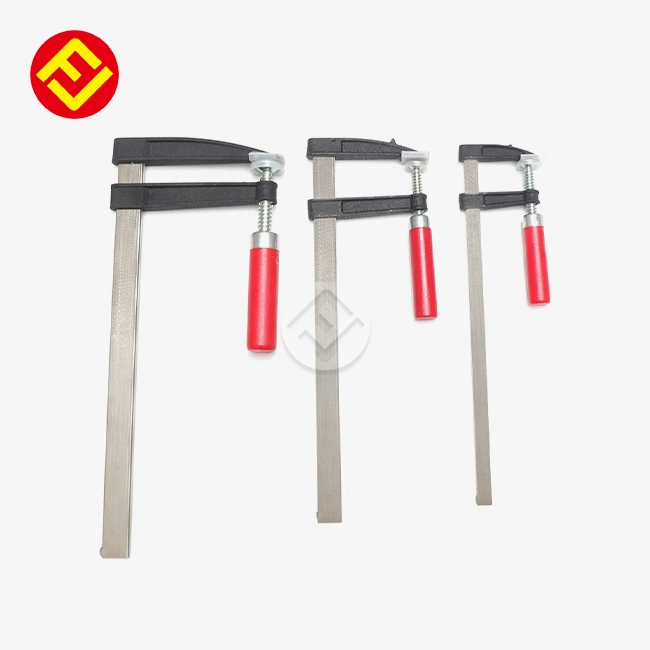
The FLA Industrial & Trading Co., Ltd. has been making metal tools, Woodworking Clamps, electrical line tools, and flexible iron pipe fittings for almost forty years. This wide range of experience helps me fully grasp the needs of businesses in many different areas. The company has more than 1,000 product specifications, which shows that it has the range to meet the needs of a wide range of customers through a single supplier relationship.
Optimizing Costs Through Strategic Purchasing
When you buy a lot of something, the price per unit goes down. This helps distributors make more money and lowers project costs for contractors. By knowing the "break points"—the points at which more of a product qualifies for better pricing—procurement professionals can find the best order sizes based on inventory costs and cash flow.
Shipping rules have a big effect on the total cost of an acquisition. When compared to suppliers who charge separately for transportation, those who take on freight charges on orders that go over minimum limits lower actual per-unit costs. Lead times must be planned around project plans and when supplies needs to be restocked. When suppliers keep enough stock on hand, they can use just-in-time shipping methods that cut down on storage costs. On the other hand, when suppliers need to plan ahead for longer production runs, they need more working capital.
Quality management systems that are certified to ISO9001 standards make sure that the same steps are used in every production run. This certification shows that the company uses organized methods for quality control, checking materials, and ongoing improvement that lower the number of defects and warranty claims. CE marking shows that a product meets European safety, health, and environmental protection standards. This helps wholesalers who serve customers in other countries find more sales opportunities.
Practical Steps for Efficient Inquiry and Ordering
The first contact should make it clear if standard items are in stock and how long it will take to get custom configurations. Professionals in procurement should know the minimum order numbers needed to get the best prices, as well as whether mixed-size orders are taken into account when figuring out volume or need to be looked at separately. To make sure they meet operational needs, technical specifications like material certifications, dimensional tolerances, and performance standards should be checked.
When standard products don't fully meet application needs, customization options should be talked about in more depth. Suppliers who have their own engineering teams can help with 3D models and making prototypes, which are great ways to make sure ideas work before committing to full production. This way of working together lowers the risk of investing in unique tools and makes sure that the finished goods work as needed.
Support options after the sale affect the item's value over time, beyond the original purchase price. When problems happen during tool deployment or ongoing operations, suppliers who offer technical support, replacement parts, and quick customer service can keep things running smoothly. This support system is especially helpful for contractors handling long project timelines and distributors building long-term ties with customers.

Conclusion
For industry pipeline repair in the plumbing, oil and gas, city infrastructure, and heavy machinery industries, Heavy Pipe Wrenches continue to be essential tools. They have strong construction and jaws that tighten themselves, which gives you a secure grip that you need to turn large pipes in tough situations where other tools fail. To choose the right equipment, you need to know what the job calls for, compare the skills of different manufacturers, and follow the right repair procedures to make the tools last as long as possible. Those who work in procurement should build relationships with reputable suppliers that offer a wide range of products, the ability to customize them, and quick support services that can meet both short-term and long-term operational needs.
FAQ
What size wrench should I specify for different pipe diameters?
The size of a wrench is based on its handle length rather than its jaw opening dimensions. A 14-inch wrench can usually handle pipes up to 1.5 inches in diameter. An 18-inch wrench can handle pipes up to 2 inches in diameter, a 24-inch wrench can handle pipes up to 3 inches in diameter, and a 36-inch wrench can handle pipes up to 4 inches in diameter. For specialized uses with bigger equipment, 48-inch models may be needed. When you choose a size bigger than the normal pipe diameter for your activities, you have more power for connections that are stuck or corroded and need more torque.
How often should wrenches undergo maintenance inspection?
Every day, before use, a visual check finds obvious damage that needs immediate attention. When used regularly, full maintenance checks should be done once a month to look at the condition of the jaw teeth, the wear on the pivot pins, and the strength of the handle. More regular review is helpful for operations that take place in corrosive settings or that are used heavily all the time. After any odd stress event, like dropping the tool, using too much force, or having it slip during operations, it needs to be inspected right away.
Can wrenches be customized for specialized industrial applications?
Manufacturers who do their own planning and production can change standard designs to fit the needs of specific operations. Customization options include different jaw shapes for non-standard pipe materials, longer handle lengths for tasks that need more leverage, and different surface treatments for environments that corrode. Changes to the material's composition may be needed to deal with extreme temperatures or specific strength needs that go beyond what is listed in the catalog. Talking about the specifics of the application with experienced providers helps you find changes that can be made to improve performance without affecting the safety or structural integrity of the product.
Partner with FLA Industrial & Trading Co., Ltd. for Your Heavy Pipe Wrench Needs
FLA Industrial & Trading Co., Ltd. has a wide range of products that can help businesses that need professional-grade pipe wrenches that are made to last a long time and grip pipes securely. We have been making high-quality tools for almost 40 years, so we know exactly what the metal, woodworking, electrical, and plumbing industries need. We keep track of more than 1,000 product specs that are backed by ISO9001 and CE certifications. This makes sure that the quality always meets international standards.
Our Heavy Pipe Wrench supplier can do more than just sell standard catalog items. They can also make custom configurations for specific uses. In-house engineering checks 3D designs, makes molds for special needs, and keeps you up to date on production as your order is being filled. Bulk pricing structures help distributors keep their profit margins competitive while also meeting the budget needs of contractors in charge of big projects. After-sales service provides ongoing technical help to make sure that your team gets the most out of the tools' performance and durability.
When you need a Heavy Pipe Wrench, work with FLA Industrial & Trading Co., Ltd. has a wide range of products that can help businesses that need professional-grade pipe wrenches that are made to last a long time and grip pipes securely.
You can email our team at sales@flaindustrial.com or go to flaindustry.com to talk about your specific needs, get detailed quotes, and find out how our experience can help your industrial pipeline repair operations with reliable, long-lasting tooling solutions.
References
1. American Society of Mechanical Engineers. (2019). ASME B107.100: Hand Tools - Wrenches - Specification for Performance and Test Methods. New York: ASME Press.
2. Henderson, R. M. (2021). Industrial Hand Tools: Selection, Maintenance, and Safety Protocols. Chicago: Professional Engineering Publishing.
3. National Institute for Occupational Safety and Health. (2020). Manual Tool Safety Guidelines for Industrial Applications. Cincinnati: NIOSH Publications.
4. Parker, J. D., & Williams, K. T. (2022). Pipeline Maintenance Equipment: Engineering Principles and Practical Applications. Boston: Industrial Press.
5. Society for Maintenance and Reliability Professionals. (2023). Best Practices in Tool Selection for Industrial Maintenance Operations. Orlando: SMRP Educational Resources.
6. Thompson, A. L. (2020). Metallurgy of Industrial Hand Tools: Materials, Heat Treatment, and Performance Standards. Pittsburgh: Materials Engineering Institute.