12 Deep Throat C Clamps Offer Extended Reach for Heavy Welding and Assembly Work
2026-08-18 11:31:26


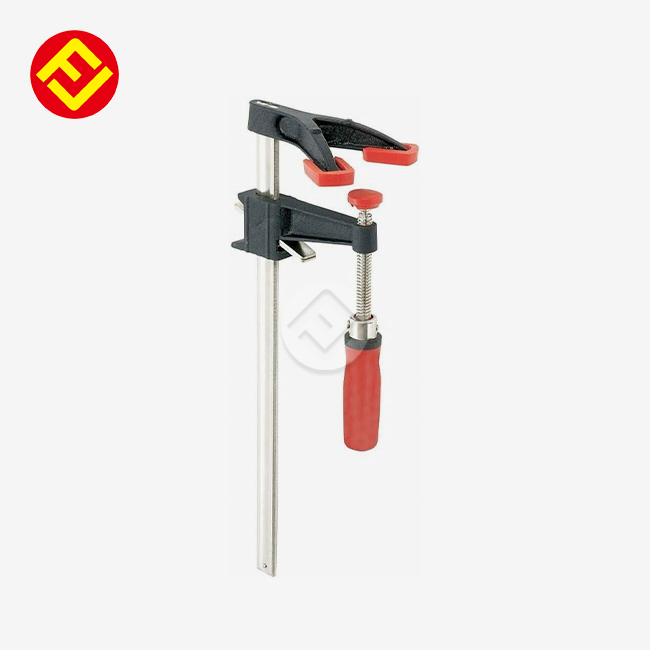
When your welding jig sits eight inches behind a structural flange, or your furniture assembly demands pressure at the center of a wide panel, a standard clamp simply won't reach. The 12 Deep Throat C Clamp solves this exact problem by extending your clamping capability far beyond the edge of the workpiece, delivering reliable holding force in hard-to-access areas. Designed for industrial welding, metal fabrication, and heavy assembly tasks, this specialized tool combines extended throat depth with robust construction to handle demanding applications where precision and reach are non-negotiable.

Specification |
||
| Type | Model | Dimensions (Depth x Reach) |
| Deep Throat Clamp | Deep Throat 1.5 Inch | 35x110MM |
| Deep Throat Clamp | Deep Throat 2 Inch | 46x140MM |
| Deep Throat Clamp | Deep Throat 3 Inch | 82x110MM |
| Deep Throat Clamp | Deep Throat 3 Inch | 85x185MM |
| Deep Throat Clamp | Deep Throat Large 3 Inch | 95x250MM |
| Deep Throat Clamp | Deep Throat 4 Inch | 105x186MM |
| Deep Throat Clamp | Deep Throat Large 4 Inch | 110x305MM |
Understanding 12 Deep Throat C Clamps: Definition, Design, and Specifications
The screw mechanism on a 12 Deep Throat C Clamp is farther from the back edge of the clamp body because the frame is longer. With this design, you can reach deep into workpieces and get around things that would normally get in the way of regular clamps. In this case, "12" refers to the largest opening size, which is twelve inches between the screw tip and the fixed jaw when fully stretched.
What Makes the Throat Depth Critical?
The throat depth tells you how far the screw's axis is from the frame's inside edge. Most standard C clamps have throat depths of two to four inches, which means they can't reach parts inside big systems. This reach can be increased to six, eight, or even twelve inches with 12 Deep Throat C Clamp versions. This lets you apply clamping pressure in the middle of wide panels, behind structural members, or through complicated shapes. In ships, where stiffeners need to be attached behind bulkheads, or in making custom furniture, where glue joints are far from panel edges, this feature is very important.
Core Material Specifications
Drop-forged carbon steel or high-tensile alloy steel is used in professional-grade 12 Deep Throat C Clamps to resist the torsional stress that comes with extended-frame designs. Tensile strengths for carbon steel types are usually between 60,000 and 80,000 PSI, which gives the frame the rigidity it needs to keep from bending when it's loaded. These clamps are made by FLA Industrial & Trading Co., Ltd. using a process that includes casting, pressing, machining, and precise assembly. They are then nickel-plated or painted to protect them from rust in shop settings. The throat depth, jaw opening, and thread pitch of each unit are checked against ISO9001 standards to make sure they meet the required tolerances.
How to Measure Throat Depth Accurately
Put the clamp on a flat surface so that the locked jaw is pointing down. From the inside edge of the frame to the middle of the threaded spindle, measure across the frame. This number tells you if the clamp can get to the point where you want it to. Fully withdraw the screw and measure the distance between the swivel pad and the fixed jaw to make sure the maximum opening is correct. The throat depth and jaw opening determine the variety of workpieces that the clamp can hold securely.
Advantages of 12 Deep Throat C Clamps in Welding and Heavy Assembly
Extended-reach clamps change the way you do complicated manufacturing tasks by giving you support and access to places where regular tools can't. The benefits go beyond just reach; they also include improved workflow, joint health, and operating safety.
Superior Access to Interior Workpiece Zones
With the long frame, you can put the clamping force in the geometric middle of wide assemblies, and for 12 Deep Throat C Clamp, instead of relying on edge clamping, which can cause the joint to warp or not bond properly, you can apply even pressure across the whole joint when welding chassis rails or holding laminated panels while glue cures, and this feature gets rid of the need for hacky-sack solutions like adding multiple clamps or making your own spacers, which cuts down on setup time and makes it easier to do again and again. Instead of relying on edge clamping, which can cause the joint to warp or not bond properly, you can apply even pressure across the whole joint when welding chassis rails or holding laminated panels while glue cures. This feature gets rid of the need for hacky-sack solutions like adding multiple clamps or making your own spacers, which cuts down on setup time and makes it easier to do again and again.
Enhanced Clamping Force Distribution
12 Deep Throat C Clamps spread the holding force more evenly over surfaces that aren't smooth. The longer throat moves the screw mechanism closer to the work area, which reduces frame flexing caused by leverage that can weaken tightening pressure. The rigid frame keeps the contact pressure constant when T-beams are being held in place for tack welding or brackets are being ground. This keeps the workpiece from moving, which could affect its dimensions or pose a safety risk.
Maintenance Practices for Extended Service Life
Regularly lubricating threads with dry-film molybdenum disulfide lubricants is the first step in good upkeep. These lubricants are better at keeping grit from building up than petroleum-based Products" target="_blank" style="color:blue" >products. In places with a lot of dust, clean the spindle once a week to get rid of metal shavings and other junk that can speed up thread wear. Check to see if the swivel pad can turn freely. If it doesn't or if it shows signs of weld spatter fusion, it needs to be replaced right away to keep the frame from being loaded unevenly and cracking. Every year, check the frame for tiny cracks near the throat root, which is the area that gets the most stress in extended-reach designs. Throw away any 12 Deep Throat C Clamps that are deformed or permanently bent.

Comparing 12 Deep Throat C Clamps to Other Clamps: Brands and Alternatives
Procurement professionals can make better decisions that meet operational needs and budget limits when they know how 12 Deep Throat C Clamps compare to other options.
Deep Throat vs. Standard C Clamps
Standard C clamps work great for general-purpose tasks where the size of the workpiece lets you get to the edges. Because the throat is shorter, it experiences less bending moment when it's loaded, so they can hold more weight for their frame size. They can't reach past four inches from the edge of the object, though, which limits how useful they are for building structures and putting together wide panels. 12 Deep Throat C Clamp versions give up some of their maximum load capacity—usually 20–30% less maximum clamping force—but they do so in exchange for a hugely longer reach. This trade-off makes sense when access is more important than having power when choosing a tool.
Deep Throat vs. Locking Pliers and Quick-Release Clamps
Locking pliers can be used with one hand and quickly connect, but they don't have the fine control and long-lasting pressure of clamps that are screw-driven. Because their toggle mechanism can slip when they are vibrated, they can't be used for welding where joint movement could weaken the weld. While quick-release clamps are convenient, they usually have shorter throat lengths and aren't built to last as long. 12 Deep Throat C Clamps provide exact, changeable pressure that stays the same over long periods of time. This is very important when holding jigs for production runs or keeping them in place while adhesive cures.
Brand Comparison: Industrial Standards and Reliability
Well-known names like Irwin, Bessey, and DEWALT have built their reputations on constant metalwork and quality control. Most of their products meet or go beyond Federal Specification GGG-C-406D, which makes sure that frames can handle proof loads without permanently changing shape. These companies make a lot of different products, and their load rates, material certifications, and replacement parts available are all written down. This is important information for repair teams that are in charge of keeping a lot of tools on hand. For almost 40 years, FLA Industrial & Trading Co., Ltd. has provided Fortune Global 500 partners with 12 Deep Throat C Clamps that meet CE and ISO9001 certification standards and can be customized in ways that standard product lines can't. Because of this, buying teams can choose accurate throat depths, jaw shapes, and surface processes that meet the needs of each specific operation.
How to Choose the Right 12 Deep Throat C Clamp for Your Procurement Needs?
To choose the best clamp, you have to make sure that the technical specs match the needs of the application and that the performance meets your budget.
Assessing Throat Depth and Jaw Capacity Requirements
Find the farthest point from the edge of the piece you want to clamp from where you want to clamp it. Include a two-inch space to allow for the flaws of the project and the ability to adjust the position. If your longest reach is nine inches, you should set a minimum throat depth of eleven inches. Make sure the jaw opening can fit your thickest stack of parts, including any backing plates or clamping pads that are meant to be temporary. The rated capacity of the 12 Deep Throat C Clamp should meet this size, and there should be at least one inch of extra movement so that the screw doesn't have to be operated at full extension, where thread engagement is low and failure risk rises.
Material Strength and Load Rating Considerations
Make sure that the 12 Deep Throat C Clamp load number matches the clamping power that you need for your job. For tack welding, metal production usually needs between 2,000 and 3,500 pounds of clamping force to keep the joint from moving. For glue bonding, woodworking may only need 500 to 1,200 pounds. Check that the material standard, whether it's carbon steel or alloy steel, gives you enough yield strength for the biggest load you expect to put on it. Drop-forged construction is better at withstanding impacts on construction sites, while precision-machined 12 Deep Throat C Clamps have tighter size tolerances that are better for jig-and-fixture work in manufacturing settings.
Cost-Effectiveness Analysis for Bulk Procurement
Look at the total cost of ownership instead of just the price of each unit. Higher-quality 12 Deep Throat C Clamps with protected coatings and precise threading need less upkeep and can last longer between replacements, so even though they cost more at first, they are cheaper in the long run. When buying for a lot of sites or big projects, look for sellers that offer discounts for buying in bulk and customization services. FLA Industrial & Trading Co., Ltd. keeps 2,000 tons of stock on hand for quick delivery on standard specs. They also offer custom solutions with wait times of 7–15 days, which lets procurement teams match urgent needs with unique requirements while still working with the same provider.
Buying Guide: Where and How to Procure 12 Deep Throat C Clamps Efficiently?
Efficient procurement includes choosing the right suppliers, managing logistics, and building relationships to make sure that tools are always available at prices that are competitive.
Procurement Channel Comparison
Online industrial platforms are convenient and make prices clear, but they might not have enough expert support to help with figuring out specifications or making unique changes. Regional wholesalers offer local merchandise and faster restocking in case of an emergency, but they usually only carry a few types of products that are high-volume standards. When you buy 12 Deep Throat C Clamps directly from the manufacturer, you have the most options for customization, the best prices, and access to expert support. However, you have to place bigger orders and wait longer for special configurations. Maintaining standing orders with makers for regular consumption, using distributors for emergency replacements, and using online platforms for small-quantity specialty items are all ways to make your supply chain more stable.
Negotiating Volume Discounts and Payment Terms
Make annual volume commitments with your main suppliers to get tiered pricing structures that lower the cost per unit as the number of orders you place goes up. To better control your cash flow, try negotiating longer payment terms like net 60 or net 90. This is especially important when buying 12 Deep Throat C Clamps for big projects with staged billing goals. If you use a lot of something, ask your seller about consignment inventory plans. This way, the supplier will keep stock at your facility and only bill you when it's used, so you don't have to pay for storage and there's less chance of running out.
FLA Industrial & Trading Co., Ltd.: Comprehensive Procurement Support
With almost forty years of experience in manufacturing, FLA Industrial & Trading Co., Ltd. can help with all parts of the buying process, making it easier. Our engineering team creates pre-production molds and 3D models of your designs to make sure that the unique 12 Deep Throat C Clamp specs meet all of your needs before production starts. During production, we make sure that the right materials are chosen and that the right production parameters are used. After production, our services include tracking shipments and giving technical updates. Our promise to respond within 24 to 48 hours means that you get detailed technical feedback on your questions quickly. This cuts down on the time it takes to make decisions and keeps projects on track. Our ISO9001-certified production method gives you consistent quality no matter how many units you need, whether you need a single custom 12 Deep Throat C Clamp or thousands for a global business.

Conclusion
It's important to find the right 12 Deep Throat C Clamp option by weighing technical requirements against practical needs and the facts of procurement. Because these special tools have a longer reach, they can do things that regular clamps can't. This makes work more efficient in places like welding, metal production, and heavy assembly. Procurement professionals can choose tools that will work reliably during tough production cycles if they know the material requirements, load ratings, and throat depth needs. Partnering with experienced makers who offer customization, technical support, and quick service can turn buying tools from something that needs to be done into a strategic benefit that boosts output and lowers the total cost of ownership.
FAQ
What makes a standard twelve-inch C clamp different from a deep throat clamp?
The main difference is the neck depth, which is the distance from the screw axis to the inside edge of the frame. Standard twelve-inch clamps have throats that are three to four inches wide. 12 Deep Throat C Clamp versions have throats that are six inches wide or more, and they sometimes match the jaw opening. This shape lets you reach deep into workpieces, but the longer frame limits the maximum load by 20 to 30 percent compared to normal designs of the same type, because it causes more bending moments when it's loaded.
Can I add leverage extensions to the handle to make the binding force stronger?
Not at all. 12 Deep Throat C Clamps are only meant to be tightened by hand. Adding cheater bars or pipe extensions increases the force being applied beyond the frame's yield strength, which can lead to lasting distortion or a catastrophic break. The longer throat already puts a lot of stress on the frame root. Too much torque speeds up the spread of fatigue cracks, which can cause dangerous failure modes during operation.
What repair schedule will make sure that the tool lasts as long as possible?
Dry-film molybdenum lubricants are better at keeping grit from building up on spindle threads than oils or greases, so clean and grease them once a week. Check the swivel pad once a month to make sure it can rotate freely, and replace it right away if it gets stuck. Check the 12 Deep Throat C Clamp frame's throat root once a year for hairline cracks using dye-penetrant tests in important situations. If any clamps show lasting distortion, they should be thrown away.
Partner with FLA Industrial & Trading Co., Ltd. for Reliable Deep Throat C Clamp Solutions
For your welding and assembly work, you need tools that always do their best, even when conditions are tough. FLA Industrial & Trading Co., Ltd. has been making 12 Deep Throat C Clamps for almost 40 years and is one of the best in the business. They use advanced manufacturing techniques and strict quality control to make clamps that meet the high standards of Fortune Global 500 partners in the construction, metalworking, and industrial sectors. Our ISO9001 and CE-certified production facilities make solutions that are exactly what you need. We offer expert support 24 hours a day, 7 days a week, and delivery within 7 to 15 days for unique orders. Get in touch with our purchasing experts at sales@flaindustrial.com to talk about volume discounts, customization options, and how our full range of support services can help you streamline your supply chain and keep your operations running smoothly with the precision tools they need. Visit flaindustry.com to see all of our products and learn more about how smart partnerships are changing the way businesses buy things.
References
1. American Society of Mechanical Engineers. (2021). Industrial Fastening and Clamping Technology: Standards and Best Practices. ASME Press.
2. Hoffman, R. T. (2020). Metalworking Clamps and Fixtures: Selection, Application, and Maintenance. Industrial Press Inc.
3. National Institute for Occupational Safety and Health. (2019). Safe Work Practices for Metal Fabrication and Welding Operations. DHHS Publication No. 2019-145.
4. Patel, S. K., & Morrison, J. L. (2022). Materials Science in Hand Tool Manufacturing: Carbon and Alloy Steel Applications. Journal of Manufacturing Processes, 78, 234-251.
5. Thompson, D. W. (2018). Heavy Assembly Techniques: Tools and Methods for Structural Fabrication. McGraw-Hill Education.
6. Wilson, C. R. (2023). Procurement Strategies for Industrial Hardware: Cost Management and Supplier Relations. Routledge Business Books.