ABC Strain Clamps Ensure Reliable Cable Anchorage for Overhead Power Distribution
2026-08-18 11:31:39


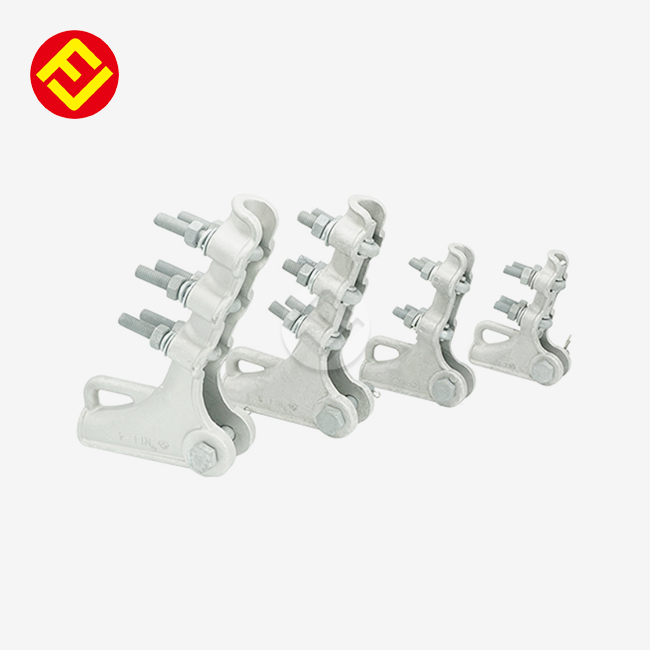
When overhead power distribution systems demand absolute reliability, the Abc Strain Clamp stands as an indispensable component. Engineered specifically for aerial bundled cable systems, these dead-end clamps anchor conductors securely at terminal poles, angle points, and crossing spans. By transferring substantial tensile forces from cables to support structures, they prevent line collapse, protect insulation integrity, and ensure continuous power delivery across demanding environments. Their mechanical precision and material resilience make them the preferred choice for utility companies, electrical contractors, and hardware distributors throughout the United States.

Specification |
|||
| Product Name | Applicable Range | Material Options | Finish |
| NLL-1 Strain Clamp | 35-50mm2 | Aluminum Alloy with Steel Core / Ductile Iron | Hot-Dip Galvanized / Natural Aluminum |
| NLL-2 Strain Clamp | 70-95 mm2 | Aluminum Alloy with Steel Core / Ductile Iron | Hot-Dip Galvanized / Natural Aluminum |
| NLL-3 Strain Clamp | 120-150 mm2 | Aluminum Alloy with Steel Core / Ductile Iron | Hot-Dip Galvanized / Natural Aluminum |
| NLL-4 Strain Clamp | 185-240 mm2 | Aluminum Alloy with Steel Core / Ductile Iron | Hot-Dip Galvanized/ Natural Aluminum |
Understanding ABC Strain Clamps: Function, Types, and Materials
Core Function in Power Distribution Networks
In overhead electrical systems, dead-end clamps play a very important technical role. When aerial bundled cables span between poles, they are constantly strained by wind loads, ice buildup, and temperature changes. When there are end points or big changes in direction, standard suspension clamps cannot handle these forces well. When this happens, ABC Strain Clamps secure the wire to the supporting structure, acting as the load-bearing link that keeps the system from breaking.
Controlled pressure spread is at the heart of how the device works. Inside each clamp, conical wedges hold the outer insulation layer of the cable in place. When the line tension goes up, these wedges get tighter on their own without hurting the protective sheath. This mechanism makes sure that the wire is securely attached while keeping the electrical insulation intact, which is something that most bare-conductor clamps fail to do.
Material Variations and Their Strategic Applications
How long something lasts and how well it works in different environments are directly affected by the materials used during manufacturing. We produce ABC Strain Clamps from three main types of materials, each of which is best for a certain set of tasks:
Aluminum Alloy with Steel Core: These clamps are light but surprisingly strong. They work well with normal distribution lines that do not get too much rust. The steel reinforcement gives it the mechanical strength it needs for high-tension applications, and the aluminum body naturally resists oxidation. Electric companies like this version for residential and suburban installations because it is lighter, which makes working on poles easier.
Ductile Iron Construction: Ductile iron clamps are the most durable option when maximum mechanical strength is needed. At angle poles, where the lines change direction quickly, their strong structure can handle very high tension loads. This type is often used in heavy-duty power feeds in industrial buildings and mines where machine reliability cannot be compromised.
Composite Materials: UV-stabilized polyamide shells with glass-fiber reinforcement are becoming the current answer because they are very resistant to weather. These clamps work great near the coast, where salt spray speeds up metal corrosion. The dielectric qualities also add extra safety during repair work, which lowers the risks for line workers.
Surface Finish Options and Environmental Protection
Surface cleaning greatly increases the useful life of an item. Hot-dip galvanized finishes add a protective zinc layer that corrodes before the base metal, stopping rust from forming in damp places. This treatment is especially helpful for contractors who work in places that get a lot of rain or morning dew.
Passive oxidation keeps natural metal finishes in good shape by adding a thin layer of protection that heals itself when touched. They are perfect for setups in dry areas where rust from water is not a big problem because of this. To get the most out of their bulk buying plans, procurement managers should look at how the weather changes in the area when choosing finish types to optimize their ABC Strain Clamp acquisition.
Advantages of ABC Strain Clamps Compared to Traditional Solutions
Addressing Legacy System Limitations
The total cost of ownership went up with older anchoring hardware because they were harder to use and had more problems, and for Abc Strain Clamp, because they were so heavy, they made installation more difficult and needed extra helpers and special moving tools, and galvanic rust often caused things to break down before they should have, especially near the coast or in industrial areas where floating pollutants were present, and complex installations needed workers with a lot of experience, which pushed back the project schedule and increased labor costs. Because they were so heavy, they made installation more difficult and needed extra helpers and special moving tools. Galvanic rust often caused things to break down before they should have, especially near the coast or in industrial areas where floating pollutants were present. Complex installations needed workers with a lot of experience, which pushed back the project schedule and increased labor costs.
These problems can no longer happen with modern ABC Strain Clamps thanks to careful engineering improvements. The simplified design makes the hardware about 30% lighter than standard hardware, which means that many projects can be installed by a single expert. This level of speed directly leads to shorter work hours and faster project finish dates.
Enhanced Reliability and Safety Performance
The self-adjusting wedge mechanism is a big step forward in keeping cables safe. In the past, clamps used bolts with a set tension, which could become less tight over time because of changes in temperature or shaking. Modern designs automatically account for these differences by tightening in a way that is proportional to changes in line strain. This adaptive behavior keeps the grip force the same even when the temperature changes with the seasons and bad weather happens.
Electrical safety margins that protect both people and equipment are made sure by checking the dielectric strength at six kilovolts. Line workers can rest easy knowing that the clamps will keep the insulation in place even if something goes wrong during routine maintenance or emergency repairs. This confidence speeds up troubleshooting and cuts down on work delays caused by safety issues.
Case Evidence from Field Applications
In the Midwest, a regional utility company found that after switching from old gear to new ABC Strain Clamps, the number of return service calls dropped by 40%. As part of the job, parts had to be replaced along 300 miles of distribution lines that serve country areas. The increased resistance to corrosion got rid of the regular failures that used to happen at sites near the coast.
Contractors working on a big business building said that the installation process took about fifteen minutes less per connection point. Over the project's 2,000 ending points, this increase in efficiency saved a lot of money on labor costs and kept the plan on track during weather-sensitive building windows.

Selection Guide: How to Choose the Right ABC Strain Clamp for Your Project?
Critical Technical Parameters
The basic requirement for any ABC Strain Clamp choice is set by the voltage classification. Medium-voltage uses that use close to fifteen kilovolts need different specs than low-voltage systems that use less than one kilovolt. To make sure the wedges fit properly and do not damage the insulation, the cable diameter measurements must exactly match the clamp size ranges.
To do an environmental review, you have to be honest about the conditions at the place. Extreme temperatures can change the choice of material. For example, some composites stay flexible at -50 degrees Celsius, while some aluminum alloys work best in the heat of the desert. Finish options for hot-dip galvanized steel and naturally rusted metal should be based on how humid the area is and how close it is to salt water.
Quality Certifications and Supplier Credentials
If a company has ISO9001 certification, it means that they follow documented quality management systems during production. This standard makes sure that measurements are always correct, that the material is made of the right stuff, and that performance tests are done at every step of the making process. When looking at possible long-term providers for ABC Strain Clamps, people who work in procurement should ask to see proof of certification.
IEC compliance shows that you follow international electrical safety standards, especially when it comes to insulating strength and mechanical load capacity. These licenses protect workers and utility companies legally and make sure that the parts they install meet the rules in all areas. Both certifications are kept up to date at our production sites, so you can be sure that the standard of our goods is guaranteed.
Strategic Bulk Purchasing Considerations
Hardware dealers and tool suppliers can benefit from knowing about the benefits of buying in bulk. Ordering in standard lot amounts usually lowers the cost per unit and makes sure that all packages have the same product specs. We keep 2,000 tons of stock at our sites, which lets us quickly fill common ABC Strain Clamp configurations without having to wait for production to start.
When planning a procurement, custom requirements should be given extra thought. For projects that use non-standard cable sizes or have special environmental issues, designs may need to be changed. Our engineering team helps with product optimization and three-dimensional design testing to make sure that unique solutions meet technical requirements before they are manufactured. Delivery times for these unique parts are between seven and fifteen days, which is a lot shorter than the usual lead time in the business.
Installation and Maintenance Best Practices for Optimal Performance
Step-by-Step Installation Procedures
Preparing the spot and inspecting the parts are the first steps to a proper installation of the ABC Strain Clamp. Before pulling wires, make sure that the pole-mounting hardware lines up properly with the structural load calculations. Check each clamp for damage from shipping, making sure that the wedges move easily and that the bail parts are not bent or corroded.
Careful measuring and cleaning are needed to get cables ready. According to the manufacturer's instructions, remove any protective coverings. This usually means leaving the conductor insulation exposed for a length that matches the clamp's engagement zone. Use a soft cloth to wipe down the cable's surface to get rid of any dirt or oils that might weaken the wedge grip.
Place the clamp body around the ready cable section and make sure the wedges are lined up with the longitudinal axis of the conductor. Tighten the wedges by hand and let the natural stress of the wire pull them into the conical grip zone. As the line load rises, the self-tightening system kicks in, so you do not need torque wrenches or other special tools for fitting. This method stops mistakes that can happen when bolts are not tightened properly.
Routine Maintenance and Inspection Protocols
Seasonal checks should be done every six months on installations near the coast and once a year on sites in the middle of the country that get moderate weather. The visual inspection mainly looks at the condition of the surface, checking for chalking on composite materials or rust formation on metal parts. Pay close attention to the wedge contact zones and make sure that the wire has not moved away from the clamp body.
Instead of active treatment, watching the surroundings is what stops corrosion. Our steel parts are hot-dip galvanizing, which protects them for decades without the need for extra coats. Aluminum parts naturally form a safe oxide layer that does not need any upkeep. If surface damage shows the base metal, use touch-up paint that is high in zinc to protect it right away.
Safety Guidelines for Field Technicians
Insulated gloves rated for the system's operating voltage, safety harnesses for work on poles, and face shields during installation procedures are all examples of personal protective equipment that must be worn. Follow established lockout-tagout procedures to make sure that circuits are not accidentally turned on before starting to install or replace the ABC Strain Clamp.
Load verification makes sure that the clamp chosen fits the wire tension at the fitting site. Going over the rated capacity can cause early failure and safety risks. When engineers do their estimates, they should take into account the worst-case loading scenarios, such as ice buildup and the highest wind speeds that have been recorded in the area.
Purchasing and Supplier Information: Ensuring Quality and Reliability
Sourcing from Authorized Manufacturers
Real goods come from production places that are approved and have strict quality control measures in place. The factories that FLA Industrial & Trading Co., Ltd. runs in China are equipped with cutting-edge tools for casting, forging, and precise machining. Our forty-year background of business shows that our ABC Strain Clamp Products" target="_blank" style="color:blue" >products have always been reliable across more than one thousand hardware specs.
Direct manufacturer relationships provide several strategic advantages for B2B buyers. Application engineering help is available from technical support teams, who help choose the right parts for complicated projects. Real-time information on the progress of orders and inspection records are part of production openness. This gets rid of the uncertainties that come with using middle-man providers.
Procurement Logistics and Lead Times
Standard catalog items ship right away from our 2,000-ton inventory reserves, which lets us make replacements quickly and plan deliveries based on what you need. Through established freight agreements, container exports to U.S. ports usually get there in three weeks. For high-volume customers, domestic shipping centers all over North America further narrow delivery windows.
Custom orders have a set schedule that starts with verifying the design. When you ask us a technical question, our engineering team answers within 48 hours with three-dimensional models and confirmation of your specifications. Once the plan is accepted, production scheduling can be changed to meet pressing needs, and manufacturing cycles can be as short as one week for those projects.
Warranty Coverage and After-Sales Support
A full guarantee protects against problems with the way the product was made and with the materials used in normal use. When goods are put according to written instructions and maintained on a regular basis, the coverage time lasts as long as the manufacturer says they will. To speed up the settlement of claims, picture proof and field installation records are needed.
Support for technical issues goes beyond the initial purchase. Our applications engineers help troubleshoot installation problems, make sure that the best parts are chosen for future phases, and offer resources for continuing education. With this method, long-term relationships are formed with electrical workers, utility companies, and gear sellers throughout the whole span of their businesses.

Conclusion
Reliable cable anchorage is still an important part of maintaining the integrity of an overhead power distribution system. Modern ABC Strain Clamps can do this because they are made of better materials, have self-adjusting mechanisms, and have been tested and shown to last in harsh environments. Buying parts from certified manufacturers makes sure that they meet international standards and gives you the professional help you need to complete the job successfully. The fact that it is lightweight, will not rust, and can be installed without any tools solves the biggest problems that procurement managers and field engineers are having. Today's strategic choices about where to get power will set the stage for decades of reliable power supply without any repairs.
FAQ
What advantages do modern strain clamps provide over traditional cable anchoring hardware?
Newer designs get rid of the problems that older generations had with being too heavy and prone to rust. The self-adjusting wedge mechanism keeps the grip force constant even when the temperature changes and the system shakes. This keeps the ABC Strain Clamp system from coming loose, which can happen with fixed-bolt systems. Tool-free methods make installation much more efficient by reducing the amount of work that needs to be done and getting rid of mistakes caused by pressure. Increasing the insulating strength gives you more safety during repair work.
How do I figure out what size clamp I need for my wire installation?
The cross-sectional area and outer width of the wire must be within the clamp's range for the measurement to begin. Extreme temperatures and humidity levels in the environment affect the choice of material between aluminum alloy, cast iron, and composites. The voltage classification sets the minimum requirements for the dielectric strength. Consulting the manufacturer's technical documentation makes sure that the capabilities of the part are properly matched to the needs of the application.
Can these clamps handle being exposed to salt spray in harsh coastal environments?
Parts made from UV-stabilized composites and hot-dip galvanized steel are designed to resist corrosion in areas with a lot of salt. The protective zinc layer corrodes before the base metal is exposed, which greatly increases the operating lifetime. When natural metal finishes get scratched, they form passive oxide layers that fix themselves. If you choose the right materials based on an analysis of the environment, they will last for decades and work well even in harsh coastal installations.
Partner with FLA Industrial & Trading Co., Ltd. for Your Cable Anchoring Requirements
Upgrading your overhead distribution infrastructure demands a trusted ABC Strain Clamp manufacturer with proven expertise and responsive support. FLA Industrial & Trading Co., Ltd. brings nearly four decades of manufacturing excellence to every product, backed by ISO9001 and IEC certifications that guarantee international quality standards. Our extensive inventory ensures rapid fulfillment of standard requirements, while our customization capabilities solve unique project challenges with engineered precision.
Contact our technical team at sales@flaindustrial.com to discuss your specific application requirements. We provide detailed quotations within forty-eight hours, complete with specification verification and delivery scheduling. Whether you're a hardware distributor seeking competitive bulk pricing or a utility engineer planning a major infrastructure upgrade, we deliver the quality and support that Fortune Global 500 companies trust across domestic and international markets.
References
1. IEEE Standard 1222-2019: Standard for Testing and Performance for All-Dielectric Self-Supporting Fiber Optic Cable for Use on Electric Utility Power Lines. Institute of Electrical and Electronics Engineers, 2019.
2. National Electrical Safety Code (NESC) 2023 Edition: Overhead Lines and Underground Lines Specification. Institute of Electrical and Electronics Engineers, 2022.
3. International Electrotechnical Commission. IEC 61284:1997 – Overhead Lines – Requirements and Tests for Fittings. Geneva: IEC Central Office, 1997.
4. American Society for Testing and Materials. ASTM B117-19: Standard Practice for Operating Salt Spray Apparatus. West Conshohocken, PA: ASTM International, 2019.
5. European Committee for Electrotechnical Standardization. EN 50483-2:2014 – Overhead Distribution Systems with Insulated Conductors. Brussels: CENELEC, 2014.
6. Rural Utilities Service. RUS Bulletin 1728F-U1: Specifications and Drawings for Underground Electric Distribution. United States Department of Agriculture, 2018.