Heavy Duty Pump Clamps Provide Reliable Support for Heavy-Duty Industrial Pump Applications
2026-08-18 11:32:05


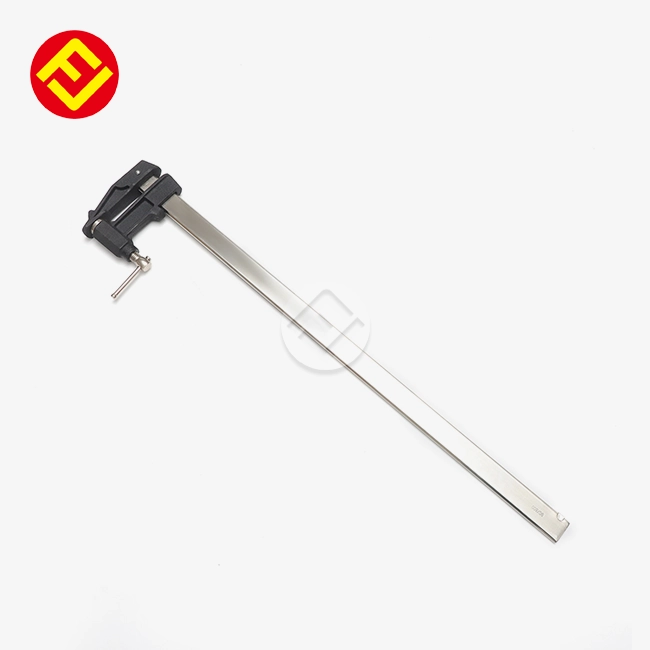
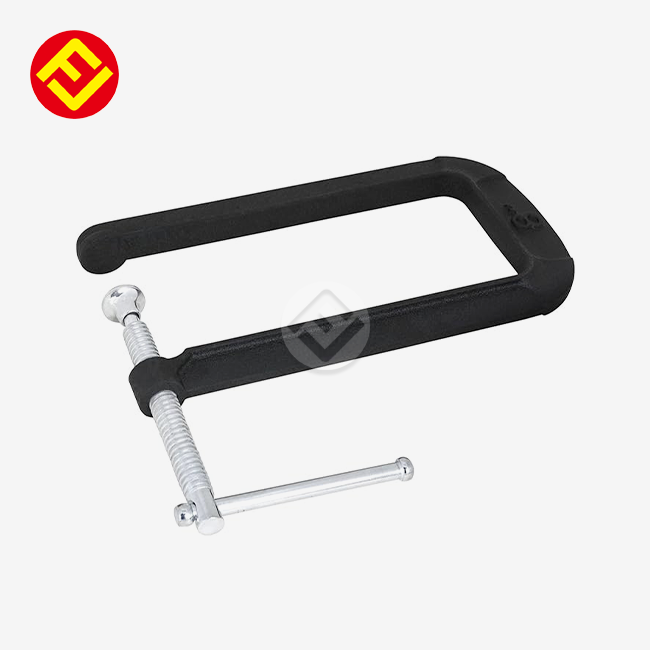
When industrial operations depend on continuous pump performance, securing these critical assets becomes paramount. Heavy Duty Pump Clamp solutions offer the robust anchoring and stabilization needed to protect your pumping equipment investment while ensuring operational safety across demanding environments. These specialized clamping devices serve as the foundation for reliable pump installations, preventing costly downtime and equipment failure in water treatment facilities, construction sites, and manufacturing plants.


Specification |
|||
| Specification Model | Maximum Clamping Distance (mm) | Throat Depth (mm) | Total Length(mm) |
| Spanish-Style Pump Clamp 90x300 | 300 | 90 | 410 |
| Spanish-Style Pump Clamp 90x400 | 400 | 90 | 510 |
| Spanish-Style Pump Clamp 90x500 | 500 | 90 | 610 |
| Spanish-Style Pump Clamp 120x300 | 300 | 120 | 425 |
| Spanish-Style Pump Clamp 120x400 | 400 | 120 | 524 |
| Spanish-Style Pump Clamp 120x500 | 500 | 120 | 623 |
| Spanish-Style Pump Clamp 120x1000 | 1000 | 120 | 1118 |
| Spanish-Style Pump Clamp 120x1500 | 1500 | 120 | 1613 |
| Spanish-Style Pump Clamp 120x2000 | 2000 | 120 | 2108 |
What Are Heavy Duty Pump Clamps and Why Are They Essential?
Support systems for industrial pumps need more than just a simple way to be fixed. They want solutions that are designed to be stable even when they are subjected to constant vibration, heavy loads, and harsh weather conditions.
Understanding the Core Function of Pump Securing Systems
Heavy Duty Pump Clamps are important stabilizing parts that keep industrial pumps tightly in place while they are being used, maintained, or installed. In contrast to normal ways of attaching things, these special clamps spread the load forces evenly across the pump housing. This stops stress buildsups that damage equipment. FLA Industrial & Trading Co., Ltd. makes designs in the Spanish style. Our Products" target="_blank" style="color:blue" >products have precision-cast carbon steel or ductile iron bodies that keep their shape even in harsh working conditions. Each unit goes through casting, cutting, and assembly steps that make sure the dimensions are exact to very small errors.
Key Benefits That Protect Your Operations
One of the best things about these Heavy Duty Pump Clamp options is that they work to reduce vibration. Resonance frequencies are made when a pump moves without being controlled. These frequencies speed up bearing wear and make connections in pipe systems weak. Our Heavy Duty Pump Clamps have finishes that are sprayed or powder-coated and don't rust while still having the right amount of friction for a good grip. This two-layer security makes equipment last longer by stopping rust from getting in and weakening structural links over time.
Operational efficiency goes up a lot when pumps are properly protected. Water treatment plants that process thousands of gallons of water every day can't afford to shut down without warning because of a displaced pump. When construction workers dewater excavation sites, they need tools that stay in the right place during long pumping cycles. Agricultural watering systems that help with food production plans need to be able to be serviced without taking the whole system apart.
Material Selection and Industry Standards
The choice between building with carbon steel or ductile iron depends on the needs of the project. Carbon steel has a very high tensile strength, which makes it ideal for uses that need to withstand mechanical stress and pressure. Ductile iron has better casting properties that let you make shapes with complex shapes while still being able to hold weight. Both materials meet the standards for ISO9001 approval, which proves that the quality is the same from one production batch to the next.
Different pump setups can be accommodated by size choices ranging from 300mm to 2000mm maximum clamping distance. Different pump body shapes are compatible with throat depth changes of 90 mm and 120 mm, which makes sure there is enough touch surface area. With these measurements, purchasing managers can make sure that the clamp strength is exactly right for the pump weight and operational forces, without having to worry about over- or under-engineering the equipment.
Real-World Applications Across Industries
These Heavy Duty Pump Clamp systems keep pumps that handle acidic fluids and gritty slurries safe in chemical processing plants. The layer keeps chemicals from attacking, and the hard structure stops the moving forces that are caused by high-viscosity fluid transfer. When installing pipelines for municipal water projects, these tools are used to keep the pumps stable while crews connect distribution networks over rough terrain. Quick-adjustment designs are helpful in manufacturing settings because they let repair workers get to the inside of the pump without taking off all the mounting hardware.
How to Select the Best Heavy Duty Pump Clamp for Your Industrial Needs?
To pick the best Heavy Duty Pump Clamp solution, you need to carefully consider the technical details, the working conditions, and the needs of the job, all of which affect how well it will work in the long run.
Defining Critical Technical Requirements
To figure out a pump's load capacity, you must first add up its weight, which includes the motor, the rotor assembly, and any fluid that is inside it while it's running. Adding a safety factor of at least 1.5 times the static load takes into account the dynamic forces and possible shock loads that are caused by vibrations during starting cycles. When installing a pump, you need to think about whether it is a centrifugal, positive displacement, or submersible unit. Each type of pump has its own mounting difficulties.
Environmental conditions have a big impact on the choice of materials and finishes that are needed. UV light, changes in temperature, and water getting into outdoor systems all speed up rusting. Chemical vapors or high humidity may be present in indoor facilities, so better protective coatings may be needed. When compared to regular painting, our powder-coated finishes stick better, making a shield that can stand up to these harsh conditions.
Comparing Heavy Duty Versus Standard Alternatives
Standard Pipe Clamps made for light applications don't have the structural support that is needed to hold up a pump. Wall width, material grade, and fixing requirements all show the difference. Heavy Duty Pump Clamps have thicker cross-sections that keep them from deforming when they're under long-term loads. Instead of normal nuts, fastening systems use grade 8 hardware, which provides the clamping force needed to keep things from moving while they're being used.
There are benefits to performance that go beyond initial keeping power. When temperature changes, properly designed clamps keep the contact pressure without having to be tightened all the time. Standard options often become loose as materials expand and contract, which makes them harder to maintain and increases the risk of injury. The Spanish-style design we make lets you make small changes that allow for heat movement while keeping the connection securely in place.
Material Considerations for Durability
Total cost of ownership is directly affected by corrosion resistance. Stainless steel is very good at keeping things from rusting, but it is much more expensive and harder to work with. With good protective finishes, carbon steel has a similar service life at a much lower cost. Ductile iron is a good choice for situations where the casting needs to be flexible but also strong enough.
When techs do construction work, they have to think about weight. Lighter metal alloys are easier to handle by hand, but they can't hold as much weight as bigger pumps can. Our engineering team can help you weigh these pros and cons based on the details of your pump and the conditions at the site.
Evaluating Supplier Reputation and Support
The expertise and support infrastructure of the manufacturer have a big impact on the quality of the procurement. FLA Industrial & Trading Co., Ltd. has been making things for almost 40 years, so they know a lot about the problems that come up in a wide range of businesses. Our technical team can help you with 3D modeling, mold development, and optimizing the layout of your products so that they work well with the tools you already have.
Delivery dependability affects how well projects are timed and how well material is managed. We keep 2,000 tons of basic designs in stock, which lets us ship quickly and keep your projects on track. Custom requirements get priority production with wait times of 7–15 days. Real-time updates on progress help with planning and make it more accurate.

Installation and Maintenance Guide for Heavy Duty Pump Clamps
The right way to place these important parts and regular checks make sure they work as long as they're supposed to and keep people and tools safe.
Step-by-Step Installation Procedures
First, make sure that the base of the pump is clean, level, and free of any dirt that could cause stress to build up. Place the Heavy Duty Pump Clamp assembly around the pump body so that it touches the whole throat depth evenly. Tighten the fasteners with your finger at first, and then check the alignment before applying the final torque specifications. For the manufacturer-recommended tightening values, use a measured torque wrench and work in a cross-pattern to spread the holding force evenly.
Safety steps during installation keep both workers and tools safe, and for Heavy Duty Pump Clamp, do not put body parts under pumps that are hanging while mounting is going on, and make sure that the pulling equipment's ability is greater than the pump's weight by a sufficient amount, and when working with parts that have sharp edges, make sure you wear the right safety gear, like safety glasses and work gloves. Do not put body parts under pumps that are hanging while mounting is going on. Make sure that the pulling equipment's ability is greater than the pump's weight by a sufficient amount. When working with parts that have sharp edges, make sure you wear the right safety gear, like safety glasses and work gloves.
Scheduled Inspection and Maintenance Protocols
Set up how often inspections should happen based on how the machine is being used. For high-vibration uses, the covering should be looked at once a month for cracks, loosening, or damage. In places with less stress, plans may go up to every three months. During checks, look for rust streaks that mean the coating is failing, uneven wear patterns that mean the machine isn't aligned correctly, and fastener conditions that show rusting or thread damage.
Preventive maintenance makes parts last a lot longer. Clean Heavy Duty Pump Clamp surfaces of built-up dirt and grime using non-abrasive ways that don't damage protective finishes. Every year, check the torque on the fasteners and re-tighten them to the specifications if the values have dropped. Any parts that are deformed, cracked, or showing advanced rust should be replaced before they break.
Troubleshooting Common Issues
Slippage during operation usually means that there isn't enough clamping force or that the contact surfaces are dirty. To get grip back, either raise the force values to safe levels or clean the surfaces. If the isolation components are too small or worn out, they may let too much vibration through. Check that the clamp's dimensions match the pump's specifications, and if it has rubber isolators, check them out.
Corrosion that happens faster than usual despite protection finishes is usually caused by damage to the coating during installation or chemical contact that goes beyond what was intended. Use suitable repair products to fix small scratches right away. Instead of trying to fix units in the field that have extensive coating failure, which could weaken the structure, replace them.
Warranty and Post-Sale Support
Manufacturers of good products stand behind their products with full warranties and quick technical support. We back up our products and work with guarantees that protect your investment against flaws in the way they were made. Our customer service team answers technical questions within 24 to 48 hours and helps with fixing and getting new parts. This dedication to service after the sale makes sure that you have help throughout the lifecycle of the object.
Top Heavy Duty Pump Clamps in 2024: Reviews and Supplier Insights
To find your way around the competitive world of industrial Heavy Duty Pump Clamp solutions, you need to know about the major players, what makes their products unique, and the best ways to buy things.
Leading Manufacturers and Product Lines
On the market, there are both well-known brands and niche manufacturers that make products for specific uses. Griffin makes classic designs that stress uniformity and wide availability through networks of distributors. Titan works on heavy building jobs that need the highest load ratings. Omega works with industries that need to make precise products with very tight tolerances. Parker's pump installation methods are based on his knowledge of hydraulic systems. Banjo is best at using it for chemical and farming transfers. Versa wants to work on public works projects that use designs that don't rust.
Each maker has its own strengths. When it comes to buying things, each maker has its own strengths. When evaluating choices, it's important to match the features of a product with the needs of the business. Think about whether standardization across multiple sites is more important than customization, whether the supply of parts in your area is important for your maintenance plan, and whether higher prices are linked to real performance gains.
Evaluating Durability and Customer Feedback
How long a product lasts depends a lot on how well it was made and what materials were used. According to reports from water treatment plants, Heavy Duty Pump Clamps that are properly installed can last for 15 to 20 years in toxic settings. When it comes to high-vibration uses, construction workers say that forged parts fail less often than cast ones.
Customer feedback shows how important professional help is during the planning and installation stages. Buyers always give higher marks to suppliers when they offer engineering help to avoid costly mistakes in sizing and installation. Our team at FLA Industrial & Trading Co., Ltd. gives you this important advice, drawing on decades of experience with applications to make sure you get good results.
Bulk Purchasing and Custom Manufacturing Options
Industrial buying on a large scale needs sources who can make a lot of products without lowering the quality. We can take orders for as few as one unit to test a prototype or as many containers as are needed for big building projects. There are no minimum order requirements, so different buyers can get what they need while still getting the same high quality.
When you need something that doesn't come off the shelf, custom manufacturing can meet your needs. Because each pump is different and has different size or shape needs, our engineering team makes custom-shaped parts to fit those needs. This freedom gets rid of the trade-offs that come with using standard parts in situations they weren't made for.
Supply Chain Planning Considerations
Delivery wait times affect how projects are scheduled and how material is managed. We have a large collection of standard configurations that we can ship quickly to meet pressing replacement needs and just-in-time shipping requirements. Buyers should plan for production schedules that need to be made based on custom specs during project timelines.
Regional availability and shipping prices are affected by the powers of the distribution network. We serve both domestic and international markets, and we have long-term relationships with U.S. distributors that make our service easy to get in major industrial areas. This regional coverage helps your multi-site businesses make sure that products are always available.
Why Reliable Heavy Duty Pump Clamps Matter in Industrial Procurement?
When buying pump support systems, strategic choices have measured effects on how well they work, how safe they are, and how much they cost in the long run.
Operational Efficiency and Downtime Prevention
Unexpected problems with tools have a domino effect on production plans and service delivery promises. When Heavy Duty Pump Clamp fixing systems break, the downtime that follows is longer than just the time it takes to fix the problem. It includes lost production, emergency calls for technicians, faster shipping of parts, and the chance that related equipment will get damaged. Investing in good clamping solutions stops these expensive problems from happening by providing strong anchoring that can handle operating loads for long periods of time.
Another big benefit is that maintenance costs will go down. When pumps are properly secured, vibration is kept under control, so bearings, seals, and impellers wear out less quickly. Less wear means longer periods of time between overhauls, fewer purchases of new parts, and fewer hours of work for upkeep tasks. Most of the time, these savings are greater than the difference in price between premium and economy clamping solutions.
Safety Compliance and Risk Mitigation
Workplace safety rules are looking more closely at how equipment is mounted and how well the structure is built. According to OSHA rules, motorized equipment must be safely attached in a way that keeps it from moving or coming apart without warning. Facility insurance plans may say that big machinery must be anchored in a certain way. Our manufacturing processes are ISO9001 certified, and we keep records to show that they are following the rules during safety audits.
Risk reduction is more than just following the rules. When equipment breaks down, flying objects, hot fluids leaking, or electrical hazards can hurt workers nearby. Damage to buildings, goods, and nearby machines is caused by equipment moving around without being managed. These risks are kept to a minimum by good pump support systems that keep the pump in place even when things don't work normally.
Strategic Supplier Relationships
Building long-term relationships with dependable producers has benefits that go beyond single transactions. When product quality stays the same, there is no variation, which makes it harder to standardize across various locations. When installation problems or application questions come up, quick technical support speeds up the process of fixing the issue. When demand is higher than production capacity, priority access is ensured by preferential handling when supply is limited.
At FLA Industrial & Trading Co., Ltd., we build these long-lasting relationships by being honest with our customers, always delivering on time, and genuinely caring about their success. Because we work as a partner, we take the time to learn about your specific business problems and equipment needs. This way, we can make suggestions that really meet your needs instead of just pushing goods.
Emerging Technology and Procurement Trends
New discoveries in material science keep making Heavy Duty Pump Clamp parts more resistant to rust and better at handling high temperatures. Composite materials could be useful in certain situations where they need to be nonmagnetic or very resistant to chemicals. Using vibration sensors and wireless connectivity for smart tracking could lead to predictive repair plans that find signs of wear and tear before they happen.
Digitalizing the supply chain changes the way things are bought by using online catalogs, automated quote systems, and real-time inventory visibility. We offer digital tools that make it easier to choose specifications and process orders, but we still offer human help for needs that are more complicated. This sensible method uses technology to save time and human knowledge to help where it's needed most.

Conclusion
Choosing the right pump support systems is an important buying choice that affects long-term costs, working dependability, and safety compliance. Our Heavy Duty Pump Clamp options at FLA manufacturing & Trading Co., Ltd. give tool stores, building companies, and manufacturing facilities the strong performance they need for tough jobs. Our Spanish-style designs, which are made with high-quality materials and precise engineering, give you the stability you need in water treatment, building, and industrial settings. These parts come in a wide range of sizes (300 mm to 2000 mm clamping distance), are ISO9001 certified, and have protective finishes that are made to last. They are useful solutions for real operational problems. The procurement edge goes beyond product specs and includes quick technical support, flexible order sizes, and reliable shipping, all backed by almost 40 years of manufacturing experience.
FAQ
What distinguishes heavy duty pump clamps from standard mounting solutions?
Heavy Duty Pump Clamps have thicker material cross-sections, higher-grade steel alloys, and stronger fastening systems that are made to handle heavy loads and constant vibration. Standard clamps made for supporting light pipes don't have the structural strength to handle pump uses where equipment weight, motor vibration, and operational forces cause much higher stress levels.
How do I determine the correct clamp size for my pump equipment?
Find the outside diameter of your pump housing where it will be mounted, and then choose a Heavy Duty Pump Clamp whose throat depth and clamping distance meet these measurements with a little extra room. Find out how much the whole piece of equipment weighs, including the motor and any fluids that are inside it. Make sure that the clamp's load capacity is at least 50% higher than this number for safety.
What maintenance practices maximize clamp service life?
Visual checks should be done every three months in moderate conditions and once a month in high-vibration settings to look for damage to the coating, loose fasteners, and deformations in the structure. Clean up any buildup of dirt using non-abrasive methods, check the torque specs once a year, and repair any parts that are corroding or wearing out before they break.
Partner with FLA Industrial & Trading Co., Ltd. for Your Pump Clamping Needs
We have been making Heavy Duty Pump Clamps for almost 40 years, so you can trust us to make the best ones for your toughest industrial jobs. With over 1,000 product specifications in stock, we can make sure you find the exact setup your business needs. Plus, our 2,000-ton stock capacity lets us ship standard models quickly. Our specialized design services pay close attention to each customer's needs and come up with custom solutions in 7 to 15 days. You can talk to our technical team at sales@flaindustrial.com about your specific pump support problems and get personalized suggestions that are backed by ISO9001 certification and performance that has been seen with Fortune Global 500 partners. You can look through our full catalog of products at flaindustry.com and find out why sourcing experts all over the US trust us to offer the best value and the highest quality.
References
1. Smith, R.J. & Thompson, M.K. (2022). Industrial Pump Installation Standards and Best Practices. American Society of Mechanical Engineers Press.
2. Davidson, L.P. (2023). "Material Selection Criteria for High-Stress Clamping Applications." Journal of Industrial Manufacturing Technology, Vol. 47, No. 3, pp. 215-234.
3. National Association of Pump Manufacturers (2021). Guidelines for Pump Support Systems in Industrial Applications. Technical Standards Publication NP-201.
4. Chen, H. & Rodriguez, A. (2023). "Corrosion Protection Methods for Carbon Steel Components in Water Treatment Facilities." Corrosion Engineering and Materials Science Quarterly, Vol. 19, No. 2, pp. 88-107.
5. Industrial Supply Chain Management Council (2022). Strategic Procurement of Industrial Hardware Components. Professional Development Series, 4th Edition.
6. Williams, T.D. (2023). "Predictive Maintenance Strategies for Mechanical Fastening Systems." Plant Engineering and Maintenance Journal, Vol. 56, No. 8, pp. 42-51.