12 Inch Deep Throat Clamps: Solving Deep Reach Challenges
2026-06-24 15:21:23


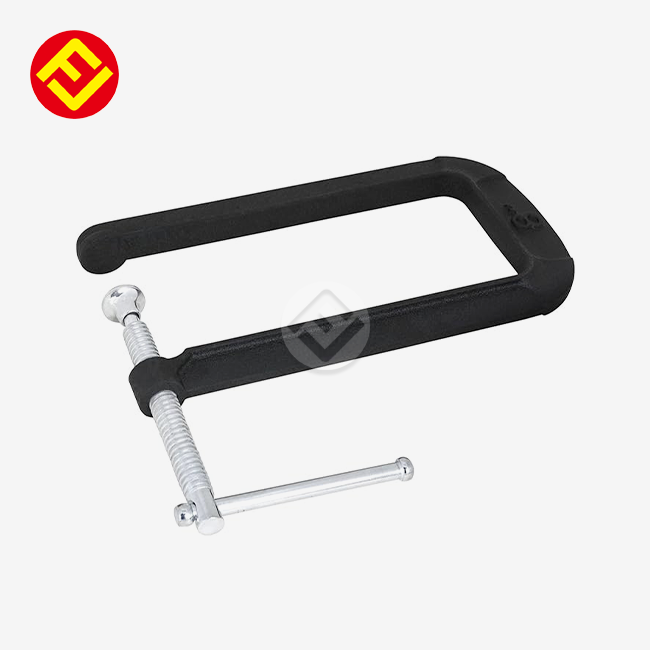
When regular clamps can't get to the center of your piece of work, you have to slow down production and get more frustrated. With its extended frame geometry, the T-Clamp">12 deep throat clamp solves this ongoing problem, letting fabricators, woodworkers, and builders apply firm, controlled pressure deep within parts that regular tools can't reach. In metalworking, furniture making, pipe installation, and structure construction, this special clamping solution turns impossible jobs into regular ones.

Specifications |
||
| Type | Model | Dimensions |
| Deep Throat Clamp | Deep Throat 1.5 Inch | 35× 110 MM |
| Deep Throat Clamp | Deep Throat 2 Inch | 46× 140 MM |
| Deep Throat Clamp | Deep Throat 3 Inch | 82× 110 MM |
| Deep Throat Clamp | Deep Throat 3 Inch | 85× 185 MM |
| Deep Throat Clamp | Deep Throat Large 3 Inch | 95× 250 MM |
| Deep Throat Clamp | Deep Throat 4 Inch | 105× 186 MM |
| Deep Throat Clamp | Deep Throat Large 4 Inch | 110× 305 MM |
Understanding the Challenge of Deep Reach Clamping
Why Standard Clamps Fall Short in Industrial Applications?
Every day, the same thing happens on building sites and factory floors across the United States: workers have a hard time securing parts that are far from the sides that they can reach. Standard clamps with narrow mouth depths (usually between 2 and 4 inches) don't cover important gripping areas. Pressure needs to be applied to the middles of cabinet backs, behind flanges on steel beam webs, and in tight spaces where hands and tools can barely fit on pipe assemblies.
The effects go beyond being inconvenient. When clamping force is concentrated only at the sides of the workpiece, materials warp when they are welded, glue joints get holes in the middle, and pieces move when they are being fastened. Construction companies and furniture makers say that clamping reaches that are too short cause projects to take longer and more materials to be thrown away. Larger pieces of work—like 12-inch panels, deep drawer sections, and wide-flange structural members—make the problem worse because standard tools can't reach the key clamping point from the edge of the piece.
The Technical Gap Between Reach and Stability
When using 12 deep throat clamps, engineers have to deal with some unique problems. Longer moment arms are made by extended throat frames. This may lower the pressing force at the jaw face or allow it to bend when it's under load. To stop the common "walking" problem, where clamps slowly move to the side while being used, the spindle must stay straight over longer distances. Choosing the right materials is very important. The extended frame needs steel that has enough tensile strength to not break while still being light enough for the user to handle.
These technology needs are made worse by environments. Clamps are subject to temperature cycling and spatter sticking when they are used for welding. In woodworking shops, tools can get sticky and the temperature can change. When installing plumbing in tight areas, you need tools that work reliably even though the person can't easily make changes. These real-life situations show the difference between professional-grade extended throat clamps and cheaper versions that bend, slip, or break when used with real industrial loads.
How 12 Inch Deep Throat Clamps Work to Solve These Challenges?
Structural Design Innovations for Extended Reach
Professional 12 deep throat clamp tools have longer reach thanks to carefully designed frame architecture. Most of the time, the backbone is made of carbon steel or alloy steel that has been formed or cast into a C-shaped shape that stays rigid throughout the full throat depth. Nickel plating or industrial paint coats are two surface treatments that protect against rust without adding a lot of weight. This choice of materials gives the frame the right mix of strength and weight so that workers can position and change clamps easily while also making sure that the frame doesn't bend under working loads of up to several hundred pounds.
The locking device on a 12 deep throat clamp is another important new idea. Screw-type wheels have the most holding power and the most precise adjustment control, which is very important for matching parts for tack welding or precision glueing. Quick-adjust versions have slide systems that let you quickly move between clamping processes. This makes repetitive assembly jobs more productive. The spindle threads are hardness tested (usually between HRC 35 and 45) to make sure they don't strip or deform when workers apply a lot of force during the final tightening.
Material Compatibility Across Diverse Applications
Different types of workpiece materials need different clamping properties. When securing hardwood panels while putting together furniture, smooth finishes on the jaw faces keep them from getting marred and spread the pressure evenly across the grain patterns. In metalworking, more forceful jaw surfaces that bite into steel or aluminum are allowed and even needed to keep things from slipping during operations with a lot of shaking, like grinding or drilling. Protecting finished surfaces is often a part of installing pipes. Clamps with padded contact points keep metal or painted pipe exteriors from getting scratched.
The wide throat design can work with part shapes that are hard for normal tools to handle. When putting in cabinets, workers often have to cut through face frames to get to back panels. When structural makers put web stiffeners in place, they have to reach past the beam ends. People who work in HVAC need to apply tightening pressure at the centers of the ducts, which are far from the sides that are easy to reach. In these situations, the 12-inch throat depth gives you the room to put the clamping force exactly where the stability of the system requires it.
Selecting the Right 12 Inch Deep Throat Clamp for Your Business Needs
Critical Specifications for Procurement Decisions
When looking at extended reach binding tools for your job, throat depth is only the first thing you should think about. The highest width of the workpiece that the 12 deep throat clamp can hold is determined by the jaw opening capacity. Specifications for different models range from 35mm to 110mm, so you can match the tool's capacity to the usual dimensions of your materials. Both measures should be checked by procurement managers, since a clamp may have a deep enough throat but not wide enough jaws to hold thick bonded panels or stacked metal plates.
The quality of the frame building has a direct effect on how long the tool lasts and how consistently it works. When compared to cast frames, forged frames are usually stronger and less likely to permanently bend, but they cost more to buy originally. Forging, casting, machining, and assembly are all steps in the manufacturing process that affect both the structural stability and the accuracy of the measurements. Corrosion resistance is based on the quality of the surface treatment. Nickel plating is better at protecting metals than paint in wet or acidic environments, which is important to keep in mind for building sites near the coast or places where chemicals are used.
Weight and balance affect how well and how quickly an operator can do their job. A clamp that is too heavy to hold with one hand makes it harder to work for long periods of time and increases the chance of dropping it, which can damage both the tool and the object. On the other hand, a structure that is very light might not have enough material strength to prevent deflection under load. It's important to pay attention to the balance point. Clamps that feel front-heavy or awkward when placing slow down work and can lead to repeated strain injuries during high-volume production.
Application-Specific Selection Criteria
Hardware stores and tool sellers should keep a variety of throat depth and jaw opening combos on hand to meet the needs of a wide range of customers. Because they work with structural materials and have to deal with tough job site conditions, construction workers usually put maximum clamping force and sturdiness ahead of weight. When they decide what to buy, they often look for tools that can handle being hit, exposed to the weather, and heavy daily use on a number of different job sites.
When making woodworking or furniture, selection factors for a 12 deep throat clamp are used in different ways. These places care about evenly distributing tightening pressure so that glue joints don't fail and finished parts don't get surface damage. In production settings where workers change dozens of similar parts every day, the quick-adjust mechanism is especially useful. Plant managers like clamps that keep their change settings even after being used many times. This cuts down on the time needed to set up the clamps for each use.
Companies that install electrical systems and HVAC systems need tools that work reliably in small areas with limited access and lights. When installing behind walls or above ceilings, mistakes are less likely to happen when the clamps have clear throat depth marks and easy-to-use adjustment mechanisms. When exposed to insulation materials, wetness, and temperature changes that happen a lot in these situations, corrosion protection is very important.
Best Practices & Safety Tips When Using 12 Inch Deep Throat Clamps
Proper Setup for Maximum Performance
For clamping activities to go well, the contact areas must be clean and properly prepared. Putting metal bits, sawdust, dried glue, or paint overspray on the jaw sides of a jaw saw lowers friction, which lets workpieces slide under pressure. Before each use, operators should check and clean the touch areas to get rid of any dirt or debris that could weaken the holding power. Similar care needs to be given to the spindle threads; buildup of dirt makes it harder to fix and can lead to cross-threading, which breaks the mechanism.
Common problems that make gluing less effective can be avoided by placing the 12 deep throat clamp right on the workpiece. The jaws should make straight contact with the workpiece, spreading the pressure out widely instead of focusing it on one edge. When the spindle axis tilts in relation to the object, uneven pressure builds up and can break materials that are weak or distort materials that are flexible. These problems can be avoided by taking an extra moment to check perpendicular alignment before applying full clamping force. This also keeps the unit stable during future operations.
How you tighten things has a big effect on both how well the clamps work and how long the tools last. Instead of pulling or beating on the handle, operators should apply steady, smooth pressure. This will keep the frame and spindle from being shocked. Pipe extensions or "cheater bars" should never be used to increase leverage because they create force that is higher than the frame's planned load capacity, which can cause it to permanently bend or break. When the clamp is the right size for the job, hand-tightening it properly is enough to clamp it in place for most tasks.
Maintenance Protocols for Extended Service Life
Regularly lubricating clamps keeps them working smoothly and extends their useful life. In busy production areas, dry-film molybdenum lube should be applied to the spinning threads once a week. This type of lube doesn't attract dust and dirt like oil-based ones do, so it stays clean longer. People who work near welding operations should make sure the swivel pad can move easily and remove any fused spatter right away. Solidified weld spatter stops the pad from conforming to the sides of the workpiece, putting pressure on small contact areas that damage the materials.
As part of regular inspections, you should look for frame deflection or lasting deformation, worn spindle threads, and damage to the jaw face. Frames that don't return to their original shape after the binding pressure is released are overstressed and should be taken out of service so they don't break suddenly when they're under load. If the peaks of spindle threads are broken or flattened, they need to be replaced. Continuing to use them will speed up wear and finally cause thread stripping during important operations. Files can be used to smooth out rough jaw surfaces again, but too much material removal can make the measurements less accurate.
How you store tools affects how they work between uses. If you store clamps in damp places without protecting them from rusting, rust will form on the surfaces and stop moving parts. If tools will be left useless for long periods of time, facilities should set aside dry storage areas and coat them with protective coatings. Sorting clamps by size and type cuts down on the time workers have to spend looking for the right tools and the damage that can happen when frames and spindles bump into each other in a mess of a pile.
Conclusion
In conclusion, extended throat clamping tools used to be specialized items, but now they are commonplace in the production, installation, and building industries. Strong frame construction, precise spindle mechanisms, and the right surface treatments are some of the technical improvements that make it possible for reliable performance at 12-inch throat levels. These improvements solve real operating problems that regular clamps can't. If the person in charge of purchasing knows how certain design features relate to the needs of an application, they can choose tools that increase output, lower unnecessary waste, and last for many years. Buying professional-grade 12 deep throat clamps is a good idea because they speed up assembly, cut down on quality problems, and make workers safer in a wide range of industry settings.
FAQ
What differentiates deep throat clamps from standard models?
The main difference is the throat depth, which is the distance from the frame to the jaw face that clamps. Most standard clamps have a reach of two to four inches, which is long enough for edge gluing tasks. Extended throat types like the 12 deep throat clamp have a reach of six inches or more, so you can get to the middle of a project or get to places that are blocked off. For this shape, the frame needs to be built stronger so that it doesn't bend over the longer span. If the tool is properly designed, the longer reach doesn't have to mean less maximum gripping force.
Can these clamps be customized for unique industrial applications?
Manufacturers with advanced manufacturing skills can make throat depths, jaw holes, and frame shapes that aren't standard to meet specific operating needs. Custom changes could include coats on the jaw faces that are made for certain materials, longer handles for easier access in tight spaces, or frames that are stronger to hold very heavy loads. During the customization process, you usually have to give thorough specs or examples of how the clamping will work. Depending on how complicated the change is, production wait times for custom setups are usually between one and three weeks.
How do I verify compatibility with existing equipment and workflows?
As part of the compatibility study, the physical measurements, clamping force needs, and working environment factors should all be looked at. Not just the average sizes, but also the biggest pieces you can find, you need to measure the throat depth and jaw hole that your individual workpieces need. Think about how much space there is around the clamp; the frame and handle must fit in the space that's available without getting in the way of other parts or the user. If you work with soft metals, finished surfaces, or heat-sensitive materials that need extra jaw safety, material compatibility is important.
Partner With FLA Industrial & Trading Co., Ltd. for Your Deep Throat Clamp Requirements
FLA Industrial & Trading Co., Ltd. has everything that purchasing managers need in a trusted 12 deep throat clamp manufacturer. We have been making clamps out of carbon steel and alloy steel for almost 40 years. The clamps can be nickel-plated or painted, and they are made to last in harsh industrial settings. The range of Products" target="_blank" style="color:blue" >products has throat lengths from 1.5 inches to 4 inches and different jaw opening abilities. The products are backed by ISO 9001 and CE certifications, which show that they always meet safety and quality standards. We can meet the needs of both pressing project needs and specific application needs because we have over 2,000 tons of goods ready to ship right away and can make custom configurations in 7 to 15 days. Email our expert team at sales@flaindustrial.com to talk about buying in bulk, get full specs, or set up a sample evaluation that is tailored to your unique business needs.
References
"Industrial Clamping Technology: Design Principles and Application Guidelines," American Society of Mechanical Engineers, 2021.
"Material Selection for Hand Tools and Clamping Devices," Society of Manufacturing Engineers, 2020.
"Quality Control Standards for Forged Steel Components," International Organization for Standardization, 2022.
"Ergonomic Design in Industrial Hand Tools," National Institute for Occupational Safety and Health, 2019.
"Corrosion Protection Methods for Steel Tools in Industrial Environments," NACE International, 2021.
"Structural Analysis of Extended Frame Clamp Designs," Journal of Manufacturing Science and Engineering, 2020.