Durable Light-Duty C-Clamp for Workshop and Assembly Tasks
2026-07-28 14:13:18


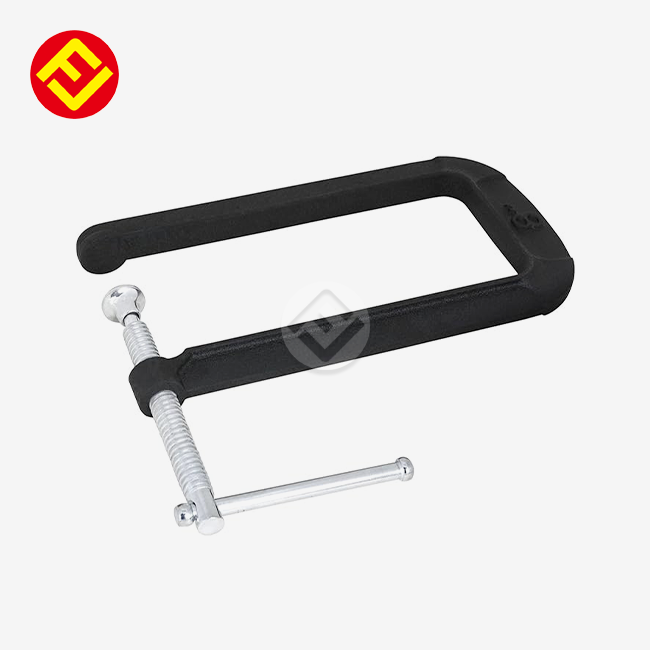
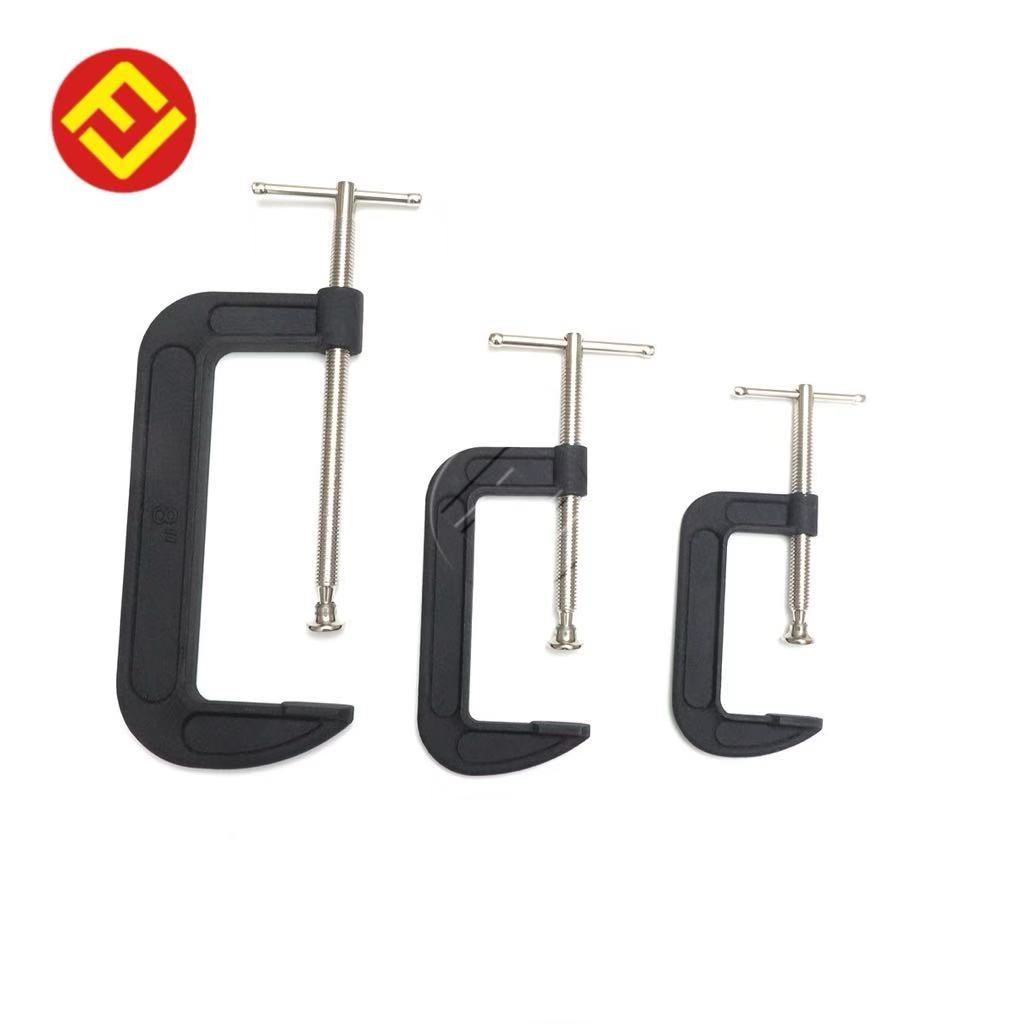
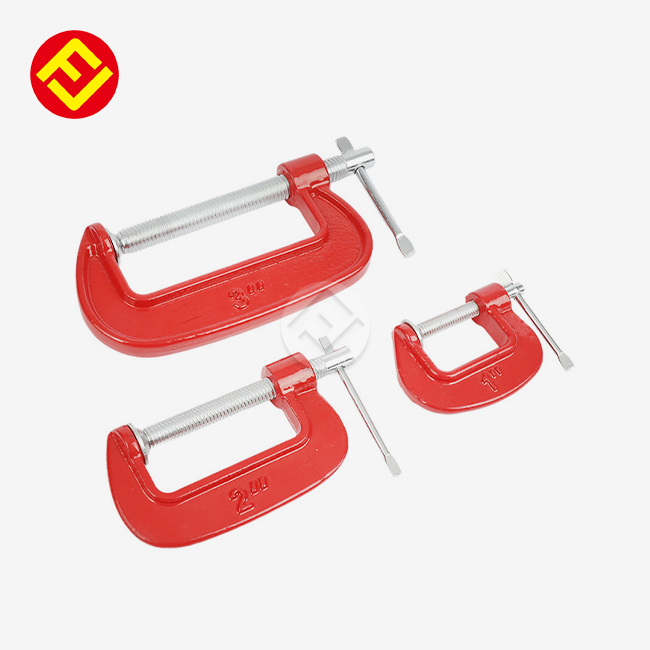
A strong Light-Duty C-Clamp is an important fixing tool for modern workshops because it allows for controlled binding pressure and is very portable. This clamp can clamp between 400 and 1,200 pounds, depending on the size of the opening. It was made for carpentry, light metalworking, and assembly work. The frame is made of flexible cast iron, which is both strong and light. This lets workers secure their workpieces without worrying about the material warping or getting tired. When paired with precisely machined steel screw rods and protective finishes, these clamps become valuable assets for procurement managers looking for low-cost solutions that keep their measurements even after thousands of uses in damp places.


Specification |
|||
| Specification | Depth(mm) | Maximum Opening (mm) | Overall Dimension (mm) |
| 1 Inch | 28 | 25 | 75x45x12 |
| 2 Inch | 33 | 58 | 115x53x18 |
| 3 Inch | 65 | 86 | 170x95x25 |
| 4 Inch | 70 | 110 | 204x106x28 |
| 5 Inch | 80 | 140 | 245x115x28 |
| 6 Inch | 85 | 160 | 275x120x28 |
| 8 Inch | 105 | 220 | 330x150x30 |
| 10 Inch | 105 | 260 | 375x155x30 |
| 12 Inch | 115 | 310 | 440x170x33 |
Understanding Light-Duty C-Clamps: Features, Benefits, and Usage
Modern clamping tools are the result of decades of progress in metalworking and mechanical design. After making things for almost 40 years, FLA Industrial & Trading Co., Ltd. knows what workshop supervisors and plant managers need most from the tools they use every day.
Core Components and Construction
Our clamps have frames made of cast iron that can be shaped. These frames go through controlled heat treatment processes to make them as flexible as possible. Grey cast irons are flimsy and break easily when they are suddenly stressed. But malleable iron has a molecular structure that lets it absorb impact and handle small pressure without breaking completely. The steel screw rods are made with precision and use ACME thread shapes instead of V-threads. This reduces friction while the rods are turning and spreads the load more evenly across the thread sides. This choice made by engineers greatly increases the useful life of the product, especially in dusty places where debris builds up quickly and speeds up wear. The swivel pad device has a ball-and-socket joint that can adjust to surfaces that aren't straight. This makes sure that the pressure is spread evenly, even when clamping tapered furniture legs or slightly warped sheet metal. The painted finish keeps rust from forming in damp workshops, so the tools last longer than uncoated ones that rust after a few months of being exposed to salt air or water in an underground facility.
Primary Industrial Applications
Controlled pressure properties are very helpful for woodworking processes. When sticking together veneer sheets or glueing parts together while they cure, using too much force can damage the wood fibres and leave marks that need more work to be fixed. The ergonomic design of the handle lets operators get the right amount of holding force without overtightening. This keeps the workpiece intact while keeping the handle in place. Light metal production shops use these clamps to hold thin sheets of metal in place before they join or spot weld them. Workpiece reach is determined by the throat depth, which is the distance from the screw axis to the inner edge of the frame. Choosing the right size is therefore very important for efficient production. These tools are used in technical training programs at schools so that students can learn how to clamp properly without the dangers that come with heavy-duty industrial equipment. The lightweight design keeps operators from getting tired during long training sessions, which helps them remember their skills and follow safety rules.
Operational Benefits and Performance Metrics
In field activities, portability is one of the most important benefits. Construction companies like clamps that techs can easily carry in regular tool belts, so they can be quickly set up in different places on the job site. The small throat depth design can fit into places that bar clamps or parallel clamps can't, like the inside of cabinets or places where electronic enclosures are put together. Because they come in a range of sizes, they can be used for projects from small crafts to putting together furniture. This means that procurement managers can standardise their inventory around a single clamp family instead of keeping different tool categories. Its low-cost, malleable iron construction allows for professional results at acquisition costs that are within the reach of budget-conscious hardware stores and factories.
Light-Duty Versus Heavy-Duty C-Clamps: Choosing the Right Clamp for Your Needs
When businesses decide what to buy, it helps to have a good idea of the changes in the materials' composition and their load capacities. There are more differences between clamp categories than just their strength ratings. There are also performance characteristics that are specific to each application.
Material Composition and Load Specifications
Heavy-duty clamps usually have drop-forged steel frames with square thread shapes that are made to hold more than 2,000 pounds for a long time. When structural welding, these clamps are used because the frame's rigidity keeps it from bending under high torque. Light-Duty C-Clamps, on the other hand, use iron castings that are easy to shape and are best for loads between 400 and 1,200 pounds. This keeps the part from getting crushed during sensitive assembly tasks. Choosing the right material has a direct effect on how the weight is distributed. For example, drop-forged steel clamps weigh a lot more than pliable iron clamps with the same throat depth. When techs have to move dozens of clamps to high work platforms or small places, this difference in weight becomes important. The tensile strength of malleable iron is usually between 50,000 and 60,000 psi, which is strong enough for general workplace uses while still being flexible enough to absorb vibrations from nearby powered equipment.
Application-Specific Use Cases
When working with wood, it's important to keep the pressure just right so that softwoods like pine and cedar don't get surface marks. In these situations, Light-Duty C-Clamps work best, especially when paired with safety cauls that spread force over a larger contact area. For example, when putting together a chair frame, these clamps are used because several parts need to heal at the same time without moving out of place. Because it runs smoothly, operators can make small changes to the position of the clamps without fully removing them. This improves the accuracy of the assembly and speeds up the cycle time. Fabrication shops that work with 16- to 20-gauge sheet metal can use controlled pressure to keep the metal from buckling when using a drill press or an adhesive bonding process. Heavy-duty clamps would put too much stress on these thin materials in one place, permanently deforming parts so they can't be used.
Common Performance Issues and Maintenance Considerations
Thread wear is the main way that both types of clamps fail, but the basic reasons are very different. Light-Duty C-Clamp threads collect metal swarf, wood dust, and adhesive residue that speed up wear if they are not cleaned regularly. Cleaning the tool with a wire brush and applying a small amount of machine oil will keep the smooth rotation properties for as long as the tool is in use. Heavy-duty clamps have their own problems. For example, high gripping forces can sometimes cause galling between the screw and frame threads, especially in stainless steel clamps. By knowing these differences, procurement teams can set up the right maintenance procedures that will make assets last longer and keep them ready to use in a variety of manufacturing settings.

Top-Rated Light-Duty C-Clamps in 2024: Comparison and Procurement Guide
When purchasing managers look at clamping tool providers, they have a lot of choices from both well-known brands and new companies that are just getting into the market. As part of the evaluation process, product specs, warranty terms, and measures of seller trustworthiness must be systematically compared.
Market-Leading Brands and Product Features
FLA Industrial & Trading Co., Ltd. stands out because it can be customised and has quick expert help that can solve problems that only come up in certain applications. Our ISO9001 certification shows that we are dedicated to quality management systems that make sure stability from batch to batch, which is very important for industrial operations that make a lot of things. Being able to provide quotes, technical specs, and 3D models within 24 to 48 hours shortens the time needed to plan a project and lets buying teams choose tools more quickly.
Quick-Release Mechanisms Versus Standard Models
Traditional screw-adjustment clamps need to be turned the handle more than once to fully open or close the jaws. This takes time that could be used for other tasks in high-volume assembly settings. Quick-release models have triggers that separate the screw threads, which lets the jaws be quickly moved and then fine-adjusted and tightened. This hybrid method works well for situations where the size needs to change often, like furniture stores that make different types of furniture. Standard models are still the best choice when maximum holding force and long clamping duration make the slightly longer setup times worth it. Because traditional designs are mechanically simpler, they are more reliable over time, even in dirty or dusty places where quick-release mechanisms might get stuck or stop working.
Bulk Purchasing Strategies and Distribution Channels
Hardware distributors and tool wholesalers look for suppliers with competitive pricing that matches order volumes, stable quality across production batches, a wide range of SKU options that reduces the number of suppliers needed, and packaging options that keep Products" target="_blank" style="color:blue" >products safe while they're being stored and shipped. Building ties with makers that can ship by container load lowers the cost per unit and makes sure that inventory is always available for resale. Suppliers that can be trusted have consistent lead times, clear quality paperwork, and helpful customer service that quickly answers questions about specifications and handles small flaw claims. Procurement experts should check the financial health and production capacity of suppliers to lower the risk of supply chain disruptions that hurt customers further down the chain and the reputations of distributors.
How to Choose the Best Light-Duty C-Clamp for Your Workshop and Assembly Tasks
To choose the right clamping equipment, you need to carefully consider its operational needs, material compatibility, and performance requirements, all of which have a direct effect on the results of the production process.
Evaluating Clamping Force and Ergonomic Design
How well workers can secure the item without going over the safe force limits is based on the relationship between handle torque and jaw pressure. Cast iron frames that can be shaped easily have predictable elastic behaviour. They bend slightly when they are loaded and then return to their original shape when the pressure is released. This feature gives workers physical feedback that they can use to measure applied force without using instruments. Ergonomic handle design affects how comfortable an operator is when using a tool for a long time. For example, T-handle configurations distribute grip pressure across palm surfaces more effectively than ball-end handles, which focus force on smaller contact areas. A mechanical advantage multiplier is created by the length of the handle. Longer handles create higher clamping forces with the same amount of human effort, but they also increase the risk of frame damage if they are overtightened by unskilled users.
Jaw Opening and Throat Depth Specifications
The biggest cross-section of a workpiece that the clamp can hold is determined by the maximum jaw opening. This can be anywhere from one inch for tiny models to twelve inches for deep-throat models. When making purchases, procurement managers need to think about not only what is needed for current production, but also what might be needed in the future that might need more space. The throat depth tells you how far the clamp can go onto a piece of work. This is important for holding panels or parts in place when edge clamping doesn't work. The standard throat depth is about half of the highest jaw opening. Deep-throat types, on the other hand, make this ratio bigger so that you can get to the inside of the workpiece. Material compatibility concerns go beyond mechanical requirements and include surface protection needs. Softwoods and finished surfaces are better protected by clamps with larger swivel pads that spread pressure over larger contact areas, preventing compression marks that need to be fixed by finishing.
Industry-Specific Recommendations and Customization Opportunities
Maintenance, Safety, and Best Practices for Longevity and Performance
Systematic repair plans and strict safety rules have a direct effect on how long tools last and how many injuries happen at work. The best return on procurement spending is seen when they are paired with planned care routines that keep operations ready.
Cleaning, Lubrication, and Storage Protocols
Using wire brushes to clean threads on a regular basis gets rid of built-up dirt that speeds up wear and increases spinning friction. Abrasive compounds are made up of wood dust, metal particles, and adhesive residue. These compounds score the thread surfaces, which can lead to binding or complete seizure. Using light machine oil or a dry lubricant after cleaning keeps things running smoothly and stops rust from forming while they are being stored. Periodically, operators should turn screw mechanisms through their full travel ranges to spread lubricant evenly and keep thread sections that aren't used very often from rusting. The conditions in which tools are stored have a big effect on their state. For example, humidity levels above 60% speed up oxidation, even on painted surfaces, and changes in temperature cause condensation, which starts corrosion under protective coats. Keeping the temperature and humidity in tool boxes under control makes clamps last a lot longer than storing them in damp basements or outdoor sheds without any protection.
Proper Application Techniques and Safety Considerations
The job piece's security and the worker's safety are directly affected by where the clamp is placed. When clamps are installed at an angle, they create lateral forces that may move assemblies during the curing of adhesives or machining operations. When clamps are installed perpendicular to joint lines, they create the most holding force. When securing large assemblies, operators should slowly tighten clamps by switching between multiple units to keep the pressure even. Too much tightening causes stress concentrations that aren't needed and hurt both the workpieces and the clamp frames. The T-handle design has a safety feature: if too much torque is applied, the handle bends before the cast iron frame breaks, showing that the maximum force has been reached. Because replacement handles are much cheaper than whole clamps, this mode of failure is more cost-effective than catastrophic frame damage.
Extending Tool Lifespan Through Structured Programs
Formal tool management programs in manufacturing facilities lead to significantly longer average clamp service lives compared to operations that rely on less formal maintenance methods. Inspections that are planned ahead of time find problems like thread wear, pad retention issues, or frame cracks before they get bad enough to stop production. Documentation systems that keep track of how each tool has been used over time make it possible to make repair decisions based on real wear patterns instead of random time periods. Since working with FLA Industrial & Trading Co., Ltd., several Fortune Global 500 partners have started using these methods, which have led to measured drops in the costs of tools and unplanned downtime. Case studies from companies that make furniture show that organised repair programs can increase the average life of clamps from three years to seven years. This increases the return on procurement investments by a large amount while keeping quality standards the same throughout production cycles.

Conclusion
Selecting durable clamping solutions requires balancing immediate budget considerations against long-term operational value and reliability. The lightweight cast iron, precisely machined steel parts, and corrosion-resistant finishes of high-quality Light-Duty C-Clamps make them perform well and justify the initial investment over many years of reliable use. Procurement managers in hardware sales, building contracting, woodworking production, and assembly businesses can save time and money by working with suppliers that offer a wide range of products, the ability to customise them, and quick technical support. FLA Industrial & Trading Co., Ltd. has been making things for 40 years and is dedicated to high standards that are recognised by business partners in North America, Europe, and the Pacific. Proper maintenance and structured tool management programs make assets last longer and keep workers safe, creating value that grows over time and goes far beyond the cost of acquisition.
FAQ
What jaw opening size should I select for woodworking applications?
Look at the sizes of your usual workpieces and add 20% more space for future jobs. For furniture construction, openings of four to six inches are common, while six to eight-inch sizes are better for cabinets. Throat depth is also important—deeper throats make it easier to get to panel centers when applying edge banding or veneer.
How do light-duty C-clamps compare with bar clamps for assembly work?
Light-Duty C-Clamps are great for applying pressure to a small area and getting into tight spaces where bar clamps can't go. Bar clamps are better because they can reach across wide panels and spread force along long lengths. Many shops have both kinds of tools and choose which ones to use based on the shape of the job and how much pressure needs to be applied.
Can these clamps secure materials without surface damage?
Yes, as long as safety caulks or larger swivel pads are used correctly. Because the pressure is managed, softwoods and smooth surfaces don't get crushed. Metals and hardwoods can handle direct contact, but operators should check the condition of the pads often to make sure the smooth surfaces are free of debris that could damage the workpieces.
What maintenance frequency ensures optimal performance?
If you're using threads for sticky or dusty jobs, clean them every time. If not, once a week is enough for general workshop use. Lubricant should be used once a month or whenever there is a noticeable rise in rotation resistance. Frame integrity, thread condition, and swivel pad retention should all be checked once a year to find parts that need to be replaced before they break.
Partner with a Trusted Light-Duty C-Clamp Manufacturer
To make the most of your procurement strategy, you should start by choosing suppliers who know what your industry needs and can consistently deliver quality. Manufacturing leaders all over the world trust FLA Industrial & Trading Co., Ltd. because they offer a wide range of products that can be ordered in large quantities, can be customised to solve unique application problems, and offer expert advice that is tailored to each project's needs. Within 24 to 48 hours, our technical team gives you quotes, detailed specifications, and 3D models, which speeds up the planning process and the execution of your project. Our dedication to quality management is backed by ISO9001 certification, which makes sure that every clamp meets international standards before it is shipped. Email our sales team at sales@flaindustrial.com to talk about ways to make your assembly line more efficient, cut costs, and protect your investment with the best quality and service in the business. Benefit from working with a provider that is dedicated to your business success and long-term productivity goals.
References
1. Anderson, M. (2023). Industrial Clamping Systems: Engineering Principles and Applications. Manufacturing Press International.
2. Chen, L. & Rodriguez, P. (2022). Metallurgy of Hand Tools: Material Science in Workshop Equipment. Technical Publications Ltd.
3. Industrial Fastener Institute. (2024). Standards for Temporary Fastening Devices in Manufacturing Environments. IFI Technical Report Series.
4. Martinez, R. (2023). Procurement Strategies for Workshop Consumables and Durable Tools. Supply Chain Management Quarterly, 18(3), 45-62.
5. Thompson, J. & Williams, K. (2022). Safety Protocols in Modern Woodworking and Metal Fabrication Facilities. Occupational Safety Research Journal, 29(4), 112-128.
6. Zhang, W. (2024). Quality Control Methods in Cast Iron Tool Manufacturing. International Journal of Manufacturing Engineering, 41(2), 78-95.