Ensuring Elevator Safety with Precision Guide Rail Clamps
2026-07-01 15:40:55


When talking about the safety of vertical transportation, elevator guide rail clamps are very important parts that have a direct effect on how well the system works and how safe the passengers are. These highly-engineered parts hold guide rails securely to building frames. They keep the rails in place and absorb dynamic forces while the lift moves. If they are properly chosen and installed, lift systems will either provide smooth, safe rides or have problems like shaking, misalignment, and possible breakdowns that put building occupants at risk.
Products" target="_blank" style="color:blue" >products">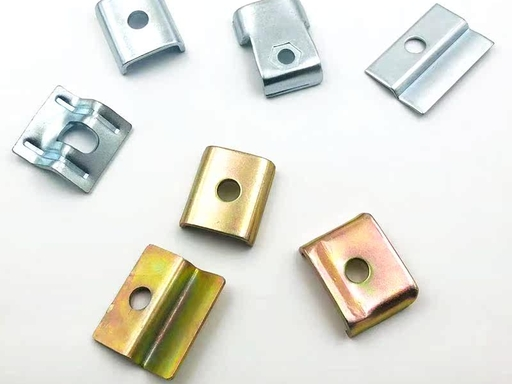
Specification |
||
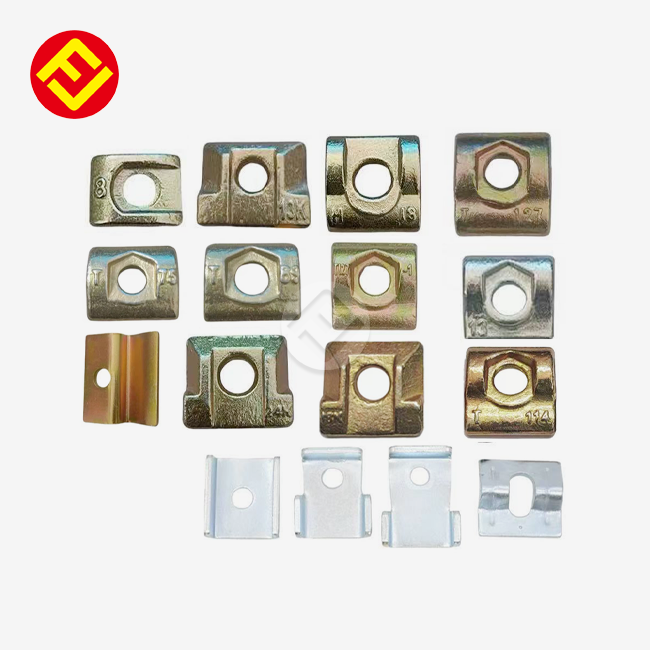
| Product Specification | Nominal Thread (M) | Nominal Length (mm) |
| 8K | 3 | 12-40 |
| 13K | 13 | 12-40 |
| 18K | 18 | 16-50 |
| 24K | 24 | 16-50 |
| 8K(12-40 Screw/Flat/Washer) Complete Set | 3K(12-40 Screw) | (12-40 Screw) |
| 13K (12-40 Screw/Flat/Washer) Complete Set | 13K(12-40 Screw) | (12-40 Screw) |
| 18K (16-50 Screw/Flat/Washer) Complete Set | 18K(16-50 Screw) | (16-50 Screw) |
| 24K(16-50 Screw/Flat/Washer) Complete Set | 24K(16-50 Screw) | (16-50 Screw) |
Understanding Elevator Guide Rail Clamps and Their Role in Elevator Safety
What Are Elevator Guide Rail Clamps?
Elevator guide rail clamps connect the non-moving parts of a building to the moving parts of a lift. Unlike simple bolts, these parts have two jobs to do: they keep the rails in place so the ride is smooth, and they also allow for heat expansion and structural settling. At FLA Industrial & Trading Co., Ltd., we make our clamps out of cast steel and cast iron, which we choose because they can hold a lot of weight and keep their shape even when the temperature changes.
Core Functions in Vertical Transportation Systems
Elevator guide rail clamps are responsible for more than just attaching things. They stop rail buckling, which happens when steel tracks grow without controlled relief points and can lead to fatal system breakdowns. Our clamps keep the gauge lengths between rails that are opposite each other constant. This makes sure that the safety brakes work correctly when emergency stops are needed. This level of accuracy is very important in high-speed setups where even millimeter-level errors can make the ride less smooth.
Material Selection and Safety Standards
Cast steel has a higher tensile strength than pressed steel, which makes it perfect for high-rise installations and heavy-duty freight uses. To stop corrosion, especially in seaside areas or shafts that are open to water, we use hot-dip galvanising or industrial-grade paint finishes. Our production methods are in line with ISO9001 quality management standards and EN81 safety certifications. This makes sure that every part meets the strict European safety standards for lift systems.
Types Used Across Different Applications
Fixed clamps offer complete security in low-rise apartment buildings and hydraulic systems where heat flow is low. Some sliding clamps have springs inside them that let you control the movement of the vertical rail. This is important for setups longer than forty meters, where temperature expansion is a factor. FLA Industrial manufactures both types, and they work with the T89, T75, and H18 rail profiles that are often used in business and industrial jobs.
Key Considerations for Choosing the Right Elevator Guide Rail Clamps
Evaluating Load Capacity and Material Durability
Managers in charge of buying things should compare elevator guide rail clamps load rates to what is needed for the job, taking into account both static weight and dynamic forces that happen during operation. As a result, cast iron clamps are very good at lowering vibrations and noise in occupied areas, which is an important factor to consider for both hotel and home settings. The makeup of a material directly affects how long it lasts. For example, our Q235B and Q345 steel grades have yield strengths that can handle lateral forces during the activation of safety gear without permanently deforming.
Compatibility with Rail Profiles and Elevator Types
Rail profile support is a requirement that can't be changed. A clamp made for T127 rails with a 16-millimeter flange diameter can't properly hold down T90 rails that are only 10 millimetres thick, leaving dangerous gaps that let the rails move laterally. At FLA Industrial, we have standards that range from 8K to 24K, theoretical thread sizes that range from M8 to M24, and length options that range from 12 to 50 millimetres. This variety makes sure that passenger lifts, freight systems and specialised car lift installs all match up well.
Price-Versus-Quality Analysis for Long-Term Value
Lifecycle costs, not just the original buy amount, should be taken into account when making a budget. Poor clamps need to be replaced too soon, which costs more in labour and system downtime than the original saves. Because our full sets come with screws, flat washers, and all the other tools you need, you don't have to worry about compatibility issues, and installation is sped up. Buying certified parts lowers your risk of liability and the number of repair calls you have to make. This is especially important for workers who are in charge of multiple properties.
Supplier Capabilities and After-Sales Support
When you choose manufacturers with engineering help, the connection between you and the manufacturer changes from a transactional one to a partnership-based one. For unique orders, FLA Industrial offers 3D design reviews within twenty-four to forty-eight hours, so project teams can make sure the designs fit before production starts. Our expert staff helps with torque requirements, installation steps, and debugging, which is very helpful for complicated retrofit projects or when unexpected problems arise on the job site.

Installation, Maintenance, and Common Challenges of Elevator Guide Rail Clamps
Best Practices for Precision Installation
Making sure the mounting surfaces are flat and the wall brackets are aligned correctly are the first steps in a proper placement. Installers should use measured torque tools to get the tension stated by the maker, which for M12 bolts is usually sixty to eighty Newton-meters. They should be careful not to over-tighten, which can turn slide clamps into rigid fixtures. Multiple rail verticality checks stop mistakes from adding up and causing ride quality issues once the systems are up and running.
Routine Inspection Protocols
Maintenance teams should set up inspection plans that check the state of the surface, the tightness of the bolts, and the stability of the elevator guide rail clamps every three months. Shiny spots on the rails near where the clamps are placed show that they are loose and rubbing against the tracks as the car moves. For spring-type clamps to work, their elasticity must be checked. When springs are flattened, they lose their ability to adjust, turning them into set attaches. We suggest making written repair plans that include checking the torque again and looking for corrosion.
Detecting and Addressing Common Issues
Misalignment problems are usually caused by bad fitting at the start or building settlement that is too high for what was planned. When a car passes, lateral rail movement means that the clamp has failed and needs to be replaced right away instead of being adjusted. Corrosion that happens under painted surfaces might not be seen until it's already pretty bad. Hot-dip galvanising protects better by covering interior surfaces that can't be reached by normal painting methods. Our EN81-certified parts are tested with neutral salt spray for more than 48 hours to make sure they work well in harsh conditions.
Troubleshooting Performance Problems
When vibration or noise problems show up after installation, the first step in a thorough diagnosis should be to check the clamps. Only then should other system parts be looked at. When the clamp-to-rail matching isn't right, it often shows up as rhythmic noise patterns that relate to the guide roller passing. If the rails get stuck in the summer or come loose in the winter, it means that the fixed or sliding clamps are not placed correctly for the fitting height and surroundings.
Enhancing Elevator Safety: Benefits and Performance Optimization
Reducing Vibration and Improving Ride Quality
Precision-made clamps reduce the space between the rail and the mounting contact, which stops the small movements that add up to noticeable shaking. High-frequency waves are absorbed by cast iron's natural damping properties before they pass through building foundations. Passengers enjoy better acceleration changes and quieter operation, both of which raise property values in competitive real estate markets.
Compliance with Safety Regulations
Legal compliance goes beyond getting permission to put something and includes making sure elevator guide rail clamps work safely all the time. To make sure that safety gear engages evenly across both trains during emergency stopping, guide rail systems must keep their measurements accurate. Our parts are made to ASME A17.1 standards, which are recognised all over North America. This makes it easier for workers working in more than one state to make specifications and speeds up the approval process with local governments.
Innovative Design Improvements
New developments in engineering have made it possible for sliding clamps with better spring shapes to keep their gripping force constant across a wider temperature range. New developments in surface treatment, such as Dacromet coatings, make panoramic lifts resistant to corrosion at the sea level for sites near the coast. At FLA Industrial, we're always improving our manufacturing processes. We use feedback from field installations to make sure that our ideas work best in the real world, not just in the lab.
Real-World Performance Validation
A business building renovation job in the humid south showed what happens when you switch from painted clamps to hot-dip galvanised ones. Over the course of three years of tracking, the number of maintenance calls related to train alignment went down by 63%, while the galvanised finish did not change at all. These measured gains show that it makes sense for businesses to choose high-quality parts in tough situations.

Procurement and Supply Chain Insights for Elevator Guide Rail Clamps
Wholesale Versus Custom Order Strategies
Standard specs work for new building projects with standard elevator guide rail clamps lengths and standard building heights. For specific uses, like retrofits that match old rail types, setups that need specific corrosion resistance properties, or mounting designs that aren't standard, custom orders become a good value. FLA Industrial keeps 2,000 tonnes of standard products in stock so they can be shipped right away. They can also deliver special products within seven to fifteen days, so they can support both methods for buying without having to wait for longer lead times.
Understanding Lead Times and Logistics
To buy things internationally, you have to make sure that production plans, shipping windows, and project timelines all work together. Shipping containers from Chinese manufacturers can add three to five weeks to the lead times given, based on the ports of arrival and the time it takes to clear customs. Smart procurement teams buy parts early in the building process and store them on-site until the dates for installing the rails come up. This way, they don't have to worry about supply chain problems that could cause delays.
Quality Assurance and Warranty Considerations
Full guarantees show that the company that made the product is confident in its durability and performance. Standard warranty terms should cover both material faults and flaws in the way the product was made, and there should be clear steps for filing claims and getting new parts. FLA Industrial stands behind its goods with quality management that is ISO9001-certified. This includes checking the dimensions of arriving materials, checking the dimensions of finished products, and testing the loads before they are shipped. These steps keep warranty claims to a minimum while still ensuring consistent performance.
Benefits of OEM Customization and Bulk Orders
Large-scale projects benefit from OEM customisation that meets specific installation needs or adds unique features that make installation easier. When you buy in bulk, you get economies of scale that help your project's profit margins and make sure that the parts are the same for all of its lift shafts. At FLA Industrial, we can handle orders of all kinds, from small amounts needed for upkeep on existing buildings to large amounts needed for new construction that need hundreds of clamp assemblies that are all the same.
Conclusion
Elevator guide rail clamps keep the alignment from moving, allow the structure to move, and make sure that safety features work correctly when they're needed the most. Purchasing managers who put certified materials, verified manufacturing processes, and full seller support at the top of their list of priorities protect both the people who live in buildings and the names of their companies. The extra money spent on precision-engineered parts pays off in a way that can be measured: less upkeep, longer service intervals, and steady performance in a wide range of environmental conditions.
FAQ
When Should Sliding Clamps Be Specified Instead of Fixed Clamps?
For systems with trip heights of more than forty to fifty meters or in places where temperatures change a lot, sliding elevator guide rail clamps are needed. Building rules usually require them to be used in shafts that are open to the elements and where changes in temperature can be seen in the rails as they expand and contract. When temperature movement is within acceptable limits, fixed clamps work well in low-rise buildings, basement installations, and hydraulic systems.
What Torque Specifications Apply During Installation?
Depending on the bolt width and clamp design, the right torque is different. For M12 bolts, the torque is usually between sixty and eighty Newton-meters. When you under-tighten something, it lets things move, which leads to wear. When you over-tighten something, you can damage the threads or accidentally stop spring clamps from moving. Instead of using general force values, you should always look at the manufacturer's instructions for the product being put.
How Do Material Choices Impact Service Life?
Forged and cast clamps are better at keeping things rigid and reducing vibrations than stamped steel clamps. This makes them better for heavy-duty freight uses and high-speed transit systems. When installing low-duty things in homes, stamped clamps are cheaper. Surface treatments, especially hot-dip galvanising instead of painting, have a big impact on how resistant something is to rust and how often it needs to be maintained in damp places.
Partner with FLA Industrial for Reliable Elevator Guide Rail Clamp Solutions
We at FLA Industrial & Trading Co., Ltd. have been making things for almost forty years, and we know how to make vertical movement safe. Our elevator guide rail clamps seller can do more than just sell standard goods; they can also do custom engineering to meet the specific needs of each installation. We make sure that every part that leaves our plant has ISO9001 and EN81 certifications and has been through a lot of quality tests, such as load tests, dimensional checks, and rust resistance checks. Whether your project needs something shipped right away from our large collection or made to order and delivered within two weeks, our technical team is here to help you every step of the way during purchase and installation. Contact Us at sales@flaindustrial.com to talk about your unique needs and find out how precision-engineered clamps can improve safety while lowering long-term maintenance costs.
References
International Organization for Standardization. Quality Management Systems: Requirements for Elevator Safety Components. ISO 9001:2015 Standards Documentation.
European Committee for Standardization. Safety Rules for the Construction and Installation of Lifts: Guide Rail Systems and Mounting Components. EN 81-20:2020 Technical Specifications.
American Society of Mechanical Engineers. Safety Code for Elevators and Escalators: Guide Rail Installation and Maintenance Requirements. ASME A17.1-2019/CSA B44-19.
Elevator World Educational Services Foundation. Guide Rail System Design and Thermal Expansion Management in High-Rise Applications. Technical Paper Series, 2021.
National Association of Elevator Contractors. Best Practices for Elevator Component Procurement and Quality Verification. Industry Standards Manual, Fourth Edition.
International Association of Elevator Engineers. Material Science in Vertical Transportation: Corrosion Resistance and Structural Integrity of Mounting Hardware. Journal of Elevator Engineering and Technology, Vol. 47, 2022.