Heavy-Duty American F-Clamps: Built for High-Pressure Fastening
2026-07-01 15:40:57


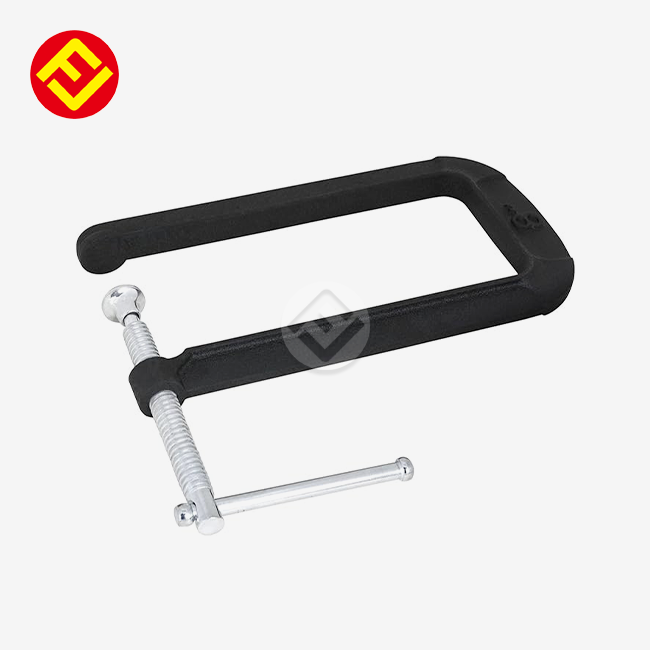
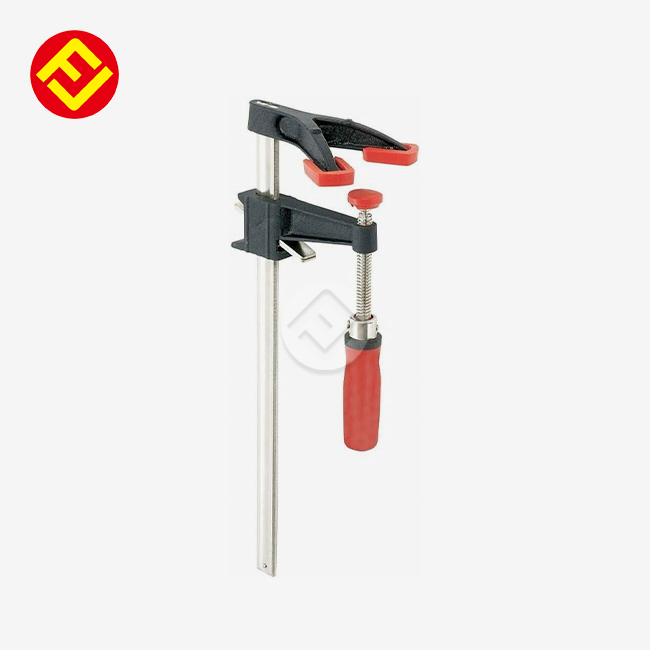
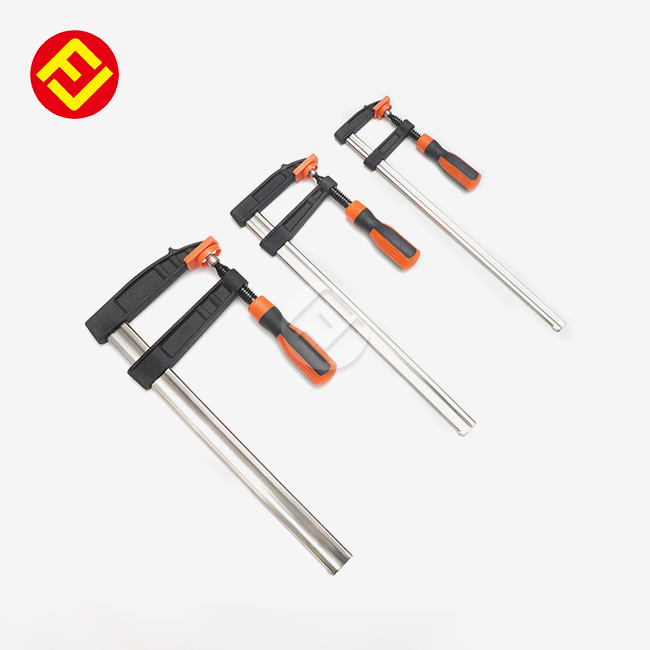
The F-Clamps/heavy-duty-american-f-clamp">heavy-duty American f-clamp is the only thing that can be used for industrial projects that need a strong grip that won't give way under a lot of stress. With bodies made of pliable cast iron and rails made of precision steel, these professional-grade clamping tools offer great holding power for welding, metalworking, building, and putting things together. Standard clamps break under long-term load, but these strong fastening devices keep the pressure steady without deflection or slippage. This makes them necessary for builders, makers, and dealers who won't settle for less than the best. Their tried-and-true design solves important problems like jaw racking, bar bending, and mechanical failure in high-stakes situations where material stability affects the success of the project directly.

Specification |
|||
| Model | Overall Length(mm) | Shearing Capacity(mm) | Standard |
| 6 Inch | 150 | Ordinary | American Style |
| 10 Inch | 250 | Ordinary | American Style |
| 12 Inch | 300 | Ordinary | American Style |
| 18 Inch | 450 | Ordinary | American Style |
| 24 Inch | 600 | Ordinary | American Style |
| 30 Inch | 750 | Ordinary | American Style |
| 36 Inch | 900 | Ordinary | American Style |
Understanding Heavy-Duty American F-Clamps: Features and Benefits
When you look at the building quality and performance specs, you can quickly tell the difference between regular clamps and industrial-grade fastening equipment. Professional clamping tools are made for tough conditions and use specific engineering concepts that set them apart from consumer-grade tools.
Superior Material Construction Ensures Longevity
The main body of FLA Industrial & Trading Co., Ltd.'s professional clamping solutions is made from high-grade malleable cast iron, which was chosen for its high strength-to-weight ratio and resistance to impact. The steel rail and screw rod are carefully machined to make sure that they can be adjusted smoothly and hold their position reliably. This choice of material makes it long-lasting enough to be used every day in tough workshop conditions where tools are repeatedly heated up, hit, and exposed to water or metal shavings. Casting, forging, cutting, and careful assembly are all parts of the manufacturing process. Our ISO9001-certified quality management system checks each step. Because of this care for material integrity, procurement managers can expect uniform performance across big orders. This lowers the chance of equipment failure and keeps costly downtime to a minimum during key production stages.
Dual Finish Options Address Varied Environmental Demands
We offer two protective finishes that are specifically designed for different operating situations because we know that industrial uses happen in a variety of settings. The painted finish works well in controlled settings like workshops that keep out too much moisture. It protects cheaply while keeping the surface smooth when it touches workpieces. On the other hand, the zinc-plated choice is better at resisting corrosion, which is important for places like building sites, outdoor fabrication yards, and places with a lot of humidity. When tools are exposed to concrete dust, metal grinding waste, or welder spatter, this protected covering makes them last a lot longer. Choosing between styles lets buying managers get the most for their money by making sure that the tool's specs are exactly right for how it will be used, rather than including too many safety features that won't be needed.
Comprehensive Size Range Accommodates Diverse Applications
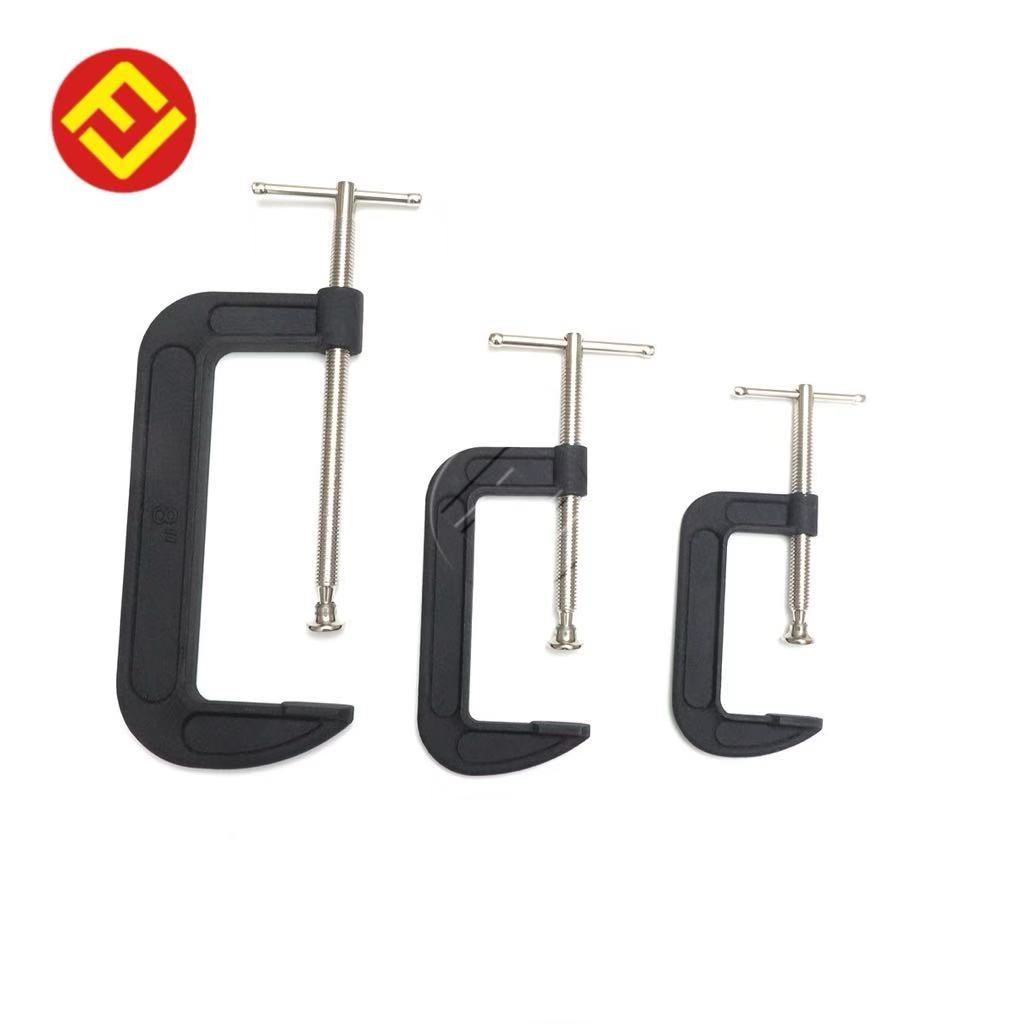
Over the course of seven different size categories—from small 6-inch models to huge 36-inch ones—our production line can meet all of the tightening needs of different businesses. When room is limited, smaller units are better for putting together furniture and cabinets because they are easier to move around. On the other hand, mid-range units are good for general woodworking and light metalworking jobs. The bigger clamps are necessary for solid wood lamination, wide panel glue-ups, and steel fabrication where the span needs to be bigger than what normal tools can handle. This all-around approach for sizing lets wholesalers keep full lines of Products" target="_blank" style="color:blue" >products on hand for a wide range of customers, from small-scale manufacturers to independent craftspeople. Being able to define the exact throat depth and opening capacity keeps users from getting frustrated when they can't reach something or it's too big. This improves both working efficiency and workspace utilisation.
How to Use Heavy-Duty American F-Clamps Safely and Effectively
Knowing the right way to use and take care of heavy-duty American f-clamps is important for getting the most out of it while also keeping the user and the object safe. Systematic methods that make sure consistent results and extend the life of tools are helpful for professional craftspeople and industry workers.
Step-by-Step Operational Guidance
Preparing the surface is the first step in placing the clamps correctly. Make sure that the contact points are clear of any dirt, oil, or glue that could make it harder to hold on or damage the finished surface. Before placing the clamp, the sliding jaw should be changed to get close to the right opening. This will keep the threads from wearing out from too much screw spin. When tightening, slowly apply force while keeping an eye on the line of the part and looking for signs of uneven pressure distribution, such as material distortion or joint movement. The form of the ACME-threaded screw gives it a mechanical edge, so you don't have to use too much force or extension tools that could damage the structure. As much as possible, operators should hold clamps straight on to the workpiece. Applying clamps at an angle creates horizontal forces that weaken the gripping force and can cause the jaw to slip off the serrated rail.
Maintenance Practices That Extend Operational Life
Lubricating the threads is the most important part of upkeep because it stops galling and binding, which can turn smooth operation into a stressful struggle. When screw threads are used normally, we suggest adding lightweight machine oil once a month. In dusty settings, where particulate contamination speeds up wear, this should be done more often. The serrated rail needs to be cleaned with a wire brush and solvent every so often to get rid of sawdust, metal filings, or concrete waste that has built up and is stopping the clutch plate from connecting properly. How you store things has a big effect on how long they last. Hanging clamps upright or putting them on special racks keeps the bars from deforming from weight stacking and makes the adjustment mechanisms easy to check. These simple practices, which only take minutes per tool, can add years to a tool's useful life. This gives buyers a big return on their purchases because the tools don't need to be replaced as often and keep working the same way.

Comparing Heavy-Duty American F-Clamps with Other Clamping Solutions
It's helpful for procurement choices to know how different clamping technologies meet the needs of different applications. This way, the best tools can be chosen for each situation instead of using a one-size-fits-all method for heavy-duty American f-clamps.
Strength and Durability Advantages Over Alternative Designs
Regular F-clamps have thinner steel bars and simpler casts, which means they can only hold about 300 to 400 pounds at a time. Professional-grade models, on the other hand, can usually hold 600 to 1200 pounds without bending. Bar clamps have a longer reach, but they don't have the deep throat capacity that is needed for building cabinets and furniture where clamps need to reach past face frames or aprons. Pipe Clamps are a cheap way to make long pieces, but they don't have the hard parallel jaw alignment that makes sure the pressure is evenly spread across glue joints. Quick-release systems prioritise speed of adjustment over long-term holding power. This means they are good for brief placement but not good for clamping overnight while adhesive cures. When buying managers understand these trade-offs, they can make tool inventories that meet the needs of real workflows instead of just using tried-and-true options that might not give the best performance.
Brand Considerations for Strategic Procurement
There are a number of well-known makers of professional clamps, and each one offers something different that should be considered when making a purchase choice. BESSEY puts a lot of emphasis on precise manufacturing and long warranties. Their high prices are supported by the fact that their goods are very consistent across large production runs. Irwin has a large network of distributors and reasonable prices, which make their products appealing to buyers who want to save money. Jorgensen has a long history of making products that last, which is especially important to large buyers who have long repair cycles. Dewalt and Milwaukee use their strong positions in the power tool market to offer combined tool systems. When it comes to buying choices, battery compatibility and brand consolidation are the most important factors. Porter-Cable aims for the mid-market area with speed and ease of access that are just right. With almost 40 years of experience in manufacturing, FLA Industrial & Trading Co., Ltd. makes professional-grade clamping solutions that compete directly with these well-known brands. We offer unbeatable value by working directly with manufacturers, allowing for extensive customisation, and providing quick technical support that meets the needs of hardware distributors and OEM partners.
Procurement Guide: Finding and Buying Heavy-Duty American F-Clamps for Your Business
When you're looking for professional heavy-duty American f-clamps, you need to think about more than just the price per unit. You need to think about the total cost of ownership, the stability of the supply chain, and how well the equipment fits your needs.
Assessing Project-Specific Requirements
To choose the right size, you should first find out what the maximum span and throat depth are for normal uses. Then, you should add 15-20% capacity as a cushion to allow for rare projects that are too big without having to change tools. Considerations about material suitability go beyond just grip needs. For example, metalworkers value hardened contact points that don't bend because steel is rigid, while woodworkers value smooth jaw faces that won't damage finished surfaces. Clamping capacity specs should be based on real force needs instead of aiming for highest ratings that aren't needed. This is because tools that are too big make them harder to handle and make the area more cluttered. Volume needs are very different for end users who buy single tools, sellers who stock stores, and original equipment manufacturers (OEMs) who add clamps to pre-packaged equipment sets. When you buy in bulk through B2B platforms, you save a lot of money per unit and build ties with suppliers that will help you talk about customisation in the future and get your orders filled faster during times of high demand.
Logistics and Supply Chain Considerations
When you buy things from other countries, you have to be careful about how you plan your shipping times, especially when you have to work with project schedules or yearly inventory builds. Ocean freight from Asian production hubs usually takes 4 to 6 weeks to get to its destination, plus time for customs clearance, which depends on the port and how full the paperwork is. Air freight speeds up delivery but greatly raises the cost per unit, so it's only a good option for urgent restocking or high-value speciality items. When you mix packages of different types of goods, you get the most out of each container and save money on freight costs. This supports buying strategies that plan to buy clamping tools at the same time as other hardware. When you place a big order, payment terms and protection against currency fluctuations become very important. This is because good plans can help keep prices low while reducing your financial risk. Through our well-established logistics network, FLA Industrial & Trading Co., Ltd. offers flexible shipping plans, including discounts for full containers and help with paperwork that makes foreign buying easier for buyers all over North America.
The Legacy and Future of American Heavy-Duty F-Clamps
Knowing how professional heavy-duty American f-clamps have changed over time helps us understand the design choices we make now and the new ideas that will affect our buying decisions in the future.
Historical Development Reflecting Industry Needs
In the early 1900s, as factories grew, they needed movable, flexible fastening solutions that could be moved quickly between different tasks. This is where the American-style F-clamp came from. The moving jaw system was a big improvement over fixed-position clamps because it made the clamps more flexible to fit the growing number of different production methods. The base material was made with malleable iron casting technology, which made it strong enough for industrial loads while still being affordable enough for wide use. The serrated rail design fixed early problems with the jaws slipping when they were loaded, making a mechanical contact that kept the position without the user having to keep looking at it all the time. The basic design elements have stayed the same because they meet the needs for strength, adjustability, cost-effectiveness, and ease of use. This combination still meets the needs of modern industry, even though other tool categories have come a long way in the last few decades.
Innovation Trajectories Shaping Next-Generation Tools
The latest research in materials science allows for small improvements that don't completely change how things work mechanically. Advanced steel metals have better strength-to-weight ratios, which means that smaller tools can carry the same amount of weight. This keeps operators from getting tired after long periods of use. Surface coating technologies offer better corrosion protection than zinc plating alone. They protect tools in harsher conditions, like coastal settings and chemical processing plants. Biomechanical research led to the development of ergonomic handle designs that reduce strain during tightening operations. This addresses safety concerns in the workplace that have become more important in procurement requirements. Some makers are looking into electronic load tracking that gives real-time pressure feedback. However, this level of complexity adds to the cost of adoption, which is mostly limited to specialised production settings with strict quality documentation needs. From a strategic procurement point of view, we know that new ideas can help us stand out from the competition, but the most important thing about professional clamping equipment is that it works reliably even in tough conditions. This is what guides our product development at FLA Industrial & Trading Co., Ltd., as we balance traditional design knowledge with modern manufacturing skills.

Conclusion
Professional clamping equipment such as heavy-duty American f-clamps is an important piece of infrastructure for businesses in the metals, building, production, and woodworking industries. Robust clamp design is based on engineering principles like malleable iron construction, precision steel parts, and tried-and-true mechanical systems that give consistent performance that has a direct effect on production quality and operating efficiency. Instead of just looking at the original buy price, strategic procurement looks at the total ownership costs, the reliability of the supply chain, and how well the specifications match the needs of the application. FLA Industrial & Trading Co., Ltd.'s production commitment comes from nearly 40 years of constant improvement. We make professional-grade tools that compete on quality, performance, and value, and we keep up the quick customer service that B2B relationships require.
FAQ
What distinguishes professional-grade clamps from standard models?
The main difference is in how much weight they can hold and how hard they are. Professional tools have stronger steel lines, usually 1/4" to 3/4" or bigger, and strengthened malleable iron plates that can hold up to 1200 pounds of force without deflection. Standard light-duty models often bend or slip their jaws when they're loaded with up to 300 pounds, which makes them unsuitable for commercial use.
Can these clamps be used effectively in welding operations?
Its all-steel and iron design can handle high temperatures and weld spatter, which would destroy plastic composite options. Long-term flexibility is kept, though, by keeping spray away from ACME threads. If you can find them, copper-coated screw versions offer better protection, but normal models work fine as long as you take sensible measures.
How should clamps be stored to prevent damage?
Bars can be stored vertically on racks or horizontally on hangers. This keeps them from warping from weight stacking and makes them easy to check. Corrosion is less likely to happen in climate-controlled settings, but the right finish choice is enough to protect most things in a workshop. Wear patterns are found before they hurt performance by inspecting the system on a regular basis.
Partner with FLA Industrial & Trading Co., Ltd. for Your Clamping Needs
Direct manufacturer agreements are very helpful for purchasing managers who need to find a reliable heavy-duty American f-clamp provider. FLA Industrial & Trading Co., Ltd. has been providing skilled tightening solutions for almost 40 years, working with Fortune Global 500 partners and tough industry customers in North America, Europe, and the Asia-Pacific region. Our ISO9001-certified manufacturing methods guarantee uniform quality across production runs, and our wide range of sizes, from 6 inches to 36 inches, meets all kinds of needs. We know that hardware wholesalers need low wholesale prices, a wide range of SKU choices, and strong packaging that can stand up to the handling that comes with distribution. Our quick technology team helps with specifications, talks about customisation, and coordinates the supply chain, which makes buying things internationally easier. You can email our sales team at sales@flaindustrial.com to talk about bulk discounts, shipping times, and how our professional-grade clamping tools can help your business.
References
American Society of Mechanical Engineers (2021). "Material Properties and Selection Criteria for Industrial Fastening Equipment." ASME Technical Standards Documentation, Volume 47, pp. 234-267.
Henderson, Robert J. (2020). "Evolution of Hand Tool Design in American Manufacturing: 1900-2020." Industrial Heritage Quarterly, Issue 15, pp. 89-112.
National Woodworking Association (2022). "Comparative Analysis of Clamping Technologies in Professional Furniture Manufacturing." Technical Report Series, Document NWA-2022-08.
Peterson, Linda M. and Chang, David K. (2019). "Load Distribution Characteristics in Mechanical Clamping Systems." Journal of Manufacturing Engineering, Vol. 134, No. 3, pp. 445-459.
Society of Manufacturing Engineers (2023). "Quality Assurance Protocols for Hand Tool Procurement in Industrial Settings." SME Professional Development Series, Publication SME-2023-112.
Williams, Thomas A. (2021). "Metallurgical Considerations in Cast Iron Tool Component Design." Materials Science in Tool Manufacturing, Chapter 7, pp. 178-203.