Heavy Pipe Wrench Delivers Strong Grip for Large Diameter Pipe Work
2026-08-10 10:20:21


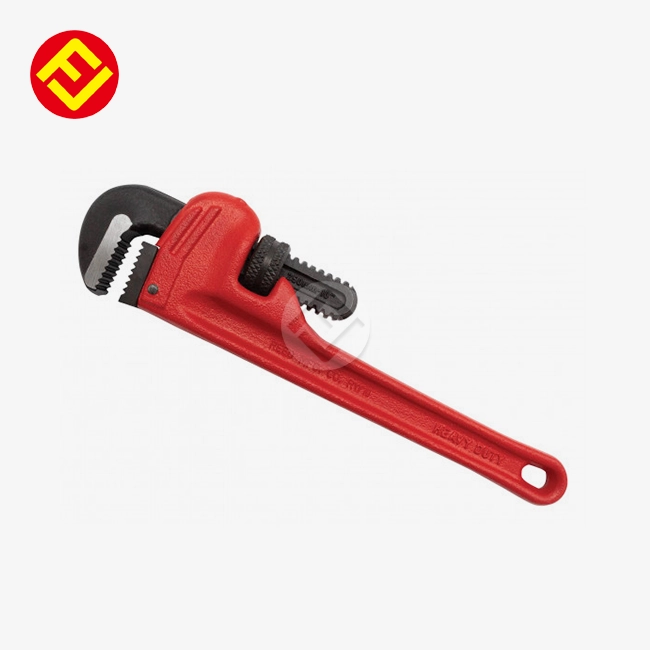
When working with large-diameter piping systems in industrial environments, professionals need tools that won't slip, fail, or compromise under extreme torque conditions. A heavy pipe wrench is precisely engineered for this challenge—featuring self-tightening jaw mechanisms, forged alloy steel construction, and ergonomic straight-handle designs that deliver reliable gripping power on pipes ranging from two to eight inches in diameter. Unlike standard adjustable wrenches, these professional-grade tools utilize a floating hook jaw system that intensifies grip pressure proportionally as leverage increases, making them indispensable for plumbing contractors, oil and gas maintenance teams, and industrial facility operators who demand consistent performance in high-stakes applications.


Specification |
||||
| Model | Total Length | Total Width | Maximum Opening | Product Weight |
| European Heavy Duty 10" | 24.5cm | 6.5cm | 5.5cm | 0.68kg |
| European Heavy Duty 12" | 27.5cm | 7.5cm | 6.5cm | 0.97kg |
| European Heavy Duty 14" | 31.5cm | 3.0cm | 8.7cm | 1.28kg |
| European Heavy Duty 18" | 40cm | 9.0cm | 9.5cm | 1.89kg |
| European Heavy Duty 24" | 51cm | 10cm | 11.0cm | 3.00kg |
Understanding Heavy Pipe Wrenches: Features, Types, and Safety
What Makes Heavy Pipe Wrenches Different from Standard Wrenches
The self-gripping wedging action is what makes the difference. Standard adjustable wrenches use jaws that stay in place, but Heavy Pipe Wrenches have a moving hook jaw system that tightens the grip automatically when the handle pressure is raised. For example, this design solves a major problem: it stops tools from slipping on smooth, oil-covered, or rusted pipe surfaces.
The jaws are made by carefully casting chromium-molybdenum alloy steel. Next, they are treated with different amounts of heat to make the teeth HRC 55–60 hard while keeping the shank tough. The handle is usually made from ductile iron that meets ASTM A536 standards. This iron is very strong for its weight. Some makers make handles out of an aluminum alloy that is about 40% lighter without losing structural integrity. This is a big plus for installations that are higher up or work that lasts longer. At FLA Industrial & Trading Co., Ltd., our engineering team uses advanced manufacturing methods like forging, precision cutting, and controlled heat treatment to make sure that every wrench meets the standards for ISO9001 and CE certification. This methodical technique makes sure that the dimensions and torque ability are the same from one production batch to the next.
Core Safety Considerations for Industrial Applications
To use these tools safely, you need to know what their mechanical limits are. The size number, like 18-inch or 24-inch, refers to the length of the handle, which directly affects the largest pipe diameter that it can hold and the torque it can produce. Using "cheater bars" to increase leverage may seem like a good idea, but it's actually dangerous because it exceeds the design torque limits and could cause the handle to bend or the jaw pin to break. Safety rules say to choose the next size up instead of extending leverage artificially.
The health of your jaw teeth should be the main focus of regular inspections. When teeth with jagged edges become smooth or rounded, they slip a lot more. If you look closely and see hairline cracks near the jaw shank or too much lateral wobble in the hook mechanism, it means it needs to be replaced. Proper storage in dry places with protective coatings on metal surfaces stops rust before it starts, which weakens structural parts.
Types and Variations Available in the Market
There are three main situations that professional buyers face. Straight pattern wrenches have standard I-beam handles that work well for most tasks. With offset designs, the jaws are set at an angle to allow for tight clearances around flanges and other structural obstacles. Chain pipe wrenches have serrated chains instead of solid jaws, so the pressure is spread out around smooth or delicate pipe surfaces without leaving marks.
Material choices have a big effect on how well something works. For light-duty tasks, cast iron models are cheaper, but ductile iron models are better at withstanding impacts in harsh conditions. Forged alloy steel models are the best choice when maximum reliability is important, like when oil drilling or maintaining public infrastructure is needed, and a tool breaks down, causing safety risks and expensive downtime.
How to Choose the Right Heavy Pipe Wrench for Large Diameter Pipes
Matching Wrench Specifications to Operational Requirements
Three important factors must be aligned by procurement managers: the range of pipe diameters, the needed torque capacity, and the conditions of the work area. A 24-inch Heavy Pipe Wrench can usually handle pipes with a diameter of three inches, while a 36-inch wrench can handle pipes with a diameter of five inches. Different tasks need different amounts of torque. For example, loosening joints that have become stuck in old municipal water systems requires more force than putting together new HVAC systems with the right thread lubrication.
Material compatibility is very important. When working with coated steel pipes, the surface is not the same as when working with cast iron or stainless steel pipes. The shape and hardness of the jaw teeth must match the hardness of the pipe material to keep it from wearing out too quickly. FLA Industrial & Trading Co., Ltd. offers consulting services to help engineering teams choose the right jaw configurations for the pipes they work with and the conditions they work in. Weight affects how tired and productive an operator is. A 36-inch ductile iron wrench can weigh 25 to 30 pounds, which can make it hard to work high or for long amounts of time. Aluminum alloy options make this much easier while keeping the same torque values. However, budget constraints have to account for higher unit costs that must be balanced against better worker comfort and lower accident risk.
Evaluating Brand Options and Performance Metrics
Leading makers like RIDGID, Milwaukee, and Stanley have built their names over many years of hard work in the field. RIDGID's cast iron types are known for being traditionally durable, and new jaws are easy to find. Milwaukee focuses on practical improvements like grip zones with padding and better weight distribution. Stanley has options in the middle range that are a good mix of price and performance for buyers on a budget.
Performance changes in the real world are shown by independent tests. The ratio of the force applied to the handle to the force actually used to grip the jaw changes depending on the quality of the design. Premium models are 90–95% efficient thanks to precise cutting and tight spec control. On the other hand, economy models may only be 75–80% efficient, which means the user has to put in more work. Comparing the weights of wrenches of the same size from different manufacturers shows that they vary by 15 to 20 percent. This has a direct effect on user fatigue during long operations. The manufacturer's confidence is shown by the warranty coverage. Most warranties cover problems for 12 to 24 months, but for high-end brands, structural parts are covered for life. Replacement jaw supply and wait times should be closely looked at—quick delivery of consumable parts keeps tools from being down for long periods of time. Customer feedback constantly shows that jaw longevity and grip retention are two of the most important factors in determining happiness. Complaints are mostly about teeth wearing down too quickly and handle coatings breaking down when exposed to harsh chemicals.
Balancing Cost Considerations with Long-Term Value
Unit prices vary a lot depending on the size, material, and quality of the manufacturing. Some buyers may be interested in inexpensive cast iron models, but when you figure out the total cost of ownership, you have to take into account how often you have to replace them, how much work you lose because the grips don't work well, and any workers' compensation claims that happen because the tool breaks. Industrial procurement teams are becoming more aware that mid-range to high-end tools offer better lifecycle value through longer service intervals and consistent performance.
Using tactics for buying in bulk can give you big benefits. Orders of ten units or more usually get a volume discount, and discounts go up to fifty and one hundred units. By negotiating multi-year supply deals with reliable manufacturers, you can keep prices stable and make sure you always have enough inventory for your business. FLA Industrial & Trading Co., Ltd. sets up partnership agreements that include planned deliveries that work with project schedules. This cuts down on the need for storage space and makes sure that tools are always available. Reliability of a supplier is more than just price. Premium suppliers are different from transactional vendors because they consistently deliver goods, make expert help easy to get, and provide quick service after the sale. Working with makers that offer full support, from helping with the initial specifications to handling warranty claims, makes the buying process smoother and makes sure that operations don't stop when tool problems happen.

Maintenance Tips to Maximize Heavy Pipe Wrench Performance and Longevity
Essential Cleaning and Lubrication Practices
Daily care routines make your Heavy Pipe Wrench last a lot longer. Getting rid of built-up dirt, pipe compound residue, and metal bits keeps adjustment systems from wearing out too quickly. By brushing the jaw teeth with a wire after each use, you can keep the edges sharp so they grip well. Cleaning the pivot points and adjustment threads with a solvent gets rid of dried oils and other particles that make the jaws stick and move unevenly.
Different parts need different amounts of lubrication. Light machine oil should be put on the jaw pivot pins once a week while they are in use to keep the floating motion smooth. To keep the jaws in the right place, adjustment threads need to be greased once a month to keep them from sticking. This is because too much lubrication makes things less effective because it attracts dirt and can transfer to pipe surfaces, which could weaken the threaded joint. Storage methods have a big effect on how long something lasts. When you hang wrenches vertically, the long-term pressure doesn't cause the handles to warp or the jaws to become misaligned. Climate-controlled spaces keep rust to a minimum, but if you need to store something in the field, you can protect it from wetness by using protective coatings like WD-40 or specialized tool preservatives. By staying away from direct ground contact, you can stop the moisture wicking that speeds up the rusting of bare surfaces.
Troubleshooting Common Performance Issues
Loss of grip usually means that the mouth teeth are worn down or the surfaces are dirty. When you compare the tooth profile to the new jaw standards, you can see how much wear there is. Triangular files can be used to lightly sharpen teeth that have moderate wear, but teeth that have lost 50% or more of their height need a jaw replacement. When hydraulic fluids or cutting oils contaminate surfaces, they make them less frictional. Usually, brake cleaner or other similar agents can restore holding performance.
Adjustment mechanism stiffness or binding indicates thread contamination or insufficient lubrication
If the lateral jaw moves too far beyond the intended floating action, it means that the pivot pins are worn or the housing is stretched. Replacing the pins is a simple task that can be done with simple tools, but housing damage requires a whole new set of tools. These problems are caught early by regular inspections, which stop sudden failures during important operations that could put workers in danger or damage expensive pipe systems.
If the adjustment mechanism is stiff or stuck, it means that the threads are dirty or there isn't enough oil on them. Most problems can be fixed by taking things apart, cleaning them well with wire brushes and fluid, and then re-lubricating them properly. When binding doesn't go away even after regular maintenance, it means that the threads or jaw guides are worn out, which means that the part needs to be replaced or looked at by a professional to avoid failures in the field.
Implementing Systematic Inspection Protocols
Setting up regular check times that are right for the amount of use stops unexpected failures. Heavy-use areas, like construction sites or oil fields, need detailed inspections once a week. Infrequent-use areas, like facility maintenance, may need inspections every month. Documentation systems that keep track of inspection dates, findings, and corrective actions make people responsible and let you see trends that help you make smart decisions about replacements.
Inspection lists should include the state of the jaw teeth, the strength of the pivot pins, the integrity of the handles, and the function of the adjustment mechanisms. Quantifying measures, like the height of the jaw teeth and the amount of horizontal play at the hook, gives replacement choices concrete criteria instead of emotional ones. Teaching maintenance workers the right way to do inspections ensures stability and keeps people from throwing away useful tools too soon or using dangerous equipment for too long.
Replacement parts inventory management weighs the risks of downtime against the costs of keeping the parts on hand. Repair times are cut down by keeping parts like jaw sets and pivot pins for commonly used wrench sizes in stock. Setting up ties with suppliers that allow for quick emergency shipments of less common parts is a good way to cover inventory gaps. These investments in maintenance protect worker safety and productivity while getting the most out of the equipment's return on investment.
Top Heavy Pipe Wrenches for Industrial Use in 2024: Reviews and Insights
Performance Comparison of Leading Models
The current market winners have different performance levels that work best for different types of applications. Heavy Pipe Wrenches from RIDGID are the standard in the industry because they last for a long time in tough conditions. Because they are made of cast iron, they can handle impacts and overloads that would damage lighter options. This makes them the best choice for oil and gas work, where tool failure can have serious safety and financial effects.
Milwaukee's metal Products" target="_blank" style="color:blue" >products focus on making them more comfortable to use and lighter. Field testing shows that these models are 35–40% lighter than similar cast iron models. This makes them much easier for operators to carry out overhead setups or long work hours. The trade-off is that these tools are more expensive to buy, so they should only be used in situations where worker comfort and efficiency gains support the higher cost. New makers, such as FLA Industrial & Trading Co., Ltd., offer options that are affordable by mixing high-quality building with good prices. Our cast alloy steel jaws go through a complex heat treatment process to achieve the best mix of hardness and toughness. The ductile iron handles are as strong as those on high-end brands. ISO9001 and CE certifications prove the quality of the making, and almost 40 years of experience in the field guarantees the stability that purchasing managers need for confident specification.
Real-World Feedback from Industrial Users
Supervisors on the job site always stress that grip reliability is the most important performance factor. The best scores go to tools that can keep their gripping pressure constant even when the temperature or surface conditions change. People are complaining about jaw slippage when dealing with corroded city water lines, which is an important situation where bold tooth shape and the right amount of hardness are needed.
When it comes to worker acceptance, ergonomic design makes a big difference. Handles with anti-slip texture and the right diameter make it easier to control things and keep your hands from getting tired. How your weight is distributed affects your balance and ability to move around in small areas like crawlspaces and machinery rooms. Purchasing managers say that letting end users help choose tools makes them more likely to be used and less likely to be resistant to new equipment. Durability feedback points out that the length of time that jaw teeth last is a key difference. A good quality tool can hold its grip after being used hundreds of times, but a cheap one might need a new jaw after only a few uses. Total cost of ownership estimates that include the cost of new parts and the time it takes to make the switch often favor buying better at the start.
Current Market Trends and Availability
In 2024, changes in prices will be caused by rising costs of raw materials and the stabilization of the supply chain after recent problems. The prices of cast iron models stay the same, while the prices of metal models go up slightly because the production process uses a lot of energy. When buyers can choose from a variety of sizes and materials, it's easier to find the right product for their needs while staying within their budget.
As production capacity grows, wholesale supply has gotten better. Standard size lead times have shrunk to two to four weeks for domestic suppliers. On the other hand, FLA Industrial & Trading Co., Ltd. and other overseas manufacturers offer competitive lead times of four to six weeks, which include international shipping. Buyers in large quantities arrange better terms, such as faster production slots and first choice during times of high demand. As e-commerce sites add to standard industrial supply ties, distribution channels continue to change. Online shopping makes it easy to quickly compare prices and look over product specifications, but established distributor partnerships still offer benefits like expert help and advice after the sale. For complex procurement operations, hybrid strategies that use both channels get the best prices and access to services.
Buying Guide: Procuring Heavy Pipe Wrenches for B2B Clients
Identifying Reliable Suppliers and Distribution Partners
A successful procurement process starts with finding a Heavy Pipe Wrench supplier you can trust. Evaluation of manufacturing potential looks at things like technical know-how, production capacity, and quality control systems. Suppliers with ISO9001 certification show that they have a method for controlling quality, and CE marking shows that the product meets European safety standards. These are important qualifications for buyers who want to sell their products in other countries.
Transparency in the supply chain shows dependability. When manufacturers offer site tours, clear production schedules, and quality paperwork, customers are more likely to trust that they will meet their delivery obligations. Long-term relationships with Fortune Global 500 companies show that we can meet strict standards for both quality and volume. FLA Industrial & Trading Co., Ltd. has been in business for almost 40 years and has a large list of satisfied clients. This gives procurement managers who don't like taking risks the stability and knowledge they need. Logistics and information are affected by geography. Domestic sellers may charge more, but they cut down on shipping times and make guaranteed service easier. International manufacturers can offer lower prices because of economies of scale and competitive labor markets. Reliable foreign sellers ease these worries by offering helpful English-language support and long-term logistics partnerships that guarantee on-time delivery.
Structuring Advantageous Bulk Purchase Agreements
Negotiating in terms of volume can unlock a lot of value beyond just lowering unit prices. Usually, the lowest amount of items needed to get a discount starts at ten units, and the discounts get bigger at 25, 50, and 100 units. When buyers combine their needs across multiple facilities or project timelines, they can get better prices, and when suppliers make larger batch runs, they can make more efficiently.
The terms of the contract should include delivery schedules that are in line with the needs of the project, payment terms that balance managing cash flow with the preferences of the supplier, and warranty coverage that goes beyond standard terms for volume commitments. Annual buy deals with planned releases help budgeters plan ahead and make sure there is enough inventory without having to pay too much for storage. Options for customization make things more useful for certain uses. For different types of environments, manufacturers like FLA Industrial & Trading Co., Ltd. offer different jaw configurations, longer handle lengths, and different types of materials. These custom solutions meet specific operational needs that standard catalog items can't meet. This is what sets capable manufacturing partners apart from simple distributors.
Maximizing Partnership Value Through Comprehensive Support
Technical consulting services help buying teams choose the best tools for the job. To help customers choose the right models, experienced suppliers do application assessments that look at pipe materials, diameter ranges, torque needs, and environmental conditions. This knowledge keeps expensive gaps between what tools can do and what operations need.
Long-term satisfaction depends on the level of after-sales help. Response time for customer service questions, concerns, and insurance claims builds trust and makes ongoing purchases easier. When suppliers keep enough replacement parts in stock, they can quickly replace worn-out parts, which cuts down on tool downtime. Training materials that teach end users how to properly operate and maintain tools get the most out of it and make it last longer. Partnerships for continuous improvement are good for both sides. When suppliers ask customers for feedback on new products, it shows that they care about more than just making sales. When buyers share application ideas and performance data, it helps makers make designs that work better in the real world. These working-together relationships give businesses a competitive edge by letting them offer unique solutions that regular providers can't.

Conclusion
When choosing the right Heavy Pipe Wrench for a large diameter job, you need to think about performance requirements, cost, and how reliable the supplier is. Forged alloy steel jaws, ductile iron handles, and self-tightening mechanisms give these tools the gripping power and durability that are needed in industrial settings. Cleaning, lubricating, and inspecting things on a regular basis as part of good care practices will extend their useful life and increase your return on investment. A successful procurement process starts with working with well-known manufacturers who offer full technical support, the ability to customize products, and tried-and-true quality management systems. Procurement experts get the tools their businesses need while lowering the total cost of ownership by systematically weighing their options and working with dependable sources.
FAQ
What pipe sizes can typical heavy pipe wrenches handle effectively?
What pipe sizes can a regular Heavy Pipe Wrench handle well? The wrench's size number tells you how long the handle is, which in turn tells you how big the pipe it can hold. An 18-inch model can usually hold pipes with a diameter of up to 2.5 inches, a 24-inch model can hold pipes with a diameter of up to 3 inches, and a 36-inch model can handle pipes with a diameter of up to 5 inches. Adjustable jaw mechanisms give you a range of options, but the best performance happens when the wrench size is right for the pipe diameter you're working on. Wrenches that are too big are hard to use in small areas, and tools that are too small don't have enough force for stubborn joints.
How do I know when jaw replacement becomes necessary?
The tips of your jaw teeth should be sharp and well-defined so they can bite into pipe surfaces. When teeth are worn down or shaped to 50% or less of their original height, they need to be replaced to keep the mouth from moving. By comparing old jaws to new ones, you can see how worn they are. Practical evaluation is done by functional testing on common pipe materials. If the wrench slips under normal working pressure, the jaws need to be replaced, no matter how they look.
Can aluminum wrenches match cast iron durability in demanding applications?
Because they are made for industrial tools, modern aluminum alloys are as strong as cast iron but much lighter. When made correctly and in line with ASME standards, aluminum wrenches can handle the same amount of force and pressure. The main trade-off is between price and efficiency, with aluminum types being more expensive. Applications that put comfort and productivity of operators first often make this investment worthwhile by reducing tiredness and increasing output.
Partner with a Trusted Heavy Pipe Wrench Manufacturer
FLA Industrial & Trading Co., Ltd. has been making things for almost 40 years and is dedicated to quality and customer satisfaction. Our heavy-duty pipe wrenches have handles made of ductile iron and jaws made of forged alloy steel. They were carefully designed to work reliably in the toughest industrial settings. We offer reasonable pricing, a wide range of product specs, and quick expert support to hardware wholesalers, building companies, and manufacturing sites in the US, Germany, and Australia. Contact our team at sales@flaindustrial.com to talk about your particular needs, get full specifications, or set up bulk prices for your purchases. You can see our full line of products at flaindustry.com and learn why Fortune Global 500 companies trust our services.
References
1. Anderson, M. R. (2022). Industrial Hand Tools: Selection, Maintenance, and Safety Standards. Technical Publishing International.
2. Chen, L. & Roberts, D. (2023). "Metallurgical Analysis of Pipe Wrench Jaw Durability Under High-Torque Conditions." Journal of Industrial Engineering and Materials Science, 45(3), 287-304.
3. Hammond, P. J. (2021). Professional Plumbing and Pipefitting: Tools and Techniques for Large-Scale Applications. Construction Trades Press.
4. Martinez, S. T. (2024). "Ergonomic Assessment of Heavy Pipe Wrenches in Industrial Maintenance Operations." Occupational Safety and Health Quarterly, 38(1), 112-128.
5. National Institute for Pipe Trades. (2023). Tool Standards and Best Practices for Commercial Plumbing Applications. NIPT Guidelines Publication.
6. Wilson, K. & Patel, R. (2022). "Comparative Performance Analysis of Pipe Wrench Materials in Corrosive Environments." Materials Engineering in Industrial Applications, 29(4), 445-462.
YOU MAY LIKE