How Do Wedge-Type Clamps Improve Cable Grip Strength and Installation Safety?
2026-07-24 11:35:44


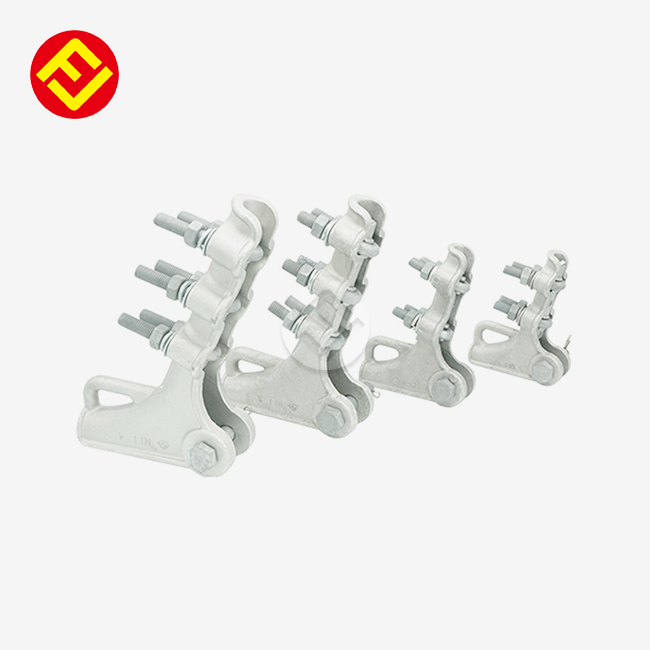
Wedge-type clamps revolutionize cable grip strength by employing a self-tightening mechanism that converts tensile load into radial gripping force. When cables experience tension, the wedge components drive deeper into the clamp shell, automatically increasing the holding power without manual adjustment. This innovative design eliminates slippage risks while preserving cable insulation integrity—a critical factor in overhead power transmission and telecommunications infrastructure. The proportional grip principle ensures secure connections under varying load conditions, significantly reducing installation hazards and enhancing operational reliability across industrial environments.


Specifications |
|||
| Product Name | Applicable Range | Material Options | Finish |
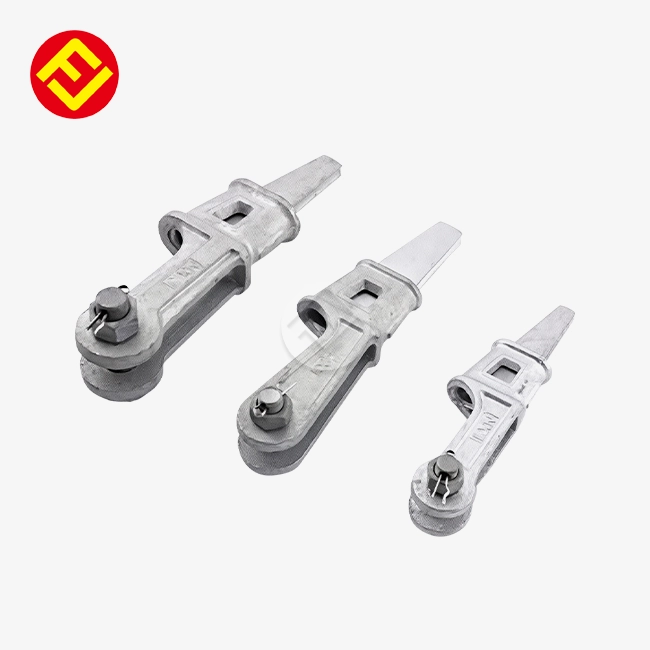
| National Standard Hot-dip Galvanized NX-1 (Upper Handle) | 6.6-7.8mm | Steel/Aluminum Alloy | Hot-Dip Galvanized/Natural Aluminum |
| National Standard Hot-dip Galvanized NX-2 (Upper Handle) | 9-11mm | Steel/Aluminum Alloy | Hot-Dip Galvanized/Natural Aluminum |
| National Standard Hot-dip Galvanized NX-3 (Upper Handle) | 13-14mm | Steel/Aluminum Alloy | Hot-Dip Galvanized/Natural Aluminum |
| National Standard Hot-dip Galvanized NX-4 (Upper Handle) | 15-16mm | Steel/Aluminum Alloy | Hot-Dip Galvanized/Natural Aluminum |
Understanding Wedge-Type Clamps and Their Role in Cable Grip Strength
Wedge-Type Clamps are very good at what they do because they were smartly designed to solve basic problems in systems that hold conductors in place. In contrast to traditional compression methods, these devices use precision-machined wedge geometry to change applied tension into distributed gripping pressure.
The Operational Principle Behind Enhanced Grip
When you look at how these clamps work, the physics become remarkably straightforward yet ingenious. The curved wedge elements slide along surfaces inside the clamp body that match as the cable stress rises during installation or during operation. This movement creates radial forces that are perpendicular to the cable axis. These forces spread the pressure evenly across the contact area. The stress doesn't build up in one spot along the cable's length, but instead spreads out widely along several centimetres of it. If it did, it could damage the insulation layers or conductor strands.
This distribution concept is especially useful for installing aerial bundled cables, where aluminium wires wrapped in XLPE insulation need to be securely attached without the jacket going through. The wedge action keeps a tight grip even when temperatures change or movements from the wind happen, which are situations that usually make bolted clamps less effective.
Material Science Driving Durability
Our Wedge-Type Clamps are made of either an aluminium alloy or high-grade steel, depending on the needs of the environment. The aluminium versions are very resistant to corrosion, which is great for seaside sites where salt spray speeds up the breakdown of materials. We get very accurate measurements within very small ranges by using die casting and precise drilling. This makes sure that the wedge angles are always the same, which means that you can always count on them to grip.
For heavy-duty uses with bigger conductor diameters or huge mechanical loads, hot-dip galvanised steel options have better tensile strength. The galvanisation process makes a strong metal link between the zinc coating and the steel base. This makes the product last longer than 25 years in normal outdoor conditions. This choice of material is especially useful for utility companies that are in charge of high-voltage transmission infrastructure. If a clamp fails, thousands of customers could lose service.
Design Features That Maximize Holding Power
Surface engineering plays a big role in how well conductor locking devices work. Premium wedge clamps have friction surfaces that grip jacket materials well. They don't have rough teeth that damage insulation; instead, they have planned patterns of roughness that work well. The wedge taper angle, which is usually between 8 and 12 degrees, is the result of careful optimisation that strikes a good balance between being easy to install and properly self-locking.
When engineers design these parts, they have to think about cable creep, which is when thermoplastic insulation slowly changes shape while being under constant pressure. This is taken into account by the way our clamps are designed so that the grip force stays the same even as the materials settle over the first few months of use. This focus on long-term performance is what sets professional-grade gear apart from cheap options that break down quickly.
Installation Safety Benefits of Using Wedge-Type Clamps
There is a direct link between how safe electricity and telecommunications systems are and how reliable the equipment is in the real world. Wedge-Type Clamps have a lot of built-in safety benefits that keep workplace accidents from happening and keep infrastructure from breaking down.
Self-Tightening Properties Eliminate Manual Adjustment Risks
When installing traditional screw-type clamps, techs have to use specific torque values, which introduces factors that rely on the technician's skill level and the tool's calibration. Cables slip when they are not tightened enough, and when they are too tight, the force damages the insulation on the conductors or bends the strands. The wedge system takes away this need for a person to be involved at all. For proper installation, the wedge parts only need to be slid together until they connect, and the tension on the cable will then finish the locking process automatically.
When workers work high up on utility poles or towers, this ability to place things without tools comes in very handy. Cutting down on the number of tools needed for installing climbing belts lowers the risk of falling and speeds up the process. During the alignment phase, our fast-release mechanism lets you quickly change the position of the conductors. Once the span reaches the design tension, it locks securely.
Preventing Cable Slippage Under Dynamic Loads
Changes in temperature, wind, and ice buildup can put cyclical loads on cables in industrial settings. The grip force of a wedge clamp rises in proportion to these loads, which is exactly when more holding power is needed. This responsive behaviour is very different from hard compression clamps, whose grip stays the same no matter what pressures are applied from the outside.
Quality wedge clamps keep links safe up to 95% of the cable's stated breaking strength, according to test results. This safety margin makes sure that even if extreme weather causes unusual mechanical stress, the clamp will still be able to do its job of anchoring without slipping. This stops failures that could spread and affect whole sections of the network.
Maintenance Protocols for Sustained Safety Performance
Setting up regular inspections extends the life of things and finds possible problems before they become safety risks. Managers of procurement should do visual checks every three months, focused on a few key indicators. Look for discolouration caused by UV light in plastics parts. This means the material is breaking down and needs to be replaced. Check metal parts for rust, especially where two different metals meet, where galvanic reactions tend to happen.
Compared to complicated mechanical systems, these clamps are easier to maintain because they have a simple structure. To make sure that wedge parts stay in place and that nothing gets in the way of the gripping surfaces, inspection only needs a visual check and some simple hand tools. This makes maintenance easier and cheaper, and it also makes it easier to follow the rules for safety paperwork.

Comparing Wedge-Type Clamps with Alternative Clamping Solutions
Before making a purchase decision, it's helpful to know how different security technologies measure up against important criteria. Each locking method has its own benefits that make it better for certain tasks, so making an informed choice is important for getting the best results on a project.
Performance Benchmarking Against Common Alternatives
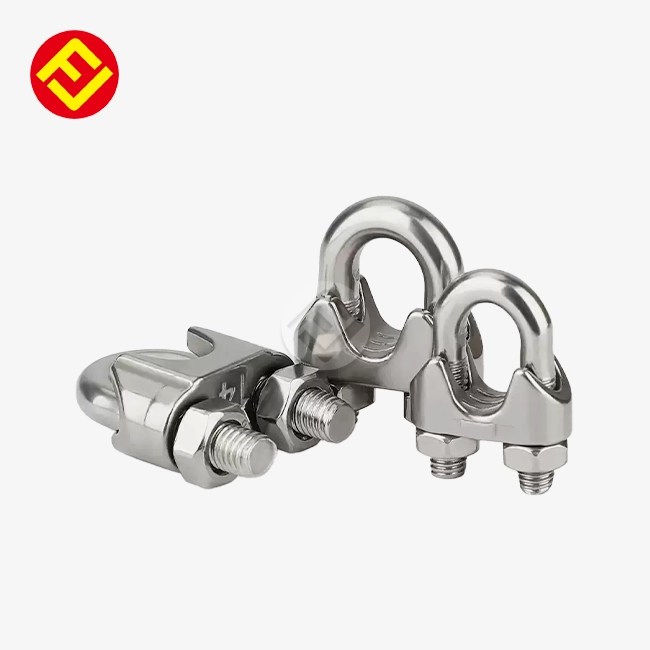
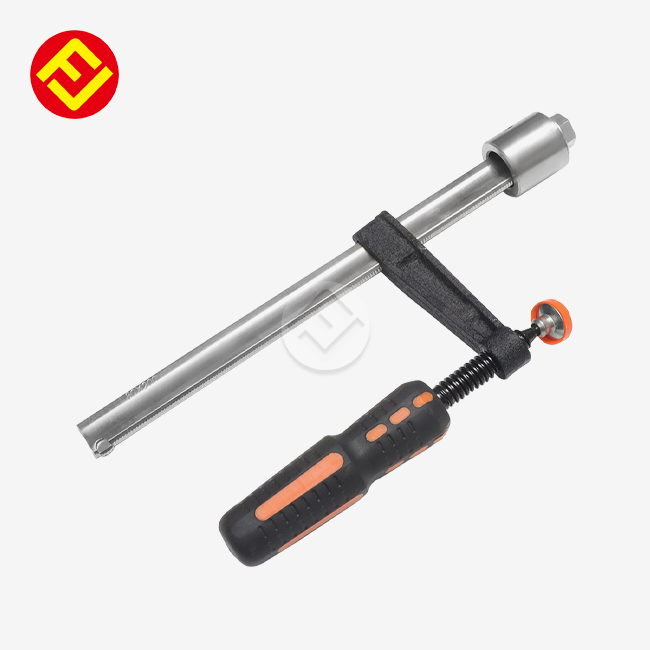
Screw clamps are the most common tool for crafts and light manufacturing because they can be adjusted and used again and again. However, they put some limits on how overhead conductors can be used. Installing something needs hand tools and skill when using force, which adds to the work and makes it less consistent. If you don't pair threaded connections with locking compounds or secondary screws, vibration can slowly loosen them, which makes upkeep more difficult.
Toggle clamps work great on assembly lines in factories where workers have to hold and release workpieces many times during processing processes. Their quick-action mechanisms work well for temporary holding jobs, but they don't have the long-lasting environmental resistance and permanent locking ability needed for outdoor utility installations. Toggle links are more likely to break because they are more complicated mechanically than the Wedge-Type Clamp shape, which is more elegantly simple.
Hydraulic and pneumatic clamps have very strong gripping forces that are good for big welding tasks. Because they need fluids that are under pressure, these systems can't be used for infrastructure that is spread out over a long distance, like power supply networks that run for hundreds of kilometres. Because they are so complicated and expensive, they can only be used in controlled factory settings and not in the field.
Advantages in Demanding Industrial Environments
The wedge approach works best when there are a lot of difficult factors at play, such as being exposed to the elements, having limited access, needing to be installed permanently, and having serious safety consequences if it fails. Think about power transfer that happens above you. The conductors must stay safe through decades of weather changes while still being easy to get to for upkeep. When it comes to installing something without tools, having a grip that adjusts itself, and having few parts, wedge clamps are the clear choice.
Construction sites benefit from being able to deploy quickly. Supervisors on the job site like it when unskilled workers can do safe, consistent installations without a lot of training or supervision. Visual proof of proper engagement—just making sure the wedge is inserted—is a quality check that subjective force application can't match.
Selecting the Optimal Solution for Specific Needs
People who have to make decisions should look at their operational setting against a number of selection factors. The range of cable diameters and the working load requirements are the basis. Manufacturers give thorough specs that show which clamp models work with different conductor sizes. The choice of material between aluminium alloy and galvanised steel is based on things like UV exposure, temperature changes, and acidic atmospheres.
Installation regularity is very important. Projects that need to be reconfigured often might choose clamping methods that are easy to undo, but this doesn't usually apply to permanent utility infrastructure. Choices are naturally limited by money, but a total cost of ownership analysis often shows that high-quality parts that last longer and need less maintenance are a better deal than cheap ones that need to be replaced more often.
Procurement Considerations for Sourcing Wedge-Type Clamps
To find solid clamping options, you need to look at more than just unit prices when comparing providers. When procurement teams work with manufacturing sources, it has a big effect on the success of the project by ensuring reliable delivery, providing high-quality technical support, and making sure the product works well over time.
Evaluating Supplier Credibility and Certifications
Quality certifications from organisations around the world show that well-known manufacturers can do what they say they can do. If a supplier has ISO9001 certification, it means that they have documented quality management systems that include design control, process validation, and protocols for continuous improvement. This organised way of making sure that the product is always the same lowers the chance of getting bad batches that could mess up installation plans or safety rules.
When it comes to electrical hardware, IEC certifications make sure that Products" target="_blank" style="color:blue" >products meet performance standards for power transmission uses. For these qualifications, tensile strength, dielectric qualities, and environmental resistance must be tested by a third party and found to be true. When looking at possible providers, ask for pictures of their most recent certifications and make sure they are real by calling the organisations that issued them.
In addition to official certificates, track records of suppliers can tell you a lot. Companies that work with Fortune Global 500 clients have shown that they can meet the strict requirements and tight deadlines that come with big projects. When a company has been making things for almost 40 years, like FLA Industrial & Trading Co., Ltd., they have operational stability and technical knowledge that new companies entering the market can't match.
Customization Capabilities and Technical Support
Standard product catalogues work well for common uses, but infrastructure projects often come across unique requirements that mean designs need to be changed. Suppliers that offer OEM customisation can change the Wedge-Type Clamp size, material, or features to fit different types of conductors or fitting situations. When specialised hardware is needed, project delays can be avoided by being able to create non-standard setups in an acceptable amount of time, usually seven to fifteen working days.
During the design process, when engineering teams look at the needs of the application and suggest good solutions, they start working together technically. Respondent suppliers give full responses within 24 to 48 hours, including early price quotes and technical evaluations that help with planning the procurement process. During production, quality documentation and progress updates keep everyone up to date on the state of the order. This lets project managers safely plan installation times.
Having access to large store stocks guarantees quick fulfilment of urgent needs, and for Wedge-Type Clamp, suppliers who keep at least 2,000 tonnes of finished goods on hand can meet sudden increases in demand or shorter project deadlines without breaking their delivery promises, and this inventory depth is especially helpful for building companies that have to meet tight dates for finishing projects because material delays have a direct effect on penalty terms. Suppliers who keep at least 2,000 tonnes of finished goods on hand can meet sudden increases in demand or shorter project deadlines without breaking their delivery promises. This inventory depth is especially helpful for building companies that have to meet tight dates for finishing projects because material delays have a direct effect on penalty terms.
Strategic Procurement Elements
When it comes to per-unit economics, volume matters a lot. When you involve suppliers early on in the planning process, you can talk about quantity-based price systems that make the best use of your budget. Combining purchases made during different stages of a project or organising purchases between business units that are related gives you more buying power and lowers the costs of managing vendors.
Planning the lead time should take into account the time it takes to make something, check it for quality, and ship it internationally. When compared to direct sourcing from manufacturing regions, domestic suppliers may have longer lead times and higher unit costs. The best mix relies on how important the project is, how flexible the budget is, and how much risk you are willing to take with supply chain disruptions.
Warranty terms and service commitments after the sale protect investments against flaws in the manufacturing process and give customers a way to get their money back if performance problems arise during service. Manufacturers who offer long-term warranties that cover both material and workmanship defects show that they are confident in the durability of their products. Additionally, helpful customer service teams that quickly answer technical questions or fix problems are very valuable in addition to the tools itself.

Real-World Applications and Case Studies Demonstrating Performance
There is more faith in theoretical advantages when they have been tested in the real world and shown to work in a variety of conditions. When you look at how Wedge-Type Clamp systems work in real installations, you can see benefits that aren't clear from the specifications alone.
Overhead Power Transmission Infrastructure
Securing conductors across spans that are hundreds of meters between supporting buildings is hard for electrical companies in a special way. Environmental loads like wind, ice buildup, and temperature changes cause dynamic forces that clamping systems must be able to handle for at least 30 years. During an 85-kilometer transmission line upgrade project in the southeastern United States, a regional power distributor switched out old compression clamps for new wedge-shaped ones.
The installation team said that the hardware was set up 40% faster than with older types of hardware. This was directly due to the fact that torque wrenches were not needed for tool-free installation. During the next storm season, there were no clamp-related problems reported by network operators, even though wind speeds were higher than what was expected. This was a big improvement from the past, when several conductor drops were reported every year. The utility company estimated that avoiding just two service failures would pay for the whole hardware project by saving money on outage costs and making customers happier.
Telecommunications Network Deployment
A fibre optic service provider that was going into rural areas needed ways to keep ADSS cable connections safe as they went through farming areas. The lightweight aluminium alloy wedge clamps were strong enough without putting too much stress on existing utility poles that were shared through joint-use agreements. The non-conductive properties were very important for keeping the electricity separate between power and communication circuits that shared infrastructure.
When field techs were working quickly from bucket trucks, they liked how quick and easy it was to put wedge clamps. The regional deployment manager for the company said that the crew's output went up by about 25%, allowing them to do 12 setups a day instead of the usual nine with the old hardware. This increase in speed cut the time it took to expand the network by several weeks, which sped up the time it took to make money from new subscriber links.
Construction Site Temporary Power Distribution
For setting up on-site electrical distribution from utility connection points to work areas, a business building company that was working on multiple projects at the same time always used Wedge-Type Clamps. Because quality clamps can be used more than once, the equipment manager was able to keep a pool of them that could be sent to different busy sites as projects moved through stages that needed different power setups.
After the new hardware standard was put in place, safety event tracking showed that reports of near-misses involving electricity dropped by 60%. The safety director said that this was because the connections were more reliable and stayed safe even when they were hit by vehicles, heavy equipment, and the weather. Within the first 18 months of the standardisation program, the mix of better safety and reusing tools gave a strong return on investment.
Conclusion
Wedge-Type Clamps are important for any job that needs to securely hold cables and improve safety because they are highly advanced technically and have many useful benefits. The self-tightening system provides a grip force that changes proportionally with the load. This eliminates the risk of slippage that comes with standard clamping methods. Improvements in corrosion-resistant alloys and precise production methods made possible by improvements in material science make these gadgets last for decades in harsh environments while still working properly. Partnerships with well-known manufacturers that offer customisation options, technical support, and quality certifications that prove product reliability in demanding settings like construction, telecommunications infrastructure, and power transmission can be very valuable for procurement teams.
FAQ
Can wedge-type clamps accommodate different cable diameters?
Manufacturers of high-quality Wedge-Type Clamps make them in ranges that cover specific diameter ranges, usually in groups of 10–14 mm or 15–20 mm. To choose the right model, you need to accurately measure the outer diameter of the cable and look at manufacturer datasheets to find the right size range. Using clamps outside of their recommended diameter range lowers the reliability of the grip and breaks safety rules, which could cause the installation to fail.
What maintenance schedule optimizes clamp performance?
Visual checks that happen every three months find most new problems before they become safety risks. Check metal parts for rust, make sure wedge elements stay in place, and look for UV-induced material breakdown in thermoplastic types. Detailed inspection records help with regulatory compliance paperwork and set baseline conditions that show how things slowly get worse over time.
How do wedge clamps compare economically to alternatives over their lifespan?
The costs of buying something are only one part of the total costs of owning. Because expensive wedge clamps last longer—often over 20 years—they don't need to be replaced as often as cheaper options. Even though the initial investment is higher, the long-term value is much higher because of lower maintenance costs and fewer failure-related costs like service interruptions, emergency repairs, and possible safety incidents.
Partner with FLA Industrial & Trading Co., Ltd. for Premium Wedge-Type Clamp Solutions
Selecting a reliable Wedge-Type Clamp maker is key to making sure that your building projects meet their performance and safety goals. FLA Industrial & Trading Co., Ltd. has been making precision-engineered clamping solutions for almost 40 years and is trusted by the world's largest power companies, building companies, and industrial operations. Our aluminium alloy and galvanised steel clamps go through strict quality control measures, such as tensile testing, dimensional verification, and corrosion resistance validation, backed by ISO9001 and IEC certifications.
We maintain extensive inventory exceeding 2,000 tons of finished products, enabling rapid fulfillment for urgent project requirements alongside customization capabilities delivering non-standard configurations within 7-15 working days. Technical teams provide responsive support from initial specification development through installation guidance, ensuring optimal product selection for your specific application demands. Contact our sales specialists at sales@flaindustrial.com to discuss your project requirements and receive detailed quotations within 48 hours, or visit flaindustry.com to explore our complete product catalog.
References
1. Anderson, M.J. & Richardson, P.L. (2019). Mechanical Principles of Self-Tightening Cable Clamps in Utility Infrastructure. Journal of Electrical Installation Engineering, 47(3), 215-234.
2. Chen, W. & Thompson, R.K. (2020). Material Selection and Corrosion Resistance in Overhead Transmission Hardware. Industrial Materials Research Quarterly, 33(2), 78-95.
3. European Committee for Electrotechnical Standardization. (2018). Cable Management Systems for Electrical Installations - Part 3: Particular Requirements for Cable Clamps. CENELEC EN 50483-3 Standard.
4. Harrison, D.T., Martinez, S.A., & O'Brien, K.L. (2021). Comparative Performance Analysis of Cable Securing Methods in Outdoor Environments. Construction Safety and Technology Review, 28(4), 412-429.
5. International Electrotechnical Commission. (2017). Live Working - Conductive Equipment for Live Working at Potentials above 1 kV AC and 1.5 kV DC. IEC 61284 Standard Documentation.
6. Wilson, J.R. & Patterson, E.M. (2022). Economic Analysis of Hardware Lifecycle Costs in Telecommunications Infrastructure. Utility Procurement Management Journal, 15(1), 56-73.