How to Select the Right Grooved Reducers Size?
2026-07-20 11:06:47


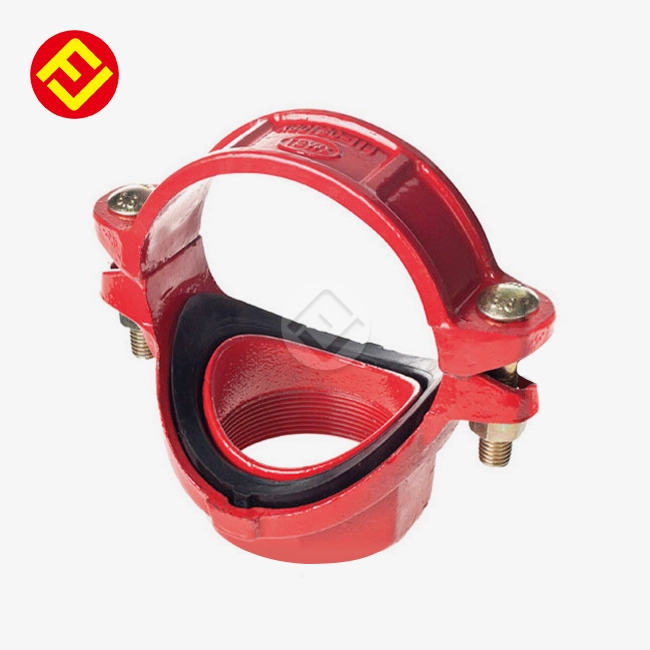
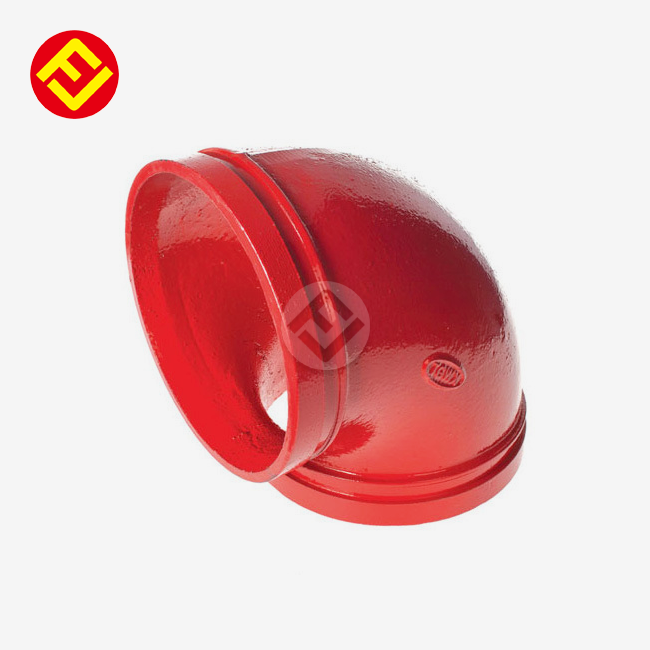
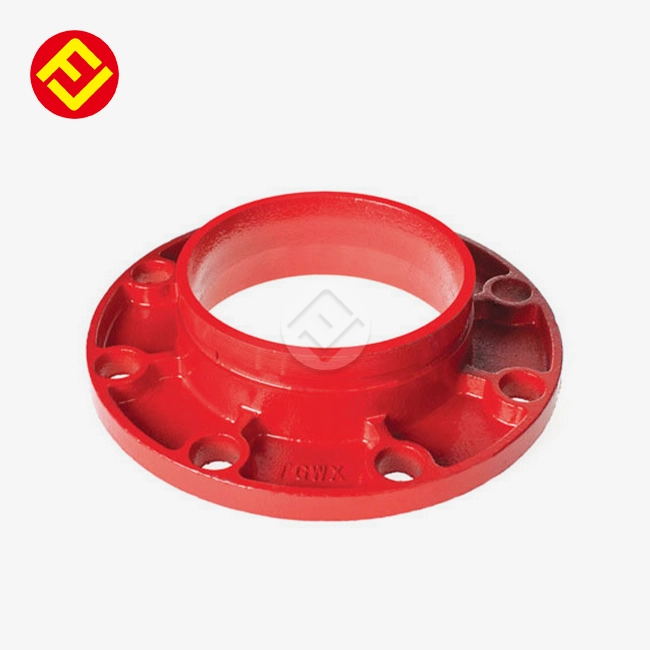
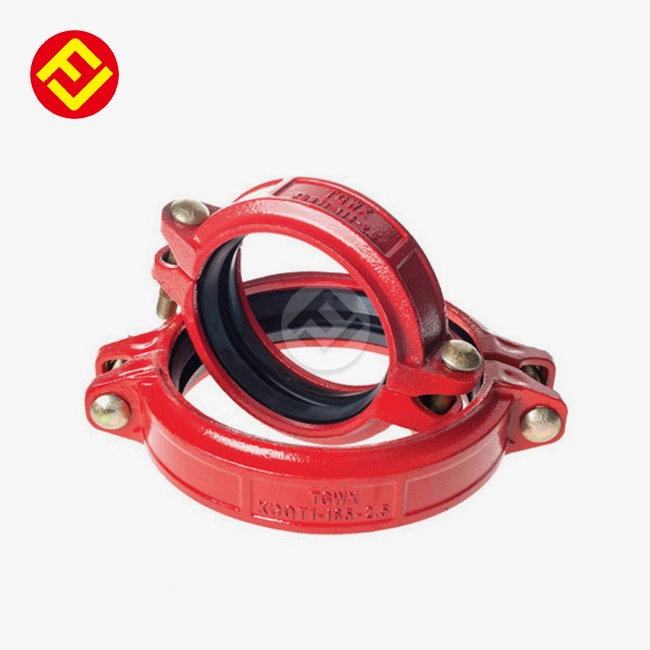
It's not a matter of guessing when choosing the right size for pipe diameter reducers in grooved mechanical systems. You need to match exact technical specs to the needs of your system. In piping networks, Grooved Reducers play a crucial role as transitional elements by allowing for seamless links between pipes of varying sizes while preserving flow and system pressure. The right size guarantees the best hydraulic performance, stops wear caused by movement, and avoids having to do expensive repairs. Whether you're in charge of a fire protection retrofit, an HVAC expansion, or an industrial water distribution job, knowing how to match the size of the reducer to the pipe schedule, flow rate, and pressure class will save you time, cut down on upkeep, and make the system last longer.


Specifications |
||
| Name | Specification | Specification |
| Grooved Reducer | DN65x25S(76x33S) | DN250x25S(273x33S) |
| Grooved Reducer | DN65x325(76x42S) | DN250x32S(273x42S) |
| Grooved Reducer | DN65x40S(76x48S) | DN250x40S(273x48S) |
| Grooved Reducer | DN65x50S(76x60S) | DN250x60S(273x60S) |
| Grooved Reducer | DN80x25S(89x33S) | DN250x65S(273x76S) |
| Grooved Reducer | DN80x32S(89x42S) | DN250x80S(273x89S) |
| Grooved Reducer | DN80x40S(89x48S) | DN80x65G(89x76G) |
| Grooved Reducer | DN80x50S(89x60S) | DN100x50G(114x60G) |
| Grooved Reducer | DN80x65S(89x76S) | DN100x65G(114x76G) |
| Grooved Reducer | DN100x25S(114x33S) | DN100x80G(114x89G) |
| Grooved Reducer | DN100x32S(114x42S) | DN100x100G(114x108G) |
| Grooved Reducer | DN100x40S(114x48S) | DN125x65G(140x76G) |
| Grooved Reducer | DN100x50S(114x60S) | DN125x80G(140x89G) |
| Grooved Reducer | DN100x65S(114x76S) | DN125x100G(140x114G) |
| Grooved Reducer | DN100x80S(114x89S) | DN150x65G(165x76G) |
| Grooved Reducer | DN125x25S(140x33S) | DN150x80G(165x89G) |
| Grooved Reducer | DN125x32S(140x42S) | DN150x100G(165x114G) |
| Grooved Reducer | DN125x40S(140x48S) | DN150x125G(165x140G) |
| Grooved Reducer | DN125x50S(140x60S) | DN150x150GG(165x159G) |
| Grooved Reducer | DN125x65S(140x76S) | DN200x65G(219x76G) |
| Grooved Reducer | DN125x80S(140x89S) | DN200x80G(219x89G) |
| Grooved Reducer | DN150x25S(165x33S) | DN200x100G(219x108G) |
| Grooved Reducer | DN150x32S(165x42S) | DN200x100G(219x114G) |
| Grooved Reducer | DN150x40S(165x48S) | DN200x125G(219x140G) |
| Grooved Reducer | DN150x50S(165x60S) | DN200x150GG(219x159G) |
| Grooved Reducer | DN150x65S(165x76S) | DN200x150G(219x165G) |
| Grooved Reducer | DN150x80S(165x89S) | DN250x65G(273x76G) |
| Grooved Reducer | DN150100S(165114S) | DN250x80G(273x89G) |
| Grooved Reducer | DN200x25S(219x33S) | DN250x100G(273x114G) |
| Grooved Reducer | DN200x325(219x42S) | DN250x125G(273x140G) |
| Grooved Reducer | DN200x40S(219x48S) | DN250x150G(273x165G) |
| Grooved Reducer | DN200x50S(219x60S) | DN250x200G(273x219G) |
| Grooved Reducer | DN200x65S(219x76S) | DN300x80G(325x89G) |
Understanding Grooved Reducers and Their Functions
By getting rid of hot work and threaded connections, grooved mechanical fittings changed the way we connect pipes of different sizes. These fittings have precisely machined grooves that fit over mechanical couplings to make strong, pressure-rated joints that don't need to be welded.
What Makes Grooved Systems Different
Traditional soldered or flanged reducers need a lot of work, skilled welders, and a long time to install. Installing grooved systems instead of these other methods takes about 45% less time. The grooved profile, whether it's cut-grooved or roll-grooved, locks into place with standard coupling tools. This means that links can be made in minutes instead of hours by field workers. This speed benefit is especially useful for retrofits, where lost income due to operational downtime is a direct result.
Material and Construction Standards
According to ASTM A536 Grade 65-45-12 standards, ductile iron remains the most common material used in industry for components such as Grooved Reducers. It has a tensile strength of over 65,000 psi, allowing it to withstand mechanical stress, hydraulic shock, and the harsh conditions found in fire protection, HVAC, and water treatment facilities. Different types of surface finishes, including standard alkyd enamel paint, epoxy resin coatings, and hot-dip galvanizing, provide different levels of corrosion protection and are suitable for specific environments. Stainless steel versions of Grooved Reducers offer enhanced corrosion resistance and can be used in specialized applications, although they come at a higher cost.
Concentric vs. Eccentric Configurations
To get the right size, you need to know the difference between circular and eccentric reducers. Concentric reducers keep the center line straight between the inlet and exit, which makes them perfect for supporting structures and running pipes vertically. Eccentric reducers have an off-center alignment and are necessary for horizontal installations, especially at pump suction points where a "flat top" orientation keeps air pockets from forming that can damage impeller assemblies and cause cavitation. Installation direction has a direct effect on how well a system works and how long its parts last.
Key Criteria for Selecting the Right Size
For proper sizing, you need to carefully look at many system parameters that affect each other to decide how well the system works. If you don't pay attention to even one of these factors, you could end up with undersized parts that block flow or oversized fittings that waste materials and installation space.
Measuring Pipe Diameter and Groove Specifications
To get an accurate measurement for Grooved Reducers, you must first check both the nominal pipe size and the actual outer diameter, since these can vary between different pipe specifications. ANSI/AWWA C606 guidelines state that groove dimensions must meet the required "C" dimension (average groove diameter) and "A" dimension (gasket seat width). Even small variations in these measurements, such as a few thousandths of an inch, can prevent the gasket from seating properly, which may lead to leaks or coupling blow-offs when pressure is applied. During inspection, using calibrated groove gauges instead of standard calipers ensures that measurements are accurate and reliable.
Evaluating Pressure and Temperature Ratings
Depending on the coupling system used, the working pressure ranges from 300 psi to 1000 psi. Your reducer needs to be the same pressure as or higher than your system's maximum operating pressure. This includes pressure surge allowances for water hammer events that are common in fire protection systems. Temperature is also very important. Standard EPDM gaskets can handle temperatures from -30°F to 230°F, but PTFE or silicone gaskets may be needed for harsh circumstances in certain situations. By matching the reducer's specs to the pressure class of your system, you can avoid catastrophic failures and make sure you're following safety rules.
Calculating Flow Requirements
Flow speed has a direct effect on size choices. To balance efficiency with erosion resistance, industry standards say that speeds should stay between 5 and 15 feet per second in most situations. The pressure drop across the transition is affected by the reducer's internal profile. A smooth, gradual taper reduces turbulence and energy loss. To make sure there is enough delivery pressure at end-use places, you need to figure out the cumulative pressure drop when moving from bigger supply lines to smaller distribution branches. Undersizing leads to too high of speeds, which speeds up wear, and oversizing wastes money on materials and installation space.
Spatial Constraints and Installation Environment
Reducer choice is often limited by available room. In mechanical rooms that aren't very big, small transitions may be needed instead of gradual tapers. The grooved system is better in this case because it takes up less space—standard couplings add only a small amount of length compared to flanged assemblies. Think about how easy it will be to do future upkeep and whether standard wrenches and torque tools can be used in the installation area. Custom special-shaped reducers may be able to solve problems that standard catalogue items can't in repair projects where the equipment already in place limits the choices.

Comparing Grooved Reducers to Other Reducer Types
Figuring out how grooved mechanical systems compare to other ways of connecting makes it clear when this technology is the most useful.
Installation Speed and Labor Efficiency
Welded reducers need to have their edges prepared, be inspected with x-rays, and be cooled for a long time. Threaded connections need to be perfectly lined up and often leak when they are moved around. Flanged assemblies are heavier, need more tightening of the bolts, and take up space that could be used for something else. These problems don't exist with grooved connections—a typical joint can be put together with simple hand tools in less than five minutes. This installation speed directly saves money on labor costs and shortens project timelines, which is especially helpful for quick construction projects or emergency repairs.
Maintenance Accessibility and System Flexibility
When a piece of welded pipe needs to be replaced, using cutting torches, grinding tools, and re-welding increases the difficulty and risk, especially in mining environments where explosive dust is common. With just a wrench, repair crews can take apart grooved systems and remove, spin, or replace worn parts without needing special tools or hot work permits. This makes maintenance windows shorter, from days to hours, and gets rid of the fire risks that come with using torches in occupied buildings or dangerous areas.
Life-Cycle Cost Comparison
Grooved fittings may seem more expensive at first because they require more material than soldered ones, but the total cost of ownership tells a different story. Over the course of a system's 20-year life, it saves a lot of money because it requires less installation labor, no welding inspection fees, lower insurance rates without hot work permits, and less downtime for upkeep. Long-term value is also increased by being able to reuse couplings and gaskets when the system is changed. For most uses, ductile iron Grooved Reducers are the best combination of strength, resistance to rust, and low cost. Different types of stainless steel are used for specific tasks in food preparation, drug making, or naval settings where better corrosion resistance explains higher material costs. Options made of carbon steel work well with steam systems that use high temperatures, but they need more strong coatings to keep them from rusting.
Practical Guide to Sizing, Ordering, and Installing
For success, you need to follow a set plan that starts with gathering correct data and ends with installing things the right way.
Step-by-Step Sizing Process
First, write down your current pipe plan, which should include standard sizes, wall thicknesses, and groove specs. Check out the manufacturer's sizing charts that show how the inlet and exit widths relate to each other. These charts show common combos and the coupling sizes that will work. Make sure that the reducer you choose can handle all the different pipe schedules you may come across. For example, Schedule 40 and Schedule 10 pipes have different outer widths even though they have the same standard size. Figure out the reduction ratio that is needed and make sure that the internal curve of the fitting keeps flow rates at a good level.
Bulk Procurement Strategies
When buying things for big projects or distributors, procurement managers should look at more than just unit price. When project deadlines are tight, lead times become very important. Suppliers who keep a lot of common sizes in stock can ship within days, but custom configurations may take a few weeks. There are a lot of different minimum order amounts. Manufacturers who are flexible with their production methods can handle both small trial orders and large purchases without charging extra for either. When sending things over long distances, the integrity of the packaging is important. Damage-free foreign shipping is possible with the right crates and coatings.
Supplier Evaluation Criteria
Quality approvals give you a basic level of peace of mind. Systematic quality management is shown by ISO9001 certification, and in North America, fire protection applications must have UL and FM approvals. CE marking means that European safety standards have been met. Check the supplier's technical support skills as well as their certifications. For example, can their engineering team look over your system layout, do pressure drop calculations, or make custom fittings with odd shapes? Responding quickly is important. Suppliers who give you thorough quotes, CAD drawings, and weight estimates within 24 to 48 hours will help you make decisions faster and keep projects on track.
Installation Best Practices
For fitting to go well, the pipe ends must be clean and free of burrs, and the gaps must be in the right place. As directed by the manufacturer, check the condition of the gasket and grease it before putting it together. Using calibrated tools, tighten coupling nuts to the stated values. If you don't do this, leaks could happen, and if you do it too much, seals could be damaged or housings could crack. To keep turbulence and pressure drop to a minimum, keep pipe runs ahead of the reducer straight for at least five pipe sizes. Before putting the system into service, it should be pressure-tested at 1.5 times its working pressure to find any problems with the installation that are easy to fix.
Real-World Application Example
On 35 floors of a recent commercial high-rise project in Chicago, 8-inch supply mains had to be switched out for 4-inch distribution risers. For horizontal runs that feed pump stations, the contractor chose eccentric Grooved Reducers. This kept air from getting trapped, which had happened on previous projects that used welded concentric fittings. The mechanical team was able to finish all connections two weeks ahead of schedule thanks to fast installation. This saved money on paid losses and let the building start being used early. Stress cracks that had happened in nearby structures' rigidly welded joints were avoided by the grooved system's ability to adapt to building movement through flexible connection.

Top Trusted Brands and Suppliers
On the global market, there are both well-known, reliable manufacturers and new companies that are starting to offer competitive alternatives.
Established Global Manufacturers
Victaulic was the first company to use grooved mechanical piping systems, and it stays at the top of the market by constantly coming up with new ideas and offering a wide range of Products" target="_blank" style="color:blue" >products. Both Anvil International and NIBCO have large catalogues, strong North American delivery networks, and helpful technical support. These names are known by all engineers and code officials, which makes the process of approval and review easier. Their goods are tested thoroughly by a third party and keep their licenses for a number of international standards.
Evaluating Alternative Suppliers
In addition to these industry leaders, there are qualified manufacturers in China and other places that make grooved fittings that meet the same technical requirements and are priced similarly. This group is led by FLA Industrial & Trading Co., Ltd., which has been making things for almost 40 years, has ISO9001, CE, and UL/FM certifications, and can make more than 2,000 tonnes of goods every year. Our factory specialises in making unique, odd-shaped reducers that aren't shown in standard catalogues. We can turn client CAD models into production-ready parts in very little time. We work with partners in the Fortune Global 500, and our technical support is on par with that of any well-known brand. When evaluating any supplier, whether they are well-known or new, use third-party registries to make sure the certification is real. Ask for mill test reports that list the material's composition and how it works mechanically. Use references from similar projects to figure out how reliable the service will be. Check to see if the seller offers extra services that make your purchase more valuable, like custom packing, combined shipping, or technical training. It doesn't matter if the price is the lowest if the product doesn't work in the field or if delivery delays stop construction.
Conclusion
Choosing the correct Grooved Reducers size requires both technical know-how and good judgment. You have to consider installation times and long-term maintenance needs while balancing hydraulic requirements, pressure ratings, material compatibility, and space limitations. The grooved mechanical system has many advantages, including easy installation, simple maintenance, and flexibility for different applications. These benefits can be measured through cost savings and improved operational efficiency. Procurement professionals can select the right Grooved Reducers by understanding the differences between concentric and eccentric configurations, verifying groove dimensions according to standards, calculating flow rates, and sourcing products from reliable suppliers. Quality certifications, fast technical support response times, and adaptable production capabilities are what distinguish good providers from excellent partners that contribute to project success.
FAQ
What factors determine whether I need an eccentric or concentric reducer?
This choice is based on orientation. For horizontal pipe runs, especially pump suctions, eccentric reducers must be installed with the flat top facing up so that air pockets don't form and damage the equipment. For vertical runs and center-line structural applications, you need concentric reducers that keep things in line and spread the load out evenly.
Can grooved mechanical reducers handle high-pressure applications?
Of course. When paired with the right rigid couplings, Grooved Reducers can handle pressures up to 1000 psi. This makes them good for fire protection, process piping, and providing water to factories. The most important thing is to choose connectors that are rated for your pressure class and make sure that the seal material you choose is right for the conditions of your service.
How do I verify quality before purchasing?
Ask for proof, like mill test reports that say what the material is made of, measurement inspection reports that say the grooves are accurate, and copies of any current ISO9001, UL/FM, or CE certifications. For important uses, think About Using third-party testing services to check the quality of the product before it is shipped. This can give you extra confidence that goes beyond what the seller says.
Partner with a Proven Grooved Reducers Manufacturer
FLA Industrial & Trading Co., Ltd. is ready to help you buy pipe fittings because they have the technical know-how they've gained from making high-quality products for almost 40 years. Our engineering team responds quickly to questions about sizes, offers custom design services for unique shapes, and provides detailed technical documentation that speeds up the approval process. We don't have any delays that hurt project plans because we have over 2,000 tonnes of standard-sized inventory and the ability to make special orders quickly. Our ISO9001, CE, and UL/FM certifications show that we are dedicated to high standards that keep your image safe and make sure you follow the rules. Email our team at sales@flaindustrial.com to talk about your particular needs, ask for technical models, or get detailed quotes. We work hard for Grooved Reducers suppliers, wholesalers, and end users all over North America, just like our Fortune Global 500 partners around the world believe us. You can look through our full catalogue of products at flaindustry.com and learn how our services can make your next project easier.
References
1. American Water Works Association. ANSI/AWWA C606 Standard for Grooved and Shouldered Joints. Denver: AWWA, 2020.
2. ASTM International. ASTM A536-84: Standard Specification for Ductile Iron Castings. West Conshohocken: ASTM, 2019.
3. National Fire Protection Association. NFPA 13: Standard for the Installation of Sprinkler Systems. Quincy: NFPA, 2022.
4. Hydraulic Institute. Pump System Piping Design and Installation Best Practices. Parsippany: HI, 2021.
5. Victaulic Company. Grooved Mechanical Piping Systems: Design and Installation Manual. Easton: Victaulic, 2023.
6. Building Services Research and Information Association. Pipe Sizing and Flow Characteristics in HVAC Systems. Bracknell: BSRIA, 2020.