Increase Productivity with Versatile Double-Head Clamps
2026-07-07 10:08:35


VersatileF-Clamps/double-head-clamps"> double-head clamps make work much more efficient in many industries by allowing two points of contact at the same time, which spreads the gripping force evenly across the workpieces. With their precision steel screw rods and moldable cast iron construction, these specialized tools reduce the time it takes to set up while increasing the security of the hold during frame assembly, splicing wood panels, and other complex manufacturing tasks. Purchasing managers and production engineers who want to increase productivity can make a big difference in practical flow and quality consistency by learning about the technical capabilities and strategic benefits of properly chosen double-head clamps.

Specifications |
||||
| Specification | Total Length(mm) | Total Width(mm) | Clamping Length(mm) | Clamping Width(mm) |
| 6 Inch | 248 | 110 | 160 | 60 |
| 12 Inch | 395 | 110 | 308 | 60 |
| 18 Inch | 550 | 110 | 460 | 60 |
| 24 Inch | 700 | 110 | 615 | 60 |
| 30 Inch | 850 | 110 | 765 | 60 |
| 36 Inch | 1000 | 110 | 915 | 60 |
What Are Double-Head Clamps and How Do They Work?
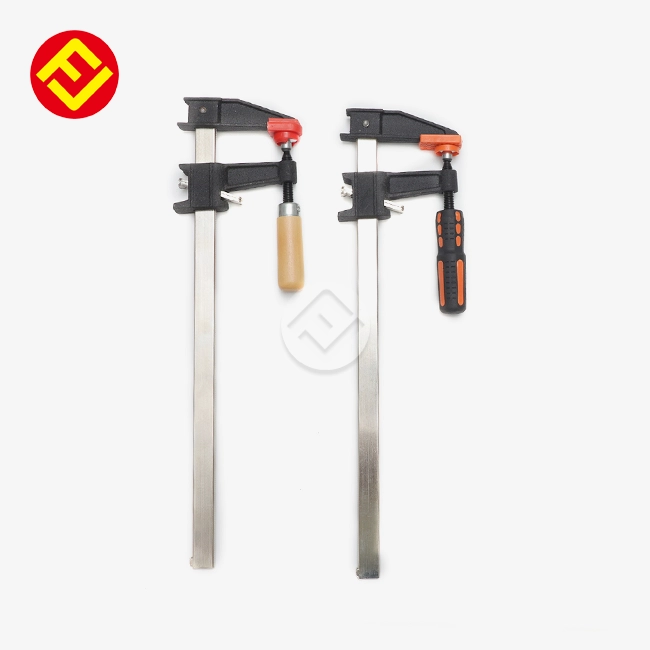
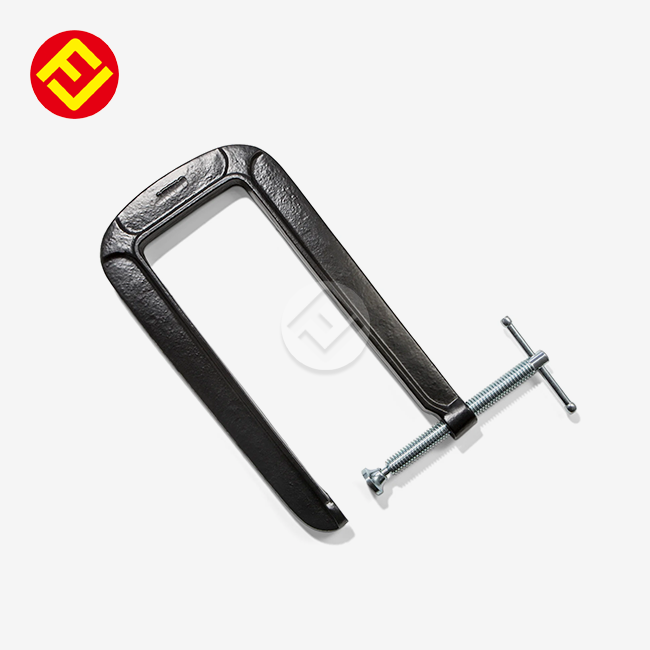
Double-head clamps are an advanced type of gripping technology that has two contact points that can be adjusted separately and are attached to a single steel screw rod. This setup evenly distributes pressure across the sides of the workpiece, which gets rid of the uneven stress buildup that happens with single-point systems. The basic design includes cast iron heads that can be shaped easily and are very strong when under heavy loads, along with steel threading that is precisely cut to allow for smooth, controlled adjustment.
Core Operational Mechanics
The working concept is based on applying pressure at the same time from two different sides. Both heads move along the threaded rod as you turn the comfortable handle. They can close or open to fit different-sized workpieces. The structure is made of malleable iron that doesn't crack when hit or heated, and the sharpened steel rod stays the same size after thousands of tightening cycles. This mix of materials solves the important problem in the business of keeping alignment accuracy during repeated manufacturing processes.
Industry Application Scope
In metalworking shops, these tools are used to position welding fixtures, in woodworking shops to hold big panels in place while they are being glued up, and on building sites to make temporary links between structures. Whether it's painted or electroplated, the finishes offer rust protection that works well in a workplace or on a job site. Manufacturing methods that are ISO9001-certified make sure that every unit meets the necessary limits for stability across the production line.
Advantages of Double-Head Clamps for Enhanced Productivity
Professional double-head clamps improve production measures in a measurable way by affecting a number of performance factors that are linked to each other. The tech behind these tools is aimed at specific problems that procurement managers face when they try to cut down on cycle times while still keeping quality standards.
Superior Workpiece Stabilization
With traditional gluing methods, it's common to need more than one tool at different angles to hold together complicated systems. Double-head setups get rid of this waste by letting you get a stable hold from just one place. The even spread of force across touch points keeps the workpiece from moving while it is being cut, drilled, or welded. In high-volume factory settings, this steadiness directly leads to lower rates of rework and better first-pass quality measures.
Material Versatility and Adaptation
Here are the main benefits of these devices for a range of operating needs:
- Multi-Material Compatibility: The contact surfaces can handle wood, metal, and hybrid materials without damaging the surface. This means that different product lines can be made in the same building.
- Dimensional Flexibility: The head can be moved to accommodate different workpiece sizes, from thin panels to thick wooden frames, so you don't need as many specialized tools.
- Quick Changeover Capability: Rapid adjustment mechanisms let workers switch between different material sizes in seconds instead of minutes, which increases the machine's utilization rate.
These benefits successfully fix production problems caused by complicated tools and changing setup times. When operations teams switch to flexible double-head clamps, they say they need less training and have less tools on hand.
Safety and Ergonomic Benefits
When making buying choices, safety at work is a big deal. The ergonomic form of the handle keeps the user from getting tired after long periods of use, which lowers the risk of repetitive strain injuries. Reliable locking systems keep things from opening up on their own when they're loaded, which meets important safety standards. The balanced weight spread lets a single person handle it without help, which makes the work more flexible.
Extended Service Life Through Quality Construction
The steps of casting, grinding, and assembly are used to make tools that are built to last. When it comes to fatigue resistance, malleable cast iron is better than welded steel options. Also, the precise threading on the screw rod keeps it from wearing out too quickly from repeated changes. Regular upkeep, like cleaning and lubricating once in a while, makes things last much longer than the warranty time. This picture of longevity supports total cost of ownership estimates that show that buying good systems at the start is worth it.

Double-Head Clamps vs Alternative Clamping Solutions
To make choices about what to buy, you need to compare the different technologies that are offered. Figuring out the trade-offs in performance between types of clamping systems can help you choose tools that meet your individual working needs and your budget.
Comparison With Single-Head Systems
For simple tasks, single-point clamps work well enough to hold, but they have trouble distributing pressure evenly. When working with bigger parts or systems that need even contact across long surfaces, double-head clamps are the best choice. The balanced method keeps wood panels from warping and metal manufacturing from losing its precise orientation. This technological difference helps industrial operations that make a lot of things the most because it makes things more consistent, which directly lowers the number of defects.
Quick-Release Mechanisms Versus Precision Adjustment
Speed-focused quick-release clamps can hold things in place quickly, but they don't have the fine-tuning features that are needed for precise work. Adjustable double-head clamps give you more precise control over the clamping force and setting, which is very important for tasks that need to be done over and over again and need to meet the same standards. When standard assemblies are used in production settings, double-head clamps that can be adjusted exactly make the work more efficient.
Heavy-Duty Versus Light-Duty Specifications
The choice between strong building and light weight portability relies on the type of material used and the amount of work that needs to be done. Heavy-duty types made of malleable iron can handle the highest holding force needs for building-grade wood and structural steel manufacturing. Light-duty options are good for finishing woodwork and putting together furniture because too much force could damage delicate materials. When defining load limits, procurement teams should look at common workpiece sizes and types of materials.
How to Select and Procure the Best Double-Head Clamps for Your Business?
When you do strategic procurement, you have to compare technical standards to practical needs while also taking into account the supplier's skills and support infrastructure. A methodical selection process lowers the risk of adoption and raises the return on investment in tools.
Critical Performance Specifications
First, figure out what the highest clamping capacity is based on the standard sizes of workpieces in your building. The available binding area is based on the throat depth, which is the distance from the screw rod to the frame edge. Make sure that the width and pitch of the threads on the steel screw rod give you enough mechanical advantage for the force you need without making the handle too hard to use. The range of adjustments for the head should be able to handle all of your different object sizes, with room for future product line growth.
Material and Finish Considerations
Cast iron that can be shaped easily is more durable for industrial use, and the choice between coated and electroplated finishes affects how resistant they are to rust. Painted surfaces work well in climate-controlled workshops, while electroplated surfaces can handle changes in humidity and temperature when they are outside or in places that aren't controlled. If a company has ISO9001 certification, it means they follow quality control methods that check materials and check measurements.
Supplier Evaluation Criteria
Reliable double-head clamps providers communicate clearly about things like wait times, product levels, and technology requirements. For pressing needs, manufacturers with large inventory holdings (measured in thousands of units) can meet those needs right away and also offer customization options for unique uses. Response times for questions about prices and technology issues show how efficient an organization is and how committed it is to customer service. Access to expert help, such as design verification and the ability to see how production is going, sets premium sellers apart from transactional vendors.
Volume Purchasing and Customization Options
When wholesalers and end users who buy a lot of double-head clamps can buy in bulk, they can save money. When suppliers offer customization services, they can change standard designs to fit specific size needs or add special features. Custom development usually takes between one and two weeks, which means that customized solutions can be put into use quickly without long project delays.
Installation and Best Practices for Maximizing Clamp Efficiency
Correct application methods and care schedules have a direct effect on how well tools work and how long they last. The best way to get the most out of your tools investment is to follow the manufacturer's instructions and use best practices from the business.
Correct Installation Procedures
Place the double-head clamps unit so that it is not parallel to the joint line of the block. This will make sure that the pressure is equal at both contact points. Before adding the final closing force, make sure that both heads touch at the same time. Before every use, check the steel screw rod threads for dirt or damage. Dirty threads make it harder to accurately measure and operate. To keep things from coming loose during operation, make sure that all the movable parts are tightened to the stated torque values.
Common Usage Errors to Avoid
When you fix something too much, it causes the material to wear out faster and the tool and item to lose their shape. When clamps are used beyond their recommended load limits, warranties are voided and safety risks arise. If you don't clean the threaded rod after using it in a dirty or debris-filled area, it will wear out faster and be harder to fix precisely. When tools are stored in acidic environments without any protection, the surface finishes get worn down and the structure becomes less stable.
Maintenance Routines for Extended Service Life
Setting up regular maintenance stretches the life of a business well beyond what was expected at the start. After every shift, clean the contact surfaces and threaded parts with the right chemicals that get rid of dust without harming the protection finishes. Light machine oil should be put on the holes of the screw rod once a month to keep the tightening action smooth and stop galling. Check malleable iron castings for stress cracks every three months and use calibrated measuring tools to make sure that important parts are the right size. Keep track of repair tasks so that you can make replacement plans based on how things are actually used.

Conclusion
Double-head clamps are smart investments for businesses that want to boost output, quality, and worker efficiency. Combining the strength of cast iron that can be shaped with the accuracy of steel adjustment mechanisms makes tools that can be used in difficult industrial settings in the metalworking, building, and woodworking industries. Balanced pressure distribution, material flexibility, and shorter setup times all give procurement managers measurable benefits that have a direct effect on throughput measures. Strategic source selection that focuses on inventory depth, customization options, and quick technical support guarantees a successful application that fits within operational timelines and budget limits.
FAQ
What Industries Benefit Most From Double-Head Clamp Technology?
Workshops that make furniture and do carpentry work use these tools a lot for gluing panels together and putting together frames, where even pressure keeps the frames from shifting. They are used by metal manufacturing shops to place welding fixtures that need to be perfectly aligned. They are used by construction companies to put together formwork and make temporary links between structures. Educational groups like how easy it is for students to use for their projects. Double-head clamps designs make work faster when it needs to securely hold bigger pieces of material or complicated assemblies.
How Do Maintenance Requirements Affect Total Cost of Ownership?
Cleaning and lubricating on a regular basis don't cost much and make the service last a lot longer. The flexible cast iron design doesn't break down over time like other materials do, so it doesn't need to be replaced as often. When properly cared for, precision-machined steel screw rods keep their dimensions over thousands of rounds. When you compare the total cost of buying something with options that don't last as long and need to be replaced more often, options with longer operating lives show lower total costs.
Can Suppliers Accommodate Custom Specifications for Unique Applications?
Well-known companies keep their engineering skills up to date so they can make custom changes to meet specific size needs or working limitations. Customizations usually take between one and two weeks, which lets the project be put into action quickly without major delays. Custom choices include changing the throat depth, creating unique contact surface shapes, and choosing from different finish treatments. To make sure that correct custom design can happen, procurement teams should give thorough details about the workpiece's size, type of material, and environment.
Partner With FLA Industrial & Trading Co., Ltd. for Premium Double-Head Clamp Solutions
Streamline your buying process by getting in touch with a well-known Products" target="_blank" style="color:blue" >products">double-head clamps maker that has been making high-quality products for almost forty years. Our 2,000-ton collection means that ISO9001-certified goods made of malleable cast iron and precise steel can be sent out right away. Within 7 to 15 days, customization services can provide custom-shaped solutions with the help of 3D design proof and real-time production updates. We offer reasonable prices for bulk orders and expert advice to meet your unique operating needs. Our Fortune Global 500 partners trust us with demanding applications. Contact our purchasing experts at sales@flaindustrial.com for full product details, bulk prices, and application planning help that cuts down on project delays.
References
"Industrial Clamping Systems: Design Principles and Application Guidelines," Manufacturing Engineering Society, Technical Standards Publication, 2022.
Johnson, M., "Comparative Analysis of Woodworking Clamp Technologies and Productivity Metrics," Journal of Industrial Tooling Research, Volume 38, Issue 4, 2023.
"Quality Management Systems for Precision Tool Manufacturing," International Organization for Standardization, ISO9001:2015 Implementation Guide, 2021.
Peterson, R., and Williams, K., "Material Science in Industrial Tool Construction: Malleable Cast Iron Performance Characteristics," Materials Engineering Quarterly, Spring Edition, 2023.
"Procurement Best Practices for Industrial Hand Tools and Clamping Equipment," National Association of Purchasing Managers, Industry Report, 2024.
Thompson, D., "Ergonomic Design in Manual Clamping Systems: Safety and Efficiency Considerations," Occupational Safety and Health Journal, Volume 29, Number 2, 2022.