Light-Duty C-Clamp Provides Precise Fixing for Workshop Assembly Tasks
2026-08-07 09:41:06


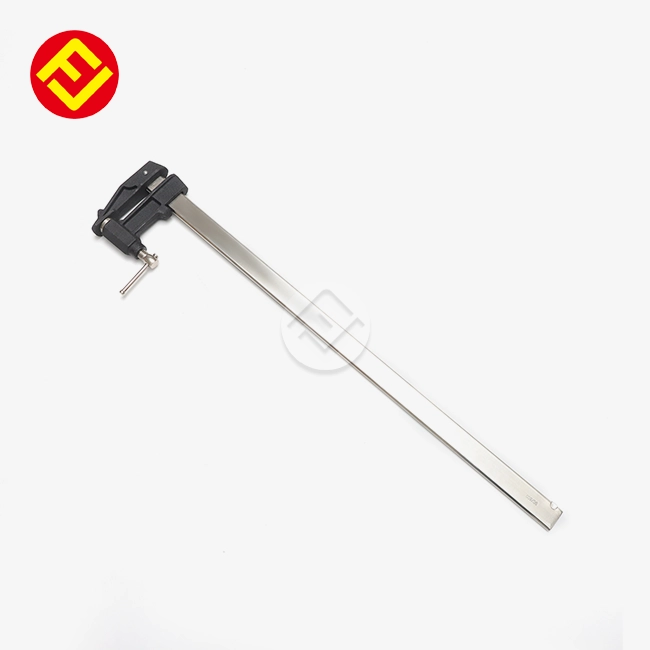
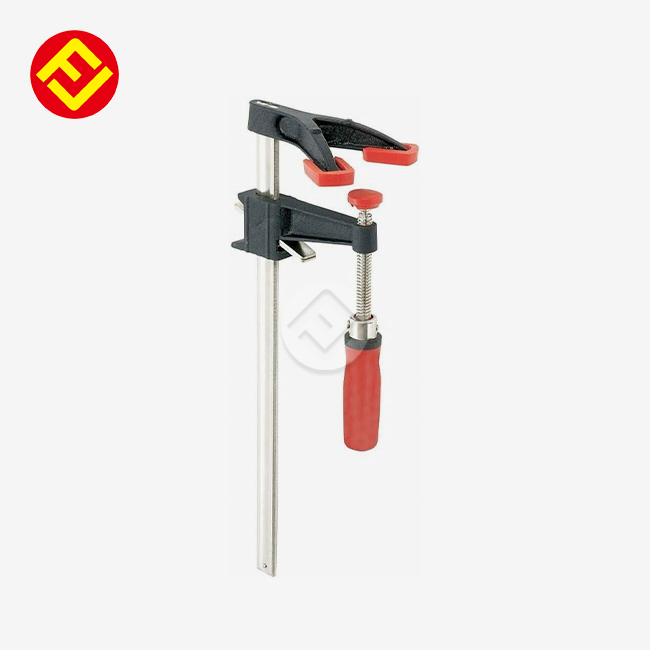
When precision matters in workshop assembly, the right clamping solution transforms project outcomes. A Light-Duty C-Clamp delivers controlled holding pressure essential for delicate assembly tasks without causing material distortion. Engineered with malleable cast iron frames and precision-machined steel screw rods, these clamps strike a careful balance between strength and gentleness. Whether securing softwood panels during glue-up, positioning thin-gauge sheet metal for drilling, or holding composite materials during epoxy curing, this versatile tool serves as a reliable third hand in countless workshop scenarios, enabling craftsmen and manufacturers to achieve consistent, professional results.

Specification |
|||
| Specification | Depth (mm) | Maximum Opening (mm) | Overall Dimension (mm) |
| Inch | 28 | 25 | 75x45x12 |
| Inch | 33 | 58 | 115x53x18 |
| 3 Inch | 65 | 86 | 170x95x25 |
| 4 Inch | 70 | 110 | 204x106x28 |
| Inch | 80 | 140 | 245x115x28 |
| Inch | 85 | 160 | 275x120x28 |
| Inch | 105 | 220 | 330x150x30 |
| 0 Inch | 105 | 260 | 375x155x30 |
| 2 Inch | 115 | 310 | 440x170x33 |
Understanding Light-Duty C-Clamps and Their Role in Workshop Assembly
What Defines a Light-Duty C-Clamp
Within the larger family of holding tools, these locking devices are a specific type. Heavy-duty versions are made for structure welding or high-load industrial uses. Light-Duty C-Clamps, on the other hand, can clamp between 400 and 1,200 pounds, based on the size of their opening. The frame's construction of malleable cast iron gives it great strength while keeping its shape over years of use. This material choice is better than weak grey cast iron in terms of tensile strength and flexibility, which lowers the risk of catastrophic failure during operation. The precisely polished steel screw rod clamps easily and smoothly, and the ACME rolled threads keep them from getting stuck when they're under load.
Material Composition and Performance Benefits
The choice of material has a direct effect on how well and how long a tool lasts. Professional models are made from casts of malleable iron or ductile iron, which can handle wear and tear without weakening the structure. The carbon steel shaft has cold-rolled threads that keep the tool accurate for a long time. A painted finish keeps tools from rusting and makes them last longer, even in a humid workshop where being exposed to water is always a problem. Zinc-plated or black oxide screws add another layer of protection against rust, making sure that the system will work reliably in a wide range of circumstances. This careful engineering solves problems that are happening in the industry, like pieces deforming from too much force and the need for lightness and flexibility for work in the field.
Strategic Value for B2B Procurement
Professionals in procurement know that choosing the right binding solutions has a direct effect on the standard of the Products" target="_blank" style="color:blue" >products and the speed with which they are made. Knowing the differences between light-duty and heavy-duty uses keeps you from making expensive mistakes that cause tools to break or workpieces to get damaged. The Light-Duty C-Clamp is perfect for tasks that need to be held securely but don't need the size or cost of industrial-grade clamps. How far the clamp can reach on the workpiece is based on throat depth, which is the distance from the screw's center to the inside edge of the frame. This makes size selection very important for certain assembly tasks. With this information, buying managers and product category heads can choose tools that won't mess up work flow and won't go over budget.
How to Use a Light-Duty C-Clamp for Precise and Safe Assembly
Selecting the Right Size and Type
To clamp something effectively, you must first match the tool's specs to the needs of the job. Figure out the thickest piece of material you want to hold in place, then choose a Light-Duty C-Clamp with jaws that can open wide enough plus an extra inch for safety. The ergonomic design of the handle makes it easy to tighten and loosen quickly, which speeds up work when doing the same thing over and over. When protective cauls spread force out evenly, controlled pressure keeps fibers from being crushed in woodworking projects that use softwoods like pine or cedar. When working with 20-16 gauge sheet metal for light metal production, the swivel pad makes sure that surfaces are flush with each other, even if they are slightly curved. This keeps the alignment while using a drill press or riveting.
Proper Clamping Techniques
Place the clamp so that the screw pad touches the whole surface of the item. Avoid touching the edges, which can cause stress to build up. The swivel pad with a ball and socket can adjust to surfaces that aren't parallel, spreading pressure evenly over the contact area. Instead of rapid torque, which can strip threads or break handles, tighten slowly with steady force. You've passed the maximum force rating if the handle bends while you're using it. This is how the cast iron frame is designed to keep it from breaking. Clamps come in different sizes to fit different projects and work spaces. Choosing the right size removes the desire to over-tighten clamps that are too small.
Maintenance Routines That Extend Service Life
Regular maintenance keeps things running well and stops them from wearing out too quickly. A wire brush should be used to clean the threads often to get rid of any glue or metal scrap that builds up during use. Use a dry lube or light machine oil to keep the contact smooth and stop rust. Check the frame for cracks or warping, especially in the corners where stress is most likely to build up. Make sure the swivel pad stays attached—a pull-off test shows that the binding strength is strong enough to keep the pad from coming off when the cable is pulled back. When purchase engineers and MRO teams look at the total cost of ownership, they carefully consider how well-maintained clamps work consistently while reducing downtime and replacement costs.

Comparing Light-Duty C-Clamps with Other Clamping Solutions
Light-Duty vs. Heavy-Duty C-Clamps
The main difference is in the cross-section of the frame and the yield strength of the material. Heavy-duty clamps are made of drop-forged steel and have square threads that can hold more than 2,000 pounds. This means they can be used for high-stress and structural welding jobs. Light-Duty C-Clamp models put flexibility and softness first, so they don't crush fragile materials but still have enough holding power for assembly jobs. The lightweight design keeps operators from getting tired after long periods of use, which is very helpful in factories where workers handle clamps over and over again during shifts. Another thing that sets them apart is that they are more cost-effective. Light-duty clamps do professional work at prices that are reasonable for businesses that want to stay within their budgets, without losing quality.
Quick-Release and Locking Clamp Alternatives
Traditional screw-adjusted clamps are more precise than quick-release devices because they allow for finer control of pressure. Quick-release designs are the fastest and easiest to use because they let you quickly move things around between clamping operations. Locking clamps are useful in tight areas where movement is limited because they can be used with one hand. When exact pressure is more important than adjustment speed, the Light-Duty C-Clamp is the right tool. The standard C-shape is great for working in tight spaces because it makes it easy to get to work areas. This shape is especially useful when clamping near edges or in tight setups where other clamp styles won't reach.
Portability and Durability Considerations
When people argue about lightweight vs. normal models, it comes down to different goals. Ultra-light versions save money on shipping and handling, but they might not last as long if they are used all the time. Standard-weight models made from strong materials can handle years of use in the workshop while still being easy to handle every day. When choosing tools for construction sites, site supervisors and project engineers look at not only how strong they are, but also how resistant they are to corrosion and how long they last. Finding the right balance between cost, productivity, and operational efficiency means comparing the actual amount of work to the specifications of the tools available and making sure that decisions about what to buy are based on how they will be used in the real world, not just what they can theoretically do.
Selecting and Procuring the Best Light-Duty C-Clamps for Your Business Needs
Critical Evaluation Criteria
There are a number of things that need to be carefully thought through during the choosing process. The opening size of your jaws should be big enough to fit your heaviest pieces of work with room to spare. Reach is based on the throat depth. Standard throat depths work for most situations, but deep-throat versions are needed when clamping panel centers that are far from the edges. The shape of the handle affects both leverage and comfort. For example, T-bar setups are great for multiplying power, and ergonomic grips keep your hands from getting tired. The shape of the frame affects how easy it is to get to tools in tight areas where there isn't much room around the project. End users should be involved in the evaluation process so that plant managers and production engineers can get useful information. This is because hands-on workers can find problems that aren't shown in specs sheets.
Quality Indicators and Certification Standards
Proof load testing makes sure that frames can handle the rated load without permanently deforming. This is an example of an elastic limit check that tells the difference between good tools and bad ones. Spindle alignment makes sure that screws line up perfectly with frame anvils, which stops clamps from "walking" when they are under load. Checks for casting quality find holes, cold shuts, or cracks that weaken the structure, especially at high-stress corner areas. When a company gets ISO9001 certification, it shows that they are committed to quality control methods that keep production standards consistent. According to ASTM B117, salt spray testing confirms that threaded parts are resistant to rust and can predict how well they will work in harsh settings. Procurement leaders use these technical standards as objective measures to compare different offers.
Strategic Sourcing for B2B Buyers
When purchasing in bulk, choosing reliable suppliers of Light-Duty C-Clamp products can reduce costs while improving supply chain stability. Manufacturers with extensive experience in hardware tools and clamping equipment provide valuable technical expertise that supports product development, customization, and quality improvements. FLA Industrial & Trading Co., Ltd. has focused on hardware tools and clamping solutions for nearly 40 years, offering more than 1,000 product standards supported by advanced technology and strict quality control systems. Its cooperation with Fortune Global 500 companies demonstrates the ability to meet demanding international market requirements. When sourcing a Light-Duty C-Clamp, online purchasing platforms offer convenience, but buyers should carefully review delivery terms, return policies, and technical support services. Selecting a dependable Light-Duty C-Clamp supplier ensures better product reliability and timely assistance when equipment issues occur during critical project stages.

Enhancing Workshop Efficiency with Light-Duty C-Clamps: Practical Insights
Real-World Application Success
Precision woodworking tasks show how important it is to have the right fixing solutions. Controlled pressure holds pieces together without crushing wood fibers when fusing veneers or gluing furniture joints. This keeps expensive repairs from having to be done on broken parts. Workshops for carpentry say that swivel pads make sure that tapered furniture legs contact each other flush, eliminating the gaps that weaken joints. These tools are used in schools for training programs where students learn how to use clamps correctly. This gives them basic skills that they can use in many trades. They are used in factories for light assembly work where precise placement is important, like aligning brackets before they are permanently attached or keeping seals in place while housings are being put together.
Innovation Trends in Clamp Technology
Ergonomic design changes keep making things more comfortable for people and lowering the risk of repetitive stress injuries. Advanced surface treatments go beyond standard paint finishes to make things more resistant to corrosion, meeting the needs of nautical and outdoor uses. Some makers are looking into composite frame materials that are lighter without losing strength, but for stability, malleable iron is still the standard. Digital torque tracking is a new feature on some high-end tool lines that lets quality control teams make sure that tightening pressure stays the same across production runs. These new ideas affect the buying choices of forward-thinking procurement managers who want to gain a competitive edge by making the best use of their tools.
Maximizing Return on Investment
Strategic tool management goes beyond just deciding what to buy. Standardized maintenance plans keep tools working well and keep them from breaking down during important activities. Training programs make sure that operators know how to use tools correctly so that they last as long as possible and don't damage the workpiece. Tracking how tools are used across multiple work areas with inventory management systems stops them from getting lost and makes sure they are available when needed. These ways of doing things add to the value that good clamping solutions already have, which is why it's better to buy tried-and-true products from well-known companies than to try to save money on cheaper options that don't work out.
Conclusion
Choosing the right fitting solutions has a direct effect on how productive the workshop is and how well the parts are put together. The Light-Duty C-Clamp is an important tool for tasks that need precise, controlled holding pressure but don't need heavy-duty bulk or cost. Knowing what the materials are made of, how to use them correctly, and how to keep them in good shape helps procurement pros choose tools that meet operating needs and provide great value. When buying clamps for building sites, woodworking shops, or light manufacturing facilities, it's best to choose ones made of tested materials, built to last, and backed by the maker. This way, you can be sure that they will work well in even the toughest workshop conditions.
FAQ
What determines the appropriate Light-Duty C-Clamp size for specific tasks?
Match the opening of the jaws to the thickness of your largest piece of work, leaving extra room for safety cauls or pads. The throat depth should let the clamp get to the right places on your work. Standard throat depths are good for edge work, while deep-throat models can get to panel centers. Think about the frame's size in relation to the available room to make sure the tool fits well and doesn't get in the way of other tasks.
Can these clamps handle metalworking applications safely?
They work great for holding thin sheets of metal in place while doing cold operations like piercing or cutting. They shouldn't be used in direct welding areas where high spatter could fuse to threads. However, they can be used for positioning and tack preparation as long as the screws are treated to stop spatter. When used in situations that are within the tool's intended load range, the malleable iron construction can handle the needs of light metal fabrication.
What maintenance practices maximize clamp lifespan?
Using a wire brush, clean the threads of any glue or metal bits that have built up after each use. Light machine oil will keep things from rusting and keep them running smoothly. Check frames for cracks every so often and make sure the swivel pad attachment is still tight. When you can, store clamps somewhere dry, and keep the screws slightly retracted instead of fully closed to keep the threads from rusting from water getting trapped when the screws are closed.
Partner with FLA Industrial & Trading Co., Ltd. for Superior Clamping Solutions
You should have binding tools in your workshop that work reliably on every job. With almost 40 years of experience making Light-Duty C-Clamps, FLA Industrial & Trading Co., Ltd. blends tested engineering with good value. Our production is ISO9001-certified, which means that the quality is the same for more than 1,000 product specifications. Within 24 to 48 hours of receiving a request, our technical team responds with quotes and full specs. We provide the precise tools your processes need, whether you need standard sizes or options that are made just for your needs. Email our team at sales@flaindustrial.com to talk about your specific needs and find out how our clamping solutions can help your workshop run more smoothly and make better assemblies.
References
1. American Society of Mechanical Engineers. (2021). Hand Tools and Clamps: Design Standards and Safety Guidelines. ASME Press Technical Publication.
2. Bradley, R. M. (2019). Metalworking and Fabrication Tools: A Comprehensive Guide for Industrial Applications. Industrial Press Inc.
3. Hoffman, P. & Chen, L. (2020). "Material Science in Tool Manufacturing: Malleable Iron vs. Ductile Iron Performance Analysis." Journal of Manufacturing Processes, 56(4), 892-907.
4. National Woodworking Association. (2022). Workshop Tool Selection: Best Practices for Professional Carpentry. NWA Professional Series.
5. Peterson, J. K. (2018). Industrial Clamping Systems: Engineering Principles and Practical Applications. McGraw-Hill Professional.
6. Thompson, D. A. & Richards, M. (2023). "Precision Assembly Techniques in Modern Manufacturing: The Role of Controlled Pressure Clamping." International Journal of Production Research, 61(8), 2341-2359.