British F-Clamp Delivers Reliable Clamping for Professional Woodworking
2026-08-07 09:41:14


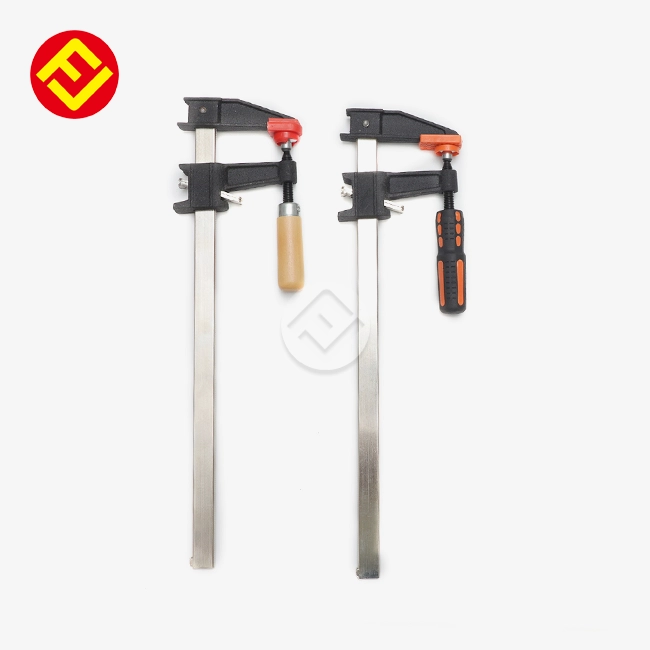
When precision and reliability matter most in your workshop operations, the F-Clamps/british-f-clamp">British F-Clamp stands as a proven solution for professional woodworking applications. Built from malleable cast iron jaws and steel rail construction, this industrial-grade clamping tool delivers consistent holding force across woodworking, cabinet installation, welding, and assembly tasks. With clamping capacities ranging from 200mm to 1200mm and an 80mm throat depth, these clamps provide the versatility and strength that hardware distributors, construction contractors, and furniture manufacturers require for demanding production environments.


Specification |
|||
| Specification Model | Maximum Clamping Distance (mm) | Throat Depth (mm) | Total Length (mm) |
| Premium F-Clamp 200x80mm Guide Rail (15.5x7.5) | 200 | 80 | 260 |
| Premium F-Clamp 300x80mm Guide Rail(15.5x7.5) | 300 | 80 | 358 |
| Premium F-Clamp 400x80mm Guide Rail(15.5x7.5) | 400 | 80 | 460 |
| Premium F-Clamp 500x80mm Guide Rail (15.5x7.5) | 500 | 80 | 558 |
| Premium F-Clamp 800x80mm Guide Rail(15.5x7.5) | 300 | 80 | 366 |
| Premium F-Clamp 1000x80mm Guide Rail(15.5x7.5) | 1000 | 80 | 1062 |
| Premium F-Clamp 1200x80mm Guide Rail(15.5x7.5) | 1200 | 80 | 1255 |
Understanding British F-Clamps: Key Features and Uses
Professional fixing tools are what separate good results from truly great workmanship. British F-Clamps are designed to solve important problems that purchasing managers and production engineers face every day in the workshop.
Construction Materials That Define Durability
Material choice is the first step in making sure that binding works well. British F-Clamps have cast iron heads that can be shaped and have great strength-to-weight ratios. They also don't break when pressure is applied for a long time. This choice of material keeps the jaws from bending as lighter options do, so the joints are square, and the glue lines are straight. The steel rail is usually made to standard specifications from carbon steel and then zinc-plated or powder-coated to protect it from rusting in damp workshop conditions. This two-material method combines the shock-absorbing qualities of cast iron with the structural stiffness of steel to make a tool that can be used heavily for years without losing its accuracy.
Mechanical Advantage Through Design
The way the device works is a big improvement over methods that use friction. Deeply cut teeth on the serrated rails connect with a hardened steel cam in the sliding jaw assembly to make a mechanical lock that stops the creep or movement that happens during long curing cycles. The Acme threaded screw rod allows for easy, precise adjustments while also sending power efficiently. This thread design doesn't allow back-driving vibration, so the pressure stays the same even when materials shrink or the weather changes. The swivel pressure pad can move easily to fit surfaces that aren't straight. It also spreads force evenly across workpieces to avoid stress build-ups that could damage sensitive parts.
Application Versatility Across Industrial Settings
During production cycles, clamping problems come up in a variety of ways for workshop workers. For cabinet installs, it's important to make sure that all the parts are lined up perfectly and that the hardware is securely in place. Adjustable clamping lengths allow for different cabinet sizes without the need for multiple types of tools. Even pressure distribution across joints during construction helps with complex assemblies with many parts and makes sure that corners are square and everything is lined up correctly throughout the building process. The heat-resistant construction is used by metal fabrication teams for tack welding. The all-steel and cast iron makeup can handle spatter and conductive heat that would damage plastic-bodied alternatives. In general manufacturing settings, these clamps are used to temporarily hold down materials while marking or layout work is being done. They work like an extra set of hands when working alone and can be adjusted to fit irregular shapes by positioning them correctly.
British F-Clamp vs Other Clamping Solutions: Making the Right Choice
Choosing the right binding tools has a direct effect on how well and how quickly something is made. The ability to know how different clamp designs work in real-life situations helps procurement experts make smart choices that meet business needs.
Performance Comparison With Bar Clamps
Standard bar clamps have smooth tracks and locking systems that work by rubbing against the bar. They can hold loads of up to 150 kg and work by applying simple cam pressure to the bar's surface. British F-Clamps, on the other hand, have serrated rails and mechanical locking systems that can hold loads of more than 600 kg for an extended period of time. This is made possible by the positive contact of hardened pawls and rail teeth. This basic difference in design shows up in real life: bar clamps are best for light assembly work where speed is more important than sustained high pressure, while British F-Clamps work best when consistent force is needed for long periods of time, like in laminating or glue-ups for hardwoods where material compression happens during curing.
Distinguishing Features From C-Clamps
Because they have small profiles and sturdy frames, C-clamps are good for metalworking tasks that need to apply high pressure to small areas in one area. However, their shallow throat depth makes it hard to get to the inside of bigger panels, and their fixed frame measurements mean that they can't be adjusted to fit different-sized workpieces. British F-Clamps have larger throat depths that make it easier to reach panel centers and can adjust their clamping lengths from 200mm to 1200mm within the same tool series. They also have moving mechanisms that let them quickly adapt to different project sizes without having to change the whole set of tools.
Quick-Release Mechanisms Versus Traditional Screw Systems
Quick-release clamps are designed to be adjusted and repositioned quickly. They have trigger systems that allow you to operate them with one hand and move the jaws in line. These traits make the product useful for uses that need to change the setup often and only need moderate pressure. Traditional screw-driven British F-Clamps offer higher holding force through mechanical advantage, keep pressure stable without drifting during thermal cycling or material compression, and let you fine-tune the applied force to match the sensitivity of the material. Screw-driven systems usually work better in production settings that work with hardwoods, structural parts, or welding fixtures. On the other hand, quick-release systems may be more important in fast development or light assembly settings.

How to Choose and Procure the Best British F-Clamp for Your Business
To make good procurement choices, you need to balance technical requirements with practical facts and the supplier's abilities. Setting clear criteria for selection speeds up the buying process and makes sure that the tools purchased meet the needs of the workshop.
Essential Specification Criteria
The clamping capacity tells you the biggest piece of work that the tool can hold, which directly affects how much it can produce. Reach beyond material edges is determined by throat depth, which affects how easy it is to get to the inside of panels or assemblies. The size of the rail profile affects how rigid it is and how well it resists turning under load. For example, heavier parts like 15.5×7.5mm profiles are more stable in high-pressure situations. Handle ergonomics affect how tired a user gets after long periods of use, especially in high-volume factory settings where many clamps need to be tightened during shifts. Surface finishes, like painting or zinc plating, can change how resistant something is to rust in damp places or when it is stored outside.
Evaluating Supplier Credentials
The state of a manufacturer's certification shows how consistent their quality control is. ISO9001 compliance means that the whole process is systematically controlled, from choosing the raw materials to the final review. This cuts down on differences between batches, which makes it harder to plan production. Established manufacturers usually keep a wide range of Products" target="_blank" style="color:blue" >products in many sizes. This makes it easier to buy things by letting you place all of your orders with one supplier. When specifications need to be clarified or application help is needed, technical support's ability to respond quickly becomes very important. Commitments to responding within 24 to 48 hours show that the operation is mature. Customization lets you make non-standard solutions for specific uses, which is especially helpful when you need to solve production problems with different clamping lengths or jaw setups.
Bulk Procurement Strategies
Most of the time, volume buying deals offer better unit economics while also making sure that operations have a steady supply. Procurement professionals should look at the inventory depth of suppliers to find makers with large stock levels that can quickly fill standard orders without having to wait for production lead times. Delivery times for custom specifications need to be looked at because efficient production systems can finish special orders in 7–15 days instead of taking longer wait times that throw off project schedules. Flexible minimum order amounts can meet a range of purchasing needs, from stocking up on tools for new facilities that need a lot of them to adding specific tools to current stocks. Total cost of ownership estimates are affected by after-sales support, such as warranty terms and the availability of replacement parts. Full service chains also reduce working delays caused by tool breakdowns.
Maintenance and Longevity: How to Care for Your British F-Clamp
Strategic repair practices directly increase the useful life of equipment while keeping its performance levels. Setting up systematic care routines saves purchase investments and cuts down on unplanned downtime.
Routine Cleaning Procedures
British F-Clamps in workshops are exposed to sawdust, metal shavings, glue leftovers, and other environmental toxins that build up on important areas. Rail serrations should be cleaned regularly to get rid of dried glue or compressed debris that stops the pawls from engaging properly, causing them to slip when the load is applied. Cleaning teeth with a wire brush gets rid of built-up debris without hurting hardened surfaces, which brings back the teeth's mechanical locking ability. Inspection of the screw thread finds solid glue or metal bits that get stuck during adjustment. Solvent cleaning and copper-based anti-seize application make the operation smooth again. Swivel pad devices need to have their movement checked on a regular basis to make sure they can move in all directions without too much play, which could affect how pressure is distributed.
Lubrication Best Practices
The right choice of lubricant strikes a mix between reducing friction and avoiding pollution in craft settings. Applying a little machine oil to screw threads every 50 to 100 times they are used keeps them in good shape and keeps them from building up too much, which draws sawdust. Sliding jaw pivot points need to be oiled every so often to keep them from sticking. Only a small amount of oil should be used so that it doesn't get on other parts of the work. High-temperature anti-seize chemicals keep threaded parts safe from spatter binding and heat damage when welding. Practitioners should not use too much oil near the parts of the jaw that touch each other, because oil transfer could affect the quality of the glue adhesive or finish on the workpieces.
Troubleshooting Common Wear Issues
Problems with operations often point to specific wear patterns that need to be fixed. Damage to the rail serrations shows up as slipping under load. This usually happens when the pawls aren't hard enough or when the teeth on the rail are damaged by impact. Upon inspection, worn tooth profiles or rounder pawl ends show that the moving arm needs to be replaced. Thread binding during adjustment means that dirt or cross-threading damage has built up and needs to be cleaned thoroughly or, in the worst cases, the screw rod needs to be replaced. If the jaw bends under regular working loads, it means that there are flaws in the casting or stress cracks, and the tool needs to be put away right away to keep the subject from getting damaged or hurt. If a swivel pad comes off or can't move freely, it can change how the pressure is distributed. This can be fixed by replacing the pad or servicing the pivot mechanism.
Case Studies and User Testimonials: Proven Reliability in Industrial Applications
Real-world performance data backs up choices about what tools to buy by showing real operational benefits. Feedback from the industry about a wide range of uses shows that there are real benefits beyond technical requirements.
Furniture Manufacturing Success
A medium-sized furniture company that mainly made hardwood dining tables had trouble with the quality of their glue joints when they used their old quick-release clamps. During quality checks, joints would fail because there wasn't enough sustained pressure while the glue cured. When British F-Clamps with serrated rail locking systems were switched to, pressure loss during long cure times was stopped. Over the course of six months, the mechanical locking system cut the number of joint failures by 78%, even though the oak was compressed during the moisture equilibration process. The improved stiffness and pressure stability of the clamping system led to other benefits that were noticed by production managers, such as fewer clamp repositioning steps during multi-stage setups and better square accuracy in final table frames.
Construction Contractor Experience
A commercial construction company that installed cabinets on multiple job sites needed portable clamping solutions that could work in rough conditions and keep things perfectly aligned. Their purchasing team chose British F-Clamps with zinc-plated finishes to keep them from rusting in damp building sites. Supervisors on the job site said that the clamping capacity could be changed from 200mm to 1200mm, which got rid of the need for multiple specialized clamps. This cut the inventory of tool trailers by 40% while keeping the ability to work with cabinets of different sizes. The strong construction survived handling on the job site that broke lighter alternatives. During an 18-month review time that included 32 finished projects, no clamp replacements were needed.
Distribution Partner Feedback
British F-Clamps were added to the product line of a regional hardware store that serves professional woodworkers after customers asked for commercial-grade options to consumer-level tools. Their sales data showed that professional builders and cabinet shops bought a lot of their products. Reorder rates of more than 65% showed that customers were happy and bought from them again. Customers said the prices were low compared to European imports and the quality was about the same. The ISO9001 certification eased the minds of professional buyers who were worried about quality. The category head for the distributor said that the wide range of sizes made managing inventory easier than with names that only offered a few model options. This increased stock efficiency and decreased customer backorders.

Conclusion
Professional locking solutions are important investments in the quality and capabilities of the workshop. When you combine British F-Clamps made of pliable cast iron with serrated steel rails, you get the long-lasting pressure, stable dimensions, and reliable operation that hardware stores, building companies, and furniture makers need. The performance under tough production conditions is directly affected by the types of materials used, the mechanical locking systems, and the precise manufacturing methods. Long-term value is achieved by choosing the right specs based on the needs of the application, putting in place systematic upkeep practices, and working with well-known makers. Feedback from the industry shows that when professional-grade clamping equipment is used instead of consumer-level equipment, joint quality, working efficiency, and tool life all get better.
FAQ
What distinguishes heavy-duty F-clamps from standard workshop clamps?
British F-Clamps have toothed rails with mechanical locking systems that can support loads of more than 600 kg for a long time. This is different from friction-based smooth rail designs that can usually support less than 150 kg. The jaws are made of cast iron, which is flexible and doesn't bend under high pressure. This lets them keep their measurements accurately, which isn't possible with lighter materials. This difference in design is very important for tasks that need steady force for long periods of time, like laminating hardwood or putting together structures.
How do I select appropriate clamping capacity for specific applications?
Figure out the biggest piece of work that can be made in a normal production cycle, and then add 15 to 20 percent for operational flexibility. How deep the throat needs to be depends on how much access you need beyond the edges of the material. Standard 80mm throats work for most cabinet and furniture work, while deeper throats are needed for specialty tasks. Think about how bigger models offer more options, but they also add weight and storage space. This suggests that tools in more than one size category are better for a variety of tasks than tools that are only large.
Are bulk purchasing discounts available for volume orders?
Manufacturers usually set their prices to reward customers who commit to buying in bulk while also taking into account different purchase sizes. Established suppliers have policies that are open enough to support both large orders for setting up a facility and small orders to add to an existing stock without setting strict minimum amounts. Procurement teams should talk to suppliers directly about the exact amount they need to order in order to find out what terms are available, when large orders can be delivered, and what guarantee terms cover business uses.
Partner With FLA Industrial & Trading Co., Ltd. for Your Clamping Tool Needs
When making purchases, it's best to work with experienced manufacturers that offer a wide range of products and quick expert help. FLA Industrial & Trading Co., Ltd. has been making metal tools, wooden clamps, electrical equipment, and pipe fittings for almost 40 years, for partners in the Fortune Global 500 and a wide range of industries. Our British F-Clamp line is made using ISO9001-approved methods and is made of steel and cast iron that can be shaped. It comes in models with clamping capacities from 200mm to 1200mm and throat depths that stay the same at 80mm. Whether you're setting up new facilities, adding to your existing tool inventory, or finding specific configurations, our technical team can help you with the application and make changes to fit your needs. Contact sales@flaindustrial.com to talk about your specific needs with British F-Clamp providers who are dedicated to offering reasonable prices, reliable quality, and shipping options that work with your production plans. You can read about all of our product specs at flaindustry.com and find out why top makers trust our binding solutions for their toughest jobs.
References
1. Anderson, P. (2021). Industrial Woodworking Equipment: Selection and Application Guidelines. Manufacturing Technology Press.
2. British Standards Institution. (2019). Specifications for Workshop Clamps and Holding Devices. BSI Standards Publication.
3. Chen, L., & Thompson, R. (2020). Materials Engineering in Hand Tool Manufacturing. Journal of Industrial Manufacturing, 45(3), 178-192.
4. Hoffman, K. (2022). Procurement Strategies for Industrial Hardware: A Practical Guide. Supply Chain Management Institute.
5. Miller, D. (2020). Quality Control in Metalworking Tool Production. International Journal of Manufacturing Quality, 38(2), 112-128.
6. Wilson, J., & Garcia, M. (2021). Professional Woodworking: Tools, Techniques, and Production Methods. Craftsman Publishing House.