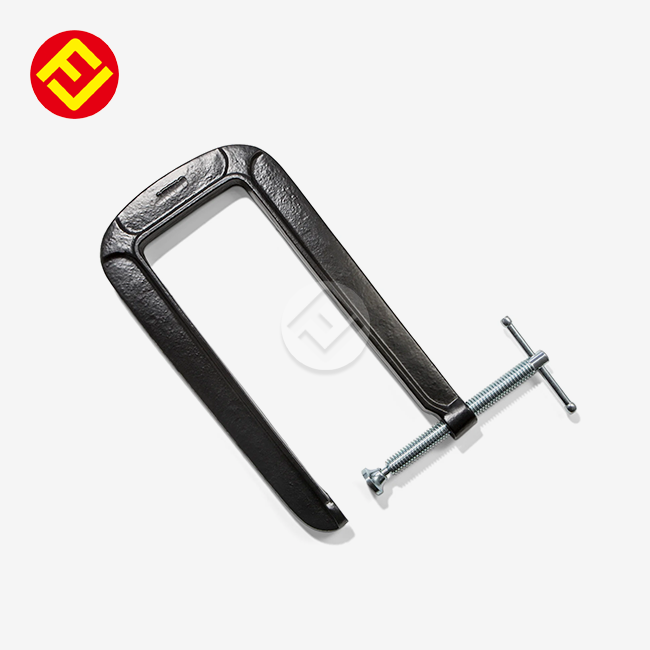
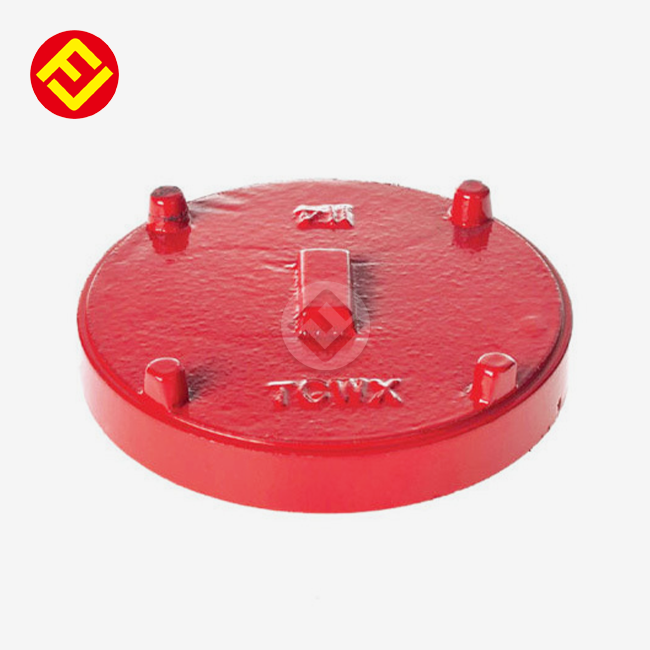
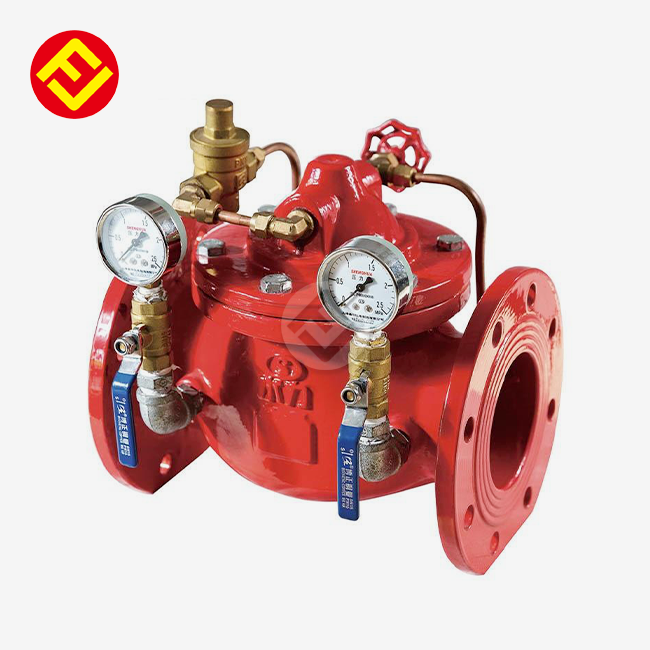
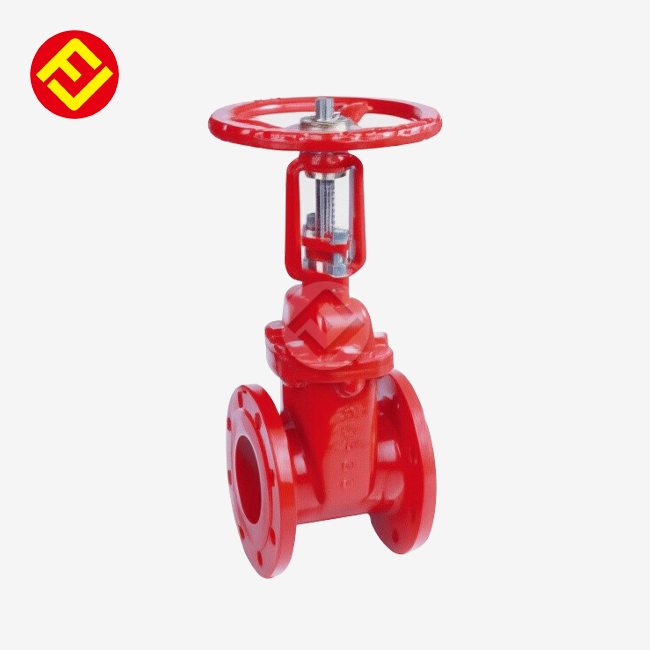
Light Duty Pump Clamp for Efficient Pipe Fixing Solutions
2026-07-16 14:41:48


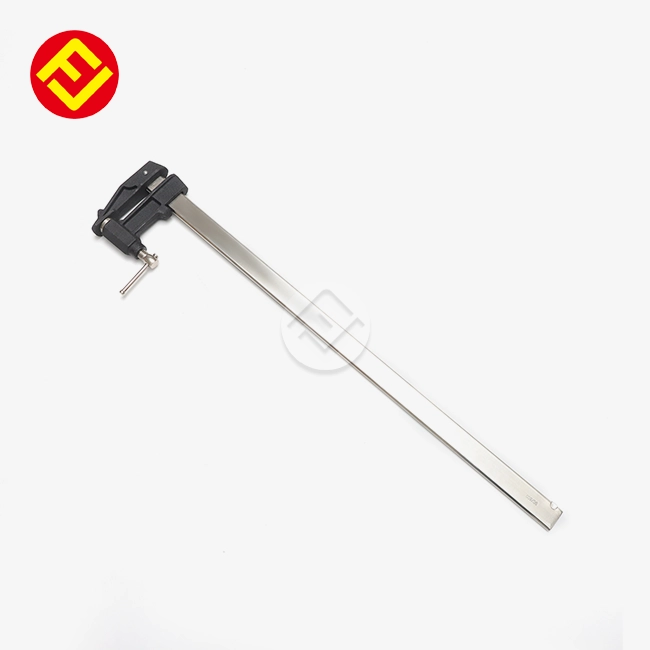
When heavy-duty systems aren't needed, but solid pipe holds are needed in an industrial setting, the Light Duty Pump Clamp is the best option. These clamps are made from carbon steel or ductile iron and have improved finishes that prevent rust. They provide safe fastening for plumbing systems, water pumps, and moderate-pressure uses. They are very light, which cuts down on installation time while keeping structural integrity. This makes them essential for builders, distributors, and site managers who need cost-effective pipe fixing solutions that don't skimp on safety or performance.


Specifications |
|||
| Specification Model | Maximum Clamping Distance (mm) | Throat Depth (mm) | Total Length (mm) |
| Spanish-Style Pump Clamp 90*300 | 300 | 90 | 410 |
| Spanish-Style Pump Clamp 90*400 | 400 | 90 | 510 |
| Spanish-Style Pump Clamp 90*500 | 500 | 90 | 610 |
| Spanish-Style Pump Clamp 120*300 | 300 | 120 | 425 |
| Spanish-Style Pump Clamp 120*400 | 400 | 120 | 524 |
| Spanish-Style Pump Clamp 120*500 | 500 | 120 | 623 |
| Spanish-Style Pump Clamp 120*1000 | 1000 | 120 | 1118 |
| Spanish-Style Pump Clamp 120*1500 | 1500 | 120 | 1613 |
| Spanish-Style Pump Clamp 120*2000 | 2000 | 120 | 2108 |
Understanding Light Duty Pump Clamps: Basics and Benefits
What Defines a Light Duty Pump Clamp
A pipe locking clamp made for Light Duty Pump Clamp uses is a special kind of mechanical linking system that joins pipe parts that have grooves or flanges. Heavy-duty clamps can handle pressures up to 200 Bar, but these clamps can usually handle moderate pressures between 85 and 130 Bar. This means they can be used in home water systems, commercial installations, and light industrial settings. The basic design includes a clamping body made by precision casting or machining, along with gasket seals and quick-release mechanisms that make it easy to put together in a variety of ways without using any tools.
Material Composition and Construction Methods
When we make things at FLA Industrial, we focus on using high-quality materials because they are the basis of clamp reliability. We make these parts out of either carbon steel, which has better tensile strength, or ductile iron, which is more resistant to impact. The casting process makes the basic shape of the clamp body. Next, precise cutting makes sure that the dimensions are correct, which is important for the gasket to sit properly. Surface treatments like powder coating or industrial painting protect against rust well, which extends the life of the product even in wet places like plumbing and HVAC installs.
The Spanish design guidelines that guide our production process are the result of decades of improving engineering in Europe. By balancing weight loss with structural integrity, this method makes clamps that weigh about 30 to 40 percent less than traditional bolted options. For things like boom-mounted pumps, where every kilogram affects how stable they are and how much fuel they use while being moved, less weight is very important.
Core Performance Advantages
There are more benefits than just saving money when you choose the right light-duty fastening systems. When workers can use snap-action or single-lever mechanisms to connect pipe pieces instead of fighting with multiple bolts, installation goes a lot faster. This directly means fewer hours of work on building sites, where time limits are what make projects profitable.
Another important benefit is that it doesn't rust, which is especially important for outdoor installations or systems that are exposed to treated water that has chlorine or other chemicals added to it. Our powder-coated finishes are put through strict salt spray testing according to ASTM B117 standards. This shows that they don't rust for long periods of time. This durability keeps the product from breaking down too soon, which happens a lot with cheap Products" target="_blank" style="color:blue" >products. This cuts down on maintenance calls and protects the reputations of contractors.
Versatility in application scenarios makes these clamps valuable inventory items for hardware distributors. Plumbers who fix water heaters in homes, commercial contractors who put in pump systems in office buildings, and industrial maintenance teams that control the flow of process water all use the same line of products. This wide range of uses makes keeping track of stock easier and makes sure that the product is always known across all project types.
Installation and Maintenance Best Practices for Light Duty Pump Clamps
Step-by-Step Installation Protocol
Before installing something correctly, you should carefully check both the Light Duty Pump Clamp and the pipe it will hold in place. Check the area around the gasket housing for any casting burrs or other debris that could damage the seal. With a wire brush, you can clean the ends of the pipes to get rid of scale, rust, or old gasket material. This will leave smooth contact areas that let the pressure spread out evenly.
Make sure the gasket is in the right place inside the clamp body and that it sits flush without bending or folding. Align the clamp body around the pipe joint and make sure the slot profile fits the pipe flange standard. There is a big difference between metric and HD compatibility, and gaps between profiles that don't match can be dangerous. Whether it's a snap-action or a lever-type closing device, put steady pressure on it until the safety locking position engages. Always put the safety cotter pin through the marked hole to keep the lid from opening by mistake during operation due to vibration or pressure from outside sources.
When it comes to fixed versions, torque specs should strictly follow the manufacturer's instructions. If you tighten something too much, the seal can bend, and the material could become stressed. If you tighten something too little, the joints can leak when the pressure changes. Our technical documentation gives precise torque values for various pipe diameters and pressure ratings, making sure that the best performance in a wide range of situations.
Routine Inspection and Preventive Maintenance
Setting up a regular repair plan for clamps greatly increases their useful life and stops them from breaking down without warning. For systems that get a lot of use, they should be inspected visually once a week to look for signs of gasket wear, coating damage, or mechanism wear. Pay extra attention to the pivot pins and movable parts when they are near rough materials like concrete slurry, as small particles can speed up wear.
As part of the cleaning process, the right solvents that won't damage protective coatings must be used to remove surface contaminants. Do not use rough cleaning methods that remove layers of finish and make it easier for rust to start. Use the right lubricants on moving parts, making sure they work with the clamp material and the fluid that is flowing through the pipes.
When to change a gasket depends on how often it is used and what kind of fluid it is. Systems that move highly aggressive fluids need to have their gaskets checked more often than systems that move clean water. When gaskets become flattened or hard, they can't keep the seal compressed properly. This means they need to be replaced right away to stop leaks. Keeping extra gaskets and safety pins in stock will help you get to work quickly when maintenance is needed.

Comparing Light Duty vs Heavy Duty Pump Clamps: Making the Right Choice
Load Capacity and Material Strength Differences
The main difference between light-duty and heavy-duty binding systems is how well they can handle pressure and how strong their structures are. Heavy-duty versions made for high-rise static lines or harsh industrial processes have stronger bolt designs, thicker wall sections, and steel alloys that have been hardened to handle pressures of more than 200 Bar. When working with water hammer, thermal expansion stresses, or safety-critical situations where failure would have bad results, these standards become important.
Light duty setups work best in moderate-pressure settings that don't have these harsh conditions. A home water pump usually works below 80 Bar, which is well within the safe operating range of properly installed light-duty parts. The width of the material and the strength of the fasteners provide enough security without the extra weight and difficulty of fitting that comes with heavier options.
Cost Analysis and Lifespan Considerations
Budgets play a role in purchasing decisions in every industry, but they are especially important for hardware distributors who have to manage their inventory investments and construction contractors who have to bid on competitive projects. Light Duty Pump Clamps usually cost 40–60% less than heavy-duty choices that do the same job. This means that buying in bulk saves you money right away. Because of this difference in cost, wholesalers can keep a wider range of sizes in stock, while builders can use their budgets for other project needs.
The expected service life depends on where it was installed and how well it was maintained, not just the job grade. A light-duty clamp that is well taken care of and kept inside usually lasts longer than a heavy-duty clamp that is left out in harmful conditions. Our ISO9001-certified production method guarantees consistent material quality and accurate measurements, which helps products last longer if customers follow the maintenance instructions provided.
Application-Specific Selection Criteria
To pick the right clamp group, you need to carefully look at a number of project factors. The diameter of the pipe is the starting point because clamps must fit within a certain size range in order to work. Our product line can handle setups from DN100 (4 inches) to DN125 (5.5 inches), which are popular in pump installs and water distribution systems.
It's important to carefully look at operating pressure conditions, which include both steady-state pressures and possible surge events that can happen when a valve closes quickly or a pump starts up. Extreme temperatures, chemical contact, and vibration levels in the environment all affect the choice of material and the type of covering that is needed. When installing things outside, where they are placed matters. For example, salt air speeds up rusting along the coast, while less active air conditions are better inland.
Top Light Duty Pump Clamps for Industrial Use in 2024: Market Overview
Leading Manufacturers and Quality Standards
There are many makers of pipe fastening solutions on the global market, but the quality of their products varies a lot from one source to the next. Established manufacturers with decades of experience show a deep understanding of the metal requirements, tolerances for dimensions, and finishing processes that determine long-term dependability. FLA Industrial & Trading Co., Ltd. has been in the industrial hardware business for almost 40 years and has a lot of experience in casting, cutting, and putting things together in a way that meets international quality standards.
Certification standards provide an objective way to check that a company can make something. Our ISO9001 Quality Management System certification shows that we have systematic process controls in place at all stages of production, from checking the raw materials to doing the final tests. This organised method makes sure that every batch of Light Duty Pump Clamps meets the same quality standards, which gets rid of the quality variations that cause issues for both workers and end users.
Procurement Options for B2B Buyers
Hardware stores and building companies make choices about what to buy in a different way than regular people do. One benefit of placing a bulk order is that you can get better discounts if you buy in bulk. This helps resellers make more money and helps contractors manage large projects by lowering the cost per unit. Our store can hold more than 2,000 tonnes, so we can fill large orders right away without having to wait for long lead times that throw off project plans.
Customisation makes it possible to meet specific needs that standard products can't. Engineers can work together to make changes to sizes, materials, or finishing systems that are specific to the needs of a given application. Our rapid prototyping service gives you pricing information, specs, and 3D designs within 24 to 48 hours. For most configurations, custom manufacturing is then finished within 7 to 15 days. This responsiveness helps just-in-time procurement methods and meets the needs of each job.
Total landed costs and delivery reliability are affected by shipping logistics and geographic distribution networks. We have long-term relationships with goods haulers that serve the US market. This makes sure that our products get quickly from our factories to delivery centers or straight to project sites. Understanding the rules for importing goods, the paperwork that is needed, and the customs process can help you avoid the delays and extra costs that can throw off your project schedule.
Frequently Encountered Issues and How to Avoid Them
Common Failure Modes and Warning Signs
Even Pipe Clamps that are well thought out can have problems if they are not installed or maintained properly. One of the most common types of failure is gasket blowout, which can happen because the grooves aren't lined up right, there isn't enough close pressure, or the gasket material has worn down. A visual inspection that shows fluid seeping around the Light Duty Pump Clamp body is a sign of developing seal problems that need to be fixed right away before small leaks become system failures.
Little cracks slowly show up near places where stress is high, like around fastener holes or where two clamp body sections meet. This is a sign of material fatigue. These early danger signs can be found by regularly inspecting in good lighting conditions before cracks get too big. When a crack goes through more than 10% of the thickness of the material or when any damage stops the clamp from closing properly, it needs to be replaced.
Corrosion damage below the surface affects the strength of the structure and the efficiency of the cover. When rust gets through protected layers, it needs to be cleaned up and fixed, but when it gets to the base metal, it means the metal isn't as strong as it should be. Pitting corrosion changes the surface's texture in a way that stops gaskets from seating properly, so the part has to be replaced instead of being fixed.
Proactive Prevention Strategies
By checking the quality of the work in a planned way before placement, many problems can be avoided. Using callipers or go/no-go gauges to check the dimensions makes sure that the clamp fits properly on the pipe flanges, preventing the mismatches that lead to leaks. The gasket check makes sure that the rubber material stays flexible and doesn't harden, crack, or permanently set in compression from being stored.
Protecting the environment makes things last a lot longer in tough conditions. When things are regularly exposed to acidic environments or rough materials, extra safeguards like extra coating application or physical protection, slow down the rate of degradation. Using the right storage methods for unused items keeps them from getting wet and damaged during storage periods.
Keeping records helps with tracking maintenance and making guarantee claims when problems happen. By writing down the dates of installations, inspection results, and upkeep tasks, you can create past data that can be used to find trends and plan when to replace things. Keeping buy records and maker certifications makes it easier to handle warranties when manufacturing flaws are found during coverage times.

Conclusion
To choose the right pipe-securing parts, you have to weigh the performance needs, cost concerns, and the specific operational conditions of each application. The Light Duty Pump Clamp works well in many different types of industries as long as it is matched correctly to the pressure levels, environmental exposures, and fitting needs. Knowing the qualities of the materials, the best ways to place them, and how to keep them in good shape will make sure that these parts work well for as long as they're supposed to. Partnering with experienced makers who offer technical help, quality certifications, and responsive customer service that goes beyond just delivering products is good for procurement pros.
FAQ
What pressure ratings are suitable for light duty pump clamps?
These clamps can usually handle pressures between 85 and 130 Bar well, which means they can be used for water systems in homes, setups in business buildings, and light industrial tasks. When the pressure needs to be higher than 200 Bar, heavy-duty options with strengthened construction are needed.
How do I verify clamp compatibility with existing pipe systems?
Check the slot profile specification (metric vs. HD standards) and make sure you get an exact measurement of the pipe's outer diameter. When profiles don't match, dangerous gaps appear, so always check the dimensions before buying clamps or installing them on existing infrastructure.
What maintenance schedule should I follow to get the best results?
Visual inspections once a week are good for places with a lot of use, while once a month is enough for less stressful situations. Regularly clean and grease moving parts, especially when they are in rough situations. Right away, replace any gaskets that are thinning, thickening, or showing any other kind of damage.
Can these clamps really handle being installed outside?
When clamps are properly finished with powder coating or good paint systems, they can withstand being outside for a long time. Coastal areas with salty air need to be inspected more often and may benefit from extra protection treatments to make things last longer.
Partner with FLA Industrial & Trading Co., Ltd. for Your Pipe Fixing Needs
FLA Industrial & Trading Co., Ltd. has everything that purchasing managers need in a trusted Light Duty Pump Clamp provider. For almost 40 years, we've been making high-quality products that Fortune Global 500 partners trust in both domestic and international markets. We keep more than 2,000 tonnes of goods on hand so that we can meet your needs right away. We also offer customisation services with a 7–15 day response time. Every sale comes with technical help, from coming up with the first specifications to delivery and beyond. Email our team at sales@flaindustrial.com to talk about your specific needs, ask for samples, or get detailed quotes that are made to fit the details of your project.
References
1. American Society of Mechanical Engineers (2019). ASME B30.27: Material Placement Systems and Associated Rigging – Safety Standard for Concrete Pumping Systems. New York: ASME Press.
2. Chen, W., & Liu, M. (2021). Mechanical Properties of Ductile Iron Pipe Fittings in Water Distribution Systems. Journal of Materials Engineering and Performance, 30(4), 2847-2856.
3. Industrial Fasteners Institute (2020). Pipe Clamp Design Guidelines: Selection Criteria for Pressure Applications. Cleveland: IFI Technical Publications.
4. Martinez, R., & Thompson, J. (2022). Corrosion Protection Methods for Steel Piping Components in Municipal Water Systems. Corrosion Science and Technology, 18(2), 145-162.
5. National Association of Pipe Fabricators (2023). Best Practices Manual for Grooved Mechanical Piping Systems. Houston: NAPF Standards Committee.
6. Wilson, D.K. (2021). Comparative Analysis of Light and Heavy Duty Clamping Systems in Industrial Applications. Engineering Maintenance Solutions, 15(3), 78-94.
YOU MAY LIKE