How Long Does a 32mm Pressure Reducing Valve Last?
2026-07-16 14:41:55


Knowing how long a valve lasts is important when planning your next job or looking at maintenance plans. Under normal conditions, a 32mm Pressure Reducing Valve should last between 5 and 15 years. However, this range can be very different depending on the quality of the materials used, the setting in which the valve is used, and how well it is maintained. Brass or stainless steel valves that are installed in controlled environments tend to last the longest. On the other hand, valves that are exposed to harsh conditions or bad water quality may need to be replaced sooner. The actual service life you'll experience in your application depends on the number of hours it is used, changes in pressure, and the chemicals it is exposed to.

Specification |
|||
| Model (DN) | Type | Material Options | Pressure Range |
| DN50 | National Standard Body | Brass/Cast Iron/Stainless Steel | 0.1-1.6 MPa |
| DN65 | National Standard Body | Brass/Cast Iron/Stainless Steel | 0.1-1.6 MPa |
| DN80 | National Standard Body | Brass/Cast Iron/Stainless Steel | 0.1-1.6 MPa |
| DN100 | National Standard Body | Brass/Cast Iron/Stainless Steel | 0.1-1.6 MPa |
| DN125 | National Standard Heavy Body | Brass/Cast Iron/Stainless Steel | 0.1-1.6 MPa |
| DN150 | National Standard Heavy Body | Brass/Cast Iron/Stainless Steel | 0.1-1.6 MPa |
| DN200 | Stainless Steel Accessories | Stainless Steel | 0.1-1.6 MPa |
| DN250 | Stainless Steel Accessories | Stainless Steel | 0.1-1.6 MPa |
| DN300 | Stainless Steel Accessories | Stainless Steel | 0.1-1.6 MPa |
Understanding the Lifespan of a 32mm Pressure Reducing ValveWhat Pressure Reducing Valves Do in Your System
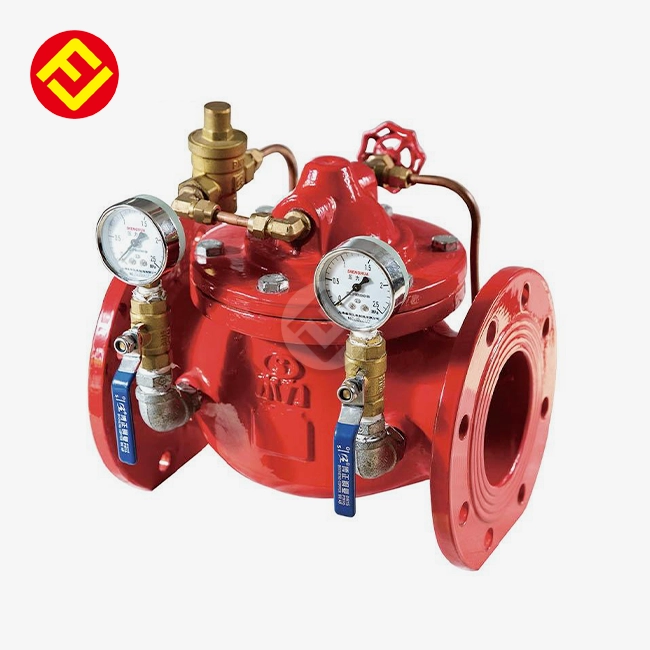
There is a barrier between high-pressure supply lines and sensitive equipment further down the line that a 32mm Pressure Reducing Valve stops. The valve lowers the entering pressure to a set lower level automatically, so the level stays the same no matter what changes happen upstream. This stabilisation keeps equipment from breaking, lowers water hammer, and makes linked fixtures and appliances last longer in fire protection systems, public water sources, and industrial process lines.
How Internal Components Determine Longevity
32mm Pressure Reducing Valves have a diaphragm and spring system that can change thousands of times over the course of their life. As demand changes further downstream, the diaphragm opens or closes the valve seat to keep the pressure where you want it to be. Strong diaphragms made of EPDM or NBR rubber materials are used in high-quality valves from well-known brands. These diaphragms can handle 200,000 rounds or more before they wear out. The precise machining of the seat and the spring's metallurgical properties directly affect how long the valve can keep the pressure under control before it starts to drift or fails.
Typical Lifespan Expectations Across Applications
Fire protection systems in tall buildings often last longer than 12 years because the valves only work sometimes and let little air flow except when they are being tested. Most municipal water systems last between 7 and 10 years before they need to be replaced. This is because they have continuous flow patterns and yearly temperature changes. In industrial settings with chemicals or high-temperature fluids, valves may need to be replaced every 5 to 7 years because the materials wear down faster. Figuring out the exact needs of your application helps you make reasonable replacement plans and budgets.
Key Factors Affecting the Durability of 32mm Pressure Reducing Valves
Material Selection and Environmental Resistance
Brass valves are still the most popular choice for business plumbing systems because they don't rust and work well with most types of water. Options made of cast iron work well in heavy-duty city and industrial settings where strength is more important than weight. A stainless steel building is better at handling chemicals and keeping things clean, which makes it perfect for making medicines, cooking food, and working near the coast, where salt air speeds up corrosion. Our valves at FLA Industrial & Trading Co., Ltd. are made from high-quality materials and have nickel-plated or painted finishes that protect them even more from the elements.
Your valve's pressure number must be the same as or higher than the highest pressure that your system can handle. Our valves can handle pressures between 0.1 and 1.6 MPa, which makes them good for most business and industrial uses. Material certification through ISO9001 methods makes sure that the metal's qualities stay the same from one production run to the next. This lowers the risk of failure early on due to flaws in the material.
Operating Conditions and Pressure Settings
Valve life is greatly increased by using the correct adjustment. If you set the outlet pressure too close to the inlet pressure, the valve will only partially open. This will cause too much turbulent flow and wear on the seat. Keeping at least a 30% difference between the pressures coming in and going out makes the system run more smoothly and lowers the stress on its internal parts.
When the pump starts up, the valve closes, or there are sudden changes in demand, there are pressure surges that cause shock waves that wear out valve parts over time. Putting in surge arrestors or expansion tanks upstream will keep these forces from damaging your 32mm Pressure Reducing Valve. It's not well known that the quality of the water affects how long valves last. Suspended solids, scale buildup, and chemicals that eat away at metal all speed up wear. Quality valves have an integrated mesh filter that gets rid of particles before they damage the closing surfaces. However, these filters need to be cleaned every so often to keep working well.
Installation and Maintenance Best Practices
Many common failure modes can be avoided by having a professional install the product according to the manufacturer's instructions. When mounted horizontally with the setting screw facing upward, the diaphragm can move properly, and dirt doesn't build up. Enough space around the valve lets maintenance workers get to it in the future without having to shut down the system. Putting in isolation valves and bypass lines makes servicing easier without stopping the building from working.
Visual checks for leaks, pressure gauge readings to ensure proper control operation, and periodic diaphragm replacement based on cycle counts or service age should all be included in regular maintenance for the 32mm Pressure Reducing Valve. It is recommended that all maintenance activities be documented so that performance trends can be monitored and replacement requirements can be predicted before failures occur. Our technical support team helps clients develop maintenance plans tailored to their specific operating conditions. This approach helps maximize the service life and value of your valve investment.

Troubleshooting Common Problems That Shorten Valve Life
Identifying Early Warning Signs
Leakage around the bonnet or adjusting cap is usually a sign of a broken diaphragm or compression fittings that are too loose. If you notice these signs early, you may only need to replace the gasket instead of the whole valve. If the pressure numbers on the gauge change, it means that the valve seat or springs are wearing out inside. If you hear strange noises like whistling or chattering, it means that the valve selection is too small, there is too much pressure difference, or there is a partial blockage in the valve body.
Root Causes and Inspection Checklists
When system needs go beyond what was originally planned, design limitations can show up. Adding more equipment or changing how it is used may cause a valve that was originally the right size to become overloaded. Installation mistakes like putting something backwards, not giving it enough support, or leaving it exposed to vibrations all speed up mechanical wear. Materials break down faster than expected when they are put under operational stress from water hammer, temperature cycling, or chemical contact.
Your inspection list should include comparing the numbers for the inlet and exit pressures to the design specs, looking at all the outside surfaces for damage or corrosion, manually operating the isolation valves to make sure they work, and making sure the mounting hardware is still in place. By checking the pressure gauge interface for leaks and making sure the drainage line works right, you can avoid other problems that make troubleshooting harder.
Practical Case Applications
The fire protection system at a regional hospital kept breaking valves, which were supposed to last ten years but only lasted three. An investigation showed that the monthly flow testing caused very great changes in pressure that hurt the diaphragms. Adding a surge blocker upstream made the valve last nine years longer, which cut down on repair costs and made the system more reliable. Keeping track of this intervention's details was helpful for choosing the right equipment for similar installations.
Lower-zone pressure-reducing stations often wear out too quickly in municipal water districts that serve a wide range of elevations. In the most challenging areas, one district replaced conventional brass valves with 32mm Pressure Reducing Valve units featuring stronger stainless steel bodies and more durable diaphragms. With this material upgrade and maintenance inspections every three months, the service life increased from six to twelve years, while emergency repair calls decreased by 40%. The initial investment in higher-quality valves delivered long-term savings by reducing downtime and minimizing maintenance requirements.
Comparing 32mm Pressure Reducing Valves to Other Sizes and Types
Flow Capacity and Application Suitability
The DN32 designation, which means about 1-1/4 inches, puts these valves in the middle of home and light commercial uses. Smaller DN25 valves can handle up to 20 gallons per minute of flow, making them good for single-family homes or small apartments. The 32mm size can handle flow rates of 30 to 40 gallons per minute, which makes it suitable for small business buildings, multifamily homes, or industrial process lines with average needs. Larger DN50 and DN80 valves are used in commercial and industrial buildings that need to handle more flow.
Size choice is also affected by the pressure range. Most sizes can handle the same amount of pressure, but bigger valves are more stable when there is a lot of flow going through them. Undersizing causes too much speed, noise, and faster wear, while oversizing makes it hard to handle low flows and wastes money on extra capacity that isn't needed.
Material and Brand Considerations
Different manufacturers and types of material have very different warranty practices. Brass valves that are used in everyday situations usually come with warranties that last between three and five years. Stainless steel choices often come with longer guarantees, up to seven years, because they are known to last longer. Being familiar with the terms of a guarantee helps you figure out the total cost of ownership, which includes the initial purchase price.
OEM valves that come with equipment packages don't always have the same level of durability as pressure control devices that were made just for that reason. These built-in parts might use lighter materials or simpler designs that lower the cost of production but shorten the life of the product. Branded valves from specialised manufacturers have been improved over many years by engineers and users in the field. This makes them more reliable over longer service periods. The price difference between OEM and premium brand valves is usually 20 to 30 percent of the initial investment. However, premium brand valves can last three to five times longer, which makes them cheaper in the long run.
We at FLA Industrial & Trading Co., Ltd. have been making valves for almost 40 years and have partnered with Fortune Global 500 companies to show that we are dedicated to meeting high-performance standards. Our strict quality control measures, which include checking the material, making sure the measurements are correct, testing the pressure, looking for leaks, and testing the functionality of each valve, make sure that every one of them lasts as long as your projects need them to.
Procurement Guide: Selecting and Buying Long-Lasting 32mm Pressure Reducing Valves
Critical Specifications for B2B Buyers
The basic characteristic that tells you if a valve can safely handle your system's highest working conditions is its pressure rating. Our valves, including the 32mm Pressure Reducing Valve, with ratings from 0.1 MPa to 1.6 MPa, work well in most commercial and industrial settings. For special needs, we also have valves with higher ratings. You should choose the right material grade based on the chemistry of the fluid, the high temperatures it may be exposed to, and any rules or regulations that apply, like NSF certification for drinking water or UL and FM approval for fire protection systems.
The type of connection affects how flexible and cheap the installation is. Threaded connections (BSP or NPT) make it easy to install smaller pipes quickly, while flanged connections seal better and are easier to maintain for larger installations. When choosing between these options, you should think about how you normally do repairs and what tools you have on hand.
Bulk Purchase and Supplier Evaluation
Buying in bulk has many benefits besides lowering the cost per unit. Setting standards that are the same across multiple sites makes it easier to manage inventory and train technicians. By negotiating blanket purchase agreements with staged delivery, you can make sure that the availability of materials matches the schedules of your projects without tying up warehouse space or your working capital. We keep 2,000 tonnes of standard goods in stock so that common specs can be shipped quickly and without delays that throw off project schedules.
Warranty coverage and support after the sale are what set quality suppliers apart from commodity sellers. Comprehensive insurance and quick technical support help protect your investment and keep downtime to a minimum when problems do happen. We promise to respond within 24 to 48 hours with prices, technical specs, and 3D design files, because we know that buying workers are busy people. We offer customisation for non-standard sizes and special setups, and we can deliver unique solutions that exactly meet your needs in 7 to 15 days.
To make sure a provider is trustworthy, you can look at their qualifications (ISO9001, CE, UL, FM), read case studies from similar uses, and ask current customers for examples. Our certifications show that we follow international standards for quality management and safety requirements for Products" target="_blank" style="color:blue" >products sold in North America, Europe, and other places around the world. This multi-market approval makes it easier to specify tools for projects in different countries and lowers the risk of not meeting compliance requirements.
Long-Term Value Considerations
The total cost of ownership is much higher than the amount paid for the car. A valve that costs a little more but lasts twice as long and needs half as much upkeep is a better deal. You can get a full picture of your finances by figuring out how often you need to replace things, how much it costs to install them, how much it costs for system downtime, and how much emergency service costs. When purchasing managers look at these factors, they always choose higher-quality valves that save 30 to 50 percent over the life of the product compared to cheaper options.
When pressure-lowering valves work efficiently, there is little drop in pressure at the valve itself and steady pressure further downstream, which keeps equipment from having to work harder than it needs to. Valve designs that work well can make the whole system more efficient, which could help projects get green building permits or energy rebates.

Conclusion
A 32mm Pressure Reducing Valve's service life is affected by many things, such as the quality of the materials used, the operating environment, the way it was installed, and how well it is maintained. Most things last between 5 and 15 years, but with careful care and design, performance tends to be higher at the higher end of this range. Choosing valves with the right pressure values, made from materials that won't rust, and with tried-and-true designs is the first step to making sure they work well. Professional installation and regular maintenance increase the time between service calls and decrease the number of emergency breakdowns. When purchase managers, engineers, and building workers understand these principles, they can make choices that maximise both the original investment and the long-term value. How long your pressure control equipment lasts has a direct effect on how reliable your system is, how much it costs to run, and how safe it is in uses like fire protection, public water, industrial processing, and HVAC.
FAQ
What maintenance intervals sustain optimal valve lifespan?
When used in standard business settings, 32mm Pressure Reducing Valves should be inspected at least once a year. As part of these checks, the pressure gauge should be read, any leaks should be seen, and the adjustment settings should be checked again. Quarterly checks are helpful in high-demand industry settings or for fire protection systems that need to work properly so that problems are caught early and fixed. In moderate-duty situations, the diaphragm should be replaced every five to seven years. However, in tough environments, it may need to be serviced more often. By keeping track of all maintenance tasks, you can see how well they're doing and figure out when replacements will be needed. This can help you justify spending money on preventative maintenance programs.
Can I repair components instead of replacing the entire valve?
Many failures of 32mm Pressure Reducing Valves involve parts that can be replaced instead of major damage that needs the whole unit to be replaced. Service parts like diaphragms, springs, seats, and gaskets are easy to find and can be installed by skilled technicians without the need for special tools. If the body of the valve gets corroded, cracked, or thread-stripped, it usually needs to be replaced completely because the structure can't be reliably fixed. When a valve is less than ten years old, and the body is still in good shape, the cost-benefit analysis usually points toward replacing the parts. When more than one part of an older valve fails, it's usually cheaper to replace the whole thing than to spend a lot of money fixing it.
What warranty terms apply to industrial-grade 32mm PRVs?
Quality industrial 32mm Pressure Reducing Valves usually come with a guarantee that lasts between three and five years from the date they were installed or manufactured, whichever period of time gives you the most safety. These warranties usually cover problems with the materials and work that went into making the product, but not problems that happen because of bad installation, poor maintenance, or using it outside of the parameters that were given. For high-end goods or when you buy a lot of them, you may be able to get longer guarantees. Our valves are backed by a full warranty and our ISO9001 quality management system, which guarantees that the standards of production always meet requirements.
Partner with FLA Industrial & Trading Co., Ltd. for Reliable Pressure Control Solutions
Picking the right provider for pressure-lowering valves will affect the success of your project for years after they are installed. Every valve that FLA Industrial & Trading Co., Ltd. makes is backed by our ISO9001, CE, UL, and FM certifications, which are the strictest international standards. We have been making valves for almost 40 years. We have over 1,000 product specifications in stock, so we can help with jobs of any size, from replacing a single valve to installing hundreds of units on a big scale. We are experts at building things out of brass, cast iron, and stainless steel that work best for fire safety systems, local water supply systems, and industry uses. You can email our team at sales@flaindustrial.com to talk about your needs, get technical information, or find out about bulk pricing for your next purchase. As a reliable 32mm Pressure Reducing Valve maker with partners in the Fortune Global 500 in the US, Germany, and Australia, we give your projects the quality, dependability, and quick service they need.
References
1. American Water Works Association. (2021). Pressure Management in Water Distribution Systems: Standards and Best Practices. AWWA Manual M75, Denver, CO.
2. National Fire Protection Association. (2022). Installation of Sprinkler Systems: NFPA 13 Standard. Chapter 8: Water Supplies and Control Valves, Quincy, MA.
3. British Standards Institution. (2020). Specification for Pressure Reducing Valves and Associated Safety Devices for Use with Compressed Gas Cylinders: BS EN ISO 2503. BSI Standards Publication, London, UK.
4. Industrial Valve Summit. (2023). Materials Engineering for Fluid Control Applications. Proceedings of the 18th Annual Technical Conference, Houston, TX.
5. Johnson, M.R. and Peterson, K.L. (2022). Lifecycle Cost Analysis of Commercial Plumbing Components. Journal of Facilities Management, Vol. 20, No. 3, pp. 245-268.
6. Hydraulic Institute and Valve Manufacturers Association. (2021). Pressure Reducing Valve Selection and Application Guide. Technical Publication VMA-PRV-2021, Washington, DC.