Mechanical Tee Grooved Outlet Solutions for Branch Pipe Connections
2026-08-05 10:58:32


When you're tasked with expanding or modifying existing piping systems without shutting down operations for days, the solution often lies in a Mechanical Tee Grooved Outlet. This specialized fitting revolutionizes branch pipe connections by clamping directly onto existing pipe runs, eliminating the need for welding or extensive disassembly. Constructed from ductile iron and featuring pressure-responsive gaskets, these outlets deliver secure, leak-resistant branch connections in fire protection, HVAC, and industrial piping applications while dramatically reducing installation time and labor costs.


Understanding Mechanical Tee Grooved Outlets: Function and Types
What Makes These Fittings Different from Conventional Tees?
A Mechanical Tee Grooved Outlet works like a saddle clamp instead of being built into the pipe when it is first put together. The fitting has two main parts: a lower housing that fits over the current pipe and an upper outlet housing that firmly bolts to the lower housing to make the branch connection. It has a special gasket in the middle that fits around a hole that was cut in the main pipe wall and makes a seal. With this design, workers can add branch lines to live systems without the risk of fire and the need for permits that come with welding.
When doing a retrofit and it's not possible or practical to cut and thread pipe sections, this is where the real benefit comes in. For example, construction crews working in buildings that are already occupied can add sprinkler branches to existing standpipes without soaking whole vertical steps or setting off smoke alarms. The connection is mechanical, so it can handle changes in temperature and ground movement better than rigid welded joints. This keeps the integrity of the system when temperatures rise and fall and the ground moves.
Material Selection and Performance Specifications
Most grooved outlet tees are made of ductile iron that meets ASTM A536 Grade 65-45-12 standards. This type of iron has a tensile strength of over 65,000 psi and is very resistant to impact. This material choice strikes a good mix between strength and ease of workability, making it possible to precisely cast complex interior geometries while still keeping the structure's integrity under pressure. The housing is made with bolt pads that are cut to exact specifications. This makes sure that the clamping force is spread evenly across the gasket contact.
Surface protection is different depending on where it will be used. Most indoor uses can be covered with normal epoxy powder coats that are rated for Corrosion Class C3. For outdoor uses or places where corrosion is likely to happen, hot-dipped galvanisation that meets ASTM A153 standards is necessary. A multi-layer protective coating stops rust and increases the useful life of metals. It works great both indoors and outdoors, where chemicals and water can damage metals that aren't protected.
Chemical compatibility and service temperature ranges are directly affected by the choice of gasket material. Grade E EPDM gaskets can handle water temperatures between -30°F and 230°F, while Grade T Nitrile gaskets can handle fluids that are made from oil. Pressure values usually fall between 300 and 500 psi, but this depends on the pipe schedule and exit size. UL and FM certifications show that the product works well in fire protection service circumstances.
Configurations Available for Different System Requirements
Standard Mechanical Tee Grooved Outlets can fit common branch sizes from 1 inch to 4 inches, but for high-flow situations, there are versions that can go up to 6 inches. For installations that are likely to experience vibration or water hammer, heavy-duty versions have housings that are stronger and have more bolts. The fire safety types meet NFPA standards and have red-coated finishes and higher pressure levels for sprinkler system compliance.
Some more advanced designs have flow control or backflow protection features built in, which cuts down on the number of parts needed for complex systems. Threaded outlet configurations let you connect directly to standard pipe nipples and fittings, while grooved outlet designs let you connect branches using couplings, which keeps the installation options open for the whole system.
Mechanical Tee Grooved Outlet vs Traditional Branch Connection Methods
Why Traditional Welded Tees Create Project Bottlenecks?
The standard in the industry for decades has been welded reducing tees, but their flaws become clear in modern construction settings. To install a welded branch connection, the whole pipe section must be drained and depressed, a segment must be cut out, the tee fitting must be welded in, and pressure tests must be done before the pipe can be used again. For this process to work, trained welders, hot work permits, fire watches, and often short system shutdowns that stop building activities are needed.
How much work needs to be done directly affects how much it costs and how long it takes, and for Mechanical Tee Grooved Outlet, preparing, welding, cooling, and checking a single welded tee placement could take four to six hours, and when you multiply this by dozens of branch connections in a business building, you get weeks of specialised work and long periods of trouble for the people who live or work there. Preparing, welding, cooling, and checking a single welded tee placement could take four to six hours. When you multiply this by dozens of branch connections in a business building, you get weeks of specialised work and long periods of trouble for the people who live or work there. Welded parts are stiff, which makes it harder to make changes in the future because the whole cutting and welding process has to be done again.
Speed and Safety Advantages of Mechanical Connections
Installation is quick because you don't need hot work permits or special welding tools. This cuts down on project timelines and labour costs by a large amount. With basic hand tools and a torque wrench, a trained technician can install a Mechanical Tee Grooved Outlet in 30 to 45 minutes. The steps are to mark where the outlet will go, use a template-guided hole saw to cut an exact hole, place the housing parts in the right place, and tighten the bolts to the required force levels.
This level of productivity grows as projects get bigger. Using traditional welded methods, it might take three weeks to finish what a mechanical installation team can do in just one week. Getting rid of hot work permits also gets rid of unnecessary delays and insurance problems. This is especially helpful in occupied buildings where welding limits often cause projects to take longer than planned. Not only are there fewer fire risks, but mechanical setups don't produce sparks, toxic fumes, or high heat that could hurt workers in small areas.
When placed correctly, Mechanical Tee Grooved Outlets actually make leak resistance better. When the internal pressure goes up, the pressure-responsive gasket design makes the seals tighter. This is different from threaded connections, which can come loose when there is shaking or temperature change. The housing's locating collar fits inside the hole that was cut, which stops the housing from sliding or rotating in a way that could weaken the joint over time.
Cost Analysis Over System Lifecycle
When you buy the materials, Mechanical Tee Grooved Outlets usually cost 15 to 25 percent more than soldered tees of the same size, but when you add up all the costs, mechanical connections are much cheaper overall. Savings on labour often cancel out the higher cost of materials, and getting rid of requirements for hot work permits, fire watches, and welding inspections changes the economic picture even more.
Taking maintenance into account makes these benefits even better. Assembling and disassembling the system is easy because the fittings and pipes are not damaged. This makes system changes and fixes easier over the duration of the facility. Mechanical connections can be moved or rearranged in minutes instead of hours when renter spaces change or when upgrades to equipment require pipe changes. This adaptability is very useful for businesses and factories that need to change their layouts all the time.

Installation and Maintenance Guide for Mechanical Tee Grooved Outlets
Pre-Installation Planning and Safety Protocols
A full system review and preparation is the first step to a successful installation. You still need to depressurise and drain the pipe section where the outlet will be installed, even though Mechanical Tee Grooved Outlets don't need to be welded. When you try to install something while under a lot of stress, you are guaranteed to get hurt and the installation will fail. Use gauges to make sure there is full pressure release, and open drain valves at low places to make sure all the fluid is gone.
When you place outlets correctly, they won't interfere with structural elements, current equipment, or future entry needs. Use the manufacturer's dimensional drawings to make sure that the outlet housing, bolt heads, and pipes further downstream have enough space. Use measures from pipe supports or other fixed points to mark the hole's center point. Then, use the cutting template that comes with the fitting to make sure the hole's diameter and location are exact.
Step-by-Step Installation Procedure
Cut the hole for the outlet using a bi-metal hole saw that is the same width as the template and stays straight on the pipe surface. Uneven or too-large holes make it harder for the gasket to close, and they may let the housing turn when it's under pressure. Use a file or reamer to clean up the edges of the holes because sharp edges can cut the gasket material during installation and create leak paths.
Place the seal over the hole and make sure the pressure-sensitive lip faces the inside of the pipe, and for Mechanical Tee Grooved Outlet, the lower case slides under the pipe, and the identifying collar fits into the hole that was cut to make sure everything is lined up correctly, and put the top outlet housing between the seal and the housing, and then put bolts through the bolt pads. The lower case slides under the pipe, and the identifying collar fits into the hole that was cut to make sure everything is lined up correctly. Put the top outlet housing between the seal and the housing, and then put bolts through the bolt pads. First, thread the nuts finger-tight and make sure the gasket edges are still properly set and haven't been pinched or moved.
To keep the gasket from compressing unevenly, tighten the bolts in a star pattern. Depending on the size of the outlet, the torque requirements range from 30 ft-lbs for small outlets to 200 ft-lbs for large ones. When you use a measured torque wrench, you can avoid both under-torquing, which can cause leaks, and over-torquing, which can damage seals or crack housings. Do two full passes around the bolt circle. On the first pass, get half of the required torque, and on the second pass, get the full torque.
Maintenance Best Practices for Long-Term Reliability
After the first year of service, routine inspections should happen every six months. After that, they should happen once a year once the system is stable. The main goal of a visual inspection is to find problems like gasket expansion, bolt loosening, or coating damage that could mean bigger problems are coming up. A little weeping around the sides of the gasket during initial pressurisation usually stops as the gasket sits, but leaks that don't stop need to be retorqued or the gasket needs to be replaced.
Testing the installation to 1.5 times the maximum working pressure makes sure it is solid and finds weak installations before they cause system problems. This hydrostatic test should be done after the outlet is first installed and every time it is taken apart and put back together during system changes. Keep track of the test pressures and hold times so that you have a standard of performance data for later use.
When changes to the system need to be taken apart temporarily, the mechanical design really shines. Loosen the bolts in a reverse star pattern, take the housings apart, and cap or plug the main pipe hole with a temporary plate if the branch connection won't be put back in right away. The outlet parts can be checked, cleaned, and used again with new gaskets. This gives installers more options than with welded or threaded connections.
How to Choose the Right Mechanical Tee Grooved Outlet for Your Project?
Critical Technical Parameters for Selection
Pressure grade is the most important factor in choosing an outlet, since outlets that are too small can be dangerous and leave you open to risk. Match the outlet pressure number to the design pressure of the system plus a safety cushion, which is usually 25% more than the highest pressure that is expected to be used. It's important to check the relevant code requirements early on in the design process because fire protection systems often need specific UL or FM ratings even if the system isn't under any pressure.
The schedule and width of the pipe directly affect how well it works with the exit. The outside diameter of the pipe must match the outlet housing. The outside diameter of the pipe can be different depending on the schedule thickness, even if the pipes are the same nominal size. The outside width of a 4-inch Schedule 40 pipe is different from that of a 4-inch Schedule 10 pipe, so they need different exit housings. Instead of assuming a schedule based on the age or use of the system, check the actual pipe specifications.
Evaluating Suppliers and Certification Requirements
Manufacturers with a good reputation have strict quality control programs and offer a lot of expert help. Well-known names like Victaulic, Anvil, Tyco, and Grinnell have built their market positions over many years of reliable service. However, smaller, more specialised makers can often offer better value for certain uses. Check to see if any seller has an ISO 9001 quality management certificate and can show that their materials are certified to meet ASTM standards.
Third-party approvals from UL, FM Global, and other related organisations show that a product works as expected in standard tests. These certificates are especially important for fire safety projects that need specific approvals because of insurance requirements and building rules. Instead of finding compliance gaps during project execution, ask for certification documentation during the specification phase.
Long-term happiness is affected by more than just the quality of the goods at first. Suppliers who give installation training, help with fixing problems, and provide technical advice can help procurement teams navigate complicated applications and avoid making mistakes that cost a lot of money. When working with unusual pipe layouts, harsh service conditions, or integrating with systems from different makers, this support is very helpful.
Procurement Strategies for Optimal Value
Volume pricing systems reward buyers who combine orders for multiple projects or work with other departments to make purchases, and for Mechanical Tee Grooved Outlet, many suppliers give discounts of 10 to 20 percent for orders that are bigger than the minimum quantity, and for longer-term deals, discounts are even bigger. Many suppliers give discounts of 10 to 20 percent for orders that are bigger than the minimum quantity. For longer-term deals, discounts are even bigger. It takes a lot of work to find the right balance between inventory carrying costs and volume discounts, but mechanical fittings have a long shelf life that makes strategic stockpiling work for companies that use them regularly.
Keeping track of leads saves time and money on late fees and delays in projects. Standard setups usually ship in one to two weeks, but it could take four to eight weeks for unique sizes or finishes. Framework agreements with chosen suppliers should be made by procurement managers to protect project plans from supply chain disruptions. These agreements should include clear wait times and prices.
Distributors and large contractors who want to set their brands apart can take advantage of OEM and private label opportunities. By working directly with makers, you can get unique packaging, coatings, and changes to Products" target="_blank" style="color:blue" >products that are made to fit the needs of specific market groups. OEM programs usually have minimum order quantities that start at a few hundred units. This means that this approach works best for businesses that are already up and running and can predict their demand trends.

Future Trends and Innovations in Mechanical Tee Grooved Outlet Technology
Material Science Advances Enhancing Performance
Better metallurgy is making ductile iron formulations better by increasing their strength-to-weight ratios and resistance to rust. In experiments, alloys with higher amounts of nickel and molybdenum perform better in harsh chemical environments while still having the casting properties that let them be made into complex shapes. In the future, these advanced materials might take the place of regular ductile iron in special cases where harsh conditions warrant higher prices.
In another area of innovation, polymer composite housings offer huge weight savings and natural protection from rust. In the beginning, composite grooved ports were made for low-pressure HVAC uses, where metal's hardness isn't needed. As composite production methods improve and the cost of materials goes down, these lighter options may reach more customers.
Smart Monitoring and Industry 4.0 Integration
Fittings that are sensor-enabled and have temperature probes, flow meters, and pressure sensors turn passive parts into active tracking nodes. These instrumented outlets send data to building management systems in real time. This lets predictive maintenance find problems before they become system failures. Vibration monitors find problems like water hammer or pump cavitation, and pressure tracking finds broken valves or blockages in the distribution network.
The cost of wiring used to make full system tracking too expensive, but wireless connection gets rid of that problem. LoRaWAN, Zigbee, or other low-power protocols are used by battery-powered monitors to send data to cloud platforms that use machine learning techniques to find strange things. Facility managers get alerts about problems through apps on their smartphones, and most of the time, they have enough time to plan repairs for normal maintenance windows instead of having to deal with emergencies.
Sensor data is used by digital twin technology to make virtual models of real pipe systems. These models show how suggested changes will affect the system, guess how it will act in different working conditions, and find the best maintenance plans based on how it is actually used, not just random intervals of time. When Mechanical Tee Grooved Outlets are connected to digital twin platforms, mechanical systems and information technology come together. This changes the way facilities manage infrastructure assets in a fundamental way.

Conclusion
The Mechanical Tee Grooved Outlet technology changes the way branch pipe connections work in industrial, fire protection, and HVAC settings. Because they don't need to be welded, these valves greatly cut down on installation time and labour costs while also making the workplace safer. The coatings that resist corrosion and the pressure-responsive gasket designs make sure that the systems last a long time with little maintenance. The systems are also naturally flexible, so they can be changed as the facility's needs change over time. Professionals in procurement who know about the technical factors, installation needs, and supplier market can recommend the best options that fit the project's budget and performance needs.
FAQ
Can installation occur while the system remains under pressure?
Before fitting can begin, Mechanical Tee Grooved Outlets must be completely drained and depressurised. Even though there is no welding involved, there must be no internal pressure in order to safely cut the exit hole and place the seals. If you try to install something under pressure, the fluid could leak and hurt you badly, and the installation will fail because the gasket won't fit properly. Always use gauges to make sure there is no more pressure before starting work.
How does torque affect installation reliability?
For leak-free performance, using the right amount of force is essential. Under-torquing causes bolts to loosen and gaskets to move, which creates leak paths. Over-torquing, on the other hand, bends gaskets or breaks housings. Calibrated torque tools are necessary because specifications change from 30 to 200 ft-lbs based on output size. To make sure the gasket is compressed evenly, apply force in two passes using a star design. A lot of fitting problems are caused by wrong torqueing, not problems with the products themselves.
What differentiates mechanical outlets from welded reducing tees?
Installing Mechanical Tee Grooved Outlets is three to four times faster than installing welded ones. You don't need special welding skills or hot work permits, and you can change the spin before tightening them all the way. They can handle changes in temperature and earthquakes better than parts that are rigidly soldered together. Welded tees make lasting links that make it harder to make changes in the future, but Mechanical Tee Grooved Outlets let you take things apart without damaging the parts. The small rise in hydraulic friction loss when mechanical outputs are used doesn't usually have a big effect on how well the system works.
Partner with a Proven Mechanical Tee Grooved Outlet Manufacturer
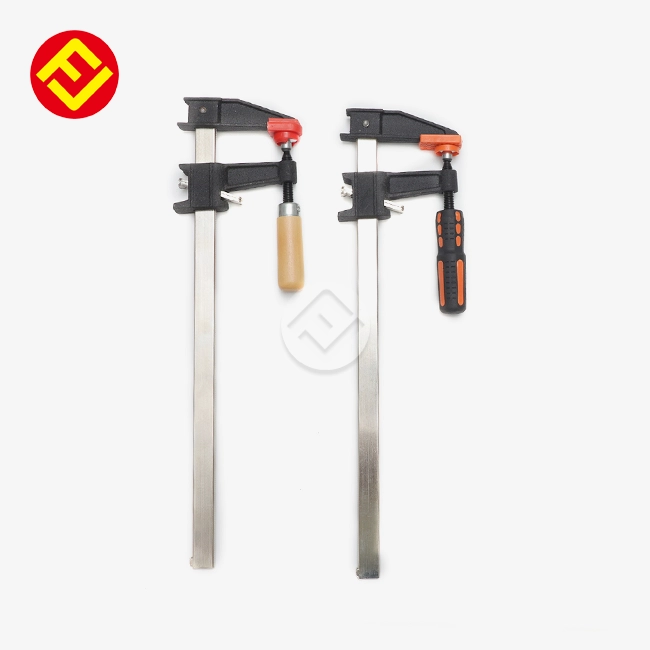
FLA Industrial & Trading Co., Ltd. has been making Mechanical Tee Grooved Outlets for almost 40 years and has worked with Fortune Global 500 companies in the fire protection, HVAC, and industrial pipe sectors. Our thorough quality control systems make sure that every Mechanical Tee Grooved Outlet meets the requirements of ASTM A536 and has the right UL and FM certifications for use in fire safety situations. We offer over 1,000 different product specifications, such as hardware tools, Woodworking Clamps, electrical line tools, and pipe fittings made of malleable iron. This gives procurement managers a wide range of SKU options to choose from, and our prices are competitive for large orders. Email our engineering team at sales@flaindustrial.com to talk about your specific branch connection needs, get detailed technical documentation, or look into OEM partnership opportunities that take advantage of our advanced manufacturing skills and strict quality control standards.
References
1. American Society for Testing and Materials. "ASTM A536-84: Standard Specification for Ductile Iron Castings." West Conshohocken: ASTM International, 2019.
2. National Fire Protection Association. "NFPA 13: Standard for the Installation of Sprinkler Systems." Quincy: NFPA Publications, 2022.
3. Parisher, Roy A., and Robert A. Rhea. "Pipe Drafting and Design, Third Edition." Burlington: Gulf Professional Publishing, 2012.
4. Victaulic Company. "Grooved Mechanical Piping Systems: Installation Handbook for Commercial and Industrial Applications." Easton: Victaulic Technical Publications, 2021.
5. FM Global. "Approval Standard for Grooved and Shouldered Mechanical Couplings and Fittings for Fire Protection Service." Johnston: FM Approvals, 2020.
6. Underwriters Laboratories. "UL 213: Standard for Safety Rubber Gasketed Fittings for Fire-Protection Service." Northbrook: UL Standards Publications, 2018.
YOU MAY LIKE