Professional Pipe Wrenches: A Guide to Sizes and Features
2026-07-03 15:28:27


Knowing the different parts of a pipe wrench has a direct effect on how well it works and how safe it is for workers when choosing tools for industrial plumbing. Professional-grade adjustable wrenches that are made to grip cylinder-shaped surfaces are must-haves for builders, dealers, and upkeep teams in charge of building infrastructure. From oil plants to public water systems, picking the right gripping tool with the right jaw capacity and material requirements will determine whether your crew finishes projects on time or has to deal with costly delays and broken equipment.
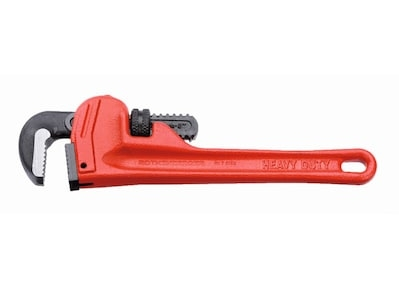
Specification |
||||
| Model | Total Length | Total Width | Maximum Opening | Product Weight |
| European Heavy Duty 10" | 24.5cm | 6.5cm | 5.5cm | 0.68kg |
| European Heavy Duty 12" | 27.5cm | 7.5cm | 6.5cm | 0.97kg |
| European Heavy Duty 14" | 31.5cm | 8.0cm | 8.7cm | 1.28kg |
| European Heavy Duty 18" | 40cm | 9.0cm | 9.5cm | 1.89kg |
| European Heavy Duty 24" | 51cm | 10cm | 11.0cm | 3.00kg |
Understanding Professional Pipe Wrenches: Types and Uses
In plumbing, industrial repair, and building, adjustable gripping tools made for threaded links are used for different tasks. When buying managers understand these differences, they can better choose the right pipe wrenches for their needs.
Core Functions in Industrial Applications
With self-tightening jaws, these specialty tools can hold and turn threaded connections. The angled teeth bite harder into the pipe sides as the rotational force rises. This keeps the pipe from slipping during high-torque activities. They are different from fixed-jaw options because they can wedge. Installing large-diameter water mains, fixing hydraulic cylinders in mining equipment, and keeping up with flow lines on drilling rigs are all examples of uses where failure could cause a lot of downtime.
Main Types and Sizing Conventions
Standard types with a straight handle are still the most popular choice for general plumbing chores. They have jaw assemblies that can be adjusted to fit different sizes. Heavy-duty versions are made of cast alloy steel and can handle more power in industrial settings. The length of the handle, in inches, shows both how much force it can apply and the largest width of pipe it can hold. Most 18-inch models can handle pipes up to 2 inches in diameter, and most 24-inch models can handle pipes 3 inches in diameter. Offset designs for limited access and metal bodies that keep operators from getting tired while working overhead are examples of specialty setups.
Differentiation from Similar Gripping Tools
Monkey wrenches have smooth, straight jaws, and flexible spanners are made for hex nuts. Pipe-specific tools, on the other hand, have serrated hook jaws that work best on curved surfaces. The teeth design changes the surface in a controlled way, which increases friction without crushing thin-wall tubes. By knowing these differences, you can avoid misusing tools in ways that damage parts or put people in danger.
Key Features and Specifications of Pipe Wrenches
Professional-grade equipment is different from hardware store options in important ways that affect how well it works. If you understand these standards, you can be sure that the purchases you make will meet operating needs for pipe wrenches.
Jaw Design and How the Grip Works
How well a hook jaw grips on a pipe wrench depends on its shape. Precision-machined teeth spaced at the right distance apart make the best contact area distribution. When teeth are sharpened to 55–60 HRC, they stay sharp for thousands of cycles, while the body stays softened so it can handle shock loads without breaking. The floating jaw mechanism lets the jaws move a little, which makes the wedging action stronger as the force goes up. Because of this self-energizing effect, larger spinning forces make the grip stronger on their own.
Material Composition Trade-offs
Forged alloy steel structure is the most durable type for heavy-duty industry use. For high-stress situations, chrome vanadium and chrome molybdenum have better tensile strength. Ductile iron grips work well in moderate-duty situations and don't cost a lot. Aluminum bodies are about 40% lighter than steel bodies of the same size, which makes them much easier for operators to use for long periods of time or when installing them overhead. For each choice of material, you have to weigh the original cost against the expected service life and the ergonomics of your workplace.
Torque Specifications and Safety Protocols
Manufacturers rate tools based on the highest force that is suggested to keep the handle from deforming or the jaws from breaking. Using "cheater bars" or pipe additions to go over these limits creates huge failure risks. According to ASME guidelines, proof load testing must be done at 125 to 150 percent of the maximum capacity. Tools that meet these requirements bend slowly when they are overloaded instead of breaking all at once. As a safety measure, choosing the right-sized tools is more important than using more force than the design allows.
Best Practices for Repair and Maintenance
A regular check of the jaw can find flattened or rounded teeth that need to be replaced before they cause slippage. Lubricating the control devices keeps the threads from getting stuck and makes sure they work smoothly. Fatigue damage can be found before rapid fails happen by looking for hairline cracks near jaw pivots and handle connections. Proper keeping away from places that corrode increases the time between services. Setting up maintenance plans based on how often a tool is used keeps it working well and keeps workers safe in tough work settings.
How to Choose the Best Pipe Wrench for Your Business Needs?
When choosing gripping tools for different working situations, procurement workers have to deal with a lot of different factors. Systematic review systems make sure that the best pipe wrench choice is made.
Matching Application Requirements
Specifications are based on how often the installation will happen and the elements of the surroundings. Heavy-duty forged steel types with better rust protection are needed for continuous pipeline building. For occasional repair work, aluminum versions that reduce travel fatigue may be a good idea. Offshore or marine areas need special finishes that can stand up to saltwater. By looking at the regular jobs your crew does, like putting together HVAC systems or fixing hydraulic equipment, you can find the success traits that are most important for your business.
Size Selection for Pipe Diameter Ranges
The length of the handle on a pipe wrench directly affects how wide the jaw can open and how much force is possible. For home plumbing, a 14-inch model works with lines that are up to 1.5 inches in thickness. 18-24 inch sizes are better for commercial builders who are putting in water lines that are 2-3 inches wide. 36-48-inch heavy-duty types are needed for industrial buildings with 4-inch and larger connections. Having a variety of sizes in stock keeps workers from having to make do with tools that are too small, which can be dangerous.
Brand Comparison and Reliability Assessment
Well-known brands like Ridgid, IRWIN, and Milwaukee have a history of making reliable Products" target="_blank" style="color:blue" >products that have been tested in a lot of real-world situations. These companies consistently check the quality of their products and back up their warranties with full coverage. Other new companies that make industrial-grade tools, on the other hand, often offer similar performance at better prices. With almost 40 years of experience making things, FLA Industrial & Trading Co., Ltd. uses strict quality control systems to make heavy pipe tools that are certified by ISO9001 and CE. Our cast alloy steel jaws and heat-treated parts give you the same level of longevity as high-end brands while letting you make changes to fit specific needs.
Decision Criteria Beyond Initial Investment
Total cost of ownership is affected by predictions of durability based on material details and heat treatment methods. Risk is reduced by warranty terms that show the manufacturer's trust. The responsiveness of suppliers affects wait times for purchases and the availability of unexpected replacements. Companies that work with Fortune Global 500 clients show that they can consistently make goods and handle logistics for big sales. When these things are looked at along with unit price, the real procurement value is found.
Procurement Guide: Where and How to Buy Professional Pipe Wrenches?
Strategic buying methods lower the cost of purchase while ensuring the accuracy of the product and the dependability of the seller of pipe wrenches.
Wholesale Versus Retail Considerations
When distributors and big builders buy in bulk through direct manufacturer ties, they save a lot of money per unit. When you commit to a certain amount of something, you can often get better prices and more open payment terms. Smaller businesses that need limited amounts or quick access can benefit from retail channels. When you work with certified industrial suppliers, you can get expert help, services for customizing products, and regular quality documentation that most stores don't give.
Evaluating Online Channels and Official Platforms
Digital buying platforms give buyers more choices for pipe wrench suppliers, but they need to be carefully authenticated. Official brand websites make sure that products are real by being clear about their specs and service terms. Industrial platforms connect verified makers with business-to-business buyers so that buyers can compare prices and keep quality standards high. Before committing to big orders, make sure that the supplier's claims are true by asking for material certifications, dimensional reports, and proof load test documents.
Partnering with Certified Manufacturers
Working directly with ISO-certified makers makes sure that everything can be tracked, from where the raw materials come from to the final inspection. Manufacturers that offer 3D design proof and custom tooling development can meet specific practical needs that can't be met by standard listings. Real-time information on output and the ability to change orders easily help keep projects on schedule. Long-term tool performance is maintained by expert assistance after the sale and the availability of replacement parts. FLA Industrial & Trading Co., Ltd. keeps detailed quality records that allow for full tracking. Their customer service teams are also quick, and they serve foreign markets such as the US, Germany, and Australia.
Best Practices for Using and Maintaining Pipe Wrenches in Professional Settings
The right way to handle tools and do regular repair can make pipe wrenches last longer and keep workers safe in tough industrial settings.
Correct Handling and Usage Techniques
Place the tool so that the spinning force pulls the jaw piece closer together instead of further apart. The jaw of the hook should face the way the handle moves. To keep things from slipping, apply force slowly instead of jerking it. Do not hit handles with tools or use pipe sections to extend your force; these actions go beyond what the product is designed to do. Personal protective equipment, like gloves and safety glasses, keeps your hands and eyes safe from metal shards.
Troubleshooting Common Mechanical Issues
Jaw slippage usually means that teeth are worn down and need to be replaced or that the tool is not in the right place. If the pivot moves side to side more than usual, it could mean that the pins are worn or the case is damaged. Cleaning and lubricating stiff adjustment gears with the right penetrating oils can help them work better. Taking care of these problems right away stops further damage and keeps operations running smoothly.
Inspection Schedules and Preventive Maintenance
Visual checks once a month find damage to the surface, the start of cracks, and patterns of tooth wear. As part of thorough checks done every three months, fastener tightness, jaw alignment, and the function of the adjustment device are checked. By writing down what was found during a check, you can figure out when to replace something before it breaks. Scheduling maintenance tasks based on how often they are used—daily checks for constant industrial processes vs. monthly checks for occasional use—achieves the best use of resources while maintaining safety standards.
Conclusion
To choose the right pipe wrench professional holding tools, you need to think about the materials they are made of, the sizes they come in, and how they need to be used in relation to your unique needs. With their forged alloy steel jaws and improved heat treatment, heavy-duty models work reliably in plumbing setups, oil and gas operations, and industrial repair situations. Knowing about jaw mechanics, torque ratings, and repair procedures keeps activities safe and efficient and extends the life of tools. Strategic buying from certified makers offers quality guarantee, the ability to customize, and long-term assistance that you can't get from retail outlets.
FAQ
What size pipe wrench do I need for common plumbing tasks?
Jaw size and force are based on the length of the handle. For residential work, types 10 to 14 inches long are usually needed for lines up to 1 inch in diameter. Commercial plumbing uses ones that are 18 to 24 inches long and can handle pipes that are 2 to 3 inches wide. For 4 inches and bigger connections, industrial repair often needs heavy-duty types that are 36 to 48 inches long. By matching tool sizes to common pipe widths, you can avoid using equipment that is too small, which can be dangerous, or tools that are too big, which can make operators tired for no reason.
How do I know when I need new teeth in my jaw?
Regularly check your teeth for breaking, thinning, or rounding that makes it harder to grip. When old serrations lose their ability to bite, they slip during normal operations. Teeth that have been honed to 55–60 HRC stay sharp for years of professional use, but cutting edges that are constantly put under a lot of pressure wear down over time. If you look closely and see that the teeth are wearing down a lot or moving around, even when you're using the right method and setting, you should replace the hook jaw assemblies.
Can aluminum models handle the same torque as steel versions?
Quality aluminum construction that meets ASME standards often matches the force values of steel while cutting weight by about 40%. The difference in effectiveness is not in the highest torque capacity, but in how long it lasts under constant high stress. Steel versions are better for long-term industry use, while aluminum versions are better when comfort is important during long work times or frequent repositioning.
Secure Your Supply of Premium Industrial Tools from FLA Industrial & Trading Co., Ltd.
Your business's success depends on having solid tools and manufacturing partners who can help you. As a company that has been making high-quality heavy pipe wrenches that meet ISO9001 and CE standards for almost 40 years, FLA Industrial & Trading Co., Ltd. Forged alloy steel construction, precision-machined jaw assemblies, and finishes that don't rust guarantee consistent performance in a wide range of challenging industrial settings. As a reliable pipe wrench provider to Fortune Global 500 businesses, we offer full support from the initial design consultation to service after the sale. Email our team at sales@flaindustrial.com to talk about your particular needs, get technical specs, or set up a test sample. Visit flaindustry.com to see all of our products and learn how our customization options can help you solve your specific business problems.
References
American Society of Mechanical Engineers. (2023). ASME B107.110: Hand Tools - Wrenches - Performance Requirements and Test Methods. New York: ASME Press.
Occupational Safety and Health Administration. (2024). Hand and Power Tool Safety Guidelines for Industrial Applications. Washington, DC: U.S. Department of Labor.
Deutsches Institut für Normung. (2022). DIN 5234: Pipe Wrenches - Technical Specifications and Safety Requirements. Berlin: Beuth Verlag GmbH.
International Organization for Standardization. (2023). ISO 9001:2015 Quality Management Systems - Requirements for Manufacturing Industries. Geneva: ISO Publishing.
National Association of Pipe Fabricators. (2024). Professional Pipefitting Tools and Equipment Standards Manual. Springfield, VA: NAPF Technical Publications.
Industrial Maintenance & Plant Operation. (2023). Comprehensive Guide to Hand Tool Selection and Maintenance in Heavy Industry. Milwaukee: Trade Press Media Group.
YOU MAY LIKE