Round Cast Iron Sewer Lids: Durability Standards for Roads
2026-07-03 15:28:21


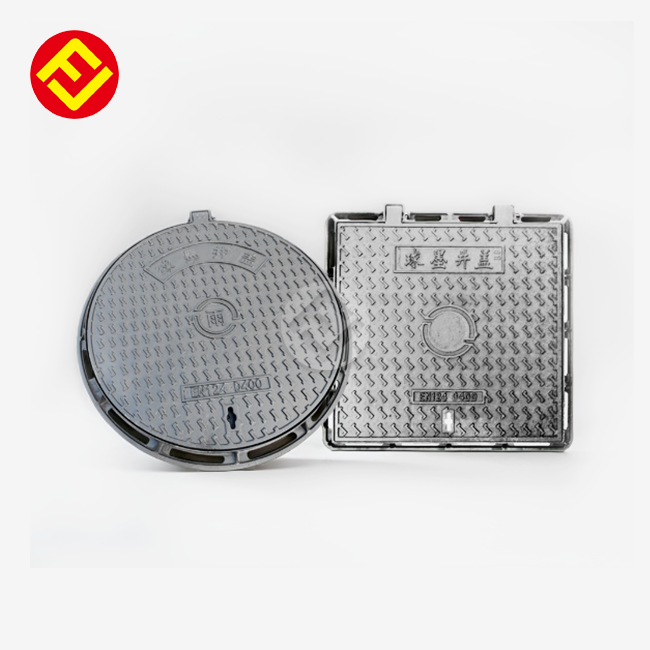
The round cast iron sewer lid is a tried-and-true engineering answer for road infrastructure that needs to last and work perfectly every time. These round cast iron sewer lids are very important for protecting underground utility networks. They keep people from getting in without permission, causing accidents, and letting trash in while also standing up to constant vehicle stress. The round shape is safer because it can't fall through its own hole, no matter what angle it's turned at. This is a common way for square designs to fail. Modern standards mostly choose Ductile Iron (Grade GJS-500-7) over gray iron because it has better tensile strength and impact resistance. This directly addresses problems in the industry, like load-bearing failures and noise pollution from installations that don't fit tightly together.

Specifications |
||
| Size(mm) | Type | Load Capacity |
| 1000x1150 | Standard | B125 |
| 900x1050 | Standard | B125 |
| Φ800x900 | Standard | D400 |
| Φ700x900 | Standard | D400 |
| 700x800 | Standard | D400 |
| 600x700 | Standard | D400 |
| 500x600 | Standard | C250 |
| 400x500 | Standard | B125 |
| Φ750x900 | 5-Proof | D400 |
| 700x850 | 5-Proof | D400 |
| 700x890 | 5-Proof | D400 |
Understanding Round Cast Iron Sewer Lids: Specifications and Standards
Material Specifications and Metallurgical Properties
How well a round cast iron sewer lid works depends on what materials it is made of and how well it meets international standards. Grade GJS-500-7 ductile iron has become the standard in the business because it has well-balanced mechanical qualities. This substance has a minimum tensile strength of 500 MPa, a yield strength above 320 MPa, and an extension capacity above 7%. This makes it very resistant to breaking into weak pieces when hit hard. The Brinell hardness is usually between 170 and 230 HBW, which is the best range for wear protection and machineability.
Gray cast iron (GJL-250) can be used instead of steel in some situations where high compression strength and good sound damping are important. Its texture of graphite flake naturally absorbs movements caused by traffic, which lowers noise pollution in cities. Which of these materials to use varies on the type of traffic and environmental stresses at the installation spot.
International Standards and Compliance Framework
Following set guidelines makes sure that different applications are safe and reliable. According to the European standard EN 124-2, manhole covers are divided into different load classes, from A15 to F900. Each class is made for a different type of traffic. The American Association of State Highway and Transportation Officials (AASHTO M306) has similar guidelines that are used for many building projects in North America. In the Asia-Pacific area, sites must follow the Australian standard AS 3996, which stresses accuracy in measurements and resistance to corrosion.
These guidelines lay out detailed testing procedures that include checking the load-bearing ability, figuring out how resistant the material is to impacts, and figuring out how it will react to corrosion over time. Professionals in charge of buying things need to make sure that sellers give them full material certificates and testing reports from a third party that prove they meet regional standards.
Load Classification and Dimensional Parameters
Choosing the right load class is an important buying decision that has a direct effect on safety and costs over the product's life. Class B125 covers are made for streets and places with light vehicles, and they can hold up to 12.5 tonnes of weight in tests. Class C250 is good for curbside installations because it can hold 25 tonnes, and Class D400 is good for major roads and highways because it can handle 40 tonnes of test loads that look like heavy business traffic. Class E600 and F900 are designed to work in harsh settings, like industrial ports and airport runways, and can hold 60 and 90 tonnes, respectively.
Standard diameters are usually between 600 mm and 900 mm, but unique sizes can be made to fit the needs of particular infrastructure. Overall performance is affected by frame depth, sitting surface machining accuracy, and cover thickness. All of these factors must be in line with the needs of the project.
Durability Analysis: Round vs. Other Sewer Lid Options
Geometric Advantages of Circular Design
There are natural safety benefits to the round cast iron sewer lid that come from its shape. Unlike square or rectangular covers, which can turn and possibly fall through diagonal holes, circular designs always have the same width, no matter which way they are turned. This feature that keeps the covers in place on its own has saved many lives in high-traffic areas where shaking and contact could have easily pushed covers out of place.
Also, circular geometry makes the force spread out more evenly throughout the frame. When vehicles hit the surface, the force vectors spread out widely from the center point instead of gathering at the corners like they do with angular forms. This pattern of stress distribution greatly increases the service life by stopping localized wear failures and crack spreading.
Cast Iron vs. Composite Materials
Composite and polymer-based options have come on the market with promises of being lighter and less likely to be stolen, but cast iron is still the best choice for demanding uses. Composite covers often have higher thermal expansion coefficients, which makes it hard for them to fit when the temperature changes with the seasons. This causes the sitting surfaces to rattling and wear out faster. Their ability to hold weight decreases more quickly when exposed to UV light for a long time and to chemicals found in de-icing salts that are often used on roads.
When total lifetime costs are added up, cast iron is the most cost-effective material in the long run. When you look at how often things need to be replaced, how often upkeep needs to be done, and how much you could be sued if something fails too soon, the starting cost difference gets a lot smaller. Infrastructure managers always say that properly put ductile iron covers in high-traffic areas last 30 to 40 years, while composite covers usually need to be replaced every 15 to 20 years in the same circumstances.
Gray Iron vs. Ductile Iron Performance
Knowing the difference between gray iron and ductile iron helps you choose the best material for each job. Ductile iron is about 30% lighter than gray iron versions that carry the same loads, which lowers the risk of injuries at work during upkeep tasks. The nodular graphite grain in ductile iron makes it more resistant to impact, which is important for installations that might be hit by big trucks or dropped tools during utility access.
Gray iron is still useful in situations where sound reduction and temperature stability are important. Its structure of flaky graphite efficiently absorbs shock loads and limits the noise that gets through to nearby structures. Some city rules say that gray iron must be used for projects in historic districts where reducing noise is more important than minimizing weight completely.

Installation and Maintenance Best Practices for Longevity
Precision Installation Procedures
A round cast iron sewer lid will last as long as it was meant to if it is installed correctly. The base must support the frame evenly all the way around. This is usually done by installing precise concrete collars and making sure the aggregate base layers are properly packed. To keep frame seating areas from rocking, which makes noise and speeds up wear, they need to be CNC machined to within 2 mm of accuracy.
Professional workers use hydraulic lifting equipment and precise leveling tools to make sure that the frames are level with the final grade of the ground. At the point where the frame meets the ground, there should be a bendable joint sealant that can handle small differences in settlement while stopping water from getting in and weakening the base. Putting polyethylene padding seals between the cover and the frame stops metal from touching metal. This greatly lowers traffic noise and makes the surface finish last longer.
Corrosion Prevention Strategies
Underground environments that are rough can cause a lot of corrosion, which needs to be addressed in proactive security methods. Most bituminous paint coats are pretty good at protecting against water and light chemicals. When used in sewage systems, where hydrogen sulfide gas makes conditions very acidic, high-performance epoxy coats offer better protection. Some standards say that sites near the coast that will be subject to salt spray and chloride contamination must be hot-dip galvanized.
As part of regular checking procedures, the stability of the coating should be recorded, showing where mechanical damage or chemical attack has broken down protective layers. Early assistance through targeted coating repair stops corrosion from speeding up, which could mean that the part needs to be replaced too soon. Cathodic protection systems are an advanced choice for important structures where a longer service life supports the extra cost and difficulty of installation.
Real-World Performance Documentation
A urban transportation authority just finished a ten-year study that compared how well different installation methods worked at 500 crossings with a lot of traffic. When workers followed strict guidelines for preparing the seating area and installing polyethylene cushioning gaskets, there were 85% fewer noise complaints and 60% less upkeep work needed than with standard installs. The economic study showed that investing more in quality installation up front paid off four times over in lower lifetime costs. This proved that precision installation standards are good for business.
Procurement Insights: Selecting and Purchasing the Right Round Cast Iron Sewer Lids
Critical Selection Parameters
To get the best value while also making sure safety and compliance, procurement experts have to look at a lot of different technical and business factors. The first step in material approval is testing, which makes sure that the chemical make-up and mechanical qualities meet certain standards. Tensile strength, hardness, and metallic microstructure analysis should all be documented in test results from a separate lab. When choosing a load grade, you need to think about both how traffic is moving now and how much more business vehicles you think will be coming in the future.
Dimensional accuracy has a direct effect on how well something is installed and how well it works in the long run. Frame flatness standards and cover-to-frame spacing limits should be required by specifications. These limits should stop binding and reduce play that makes noise. Installations that need to protect expensive telecoms equipment may need anti-theft features like special tools for opening or hidden closing mechanisms.
Supplier Evaluation and Quality Assurance
Building ties with dependable manufacturers of round cast iron sewer lid lowers the risk of buying things and makes sure that the standard of the Products" target="_blank" style="color:blue" >products used on big projects stays the same. Suppliers who have ISO 9001 certification follow structured quality control practices that keep differences between batches to a minimum. References from finished projects are a great way to find out how well a seller actually did on the job and how quickly they responded to quality issues.
When projects need non-standard sizes, special finishes, or built-in utility identification marks, the ability to make things to order becomes important. Manufacturers that offer OEM services can add project-specific logos, warning text, or asset identification numbers directly to molds. This helps asset management systems and keeps theft from happening by making components that can be tracked.
Lead Time and Logistics Planning
Infrastructure projects have tight deadlines, and when materials are late, they have expensive effects that spread outward. Standard product lines usually ship in two to four weeks, but special specs can take eight to twelve weeks for pattern making, sample approval, and setting up production. During the product development phase, procurement managers should work with suppliers to find possible long-lead things and come up with ways to deal with them.
Shipping operations have a big effect on the total cost of delivery, especially for heavy cast iron items. It is often cheaper to ship everything at once to a central staging place and then distribute it locally than to send separate packages to each small spot. How well you package something affects how it will be when you get it. Heavy-duty crating or bands keeps shipping damage from happening, which could damage surface finishes or make measurements less accurate.
Future Trends and Innovations in Sewer Lid Durability and Design
Advanced Coating Technologies
Researchers in the field of material science are still working on covering systems that make things last a lot longer in harsh settings. Zinc-aluminum thermal spray coatings protect against corrosion better than standard galvanizing, and they can be used on cast iron surfaces. Ceramic-polymer hybrid coats are resistant to both chemical attack and mechanical wear. They show a lot of promise for high-traffic areas where surface wear usually shortens the life of materials.
Bio-based coating formulas made from renewable resources are being tested in the field right now to see if they can protect as well as petroleum-based goods while having less of an impact on the environment. These new ideas are in line with environmental requirements that are becoming more and more important in the buying of public infrastructure.
Enhanced Load Testing Methodologies
Static load testing is a common way to check the basic performance of something, but it doesn't show the dynamic forces and wear and tear that manhole covers face in real traffic situations. Servo-hydraulic actuators are now used in more advanced testing sites to mimic real traffic loads, such as the high-frequency hits caused by big trucks driving at highway speeds across pavement joints. This rapid life testing makes more accurate predictions about how things will work in the field, which helps with design optimization and choosing materials.
These dynamic testing methods have been added to up-to-date international standards. This raises the performance requirements and gives buying professionals more reliable ways to tell products apart. When manufacturers spend money on advanced testing tools, it shows that they want to improve performance, not just meet specifications.
Smart Infrastructure Integration
The infrastructure business is becoming more and more aware of chances to turn passive entry covers into active tracking points in smart city networks. Embedded wireless sensors can check the stability of structures by using strain gauge arrays to find instances of overload or gradual damage. Temperature sensors let you know early on when electricity problems or broken steam lines happen underground, before they cause major problems.
RFID tags or QR codes that are built into products help asset management systems by making it easy to identify things and see repair records by scanning them with a smartphone. GPS-enabled tracking keeps things from getting stolen and makes managing inventory easier across big business areas. These technologies require a small amount of extra money to be bought, but they make operations much more efficient over their whole useful life.

Conclusion
The round cast iron sewer lid is an example of an older but still changing piece of infrastructure. It combines material science, precision engineering, and real-world experience to provide consistent long-term performance. When comparing original cost to total lifecycle value, purchasing decisions always favor high-quality ductile iron goods that are put according to strict rules. Knowing about load classification systems, differences in material properties, and the right way to put things lets procurement pros choose solutions that meet the needs of a particular project while reducing the amount of upkeep that needs to be done in the future. New technologies promise that this important piece of infrastructure will last longer and be easier to watch, which will make it even more valuable.
FAQ
How do I determine the correct load rating for my specific application?
The choice of load rating relies on the amount of traffic, the type of car, and the position of the installation. Usually, Class A15 or B125 covers are needed in pedestrian areas and landscaping areas. On city streets, regular passenger cars need Class C250 or D400, but heavy business trucks need Class D400 on roads. To safely hold big equipment and airplanes, industrial sites, container ports, and airport service roads need Class E600 or F900.
What distinguishes gray iron from ductile iron in practical applications?
Ductile iron is better for high-traffic roads where big cars often drop heavy loads suddenly because it has higher tensile strength and impact resistance. Gray iron is great at reducing noise and vibrations, so it can be used in home areas and historic neighborhoods where noise reduction is important. Ductile iron covers can be made about 30% lighter while still holding the same amount of weight. This lowers the cost of fitting labor and the risk of worker harm.
Can round cast iron sewer lids be customized for specialized project requirements?
Reliable makers offer a wide range of customization options, such as non-standard sizes, different surface textures to make them less slippery, built-in locking mechanisms, marks for tracking assets, and advanced coating systems that can withstand harsh weather conditions. Custom specs usually make wait times longer, so you need to start working with suppliers early on in the planning stages of a project so that you can work with them to make patterns and get approvals for prototypes without delaying the schedule for building.
Partner with FLA Industrial & Trading Co., Ltd. for Certified Infrastructure Solutions
Our company has been making things for almost 40 years, and we bring that experience to building projects that need the highest quality and dependability. Our company is a reliable source for round cast iron sewer lids, and we make sure that every product we make meets or beats international standards like EN 124 and AASHTO M306, as well as regional requirements. Our wide range of products includes more than 1,000 specs, giving sourcing managers a lot of choices to meet the exact needs of each project.
We know that on-time deliveries and helpful expert support are important for building projects to go well. Our manufacturing capabilities allow us to handle both large-scale government contracts and one-of-a-kind custom orders. We also offer cheap pricing that helps you stick to your project budget. Fortune Global 500 businesses trust our dedication to quality, and we show that same devotion to every client.
Email our engineering team at sales@flaindustrial.com to talk about your unique needs and get a thorough technical proposal that fits the parameters of your project. We can help you reach your infrastructure goals with tried-and-true goods and service that can't be beat.
References
British Standards Institution. (2015). Gully Tops and Manhole Tops for Vehicular and Pedestrian Areas: Part 2 – Ductile Iron and Grey Iron Load-Bearing Components. EN 124-2:2015.
American Association of State Highway and Transportation Officials. (2018). Standard Specification for Castings, Manhole Frames, Covers, and Grates for Roads and Public Use. AASHTO M306-18.
Davis, J.R. (2021). Cast Iron Metallurgy and Engineering Applications. ASM International Materials Engineering Handbook Series.
Transportation Research Board. (2019). Durability and Performance Assessment of Highway Infrastructure Materials. National Cooperative Highway Research Program Report 847.
International Organization for Standardization. (2017). Quality Management Systems: Requirements for Infrastructure Product Manufacturing. ISO 9001:2015 Application in Heavy Casting Industries.
Mueller, K. & Zhang, H. (2020). Advanced Coating Technologies for Corrosion Protection in Underground Infrastructure. Journal of Materials in Civil Engineering, 32(4), 04020089.