Standard American C-Clamps Deliver Versatile Fixing for Workshop Operations
2026-08-12 11:48:07


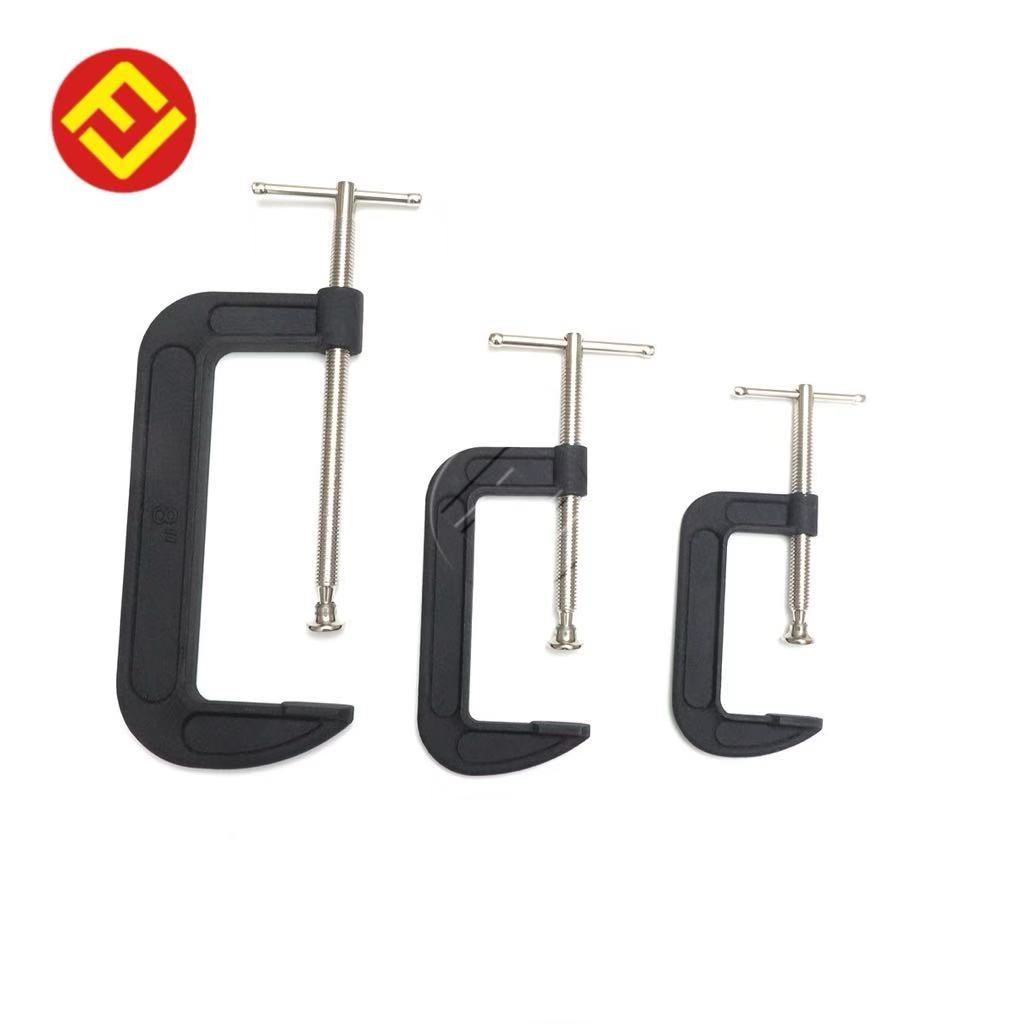
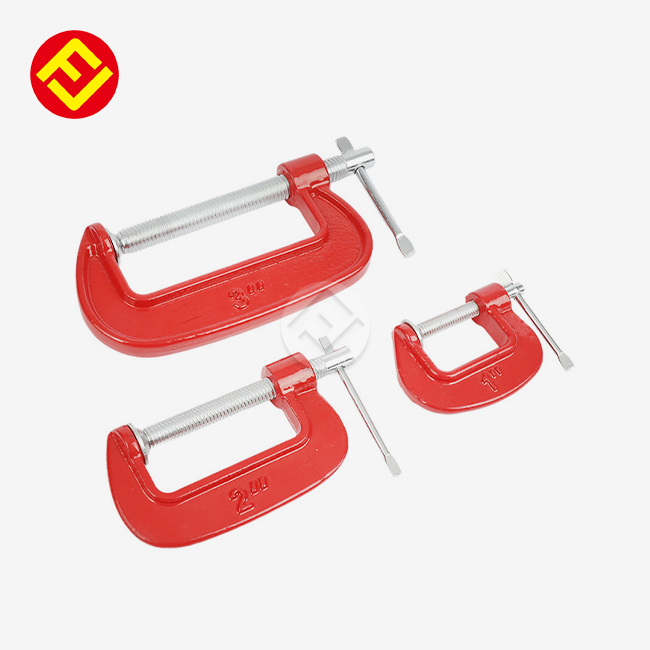
When you're managing a busy workshop, fabrication shop, or construction site, the right clamping tool makes all the difference between smooth operations and costly delays. The Standard American C-Clamp stands out as a reliable workhorse engineered to deliver consistent holding power across woodworking, metalworking, and assembly applications. Built from high-strength ductile iron frames paired with precision-machined steel screw rods, these clamps provide the durability and clamping force professionals demand. Available in sizes from 4 to 12 inches with finishes including painted, blackened, and powder-coated options, they resist corrosion while maintaining operational integrity in demanding industrial environments.


Specification |
||||
| Specification | Rod Diameter (mm) | Rod Length (mm) | Total Length (mm) | Middle Width (mm) |
| 4 Inch | 22 | 115 | 195 | 50 |
| 5 Inch | 22 | 145 | 240 | 60 |
| 6 Inch | 22 | 170 | 270 | 65 |
| 8 Inch | 22 | 227 | 340 | 85 |
| 10 Inch | 22 | 275 | 395 | 85 |
| 12 Inch | 22 | 332 | 450 | 85 |
Understanding Standard American C-Clamps: Features and Applications
What Defines a Standard American C-Clamp?
It's more than just a simple binding tool—a Standard American C-Clamp is made to meet strict industry standards that guarantee safety and performance. On the other hand, these clamps meet specific size and weight requirements that make them suitable for professional settings, unlike lighter options made for hobbyist use. The unique C-shaped frame strikes the perfect balance between throat depth and pressing pressure, making it easy to get to tight spaces while still applying a lot of force. Traditional casting methods are mixed with modern machining technology to make tools that can handle being used every day in workshops in the construction, fabrication, and manufacturing sectors.
Core Material Composition and Construction
The materials used to make clamps have a direct effect on how long they last and how well they work when they are under stress. Our clamps have ductile iron frames that don't bend or crack even when they're under a lot of stress. This is because they don't use cast iron, which often breaks at weak spots. The 22mm diameter steel screw rod is carefully machined to make sure that the threads connect smoothly and that the force is transmitted consistently over its service life. This mix gives it tensile strength that is higher than what is usually needed in a workshop, but it's still flexible enough to handle shock loads without breaking. Surface treatments like powder coating and blackening are very important for stopping rust. This is especially true in places where there is water, metal shavings, or chemical leftovers.
Application Range Across Industries
These fixing tools are used every day by workshop workers in many fields. They are used in woodworking to hold panels in place while they are glued together, to keep pieces steady while they are being routed or cut, and to carefully put together furniture parts. They are used by shops that work with metal to hold steel plates in place while welding, keep things stable while cutting, and keep things straight while grinding. They are used on construction sites for temporary installs, moving structures, and putting together pipes. In the auto repair industry, they are very useful for keeping parts in place while they are being serviced, for custom fabrication projects, and for keeping parts in place while diagnostic procedures are done. Companies that make things use them in fixtures for the assembly line, for quality checks, and for making prototypes.
Available Size Specifications
Knowing the different sizes of tools helps procurement managers choose the right ones for each operation. The 195mm total length of the 4-inch model makes it good for fine work and smaller pieces where room is limited. Sizes in the middle, like the 6-inch and 8-inch models, offer a good mix of flexibility and power, making them good for most general workshop jobs. The 10-inch and 12-inch models are bigger and have deeper throats that can fit large workpieces. They have longer reach for thick materials and deep-set uses. Each size has the same 22mm rod diameter, which makes sure that the strength is the same across the range of Products" target="_blank" style="color:blue" >products and makes it easier for facilities that stock more than one size to keep track of their spare parts inventory.
Comparing Standard American C-Clamps with Other Clamp Types
Mechanism Differences and Operational Advantages
In different work situations, different clamping mechanisms work best. Screw-based C-clamps like the Standard American C-Clamp type offer the strongest binding force through mechanical advantage. This makes them perfect for tasks that need to keep pressure on for a long time. Quick-release clamps put speed over maximum force, which makes them useful for repeated assembly tasks where cycle time is more important than maximum force. Bar clamps let you change the length, but they don't have the small size or concentrated force that C-clamps do. Pipe Clamps are great for working with big panels, but they take time to set up, so they can't be used for a variety of jobs during the day.
Standard American C-Clamps have a threaded system that lets people with gloves on make small changes even when conditions are bad. With expected force application, workpiece damage from spring-loaded quick clamps is avoided. This is especially important when working with precision parts or polished surfaces. By knowing these operational traits, procurement teams can better match tools to actual workflow needs instead of just picking one based on price.
Performance Benchmarks and Load Capacity
Professional-grade tools are different from consumer ones in how much weight they can hold. Good C-clamps should be able to handle proof loads that are much heavier than their rated working capacity without the frame permanently deforming. Our clamps work better than others made of malleable iron because they are made of ductile iron, which doesn't crack easily when put through repeated high-stress cycles. When you clamp on a steel screw rod with properly formed threads, the pressure is spread out evenly. This stops the early wear and thread stripping that happen with badly made options. These efficiency qualities mean that the tool will last longer and cost less to replace over its useful life.
Design Standard Variations: American vs. European Models
Teams that buy things around the world should know what the main differences are between European and American clamp standards. American-style C-clamps usually come in inch sizes and throat depth ratios that are best for the most common sizes of steel plates and lumber used in the US. European designs often use metric measures and frame shapes that are a little different to fit the materials that are common in those areas. Changes in thread pitch can change how things feel and how much power is needed. These differences affect how well multinational manufacturing companies can work together when they share tools between facilities or when they need to replace old stock. Standardizing on American-pattern clamps helps procurement managers who are looking for goods for US-based businesses make sure that they work with current tools and are known to operators who have been trained to use domestic equipment.

How to Select the Right Standard American C-Clamp for Your Workshop Needs?
Assessing Project-Specific Requirements
To choose the right tools, you must first honestly assess what the workshop really needs. Think about what amount of material you'll be clamping most of the time. The throat depth needs to be able to fit your workpiece while still leaving room for jaw pads or other safe materials. Think about how often the clamps will be used and whether workers will move them around several times a day or leave them in place for long amounts of time. Check the working environment to see if there are any moisture, metal dust, or temperature changes that could cause tools to wear out faster. Larger stocks of mid-range sizes that can be used in a wide range of situations are better for fabrication shops that make a lot of things. On the other hand, specialized woodworking shops may focus on specific sizes that match the dimensions of their most common materials.
Matching Clamp Capacity to Operational Needs
The clamping force needed for each job is very different. For light assembly work, moderate pressure may be enough to position parts while they are being fastened, but for lamination, sustained high pressure is needed to make sure the layers stick well. Fixtures for welding need clamps that stay in place even when the metal expands and contracts or when it shakes. When you overload small clamps, the frame and threads get damaged, and when you use large clamps for delicate work, you risk crushing soft materials or putting too much stress on the joints. Our range of specifications, from 4 to 12 inches, lets buyers put together a well-balanced set of tools that can be used in a variety of situations without having to keep too many tools on hand.
Evaluating Quality Indicators and Certifications
Quality assurance is a very important part of business buying choices. ISO9001 approval means that quality management is used throughout the whole production process, from checking the raw materials to packaging them up at the end. Look for suppliers who give you full details about their products, such as the results of load tests, material certifications, and any size or shape restrictions. Reliable makers check each lot of their products for load-bearing capacity, thread engagement quality, uniformity of surface finish, and correct frame alignment. Full paperwork, such as technical drawings and weight specs, helps with planning projects and keeping accurate records of tool inventories by facilities managers. The length of the warranty shows how confident the manufacturer is in the product; longer coverage periods usually mean better construction and materials.
Proper Use and Maintenance of Standard American C-Clamps
Step-by-Step Operational Guidelines
When clamps are used correctly, they protect workpieces and make tools last longer, and for Standard American C-Clamp, first, check the clamp for damage that you can see, such as frame cracks, bent threads, or swivel pads that aren't attached properly, and remove any debris from the threads that could stop them from engaging smoothly or cause them to bind, and place the clamp so that the frame touches the workpiece all the way around, and this will spread the pressure evenly instead of concentrating it at the frame's edges, and when you turn the screw handle, don't force it; too much pressure means the threads are dirty or misaligned and need to be fixed, and use just the right amount of force to hold the piece in place without damaging the material or warping the thin stock, and when releasing, slowly back out the screw instead of quickly freeing it, which can cause pieces to move around without warning. First, check the clamp for damage that you can see, such as frame cracks, bent threads, or swivel pads that aren't attached properly. Remove any debris from the threads that could stop them from engaging smoothly or cause them to bind. Place the clamp so that the frame touches the workpiece all the way around. This will spread the pressure evenly instead of concentrating it at the frame's edges. When you turn the screw handle, don't force it; too much pressure means the threads are dirty or misaligned and need to be fixed. Use just the right amount of force to hold the piece in place without damaging the material or warping the thin stock. When releasing, slowly back out the screw instead of quickly freeing it, which can cause pieces to move around without warning.
Maintenance Practices for Extended Service Life
Regular repair keeps tools from breaking down too soon and keeps them reliable for use. Wipe the threads clean of sawdust, metal chips, and cutting fluid leftovers after each use. This will keep them from sticking and speed up wear. Light machine oil should be put on threads once a month in places where they will be used a lot to keep them from rusting and to make sure they run smoothly. Instead of leaving clamps on wet surfaces, hang them up or put them in a drawer to keep them dry and out of direct contact with water. Check frames for tiny cracks every so often, especially where the screw system meets the frame body, which is a high-stress area. Look at the turning pads to see if they are loose or broken so that they don't damage the object or show signs of wear on the inside. Instead of trying to fix broken clamps on the job site, which could compromise safety and performance, replace them right away.
Safety Protocols and Compliance Measures
Tool safety needs to be taken seriously in industrial settings to protect workers and keep up with regulations. Teach your staff to spot the signs of a broken clamp, such as odd resistance when tightening, deformed frames that can be seen, or threads that don't connect smoothly. Set maximum torque limits that are right for the clamp size to avoid over-stressing frames, which makes them weak. Wear the right safety gear, like safety glasses, when clamping because the saved energy could be released if the workpieces slip. Do not use clamps as hitting tools or leverage bars; these are not allowed uses and will cause hidden damage to the structure. As part of larger building safety programs, keep records of tool inspections to show government agencies and insurance companies that you did your job properly.

Procurement and Sourcing: Finding the Best Deals on Standard American C-Clamps
Evaluating Supplier Credentials and Capabilities
For B2B buying to go well, you need to work with providers who offer more than just low prices. Check the industrial experience of the provider. Companies that have been making things for decades usually have better quality control and a better understanding of what the customer wants. Check the depth of the inventory because sellers who keep large amounts in stock can fill regular orders right away, without having to wait for production, which can throw off project schedules. Take a look at the customization options for tasks that need non-standard specifications, different sizes, or unique finishes. When adding tools to current processes or making custom fixtures, technical help is very important. When suppliers offer detailed CAD models, weight specifications, and engineering help, they add value to the product itself.
Understanding Total Cost of Ownership
Supply chain managers who are smart don't just look at the initial buy price; they also look at the total costs of ownership. Higher-quality clamps cost more up front, but they last longer, which means they don't need to be replaced as often and save money on the costs of buying new ones. Tools that meet strict quality standards break down less often in the middle of their lives, which delays projects and wastes time and money. Reliable suppliers who keep consistent stock levels stop expensive rush shipping fees and project delays caused by having to wait for restocks. When tools break down early, the risk is lower when there is a warranty and quick after-sales help. When you weigh the benefits of buying in bulk against the costs of storage and the capital that is locked up in extra inventory, you can see how flexible order numbers can help you find the best balance.
Custom Solutions and OEM Partnerships
Suppliers who can make custom configurations are helpful for businesses with specific needs. Non-standard throat depths are used for fixtures with unique shapes or installation methods that aren't used by everyone. Frame geometries that have been changed can work with limited workspaces or unusual access needs. Specialized finishes make things less likely to rust in hard conditions or to meet certain industry standards. Suppliers with their own engineering teams can quickly come up with unique solutions and send 3D models for approval before making production tools. Quick custom production timelines—delivery in 7 to 15 days instead of the usual lead times in the industry—keep projects on track and make sure they meet all the requirements.
Conclusion
In conclusion, Standard American C-Clamps are still very useful tools for working with wood, metal, building, and industry. Their strong, ductile iron and steel construction gives them the binding force they need for tough professional jobs and keeps them from wearing out like cheaper options do. When procurement managers know about the specs, size ranges, and application needs of materials, they can choose the right tools to meet business needs. Using tools correctly and keeping them in good shape can make them last longer and keep workers and tools safe. Workshops can keep their productivity and tool dependability high over the long term by working with experienced makers who offer full support, open design, and quality certifications.
FAQ
What distinguishes a Standard American C-Clamp from lightweight alternatives?
Standard American C-Clamps are made to meet specific industrial standards for load-bearing capacity and durability. The frame is made of ductile iron, which doesn't bend or crack under high stress. Precision-machined steel screw rods make sure the machine runs smoothly for a long time. These clamps are put through proof load tests to make sure they can handle forces much higher than their stated capacities without permanently deforming. This is different from consumer-grade cast iron clamps, which could fail badly in a professional workshop.
How do I determine the correct size for my application?
Make sure the clamp throat depth is the same as the width of your material plus some extra room for pads to protect it. Sizes in the middle, like 6-inch and 8-inch models, work well for most general workshop tasks. Having clamps of different sizes is helpful for specialized tasks. For example, smaller clamps are better for fine detail work and precision setups, while larger clamps are better for thick materials and deep-set tasks that need a longer reach.
What maintenance extends clamp service life?
To keep threads from binding and wearing out faster, clean them after each use. Light machine oil should be used once a month to keep things running smoothly and stop rust. Keep clamps away from water and in a dry place. Regularly check the frames for cracks and the swivel pads for damage. If clamps are showing structural flaws, they should be replaced right away instead of being used again, which could damage the object or hurt the user.
Partner with FLA Industrial & Trading Co., Ltd. for Reliable Clamping Solutions
Tools that work well every day are important for keeping the workshop running smoothly. Every Standard American C-Clamp that FLA Industrial & Trading Co., Ltd. makes is the result of almost 40 years of experience making things. Our quality control system is ISO9001-certified, which means that all of our sizes, from 4 inches to 12 inches, work the same way. We have 2,000 tons of stock on hand, so we can ship standard orders right away and custom orders in just 7 to 15 days. Procurement managers like that we offer quick technical support, clear documentation, and a range of order sizes that can fit any size operation. Learn why FLA Industrial is the Standard American C-Clamp provider for Fortune Global 500 businesses by getting in touch with us at sales@flaindustrial.com to discuss your unique clamping needs.
References
1. American Society of Mechanical Engineers. (2019). ASME B107.410: Hand-Operated Clamping Devices - Performance Requirements and Test Methods. New York: ASME Press.
2. Oberg, E., Jones, F. D., Horton, H. L., & Ryffel, H. H. (2020). Machinery's Handbook (31st Edition). New York: Industrial Press.
3. Parmley, R. O. (2018). Standard Handbook of Fastening and Joining (4th Edition). New York: McGraw-Hill Education.
4. Society of Manufacturing Engineers. (2021). Tool and Manufacturing Engineers Handbook: Assembly, Testing and Quality Control (Volume 4). Dearborn: SME Publications.
5. Woodworking Industry Association. (2020). Best Practices for Workshop Tool Selection and Maintenance. Chicago: WIA Technical Publications.
6. Federal Supply Service. (2017). GGG-C-406D Federal Specification: Clamps, C, Screw, Machinist and Woodworker. Washington: General Services Administration.