Why Choose Stainless Steel Wire Rope Fasteners for Corrosion Resistance?
2026-08-12 11:48:26


When you're securing wire rope assemblies in challenging environments, corrosion isn't just an inconvenience—it's a safety hazard and a financial drain. Stainless Steel Wire Rope Fasteners offer a proven solution to this pervasive industrial problem. These precision-engineered components, particularly those manufactured from AISI 304 and 316 stainless steel grades, deliver exceptional resistance to rust, pitting, and environmental degradation. Whether you're rigging a coastal construction site, maintaining offshore platforms, or installing architectural cable systems, choosing corrosion-resistant fasteners means fewer replacements, reduced downtime, and enhanced safety. The chromium-rich passive oxide layer inherent to stainless steel acts as an invisible shield, protecting your investment across decades of service.


Specification |
||||||||
| Specification | Pitch (P) | Total Height(L)(mm) | Hole Diameter (a) (mm) | Screw Diameter (A) (mm) | Shank Diameter (d) (mm) | Clip Height (h1) (mm) | Hexagon Opposite Side (S) (mm) | Applicable Wrench (mm) |
| M2 | 0.4 | 17.1 | 4.5 | 3 | 2.5 | 9 | 5.4 | 5.5 |
| M3 | 0.5 | 20.3 | 5.3 | 4 | 3.4 | 8.6 | 6.9 | 7 |
| M4 | 1.25 | 22.7 | 6.6 | 4 | 3.4 | 9.8 | 6.9 | 7 |
| M5 | 0.8 | 26.7 | 7.1 | 5 | 4.3 | 9.4 | 7.8 | 8 |
| M6 | 1 | 32.3 | 7.1 | 6 | 5.2 | 11 | 9.8 | 10 |
| M8 | 1.25 | 34.5 | 10.1 | 6 | 5.2 | 15 | 9.8 | 10 |
| M10 | 1.5 | 44.8 | 10.1 | 8 | 7.1 | 15 | 12.5 | 12.5 |
| M12 | 1.75 | 51.2 | 14.8 | 10 | 3.5 | 18.1 | 15.8 | 16 |
| M14 | 2 | 56.3 | 14.4 | 10 | 8.6 | 21.3 | 15.8 | 16 |
| M16 | 2 | 64.6 | 18.6 | 12 | 10.5 | 24 | 17.8 | 18 |
| M18 | 2.5 | 73.6 | 20.1 | 12 | 10.7 | 29.5 | 17.8 | 18 |
| M20 | 2.5 | 73.9 | 20.5 | 12 | 10.7 | 29.8 | 17.8 | 18 |
| M22 | 2.5 | 76.5 | 25.1 | 12 | 10.7 | 32.5 | 17.8 | 18 |
| M24 | 3 | 79.9 | 27.1 | 12 | 10.7 | 33 | 17.8 | 18 |
| M26 | 3 | 36.6 | 27.8 | 12 | 10.7 | 35.6 | 17.8 | 18 |
| M30 | 3.5 | 100.3 | 33.3 | 16 | 14.1 | 35.6 | 23.8 | 24 |
| M32 | 3.5 | 100.3 | 33.6 | 16 | 14.5 | 35.6 | 23.8 | 24 |
Understanding Wire Rope Fasteners and Corrosion Challenges
What Are Stainless Steel Wire Rope Fasteners?
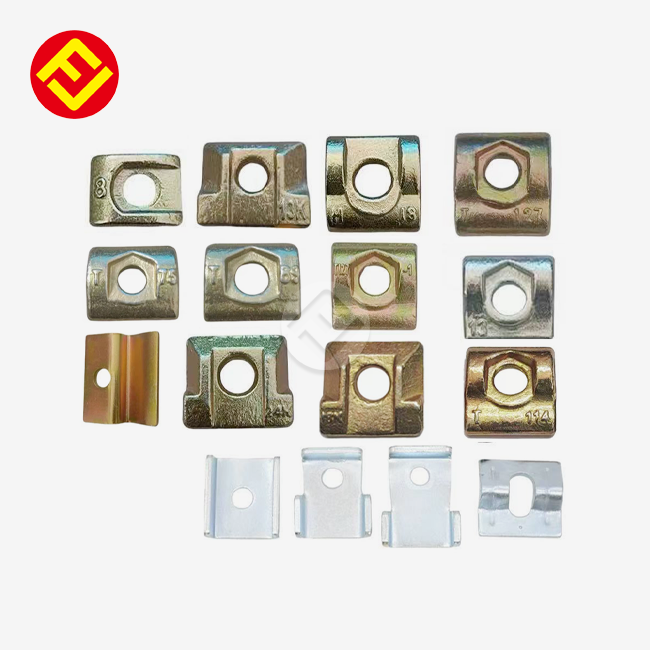
Wire rope clamps are the most important parts of cable systems because they keep them together. Some of these are swage terminals, clips (grips), eye bolts, locks, thimbles, and turnbuckles. All of these are meant to safely end wire lines, make them tighter, or keep them safe. These parts, on the other hand, need to be able to handle heavy loads and rough weather. The things that different kinds of stainless steel are made of let you tell them apart. In austenitic stainless steel, the best types have molybdenum, chromium, and nickel in them. This metal mix turns ordinary screws into workhorses that won't rust and will last for decades.
How Corrosion Threatens Fastener Performance?
Many different types of damage can happen to screws in corrosive settings. Saltwater releases chlorides that break through the surface of metal and make it less strong when it comes into contact with weight. The air in factories is full of chemicals and carbon compounds that wear down surfaces faster. If you don't cover metal, even things that seem harmless, like ocean fog or humidity, can damage it over time. When screws rust, the threads get weaker, load numbers stop being correct, and the whole system can break down. If there is a rusty turnbuckle in a cable fence or a weak shackle on a lifting assembly, something bad is about to happen.
The Science Behind Stainless Steel Corrosion Resistance
Chromium mixes with air to make a very thin layer of self-healing oxide. This is what makes stainless steel strong. This passive film keeps water and other harmful things from getting to the metal below and stopping more oxidation. You can use Grade 304 stainless steel outside for most things because it has about 18% chromium and 8% nickel. Two to three percent molybdenum is added to Grade 316 to make it even safer. Because of this, it is much more resistant to acids and chlorides, which is why it is so important for systems that are always near the ocean or sea.
Benefits of Choosing Corrosion-Resistant Fasteners
Extended Service Life and Reduced Replacement Costs
It's clear why you should buy stainless steel screws when you look at how much they cost over time. It might cost more to buy at first than steel options, but it will save you a lot of money in the long run. When used in difficult conditions, coated steel screws may need to be changed every three to five years. If you choose the right stainless steel parts, on the other hand, they should last twenty years or more. This means that less work needs to be done, maintenance costs are lower, and operations are interrupted less often. Because they last longer, contractors who are in charge of multiple sites or distributors who are stocking inventory will get fewer emergency orders, and their clients will be happier.
Enhanced Safety and Structural Integrity
When things rust, they look bad, but they can also be dangerous, and for Stainless Steel Wire Rope Fasteners, there is no telling how fasteners will lose their ability to hold weight when they break, and if you put too much stress on a rusty wire rope clip, it could break quickly, ripping the lines apart, and safety factors stay the same over time because stainless steel screws don't change in how they work, and ISO9001-certified manufacturing methods make sure that numbers are correct and ingredients are always the same. There is no telling how fasteners will lose their ability to hold weight when they break. If you put too much stress on a rusty wire rope clip, it could break quickly, ripping the lines apart. Safety factors stay the same over time because stainless steel screws don't change in how they work. ISO9001-certified manufacturing methods make sure that numbers are correct and ingredients are always the same. When we follow guidelines like ASTM specifications, we get data on results that we can check. This dependability is very important when something going wrong could hurt someone, break something, or cause the project to be late.
Versatility Across Demanding Applications
When it comes to marine engineering, stainless steel screws look their best. At offshore sites, salty spray, temperature changes, and shaking are always present. These things destroy materials that aren't very strong in just a few months. Grade 316 screws are very good at these jobs because they are used to hold things together, from stairs to mooring systems. Cable railing systems on buildings near the coast, suspension bridges in damp places, and architectural features that are exposed to the weather all need to be resistant to corrosion. When you're making a ship, you need bolts that won't break on the water for years on end. This is because stainless steel is clean and doesn't react badly with chemicals. Even places that make food use it. Harsh cleaners would quickly break down other things.

Selecting the Right Fasteners for Your Application
Material Grade Selection: 304 vs. 316
How much of a certain type of stainless steel will you be exposed to? That will help you choose. In general, Grade 304 doesn't rust and can be used in freshwater sites, building projects, and light industry settings. The way it's put together makes it strong, easy to work with, and not too expensive. Grade 316 is now needed for places near the coast, in the ocean, and in chemical processing plants because it has molybdenum added to it. Because it has molybdenum in it, it is much less likely to get pitting and hole rust from chloride. These are two big problems that things have when they are in saltwater. Spreaders who work with many places should always have both kinds on hand to meet the needs of all their clients.
Load Capacity and Safety Factor Considerations
You have to make sure that the rated capacity of each fastener fits the needs of your case. Working Load Limits (WLL) tell you how much weight something can safely hold. Most of the time, they are found by making the load 4 or 5 times the Minimum Breaking Load (MBL). Wire rope clips that are marked with DIN 741 requirements show clear load rates. There are also marks on rigging gear like chains and turnbuckles that show the best maximum loads. Buyers need to make sure that sellers give them all the paperwork and certificates they need for the goods. When working on lifts, extra care needs to be taken, and only fasteners that are rated and marked for high lifts should be used.
Comparing Alternative Materials
People can make better choices about what to buy when they know when other options make more sense. At first, galvanized steel bolts are less expensive and work well in dry, inland places. But over time, the zinc cover wears off, leaving the base metal vulnerable to corrosion. Some people like aluminum rivets because they are light, but stainless steel rivets are stronger and last longer. If you don't want to touch metals, nylon and plastic fasteners work well in light-duty settings. However, they aren't as strong or stable when the temperature is high. When it comes to builders and dealers who want to get the most for their money over time, stainless steel is the best choice because it combines performance, durability, and total cost of ownership in the most ways.
Installation and Maintenance Practices
Proper Installation Techniques
Putting fasteners in the right place makes them work better and keeps them from breaking too soon, and for Stainless Steel Wire Rope Fasteners, when you put wire rope clips in the right place, the U-bolt should be on the dead end and the saddle should hit the load-bearing side of the rope, and not tight enough keeps things from slipping, but too tight of a twist damages threads or bends parts, and galling happens when stainless steel threads get stuck when they are being tightened, and to stop this, you can use molybdenum disulfide grease or nickel-based anti-seize lube on the threads. When you put wire rope clips in the right place, the U-bolt should be on the dead end, and the saddle should hit the load-bearing side of the rope. Not tight enough keeps things from slipping, but too tight a twist damages threads or bends parts. Galling happens when stainless steel threads get stuck when they are being tightened. To stop this, you can use molybdenum disulfide grease or nickel-based anti-seize lube on the threads. This easy safety measure keeps fasteners from getting broken and saves a lot of trouble. It is important to slowly and evenly tighten turnbuckles and check them every so often to make sure that wire systems are filled evenly.
Maintenance Intervals and Inspection Protocols
It's important to check screws often, even ones that don't rust. There should be a visual check every three months in bad cases and once a year in good ones. Check for discoloration, which means chemical contact; surface pitting, which means rust is beginning to form; and distortion, which means the load is too high. Pay close attention to the thread roots because that's where tiny cracks often begin and can spread to quickly break the thread. Dye penetrant testing is used by experts to find cracks in important building parts. Clean your screws with clean water every so often to get rid of salt buildup and other dirt. It's important to keep organized records of inspection results and maintenance tasks so you can prove you did your job and figure out how long a part will last.
Extending Fastener Lifespan Through Best Practices
To make a service last longer, you can do more than just set it up and check it over. Dry out any extra screws before putting them away to keep them from rusting. When you change the screws, choose ones that are the same grade or better. When you mix metals that don't work well together, galvanic corrosion can happen. Retorque the wire rope clips every 24 to 48 hours because the holding force often decreases as the rope settles. Try to avoid mechanical damage when moving and fitting. The protective oxide layer can become less strong after scratches and gouges. For important tasks, keep extra key screws on hand so that they can be changed quickly and without putting the project on hold.

Trusted Suppliers and Quality Assurance
Identifying Reputable Manufacturers
It's very important to choose the right seller because quality varies a lot between them. The company FLA Industrial & Trading Co., Ltd. has been in business for almost 40 years, has ISO9001 certification, which shows that they regularly handle quality, and is CE compliant, which means their goods are safe. These are all things that purchasing managers should look for in a company. Some of the ways that sizes from M2 to M32 are made sure to be exact are precision casting, forging, machining, and polishing. There are over 1,000 product specs to choose from, so it's simple to find the right fastener. Suppliers that work with partners in the Fortune Global 500 have proven they can meet high standards around the world.
Verification and Certification
When professionals buy something, they need a quality guarantee that they can back up. Material approvals that are checked by Positive Material Identification (PMI) tests show that the steel is really made of 304 or 316 stainless steel. This keeps problems with "fake stainless" from happening. The tensile strength of production samples is used to compare load rates to published standards. Claims that something won't rust are checked by putting it through salt spray faster than what is allowed by ASTM B117. To make sure the threads will work and the parts will fit right, use accurate tools to check the sizes. Each package should come with a Material Test Report (MTR) from the seller. This creates audit trails that meet the needs for project documentation and reduce the risk of liability.
Supply Chain Advantages
Having skills in the supply chain is more important than having good Products" target="_blank" style="color:blue" >products. Having a lot of stock on hand makes it easy to fill regular orders quickly, which is very helpful when projects need to be delivered right away. There are ways to customize so that non-standard needs can be met, and skilled makers offer 3D design help and sample development. The minimum order quantity can be changed so that it can be used for both small test runs and large production runs. Getting technical help with things like figuring out loads, picking out materials, and putting them together is helpful at every stage of the buying process. Things don't get held up because people only talk slowly. It takes 24 to 48 hours to answer technical questions.
Conclusion
Buying wire rope connectors that don't rust is an investment in safety, longevity, and speed, and for Stainless Steel Wire Rope Fasteners, grades 304 and 316 of stainless steel work better because chromium protects against passive oxides and molybdenum is useful in marine-grade uses, and this success can be measured in a lot of different industries, and where weaker materials would fail, these fasteners hold things together, and they are used in naval engineering, architecture, factories, and building sites. Grades 304 and 316 of stainless steel work better because chromium protects against passive oxides, and molybdenum is useful in marine-grade uses. This success can be measured in a lot of different industries. Where weaker materials would fail, these fasteners hold things together. They are used in naval engineering, architecture, factories, and building sites. Making sure the right product is chosen for the job, fitted properly with the right amount of force, and regularly maintained will get you the best return on your investment. You can get parts that have been checked for quality and come from certified manufacturers who have stable supply lines and technical know-how.
FAQ
What distinguishes 316 from 304 stainless steel in corrosive environments?
Because it has 2% to 3% molybdenum, the 316 grade is much less likely to get pitting and crack rust from salt than the 304 grade. This means that 316 is the only choice for use in the marine, coastal, and chemical industry fields where saltwater or harsh chemicals are present. In general, the 304 grade works well both inside and outside, and it's a great choice when you don't need extra defense against rust.
Can stainless steel fasteners be used for overhead lifting applications?
Working Load Limits (WLL) are written on screws and are the only ones that can be used to pull things from above. Standard DIN 741 clips and other commercial-grade fasteners are made to hold wires in place instead of moving them. Before you use shackles, eye bolts, or any other lifting hardware that could break and hurt someone or damage something, make sure that it has the right load ratings and safety certifications.
How often should I inspect wire rope fasteners in harsh environments?
Once every three months, inspections should be done in places with saltwater, chemicals, or a lot of vibration. An inspection once a year is enough for moderate conditions with little exposure. Look for pits on the surface, broken threads, deformation, or color changes. The dye penetrant test finds small cracks in key parts. Keep track of all the checks you do on fixings so you can see how they're holding up over time and plan your next repair.
Partner with a Trusted Stainless Steel Wire Rope Fastener Supplier
We've spent almost 40 years at FLA Industrial & Trading Co., Ltd. getting better at making screws that don't rust and meet the strict needs of businesses all over the world. A factory that is ISO9001-certified makes Stainless Steel Wire Rope Fasteners from 304 and 316, which are the best grades. Made with care to make sure they are the right size and won't break when they're put through their paces. Even if you're a building builder who needs access right away, a hardware distributor who wants a wide range of SKUs, or a facility manager who is planning long-term projects, we can help you with technical support, customization, and low-cost shipping. Send us an email at sales@flaindustrial.com to talk about your unique needs, get material certifications, or set up a time for us to look over an example. The Fortune Global 500 businesses know they can count on us for quality, consistency, and a relationship. At flaindustry.com, you can see all of our products and find out how our knowledge can help you do well in factories, on the water, and in construction.
References
1. American Society for Testing and Materials. (2021). "ASTM A276: Standard Specification for Stainless Steel Bars and Shapes." ASTM International Standards, West Conshohocken, PA.
2. Davis, J.R. (2020). "Corrosion Resistance of Stainless Steels in Marine Environments." ASM International Handbook Committee, Materials Park, Ohio.
3. European Committee for Standardization. (2019). "EN 1677: Components for Slings – Safety – Part 1: Forged Steel Components." Brussels, Belgium.
4. International Organization for Standardization. (2018). "ISO 2408: Steel Wire Ropes for General Purposes – Minimum Requirements." Geneva, Switzerland.
5. Naval Facilities Engineering Command. (2017). "Unified Facilities Criteria: Wire Rope, Slings, and Rigging Accessories." U.S. Department of Defense, Washington, D.C.
6. Wright, R.N. (2019). "Wire Rope: Selection, Installation, Inspection and Maintenance." Second Edition, McGraw-Hill Professional, New York.