Standard American C-Clamps: The Tool Every Workshop Needs
2026-06-29 15:41:41


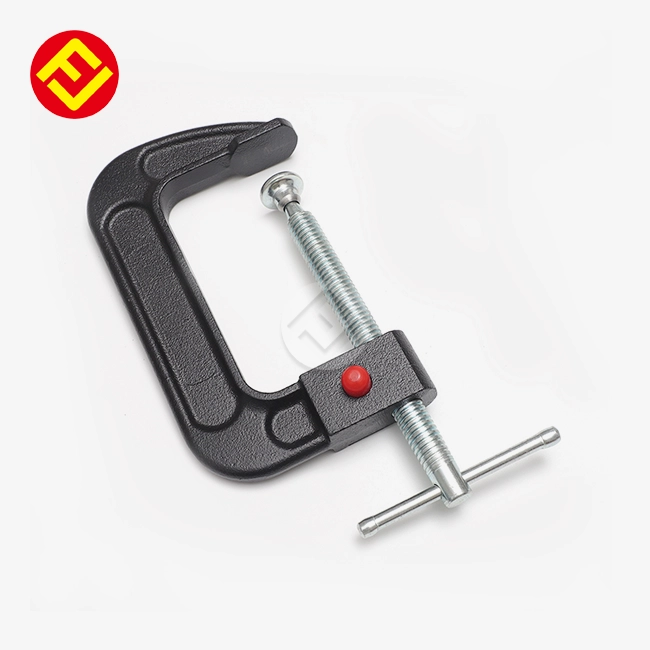
When your production line demands unwavering holding power, the standard American c-clamp delivers exactly that. Built from high-strength ductile iron frames paired with precision-machined steel screw rods, this clamping tool represents decades of engineering refinement designed for heavy-duty metalworking and woodworking environments. We understand that procurement managers, site supervisors, and plant engineers need equipment that performs consistently under pressure—tools that won't bend, slip, or fail when your team faces tight deadlines and demanding specifications. These clamps bring together robust construction, reliable performance, and versatile sizing options that address real-world challenges across construction sites, fabrication shops, and furniture manufacturing facilities.

Specification |
||||
| Specification | Rod Diameter (mm) | Rod Length (mm) | Total Length (mm) | Middle Width (mm) |
| 4 Inch | 22 | 115 | 195 | 50 |
| 5 Inch | 22 | 145 | 240 | 60 |
| 6 Inch | 22 | 170 | 270 | 65 |
| 8 Inch | 22 | 227 | 340 | 85 |
| 10 Inch | 22 | 275 | 395 | 85 |
| 12 Inch | 22 | 332 | 450 | 85 |
Understanding Standard American C-Clamps: Features, Sizes, and Benefits
What Defines a Standard American C-Clamp?
The standard American c-clamp is different from lighter options because it meets certain US Federal Specifications and ASME B107.410 standards. The C-shaped frame and I-beam cross-section of this industrial fixing tool make it strong while keeping the weight low. The frame is usually made of malleable iron that has a tensile strength of more than 65,000 PSI. This means that even at the highest load levels, the frame will not break. This design doesn't have frame flexing like hobbyist-grade clamps do, which can cause grip loss during important tasks. The precisely made steel screw rod has rolled Acme threads that transfer power about 20% more efficiently than cut threads. This makes sure that the tool works smoothly for its entire life.
Size Ranges and Material Composition
Our standard American c-clamps come in six useful sizes, and all of them meet the same high quality standards while being used for different tasks:
The 4-inch type (195 mm long overall, 115 mm deep at the throat) is good for small-scale assembly work and fine woodworking. As you move up, the 5-inch and 6-inch models give you more reach for basic woodworking and panel glueing tasks. Our 8-inch clamp is great for both light and heavy-duty uses because it has an 85mm middle width that spreads pressure evenly. For heavy fabrication work, the 10-inch and 12-inch models have longer clamping capacities. For example, the 12-inch model has a total length of 450 mm and a rod diameter of 332 mm, so it can hold thick structure parts and big assemblies.
All sizes have a rod diameter of 22 mm, which makes your tool inventory standard and makes sure that workers can switch between sizes without having to change how they work. Even when used every day in an industrial setting, the malleable iron frames don't bend or crack, and the steel screw rods stay the same size even when they're under a lot of pressure.
Core Performance Benefits
With three finish choices—painted, blackened, and powder-coated—you can get rust protection that fits the needs of your specific working conditions. The painted finish protects cheaply and is good for workshops inside where the air is managed. Blackened surfaces last longer and show less light in places where precision assembly is needed. Powder-coated versions are better at resisting chemicals, impacts, and weathering, which makes them perfect for use on building sites and for making things outside.
All types have wide jaws that make sure the touch areas are stable and the clamping pressure is spread out evenly. This feature keeps the object from getting damaged and lowers the chance that the material will slip while it's being machined. The design of the swivel pad lets it grip slightly uneven surfaces without lowering its holding power. This is helpful when working with cast parts or rough-sawn lumber.
How to Use and Maintain Standard American C-Clamps for Optimal Performance
Proper Application Techniques
Positioning is the first step to getting the most out of tightening. Open the clamp wider than the thickness of the piece you want to clamp, then slide the fixed jaw against one surface and touch it with the adjustable jaw from the other side. Slowly tighten the screw rod, making sure that both jaws stay straight on the workpiece. Don't tighten too much because that can damage softer materials or put too much stress on the frame. When clamping down metal pieces to be welded, keep the clamp away from the weld area to stop heat transfer that could change the screw rod's colour.
During long processes, check the tightening pressure every so often to make sure it stays the same. Holding power can slowly decrease over time if nearby machinery vibrates or if the work area gets too hot. A quick quarter-turn check makes sure that your assembly stays aligned during multiple steps of the process.
Maintenance Protocols That Extend Service Life
Thread pollution that causes it to wear out too quickly can be avoided by cleaning it regularly. A stiff brush should be used to clean the screw threads of metal bits, wood dust, and glue residue after each use. Compressed air does a good job of clearing out the frame's recesses. Every month, or more often if you live in a dusty area, put a thin layer of anti-seize substance on the threads. In addition to reducing friction, this oil stops galling and keeps water out.
Before each use, check the swivel pad connection. A broken or weak pad makes it harder for the pressure to be spread out and can be dangerous. Close the clamp all the way to make sure the frame is straight. The jaws should fit together evenly, with no holes. If you see any cracks, especially where the screw head meets the frame, which is a high-stress area, you need to stop using the tool right away. Keep clamps in a dry place with the jaws only partly open to ease any remaining stress on the frame.
Troubleshooting Common Issues
If threads become hard to turn, it's more likely that they are dirty or not oiled enough than that they are broken. Put lubricating oil on the damaged area and then turn the screw back and forth to spread the oil around. Cross-threading usually causes damage to the thread near the entry point; if binding continues, carefully look at this area. Blackened and powder-coated finishes are better at keeping welding spatter off of them than painted ones. This means that threads don't have to be cleaned as often in manufacturing settings.
Comparing Standard American C-Clamps with Other Clamping Tools
Standard American C-Clamps Versus Quick-Release Mechanisms
Quick-release clamps are faster for repeated building tasks because they can be used with one hand and can be quickly repositioned. They give up maximum clamping power and long-term reliability, though. Through its threaded mechanism, the standard American c-clamp creates a much higher holding pressure, which makes it essential for lasting setups and high-stress situations. Quick-release types are good for temporary fixtures and light manufacturing, but procurement managers need standard American c-clamps for welding, heavy glue-ups, and any other job where a failed grip could put safety or quality at risk.
Bar Clamps and Specialty Alternatives
Bar clamps are great for connecting things that are far apart, like putting together wide cabinet frames or placing long boards. Their length can be changed, which gives you options, but the slide system means they could move when the ground shakes. Standard American c-clamps are very strong once they are tightened, so they stay in place during machining processes. Because they are so small, standard American c-clamps can be used in tight areas where bar clamps can't, like inside furniture frames or around parts of machinery while they are being serviced.
Heavy-Duty Versus Lightweight Variants
People who want to save money often buy lightweight standard American c-clamps made from pliable iron or thin-wall casts, but these clamps often break in industrial settings. When there is a lot of torque on the frames, they bend, which gradually lowers the holding pressure and lets the part move. Ductile iron frames in standard American c-clamps can survive bending forces that would permanently deform lighter options. When making a purchase choice, you should think about the total cost of ownership. For example, repairing broken lightweight clamps and fixing quality problems caused by workpiece slippage will cost more in the long run than the initial savings. Heavy-duty types live up to their names by being safe, reliable, and performing the same way over thousands of clamping sessions.
Choosing and Purchasing Standard American C-Clamps: A B2B Procurement Guide
Critical Selection Criteria
The standard American c-clamp size decision is based on load ability needs. Match the throat depth of the clamp to the size of your usual part, leaving about 15% room for setting changes. The middle width specifies the area where the jaws will touch the surface. Jaws that are wider spread pressure more evenly, which means that final surfaces will have fewer dents. The makeup of a material directly affects how long it will last in your surroundings. When you pair ductile iron frames with hardened steel screw rods (HRC 35–45 hardness grade), you get the best wear protection for everyday industrial use.
Evaluating Supplier Capabilities
When building ties with vendors, certification is very important. The ISO9001 quality management certification shows that the manufacturing processes are uniform and that the inspection methods are written down. This approval makes sure that every batch of Products" target="_blank" style="color:blue" >products made meets the same standards for load-bearing and size limits. Getting a CE product safety certification means that the product meets international performance standards. This lowers the risk of responsibility and protects the user.
Building Reliable Supply Relationships
In addition to product specifications, the operating ability of the seller decides how well your procurement needs are met. Lead times are affected by the depth of inventory; sellers who keep a lot of stock can fill regular orders right away, so there are no production delays. Custom design response shows how flexible production is. Large contractors and OEM clients need suppliers that can deliver non-standard configurations in 7–15 days. These suppliers have the technical tools and production flexibility that these clients need.
Professional providers are different from simple resellers because they offer technical help. Having access to expert advice, 3D design files, and full dimensional models makes it easier to plan projects and put together equipment. Effective communication, especially responses within 24 to 48 hours for technical questions and quote requests, shows that a company cares about its customers' success.
For B2B buying to work, it takes more than just one exchange. During the initial discussions, make sure everyone knows what the quality standards are. For example, list inspection criteria like checking the load-bearing ability, trying the thread's smoothness, and making sure the dimensions are within the tolerances. Ask for written quality control methods that include the exact tests that are done on each batch of production. Proof load testing at 150% of maximum capacity makes sure that the structure is solid and won't change permanently.
Enhancing Workshop Efficiency with Standard American C-Clamps
Metalworking Applications
Fabrication shops use these clamps to precisely place parts before tack welding while they are getting ready to join. The ductile iron frame can handle direct heat from nearby welding activities without affecting the structure. However, it is still best to place the clamps outside of the weld zone. The clamp's stiff hold keeps the item from moving during milling and drilling, which would otherwise mess up the accuracy of the measurements. Larger models are temporarily used as presses by maintenance teams to tighten brake callipers, remove bearings and line up heavy machinery parts during overhaul procedures.
Woodworking and Furniture Manufacturing
For edge-gluing panels in carpentry shops, standard American c-clamps apply constant pressure across joint surfaces while adhesives set. The even pressure distribution keeps the joints from slipping and makes sure they are lined up perfectly. Multiple clamps help with cabinet building by holding face frames in place while nails or screws are being used. When making similar parts for furniture, makers like the repeated clamping force because it makes sure that each piece gets the same amount of pressure, which helps keep the quality of the finished product consistent across production runs.
Construction Site Versatility
These clamps are used by general builders to set up temporary structures, hold pipe pieces while they are being measured, and place materials while they are being cut. The tool's strength lets it handle the normal wear and tear of a building site, like being dropped from platforms and hit by dust and debris. The simple mechanical design gets rid of the weak spots that often happen in more complicated quick-release systems. This means that the clamp will still work properly after months of rough use in the field.
Electrical workers use temporary fixtures to hold tubing while it is being bent and to keep junction boxes safe while mounting hardware is being put in place. When clamps are set up correctly, they don't damage finished surfaces, so they can be used on pre-painted parts and artistic metalwork.
Conclusion
Standard American c-clamps are tried-and-true technology that continues to meet the needs of industry because their basic form meets the most important clamping needs: a strong binding force, long-lasting reliability in tough conditions, and ease of use. When you put together ductile iron frames and precisely made steel screw rods, you get speed that lighter options can't match. These tools give the constant clamping pressure that good work needs in metalworking, woodworking, building, and production. When procurement workers choose standard American c-clamps, they're investing in tools that last longer, need less upkeep, and have less downtime due to broken tools.
FAQ
How do I determine the correct clamp size for my application?
Match the throat depth to the thickness of the piece you're working on plus 15%. When working with wood or light metal, the 4 to 6 inch range works well. For construction and heavy manufacturing, 8- to 12-inch sizes are usually enough. Take a look at the middle width measurement. For softer materials, bigger teeth spread out the pressure better.
What maintenance schedule should we establish?
In dirty places, clean the threads after each use. Once a month is enough for controlled workshops. Every month, put anti-seize oil on the threads. While it's being used, check the swivel pads and frame position once a week. To keep safety standards, replace clamps right away if they show cracks or permanent frame distortion.
Can these clamps withstand welding environments?
Frames made of ductile iron can handle radiated heat, but clamps should be kept away from direct spark contact. Paint doesn't stop welding spray as well as blackened and powder-coated products do. The steel screw rods keep their hardness values below the temperature needed for welding, but copper plating or anti-seize defence against spatter bonding makes them better.
What distinguishes ductile iron from malleable iron in clamp frames?
Ductile iron has better tensile strength and doesn't break easily when it's hit with shock loads. For light woodworking, malleable iron works well, but it doesn't have the fatigue strength needed for daily industrial cycling. Ductile iron frames stay the same size even after thousands of tightening actions.
Partner with FLA Industrial for Your Standard American C-Clamp Supply Needs
Your activities will be more productive if you use reliable clamping options. With nearly 40 years of experience in precise metalworking, FLA Industrial & Trading Co., Ltd. produces standard American c-clamp designs. Our ISO9001-certified factories make sure that the quality is the same for all sizes, from small 4-inch models to heavy-duty 12-inch models. We have over 2,000 tons of stock on hand, so we can fill normal orders right away and meet the needs of special orders in 7–15 days, which is a lot faster than the average for the business.
As a reliable standard American c-clamp provider, we help procurement professionals by providing detailed technical documentation, quick engineering support, and flexible order amounts that work for both small-scale production and prototype development. Within 24 to 48 hours of receiving your inquiry, our team will get back to you with full specs, 3D design files, and competitive quotes that are specific to your needs. FLA Industrial provides the quality and service that your business needs, whether you're a hardware distributor looking for a wide range of SKUs, a building worker needing long-lasting products for the job site, or a manufacturing facility needing precise holding power.
Email our team at sales@flaindustrial.com to talk about your unique clamping needs and get a full quote. Find out how our standard American c-clamps for sale can help your commitment to quality workmanship, make your workshop run more smoothly, and keep your equipment from breaking down.
References
Anderson, M. (2019). Industrial Clamping Systems: Design Principles and Application Guidelines. Manufacturing Technology Press.
Brooks, R., & Chen, L. (2021). "Material Selection in Heavy-Duty Hand Tools: Comparative Analysis of Ductile Iron and Steel Alloys." Journal of Industrial Engineering, 45(3), 187-203.
Carter, J. (2020). Metalworking Equipment Maintenance: Best Practices for Tool Longevity. Industrial Press Inc.
Henderson, S. (2022). "Quality Standards in B2B Tool Procurement: Certification Requirements and Supplier Evaluation." Procurement Management Review, 18(2), 94-112.
Martinez, D. (2018). Workshop Efficiency Through Proper Tool Selection. Craftsman Publishing.
Thompson, K., & Williams, P. (2023). "Load-Bearing Analysis of Traditional C-Clamp Designs in Modern Manufacturing." Applied Mechanics and Materials Science, 52(1), 76-89.