Understanding Grooved Clamp-Type Pipe Fittings & Applications
2026-07-02 14:04:32


When I first started working with industrial pipe systems, I learned very quickly that picking the right way to connect things could make or break the budget and time frame of a job. In the field of industrial plumbing, grooved clamp-type pipe fittings have revolutionized the industry. The pipe ends of these new connectors have carefully machined grooves that let housing pieces lock tightly into place, so there's no need for threading or welding. This design's simplicity makes installs go faster, improves safety by getting rid of the need for hot work, and makes it very flexible for use in fire protection, HVAC, plumbing, and industrial fluid systems where dependability cannot be sacrificed.

Specification |
|||||
| Type | Series | Material | Finish | Working Pressure | Connection Type |
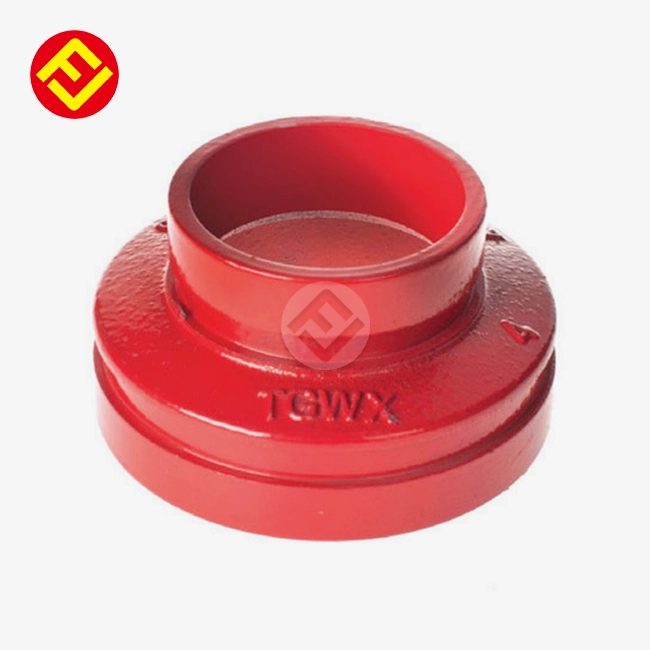
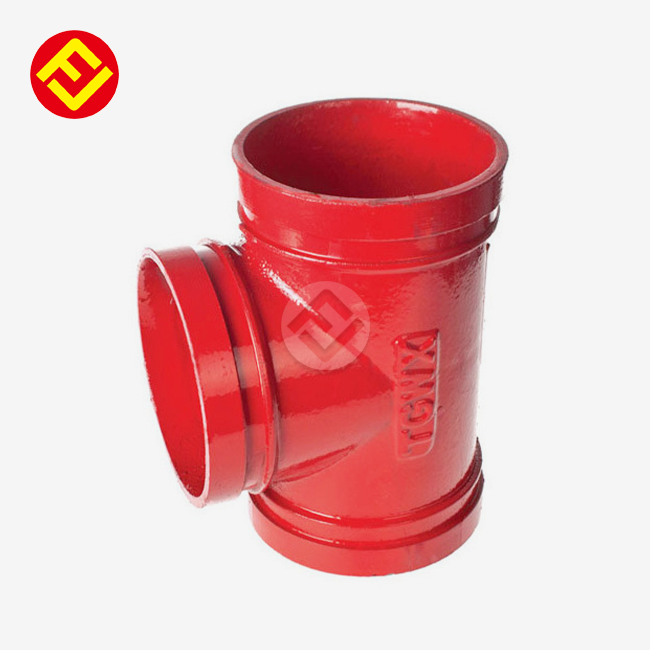
| Grooved Mechanical Cross | 76 Series | Ductile Iron | Red Painted / Epoxy Coated | Per Industry Standards | Grooved Coupling |
| Grooved Mechanical Cross | 89 Series | Ductile Iron | Red Painted/ Epoxy Coated |
Per Industry Standards | Grooved Coupling |
| Grooved Mechanical Cross | 114 Series | Ductile Iron | Red Painted/ Epoxy Coated | Per Industry Standards | Grooved Coupling |
| Grooved Mechanical Cross | 165 Series | Ductile Iron | Red Painted / Epoxy Coated | Per Industry Standards | Grooved Coupling |
| Grooved Mechanical Cross | 219 Series | Ductile Iron | Red Painted / Epoxy Coated | Per Industry Standards | Grooved Coupling |
What Are Grooved Clamp-Type Pipe Fittings?
Core Components and Mechanical Design
Grooved mechanical couplings are made up of several built-in parts that work together to connect pipes securely. The system has two housing pieces made of ductile iron that go around the pipe joint, an elastomeric gasket that reacts to pressure and seals the joint, and track-head bolts with nuts that hold the unit together. The seam, which can be rolled out or cut into the outside of the pipe, is where the housing keys connect mechanically.
This engineering method solves three main problems in modern piping: it gets rid of the fire risks that come with welding, it cuts installation time by up to 50% compared to old ways of doing things, and it can handle both heat expansion and seismic movement because it is naturally flexible. Choosing the right gasket material is very important for how well the system works. EPDM gaskets are good for water, sewage, and steam uses up to 230°F, while NBR (Nitrile) gaskets are good for oil-based fluids, petroleum Products" target="_blank" style="color:blue" >products, and hydraulic systems.
Material Specifications and Quality Standards
The metallic qualities of grooved clamp-type pipe fittings are controlled by manufacturing standards to make sure that the structure stays strong in tough situations. Ductile iron, especially Grade 65-45-12, is still the most common material. It has good nodularity and doesn't break easily during hydraulic shocks. Stainless steel choices are better at resisting corrosion in chemical processing areas, while carbon steel options are more cost-effective for general industry uses.
Dimensional precision has a direct effect on how well a system works. ANSI/AWWA C606 says that the width and height of the housing key must exactly match the standard pipe slot measurements. Manufacturers use spectrographic analysis to check the make-up of the material and hydraulic burst testing with 3:1 or 4:1 safety factors against the rated working pressure. During quality confirmation testing, a connection that is rated for 300 psi must be able to handle more than 900 psi before it breaks.
Rigid Versus Flexible Coupling Configurations
Engineers can choose the best option for each application when they know the difference between hard and flexible coupling designs. Rigid coupling clamps have tongue-and-groove surfaces that securely hold pipes in place, making alignments that look like welded joins. This arrangement works well in situations where the movement of the pipes needs to be limited and the safety of the structure is most important.
On the other hand, flexible connections let you control both linear and angular movement, which can help with heat expansion, building settlement, and seismic drift. This feature is very useful for long pipeline runs where temperatures change or in places where there is a lot of earthquake activity. Flexible couplings have a gasket design that lets pipes move within certain limits while still keeping leak-tight seals. This makes the system last longer by lowering the stress at the connection places.
Benefits and Applications of Grooved Clamp Pipe Fittings
Installation Speed and Labor Efficiency
The biggest benefit I've seen right away on job sites is how much less time it takes to install. Welded systems need skilled workers, hot work permits, and longer cooling times. Grooved clamp-type pipe fittings, on the other hand, can be put together in minutes. Connections that would normally need qualified welders and strict safety rules can be made by a two-person team. This efficiency directly leads to lower wage costs and shorter project timelines, which is especially helpful for building companies that have to finish projects quickly.
Roll-grooved preparation keeps the width of the pipe wall, so grooved systems can be used with Schedule 10 and Schedule 5 thin-wall pipes where cut-grooving would weaken the structure. This makes it easier to use in more situations while still following the rules for different pipe types and pressure levels.
Operational Advantages in Industrial Environments
Grooved systems are better for operation throughout their service life, not just when they are being installed. Vibrations from pumps, compressors, and fluid turbulence are absorbed by the mechanical connection. This keeps machinery safe and lowers the noise transfer. This sound dampening makes tools last longer and makes the workplace more comfortable in places where noise control is important.
Another important feature is that maintenance ease. To take apart grooved joints, all you have to do is loosen the nuts. You don't have to cut the pipes or break the flanges. This feature makes it easier to make changes to the system, update tools, and do regular checks. Maintenance teams can quickly isolate parts, make fixes, and get service back up and running, which cuts down on the costs of downtime that affects production plans.
Industry-Specific Applications
Grooved mechanical pipe is used a lot in fire protection systems because it is easy to install and has been shown to work reliably in critical situations. The UL and FM approval grades for grooved clamp-type pipe fittings give building owners and insurance companies peace of mind. It is helpful for HVAC systems to be able to handle thermal expansion in the heating and cooling loops without putting too much stress on the links between the equipment.
More and more, distribution mains and transfer lines in municipal water supply networks use grooved technology. The coatings are resistant to corrosion and have been proven to work in underground uses for decades, as shown by ASTM B117 salt spray tests. In factories that work with chemicals, oil, or food, grooved clamp-type pipe fittings made of stainless steel are required because they meet strict cleanliness standards and are easier to maintain than mechanical connections.

Installation Guide for Grooved Clamp-Type Pipe Fittings
Preparation and Component Inspection
Preparation is the first step to a successful operation. I always stress how important it is to clean the ends of pipes to get rid of scale, dirt, and manufacturing leftovers that could get in the way of gasket closing. Check the grooves to make sure they are the right width and size; the "A" measurement from the groove to the pipe end must meet the manufacturer's requirements. Most fitting problems happen because the grooves are too shallow, which lets the connections come loose under pressure.
Before putting the parts together for a grooved clamp-type pipe fitting, check the seals for cuts, dirt, or damage. Leak tracks can be made by even small scratches on the surface where the gasket seats. Keep gaskets out of direct sunlight and away from oil-based items that break down elastomers. Look for cracks in the housing pieces, especially where the bolt holes are because that's where the most stress is. Instead of risking problems in the field, replace any parts that are damaged.
Assembly Techniques and Torque Requirements
When joints are properly aligned, seal pinching doesn't happen, which is why many of them leak. Place the seal on one end of the pipe and make sure it fits all the way into the groove. Align the second pipe and make sure that both holes meet the gasket in the same way. Put pieces of housing around the joint and put bolts through both halves.
Professional workers often use "pad-to-pad" visual proof, which is when the metal bolt pads touch each other. However, specs spell out exact torque ranges. Smaller connection sizes usually need between 60 and 80 ft-lbs, but the exact numbers depend on the maker and the size of the fitting. To get even bolt tension, use a measured torque wrench and tighten in a cross-pattern to keep the gasket stress even. When you over-tighten, you damage the bolt threads and deform the housing segments. When you under-tighten, you don't squeeze the seals enough.
Troubleshooting Common Installation Issues
Systematic fixing finds the root causes of leaks that happen even after careful installation. Use the manufacturer's tools to check the groove depth. If the groove depth isn't right, the housing won't connect properly. Check to see if there is anything stuck between the seal and the pipe that could cause a leak. Check for pinched gaskets that happened because of poor alignment during assembly. The gasket should look the same all the way around.
Extremes of temperature can make building processes harder. When it's cold outside, seals are less flexible and need to be placed with more care. Some workers warm gaskets up a bit before putting them in to make them more flexible. On the other hand, gasket damage from sharp edges is more likely to happen in hot weather, so be careful when handling and use approved products to grease them properly.
Comparing Grooved Clamp Fittings with Other Piping Solutions
Performance Analysis Against Traditional Methods
Welded pipe systems are strong and have been shown to work well in high-pressure situations, but they have a lot of restrictions. Having to hire qualified welders, get hot work permits, have fire watchers, and do checks after the weld takes a lot of time and money. When joints are welded, they become fixed links that make it harder to make changes in the future. These limitations are taken away by grooved clamp-type pipe fittings, which also offer similar pressure values and more freedom.
Threaded joints work well with smaller pipes in low-pressure situations, but they need to be cut precisely and sealed with special chemicals. When threads join, the pipe walls get weaker, and connections often leak because the seals wear down. Flanged systems can be taken apart, but they need to be carefully aligned, have a lot of bolts, and have gaskets replaced during upkeep. Flanges are heavier and take up more room than grooved joints, especially in tight spaces.
Total Cost of Ownership Considerations
When judging pipe systems only by the cost of the materials, the whole financial picture is missed. The starting cost of grooved clamp-type pipe fittings may be higher than welded or threaded options, but mechanical links usually have a lower total cost of ownership. The most expensive part of installing pipes is the work, but grooved lines cut labor hours by a huge amount. More money is saved by getting rid of the need to rent specific tools, get a hot work permit, and go through inspections.
Maintenance, changes, and eventually system growth are all part of the lifecycle costs for grooved clamp-type pipe fitting. All of these tasks are easier to do with grooved links, which have cut down on downtime and labor costs over decades of use. Insurance companies know that mechanical links lower the risk of fire, which could have an effect on the rates they charge for facilities. When you add these things together, you get a strong economic case for buying managers to look at long-term value instead of instant purchase prices.
Leading Manufacturers and Product Differentiation
There are a few well-known companies that control the curved fitting market, and each one has its own benefits. Victaulic was the first company to use grooved mechanical pipe. The company has a wide range of products with full certifications and global delivery networks. Their training programs and technical support tools help workers who are putting in grooved systems. Tyco offers integrated fire protection options that include grooved clamp-type pipe fittings that work with sprinkler parts. This makes it easier to specify and buy things for fire safety projects.
When choosing a manufacturer, you should think about what certifications are needed for each job, how easy it is to get from local dealers, and how well it works with other systems. Some facilities only use certain names so that it's easier to keep track of their supplies and so that parts can be used in other installations. Different manufacturers have slightly different technical specs when it comes to pressure grades, temperature ranges, and seal materials, so it's important to compare carefully when buying.

Procurement Considerations for Grooved Clamp Pipe Fittings
Supplier Evaluation and Certification Requirements
Choosing skilled providers is just as important for the success of a project as specifying the products. Priority factors include certifications to relevant industry standards, such as UL, FM, or NSF for systems that meet those standards, and quality management system certifications, such as ISO 9001, that show consistent manufacturing processes. Ask for proof of compliance through metallurgical testing, hydraulic pressure testing, and measurement inspection records.
Distribution skills are very important, especially for big projects that need supplies to be made in stages. Check the supplier's inventory to make sure that the sizes and options you need are available without having to wait for long lead times. Being close to project sites cuts down on shipping costs and delivery times, but national wholesalers with area warehouses can often offer better service. Support after the sale, such as expert advice and managing warranties, adds value beyond the supply of the goods.
Customization and Bulk Purchasing Strategies
Standard grooved clamp-type pipe fittings work for most uses, but for unique projects, you might need custom shapes, materials that aren't standard, or finishes that have been changed. Find out early on in the planning process if the seller can customize the product and know the minimum order quantities and longer wait times for special goods. Some makers have engineering teams that help with custom solutions and provide useful support for setups that are hard to understand.
Buying in bulk can save you money and make sure you always have what you need. Talk about price structures based on expected numbers across project phases. Make sure that the cost of holding goods is balanced against discounts for large orders. When compared to partial exports, container-load shipping cost less per unit. Setting prices and terms for multiple projects in frame agreements makes the buying process easier and keeps budgets stable across fiscal periods.
Logistics Planning and Risk Mitigation
When doing business internationally, you need to pay close attention to shipping timetables, customs processes, and the accuracy of your paperwork. Make sure that project plans have enough extra time to account for delays in transportation, especially during busy shipping times. Set standards for packaging that protects parts while they are being handled and stored. Coated goods need extra protection against damage to the coating that makes them less resistant to corrosion.
To lower the risk, you can find qualified alternative suppliers so you don't have to rely on just one, keep safety stock for important sizes that have long lead times, and set clear communication methods with suppliers about changes to the plan or the specifications. Shipping insurance protects against loss or damage during transit, but claims are less common when items are carefully packed and handled according to the rules. These actions help build trusting relationships with suppliers that support ongoing business activities beyond single projects.
Conclusion
Grooved clamp-type pipe fittings represent tried-and-true technology that offers quantifiable benefits in terms of installation speed, operating freedom, and lifetime costs. The mechanical connection method gets rid of the risks of welding while still allowing system moves that would put stress on parts that are too rigid. Grooved systems work reliably and meet strict safety and quality standards in a wide range of applications, from fire protection to industrial handling. It's important to know the specs of each part, how to install it correctly, and how to choose a seller in a way that fits the needs of the project and the organization's resources.
FAQ
What differentiates rigid from flexible coupling clamp grooved systems?
Rigid grooved clamp-type pipe fittings have tongue-and-groove surfaces that securely hold pipes in place, making alignments that are similar to bonded joints and stopping movement between the pipes. Flexible joints let you control both linear and angular motion, so they can handle things like heat expansion, building settlement, and earthquakes while keeping the seals tight. Which one to use depends on whether the application needs a set alignment or one that can handle system moves.
How should I select between EPDM and NBR gaskets?
EPDM gaskets can be used with water, sewage, and steam up to 230°F, but they should never come into touch with oils. NBR (Nitrile) gaskets are used for hydraulic systems, oil-based fluids, and petroleum products. Making sure that the gasket material is compatible with the system fluids stops it from breaking down and leaking too soon, so choosing the right material is very important for long-term dependability.
Do coupling clamp grooved systems require specific torque settings?
Many workers use "pad-to-pad" eye proof to make sure that the metal bolt pads touch. However, specs call for exact torque ranges—usually 60–80 ft-lbs for smaller sizes—to make sure that the gasket is compressed enough without damaging the bolt's integrity. Using measured torque tools and cross-pattern tightening keeps the pressure the same all the way around the joint.
Can grooved couplings work with thin-wall pipes?
When roll-grooving preparation is used instead of cut-grooving, grooved clamp-type pipe fittings can handle thin-wall pipe. Roll grooving creates the groove by cold-working the metal without taking away any material. This keeps the wall thickness suitable for Schedule 10 or Schedule 5 pipes where the structure needs to be kept strong.
Partner with FLA Industrial for Your Grooved Piping Solutions
We at FLA Industrial & Trading Co., Ltd. have been making grooved clamp-type pipe fittings for almost 40 years, so we know how to make them well. We have more than 1,000 different product specs, such as ANSI/AWWA C606-compliant ductile iron, stainless steel, and carbon steel configurations. We use advanced metalworking techniques and strict quality control systems to make grooved clamp-type pipe fittings that are trusted by Fortune Global 500 companies in the US, Germany, and Australia. Our technical team can help you with specifications, make plans for big purchases, and make changes that are specific to your project needs. Get in touch with our experts at sales@flaindustrial.com to talk about how our approved goods and low prices can help you make your supply chain more reliable.
References
American Water Works Association. (2020). ANSI/AWWA C606: Grooved and Shouldered Joints. Denver: AWWA Standards.
Fire Protection Research Foundation. (2019). Mechanical Pipe Joining Systems in Fire Protection Applications: Performance and Reliability Assessment. Quincy: National Fire Protection Association.
Nayyar, M. L. (2018). Piping Handbook, 8th Edition. New York: McGraw-Hill Education.
Peters, E. & Timmerhaus, K. (2017). Plant Design and Economics for Chemical Engineers, 6th Edition. New York: McGraw-Hill.
Victaulic Company. (2021). Grooved Mechanical Piping Systems: Installation Handbook. Easton: Victaulic Technical Services.
Woodson, R. D. (2019). Plumber's and Pipe Fitter's Calculations Manual, 2nd Edition. New York: McGraw-Hill Professional.