What is a Extra Large Pipe Wrench Used For?
2026-06-04 09:42:45


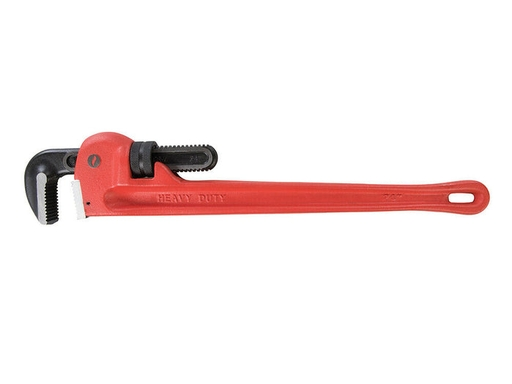
An extra large pipe wrench is a heavy-duty hand tool designed to tighten and loosen large-diameter threaded pipes. The handle length is usually between 36 and 60 inches, and the jaws can hold more than 5 inches of pipe. These industrial-grade wrenches have a lot of torque, which is needed in tough situations like oil and gas operations, public water systems, and heavy building projects where regular tools can't get a good grip on connections for large pipes.
Understanding the Extra Large Pipe Wrench: Definition and Core Uses
What Defines an Extra Large Pipe Wrench?
Heavy-duty pipe wrenches are an important type of industrial hand tool that can be told apart from other tools by their large size and strong construction. Industrial wrenches have handle lengths longer than 18 inches, and professional-grade models have lengths of 48 to 60 inches. This is different from regular wrenches made for home plumbing. Most of the time, the jaws can open up to 8 inches, which is big enough to fit steel, ductile iron, and PVC pipes that are popular in infrastructure projects.
The basic design includes a floating hook jaw mechanism that makes the wedging action stronger as the torque rises. This self-tightening concept stops slippage during high-force applications, which is a big problem when working in the field with pipes that are weathered or covered in mud.
Primary Industrial Applications
In a number of high-stress situations, these strong tools are essential. They are used by maintenance crews in oil and gas drilling to set up and break out drill strings and big surface casing connections on the rig floors. The tools have to work regularly in places that are dirty with drilling mud and salt spray, and they have to be able to hold on to pipes that are bigger than 6 inches in diameter.
Utility workers in cities count on these wrenches to install and fix large-diameter water mains and steam lines in an emergency. Because of the mechanical edge, technicians can turn heavy valves and threaded couplings in tough places where hydraulic equipment can't go, like wet trenches or small underground spaces.
They are used in chemical processing plants and mines to keep slurry transport lines and hydraulic units in good shape when corrosion causes joints to seize up. Being able to apply a lot of force by hand is especially useful in places where explosions are likely and powered tools would be dangerous or impossible to use because of logistics.
Material Composition and Technical Specifications
The quality of manufacturing has a direct effect on how well tools work and how safe workers are. Most of the time, the handle body is made of high-tensile ductile iron or an industrial-grade aluminium alloy. Aluminium versions are about 40% lighter while still being strong. This weight consideration makes it much less likely for operators to get tired when working overhead or for long amounts of time.
After being forged from chrome molybdenum or chrome vanadium alloy steel that has been strengthened, the hook and heel jaws go through a differential heat treatment. The teeth reach Rockwell Hardness levels of 55–60 HRC, which makes sure they bite well into steel pipes. The shank, on the other hand, stays at 40–45 HRC to handle shear stress without breaking.
I-beam handle cross-sections are used in more advanced designs to increase bending resistance while reducing total weight. Self-cleaning threads on the hook jaw keep mud from building up, so the adjustment works even when the field is dirty. Meeting government standards like GGG-W-651 Type II Class A and ANSI B107 makes sure that tools can handle torque levels that are often higher than 3,000 foot-pounds without breaking.
How to Use an Extra Large Pipe Wrench Safely and Effectively?
Proper Operating Techniques
Correctly adjusting the jaws is the most important part of using a extra large pipe wrench well. Place the hook jaw around the pipe and then turn the knurled adjustment nut to snugly fit the jaws against the pipe surface without making them too tight. When force is applied, the floating mouth needs a little room to move and bite properly. Place the wrench so that when you turn it in the way you want, the jaw will tighten its grip instead of loosening it.
Pull the handle toward you instead of pushing it away to use force. This method gives you more control and lowers the chance of getting hurt if the wrench slips. Place yourself so that you can push with your legs instead of just your arms for the most force. Apply penetrating oil to badly seized connections and let them soak for a long enough time before trying to remove them.
Safety Protocols and Personal Protection
Understanding possible dangers keeps people from getting hurt on the job. During adjustment, pinch points between the jaw and the handle can crush your fingers, so keep your hands away from moving parts. When suddenly seized connections are released, the tool can swing violently, which could hit the user or people nearby.
Make sure you have the right safety gear on, like steel-toed boots, leather work gloves, and safety glasses. Check the work area for steady footing. This is especially important because of the large forces that will be used. Make sure the wrench handle's swing radius is clear so it doesn't hit anything or anyone. Before you try to add anything to a pressurised system, make sure that the system is properly isolated and depressurised.
Maintenance and Longevity Practices
Regular repair keeps tools working well and extends their life. Clean the teeth with a wire brush after each use to get rid of dirt, mud, and metal pieces that could make it hard to grip. Check the teeth in your mouth for cracks or flattening. Teeth that are worn down more than 20% should be replaced because they make it harder to hold on to things.
Heavy machine oil should be used to coat the adjustment nut and threads well so that they work smoothly and don't seize up. Keep tools in dry places and use a rust inhibitor on steel surfaces that haven't been painted when it's wet outside. Check the handle for cracks on a regular basis, especially where stress is concentrated at the jaw mounting. If the handle bends or the jaw shank warps, it means the tool is too heavy and should be taken out of service to avoid a catastrophic failure.
Procurement Guide: Selecting the Right Extra Large Pipe Wrench for Your Operations
Critical Selection Criteria
Your original selection criteria should be based on how much torque you need. Figure out how much torque is needed based on the diameter of the pipe, the state of the threads, and the type of seizing that usually happens in your work. It is better to make sure that the large pipe wrench you choose have enough capacity with a safety cushion than to use them at full capacity, which speeds up wear and increases the chance of failure.
The jaw hole size must be big enough to fit the biggest pipes you have on hand, with room to spare. Think about not only the nominal pipe width, but also the extra space that is needed for insulation, protective coatings, or surfaces that are wearing down. The range of the adjustable jaws affects how versatile the tool is. Wider ranges mean you don't need as many different wrench sizes.
How a material is made affects both how well it works and how long it lasts. When heat treated correctly, alloy steel teeth have the right amount of hardness to balance grip strength and brittleness. Cast iron handles are known to last a long time and aren't too expensive. Aluminium handles are better for jobs that need to move tools around a lot or for overhead work where the extra weight explains the higher price.
Budget and Value Analysis
Most entry-level heavy-duty wrenches are priced in the middle to upper range, making them good for rare use or situations where money is tight. These tools work well enough, but they might not have extra features like ergonomic handle finishes or precise adjustment mechanisms. Better heat treatment methods and better corrosion protection are included in mid-range choices that are good enough for regular professional use.
Although they cost more, premium-level wrenches are clearly better in tough situations. Better metalwork makes things last longer, so they don't need to be replaced as often. Even when the field is dirty, the finely tuned adjustment systems keep the machine running smoothly. Surface treatments that are better make them less likely to rust in chemical or marine settings. When figuring out the real cost, you need to take into account the expected service life, the guarantee, and the costs of downtime caused by broken tools.
Sourcing and Supplier Evaluation
Buying from authorised distributors makes sure that the product is real and that the warranty is still good. Industrial supply houses that have been around for a while keep ties with trustworthy manufacturers and can check the origin of tools. Online business-to-business (B2B) sites are convenient and offer low prices, but suppliers need to be carefully checked out to avoid selling fake or low-quality goods.
Businesses that need to buy a lot of units or keep tool cribs in good shape at various sites can benefit from buying in bulk. Discounts for buying in bulk lower the cost per unit, and buying sets of tools makes sure that the quality of all of your goods is the same. Some makers let you make changes, like using laser engraving to keep track of your assets or changing the coatings on the handles to meet the needs of different environments.
Look at what the seller can do besides just pricing Products" target="_blank" style="color:blue" >products. The relationship with the supplier is more valuable when they offer technical help for choosing the right tools, fast shipping for replacements that need to be sent right away, and flexible payment terms for big orders. When tool failures threaten project schedules, it's very important for suppliers to keep a lot of inventory on hand to cut down on wait times.
Common Challenges and Practical Solutions
Jaw Slippage Issues
Slippage during high-torque applications represents the most frequent complaint with heavy-duty large pipe wrenches. This problem typically stems from worn jaw teeth, incorrect jaw adjustment, or attempting to use undersized tools on oversized pipes. Worn teeth lose their sharp edges, reducing bite into the pipe surface and allowing rotation under load.
Addressing slippage begins with proper jaw maintenance. Replace jaws when teeth show significant wear rather than attempting to continue service. Ensure correct jaw adjustment—jaws should contact the pipe firmly but the hook jaw must retain slight play allowing it to pivot and bite as torque increases. Position the wrench so applied force causes the jaw to tighten rather than loosen.
Adjustment Mechanism Failures
The threaded adjustment connecting the hook jaw to the handle experiences substantial stress and contamination exposure. Threads filled with hardened mud, concrete residue, or corrosion products prevent smooth adjustment, rendering the tool difficult or impossible to size properly. Cross-threading during hasty adjustments damages threads, accelerating deterioration.
Preventive maintenance mitigates these issues effectively. Clean threads thoroughly after each use, particularly following work in muddy or dusty conditions. Apply appropriate lubricant regularly, using heavy machine oil or anti-seize compound depending on operating environment. Avoid forcing adjustments against resistance, which indicates contamination requiring cleaning rather than increased force.
Handle Structural Concerns
Handle bending or cracking occurs when tools undergo forces exceeding design limits. This typically results from using "cheater bars"—pipe extensions added to the handle for increased leverage. While this practice does multiply applied torque, it also multiplies stress on the handle structure, often leading to sudden catastrophic failure presenting serious injury risks.
When standard wrenches prove inadequate, select larger models providing greater mechanical advantage through increased handle length rather than improvising extensions. Modern designs incorporate I-beam handle cross-sections optimizing strength-to-weight ratios, but even these have limits. Conduct regular visual inspections checking for cracks, particularly near the jaw mounting area where stress concentrates. Any handle showing deformation or cracking should be immediately removed from service.
Conclusion
Heavy-duty pipe wrenches designed for large-diameter applications remain essential tools across industrial sectors including oil and gas, municipal infrastructure, construction, and manufacturing. Their ability to deliver substantial torque through mechanical advantage while providing secure grip on oversized pipes makes them irreplaceable in many field conditions where powered alternatives prove impractical. Understanding proper selection criteria, operating techniques, and maintenance requirements ensures these tools deliver reliable performance throughout their service life. Quality construction featuring heat-treated alloy steel jaws and reinforced handles distinguishes professional-grade tools capable of withstanding demanding industrial applications. Procurement decisions balancing initial cost against long-term reliability and safety considerations yield optimal value for operations requiring dependable heavy-duty pipe working capabilities.
FAQ
What distinguishes aluminum from cast iron extra large pipe wrenches?
Aluminum models reduce weight by approximately 40% compared to ductile iron construction, significantly decreasing operator fatigue during overhead applications or when carrying tools across job sites. Despite lighter weight, properly engineered aluminum wrenches maintain comparable torque capacity through advanced alloy formulations and structural design optimization. The primary trade-off involves higher initial cost for aluminum variants, though this premium often proves worthwhile in applications requiring frequent tool repositioning or extended manual handling periods.
When should I replace worn wrench jaws?
Jaw replacement becomes necessary when teeth show flattening or chipping exceeding 20% of original height, or when the hook jaw shank displays visible bending or distortion. Worn teeth compromise grip security, increasing slippage risk during high-torque applications and potentially causing dangerous sudden releases. Regular inspection of jaw condition should occur weekly in heavy-use environments, with any signs of significant wear triggering immediate replacement to maintain safe operational standards and prevent costly pipe damage from slipping tools.
Partner with FLA Industrial & Trading Co., Ltd. for Premium Extra Large Pipe Wrench Solutions
Our company brings nearly four decades of manufacturing excellence to industrial tool production, specializing in heavy-duty pipe wrenches engineered for demanding professional applications. As an established extra large pipe wrench manufacturer, we combine advanced forging, precision machining, and specialized heat treatment processes to deliver tools meeting rigorous ISO9001 and CE certification standards. Our product line features adjustable jaw mechanisms, ergonomic straight-handle designs, and superior material construction using high-grade alloy steel and cast iron for maximum durability under heavy-use conditions. Trusted by Fortune Global 500 partners across North America, Europe, and Australia, we offer competitive pricing, customization capabilities, and responsive technical support. Contact our team at sales@flaindustrial.com to discuss your specific requirements and request detailed quotations for bulk orders or OEM partnerships.
References
American National Standards Institute. (2019). ANSI B107 Hand Tools Specifications for Pipe Wrenches. ANSI Standards Publications.
Federal Specifications Board. (2021). GGG-W-651 Type II Class A Heavy Duty Pipe Wrench Requirements. U.S. General Services Administration.
Industrial Safety Equipment Association. (2020). Best Practices for Hand Tool Selection and Maintenance in Industrial Environments. ISEA Technical Guidelines.
National Institute for Occupational Safety and Health. (2018). Preventing Injuries from Hand Tools in Construction and Manufacturing. NIOSH Publication Series.
Machinery's Handbook Editorial Board. (2022). Torque Requirements and Mechanical Advantage Calculations for Threaded Pipe Connections. Industrial Press Inc.
Society of Manufacturing Engineers. (2020). Heat Treatment Processes for Tool Steel Applications: Achieving Optimal Hardness and Durability. SME Technical Papers Collection.