What is Mech Grooved Fitting Used For?
2026-06-04 09:42:50


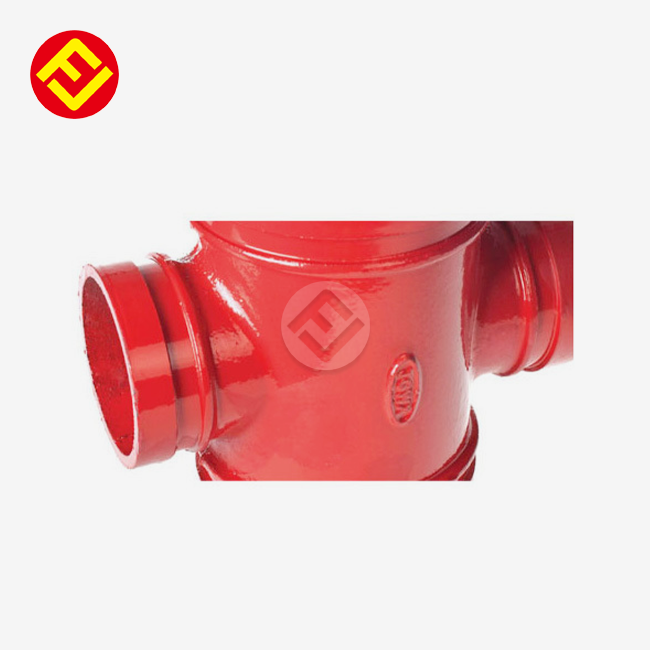
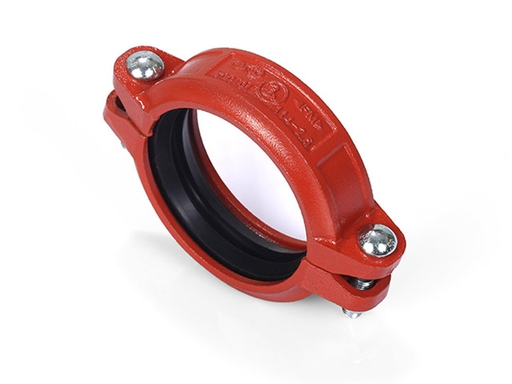
Mech grooved fittings are high-tech mechanical pipe connectors that utilize a notched coupling gadget to interface two pipe frameworks. These parts are more often than not made from bendable press or carbon steel. They do not require to be welded or strung since the pipe conclusion has a cold-formed groove that fits into a lodging and gasket framework. Fire sprinkler frameworks, HVAC foundation, water supply systems, and mechanical prepare channeling are a few of the major employments. These are all ranges where fast establishment, framework adaptability, and simple upkeep are imperative for running the commerce.
Understanding Mech Grooved Fittings and Their Applications
Core Design Principles and Component Types
Mechanical furrowed fittings have a three-part gathering strategy that makes joints that are secure and won't break beneath weight without utilizing lasting associations. A circular groove is machined or rolled out close the pipe conclusion, and at that point a flexible gasket is set around the pipe joint. At long last, jolts are utilized to secure a two-piece coupling lodging in put. This plan makes a part of closing focuses whereas still letting the framework be adaptable.
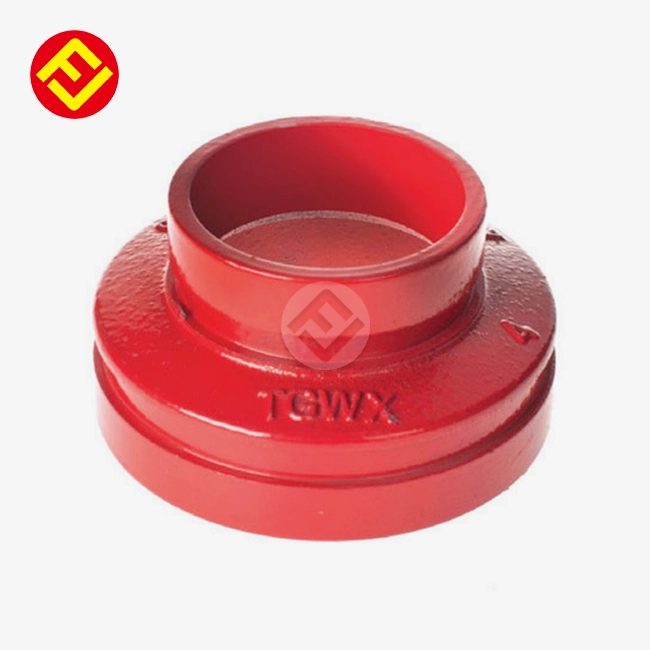
Unbending couplings halt precise development, adaptable couplings permit for warm extension and seismic movement, and diverse connector fittings like elbows, tees, reducers, and spine connectors are common combinations. Each sort of component is planned to meet the needs of a specific framework. Unbending forms are as a rule utilized for straight runs and associations between settled pieces of gear, whereas adaptable adaptations can handle energetic loads and auxiliary development. Chemical compatibility and benefit life are straightforwardly influenced by the choice of gasket fabric. For case, EPDM is great for water benefit, Nitrile is great for oil items, and Silicone is great for tall temperatures.
Industrial Application Contexts
Fire safety systems are where grooved piping technology is most commonly used. Building rules all over the US are favouring these systems more and more because they don't require hot work permits, take about half as long to install as welded connections, and have unions at every joint that can be used to make changes to the system. Manufacturers who have UL and FM certifications make sure that their automatic sprinkler systems meet NFPA 13 guidelines.
The vibration-isolating properties of flexible grooved couplings make them useful for HVAC and plumbing infrastructure uses. These fittings are used in chilled water loops, heating systems and domestic water distribution in commercial buildings, hospitals and schools where noise transmission and thermal stress control are very important. When you can take joints apart and put them back together without cutting pipe, repair costs and system downtime during equipment upgrades go down by a lot.
Mechanical grooved fittings are used in industrial processes like mining, oil and gas, and chemical processing because they can handle ground settlement, machine vibration, and the need to be set up quickly. In these conditions, coatings that don't rust, like hot-dip galvanisation or epoxy finishes, are needed. The materials chosen are usually carbon steel for the corrosive media or high-strength ductile iron that meets ASTM A536 Grade 65-45-12 standards for structural stability.
Benefits of Using Mech Grooved Fittings in Piping Systems
Installation Efficiency and Economic Advantages
The elimination of welding, threading, and flanging processes directly leads to lower labour costs and faster project schedules. Using simple hand tools, installation crews can make grooved connections in minutes instead of hours, and they don't need any special welding training to do it. This speed edge grows when working on big projects with thousands of joints, which adds up to big savings over time.
The lower skill level needs and easier logistics are especially liked by project managers. Welded systems need certified welders, a lot of air flow, fire watchers, and a check after the weld. Grooved installations, on the other hand, can be done by regular pipe fitters using torque wrenches and alignment tools. The visual "metal-to-metal" inspection of the coupling pad confirms the installation right away, so there's no need for expensive radiographic testing or pressure decay methods.
Material efficiency also helps the economy by cutting down on waste and making it easier to keep track of supplies. Total fixed costs are lower because coupling parts can be used again and again when the system is changed, consumables like welding electrodes and gases are not needed, and less pipe preparation is needed. Distributors and contractors working on multiple jobs at the same time can save even more money by buying standard coupling sizes in bulk.
System Reliability and Safety Enhancements
The mechanical joint design automatically adjusts to pipe movement caused by temperature changes, ground settlement, and structure deflection, all without affecting the integrity of the seal. This flexibility keeps stress from building up at stiff connection points, which is what usually leads to early failure in welded systems that are loaded and unloaded repeatedly. The gasket compression mechanism keeps the sealing force even when the pressure and temperature change. Joints that are properly placed usually last for decades without leaking.
Standard grooved fittings can handle working pressures of up to 300 PSI, and speciality high-pressure variants can handle 500 PSI or more. This means that their pressure handling skills are on par with or better than those of traditional connection methods. The form of the coupling spreads loads around the pipe circumferentially instead of putting stress on the threaded roots or weld heat-affected areas. This makes the fatigue resistance better. Before shipping, quality control is done by hydrostatic testing at 150% of the maximum pressure.
Seismic resistance is a very important safety benefit in places where earthquakes are common. Building rules in California and other high-risk areas specifically recognise that flexible grooved systems work better than rigid systems because they can handle structural movement that would break rigid pipe connections. Controlled angular deflection, which is usually between 3 and 5 degrees per joint, lets piping systems bend with building structures instead of sticking out in the way of movement. This keeps the fire protection system working properly when it means the most.
How to Choose the Right Mech Grooved Fitting for Your Project?
Defining System Parameters and Environmental Conditions
To choose the right product, you must first clearly write down the operating conditions and performance standards. Working pressure is the basic requirement. Most water-based systems can work well within standard 300 PSI ratings, but higher pressure capabilities may need to be confirmed for industrial process uses. Temperature extremes influence both housing material selection and gasket compound specification, with EPDM gaskets serving reliably from -30°F to 230°F for aqueous media.
Material of the pipe and wall thickness decide how well grooves fit together and what kind of machining is needed. Roll-formed grooves are usually used for Schedule 10 and Schedule 40 steel pipes. Thicker wall schedules and stainless steel pipes, on the other hand, need cut grooves to keep their strength. To make sure the coupling engages properly and the seal is compressed, the groove size must meet ANSI/AWWA C606 guidelines. System builders should make sure that the pipe schedules they are given allow for enough material thickness for grooving without lowering the pressure ratings.
When using process pipes, it's important to pay close attention to chemical compatibility. Most public water and fire protection services can be handled by ductile iron housings with epoxy coatings. However, housings made of stainless steel or special gasket materials may be needed for areas that are exposed to harsh chemicals, high chloride levels, or extreme pH levels. Costly field failures caused by choosing materials that don't work well together can be avoided by talking to materials experts or manufacturer technical support teams.
Evaluating Manufacturers and Quality Standards
The grooved fitting market includes established global manufacturers with decades of engineering expertise alongside newer entrants offering competitive pricing. Procurement managers should prioritize suppliers holding relevant certifications such as UL/FM listings for fire protection components, ISO9001 quality management systems, and third-party testing documentation validating pressure ratings and material specifications. These certifications provide objective evidence of manufacturing consistency and product reliability.
Technical support capabilities significantly impact project success, particularly for complex installations or custom applications. Manufacturers offering responsive engineering assistance, CAD design tools, and application-specific documentation streamline specification processes and reduce installation errors. The availability of technical training programs for installation crews and distributors demonstrates manufacturer commitment to proper system performance beyond product sales.
Supply chain reliability becomes paramount when project schedules demand predictable delivery timelines. Established manufacturers maintain broad distribution networks and adequate inventory depths to support both routine replenishment and emergency requirements. The ability to provide sample Products" target="_blank" style="color:blue" >products for evaluation before committing to large orders allows hands-on verification of dimensional accuracy, finish quality, and compatibility with existing system components.
Balancing Cost, Quality, and Procurement Strategies
Material selection directly influences pricing structures, with painted ductile iron representing the most economical option for protected indoor installations, while galvanized or epoxy-coated variants command premiums justified by corrosion resistance in aggressive environments. Size scaling follows predictable patterns, with large-diameter mechanical grooved fittings carrying disproportionately higher costs due to material quantities, machining complexity, and specialized handling requirements.
Bulk purchasing agreements offer significant cost advantages for distributors, contractors, and facility managers with ongoing requirements. Manufacturers typically structure volume discounts around standardized size ranges and finish specifications, rewarding commitment to specific product lines with preferential pricing and reduced minimum order quantities. Strategic inventory positioning of commonly used sizes enables rapid response to project opportunities while capitalizing on volume economics.
Lead time management requires understanding the distinction between stock products and manufactured-to-order items. Standard coupling sizes in common finishes generally ship within days from regional distribution centers, while specialized sizes, custom materials, or unique configurations may require weeks for production and delivery. Planning procurement activities around realistic lead times prevents costly project delays and emergency expediting charges that erode budget margins.
Installation and Maintenance Guide for Mech Grooved Fittings
Step-by-Step Installation Process
Proper installation begins with pipe preparation, ensuring cut ends are square, burrs are removed, and the pipe exterior is clean and free from contaminants that could compromise gasket sealing. The groove itself must be inspected for dimensional accuracy, with depth, width, and distance from pipe end verified against ANSI/AWWA C606 specifications using simple go/no-go gauges. Any groove damage from handling or storage requires correction before proceeding with assembly.
Gasket positioning represents the critical sealing step, with the elastomeric ring centered over the joint and seated fully into both pipe grooves before coupling installation. Workers should verify that gasket design matches the coupling style—certain manufacturers use keyed gaskets that align with coupling features to prevent rotation during assembly. Lubrication of gasket surfaces with manufacturer-approved compounds facilitates proper seating and prevents gasket damage during coupling installation.
Coupling assembly proceeds by positioning housing segments around the gasket, engaging the groove with coupling keys, and installing bolts finger-tight before systematic torque application. The bolt tightening sequence follows a star pattern, alternating between bolts to ensure even gasket compression and housing alignment. The final torque specification varies by coupling size and manufacturer, typically ranging from 45 ft-lbs for small diameters to 75 ft-lbs for larger sizes. The completion indicator is visible metal-to-metal contact between coupling bolt pads, confirming proper gasket compression and joint integrity.
Troubleshooting and Preventive Maintenance
Leakage at grooved joints typically indicates installation issues rather than product defects. Common causes include inadequate bolt torque, misaligned pipe ends creating uneven gasket compression, damaged or incorrectly sized gaskets, and groove dimensions outside specification tolerances. Remediation involves draining and depressurizing the system section, disassembling the joint, inspecting all components, replacing damaged elements, and reassembling with careful attention to proper procedures.
System vibration and noise transmission sometimes occur when flexible couplings are incorrectly specified where rigid couplings are appropriate, or when insufficient pipe supports allow excessive movement. Vibration isolation applications require proper system design with flexible couplings positioned strategically to decouple equipment from piping while maintaining adequate support spacing. Consulting manufacturer engineering guidelines ensures optimal placement and prevents performance issues.
Routine inspection programs should include visual examination of coupling housings for corrosion, coating degradation, or mechanical damage, verification that bolt torque remains within specification, and monitoring for any visible leakage or staining indicating gasket deterioration. Most properly installed grooved systems require minimal maintenance beyond these periodic checks, with gasket service life typically matching or exceeding piping system longevity when operated within design parameters.
Procurement Insights and Ordering Tips for Mech Grooved Fittings
Supplier Evaluation and Quality Assurance
Distributor selection should emphasize technical competence alongside pricing competitiveness. The best supply partners maintain engineering staff capable of assisting with product selection, providing application guidance, and troubleshooting field issues. They stock comprehensive size ranges, maintain relationships with multiple manufacturers to offer product options, and operate efficiently to minimize lead times and delivery costs.
Certification documentation validates product compliance with industry standards and project specifications. Procurement managers should request material test reports confirming ductile iron composition and mechanical properties, pressure test certificates demonstrating hydrostatic performance, and dimensional inspection records verifying conformance to ANSI/AWWA C606 groove standards. Third-party certification marks such as UL, FM, or VdS provide additional assurance for fire protection applications.
Sample evaluation before large-order commitment protects against dimensional incompatibilities, finish quality issues, or performance concerns. Requesting representative samples allows physical inspection of coating uniformity, dimensional verification using project pipe, and mock assembly to confirm proper fit and function. This relatively small investment prevents costly field problems when thousands of mech grooved fittings arrive on-site and prove incompatible with installed piping.
Understanding Pricing Structures and Negotiation Strategies
Material cost represents the largest component of fitting pricing, with ductile iron commodity pricing, coating processes, and gasket compound specifications all influencing manufacturer costs and, consequently, market pricing. Understanding these fundamental cost drivers enables realistic budget development and recognition of unsustainably low pricing that may indicate quality compromises or supply chain risks.
Volume commitments unlock preferential pricing tiers, with manufacturers and distributors offering structured discounts based on order quantities, annual purchase agreements, or multi-project partnerships. Hardware distributors and contractors with predictable, ongoing requirements should explore blanket purchase orders with scheduled releases, balancing inventory carrying costs against volume discount benefits. These arrangements often include price protection against market fluctuations for the agreement duration.
Customization requirements such as non-standard sizes, special materials, or modified designs carry premium pricing reflecting engineering effort, tooling costs, and production complexity. When project specifications demand unique solutions, early engagement with manufacturers during design phases enables value engineering that may achieve required performance through more economical approaches. Clear communication of actual technical requirements versus preference specifications often reveals cost-saving alternatives.
Conclusion
Mechanical grooved fittings have fundamentally transformed piping system installation and maintenance across fire protection, HVAC, plumbing, and industrial applications. Their combination of rapid installation, system flexibility, long-term reliability, and economic advantages addresses critical pain points that procurement managers, engineers, and contractors face in modern construction and infrastructure projects. Understanding the technical fundamentals, application contexts, and strategic procurement considerations outlined in this guide empowers decision-makers to specify appropriate products, select qualified suppliers, and implement systems that deliver optimal performance throughout their service life.
FAQ
What materials are mech grooved fittings made from?
Grooved coupling housings are predominantly manufactured from ductile iron conforming to ASTM A536 Grade 65-45-12, offering excellent strength-to-weight ratio and impact resistance. Carbon steel variants meeting ASTM standards serve specialized applications requiring enhanced corrosion resistance or specific mechanical properties. Gaskets utilize synthetic elastomers including EPDM for water service, Nitrile for petroleum products, and Silicone for high-temperature applications.
Can grooved fittings handle high-pressure fire sprinkler systems?
Quality grooved fittings easily meet fire protection system requirements, with standard products rated for 300 PSI working pressure and specialty high-pressure variants available to 500 PSI or greater. UL and FM certifications specifically validate performance in automatic sprinkler applications. Proper installation following manufacturer guidelines ensures reliable service under both normal operating conditions and emergency flow demands.
How does maintenance compare between grooved and welded fittings?
Grooved systems offer substantial maintenance advantages through accessible unions at every joint, enabling equipment removal, system modifications, and component replacement without cutting and re-welding pipe. Inspection requirements are simpler, with visual examination sufficient to verify joint integrity versus radiographic testing for critical welds. Long-term reliability proves comparable or superior when systems operate within design parameters.
Partner with FLA Industrial & Trading Co., Ltd. for Premium Mech Grooved Fitting Solutions
Our extensive experience manufacturing high-performance grooved coupling systems positions us as your ideal mech grooved fitting supplier for critical infrastructure projects. We maintain rigorous quality standards through ISO9001, CE, and UL/FM certifications, ensuring every product meets international specifications and delivers reliable field performance. Our comprehensive product range spans 1" to 48" diameters in ductile iron and carbon steel, with painted, epoxy-coated, and hot-dip galvanized finish options tailored to your specific environmental conditions.
Contact our technical team at sales@flaindustrial.com to discuss your project requirements, request product samples, and receive detailed quotations within 24-48 hours. We provide complete engineering support from initial design consultation through delivery, with custom solutions available for non-standard applications that standard products cannot accommodate.
References
American Water Works Association. ANSI/AWWA C606: Grooved and Shouldered Joints. Denver: AWWA Standards, 2020.
National Fire Protection Association. NFPA 13: Standard for the Installation of Sprinkler Systems. Quincy: NFPA Publications, 2022.
American Society for Testing and Materials. ASTM A536: Standard Specification for Ductile Iron Castings. West Conshohocken: ASTM International, 2019.
Underwriters Laboratories. UL 213: Standard for Rubber Gasketed Fittings for Fire Protection Service. Northbrook: UL Standards & Engagement, 2021.
Factory Mutual Research Corporation. FM Approval Standard 1680: Couplings Used in Grooved Piping Systems. Johnston: FM Approvals, 2020.
Mechanical Contractors Association of America. Grooved Mechanical Piping Systems: Installation and Maintenance Guide. Rockville: MCAA Technical Publications, 2021.