What Makes Heavy Duty Pump Clamp Suitable for Harsh Environments?
2026-07-21 14:34:30


A busy building site, a water treatment plant, or a city infrastructure project are all examples of demanding industrial settings where equipment failure is not only inconvenient but also costly and risky. Heavy Duty Pump Clamp solutions are unique because they are made to keep connections safe and leak-free even when they are wet, at high or low temperatures, vibrating mechanically, or exposed to substances that eat away at metal. These strong clamping systems are different from regular fasteners because they use better materials, more precise manufacturing, and protective surface treatments to hold pumps securely in place in places where regular hardware just can't. Procurement managers, project engineers, and maintenance supervisors can make smart decisions that protect both equipment investments and the continuity of operations if they know what makes these clamps so good for harsh conditions.

Specification Model |
|||
| Specification Model | Maximum Clamping Distance (mm) | Throat Depth (mm) | Total Length (mm) |
| Spanish-Style Pump Clamp 90x300 | 300 | 90 | 410 |
| Spanish-Style Pump Clamp 90x400 | 400 | 90 | 510 |
| Spanish-Style Pump Clamp 90x500 | 500 | 90 | 610 |
| Spanish-Style Pump Clamp 120x300 | 300 | 120 | 425 |
| Spanish-Style Pump Clamp 120x400 | 400 | 120 | 524 |
| Spanish-Style Pump Clamp 120x500 | 500 | 120 | 623 |
| Spanish-Style Pump Clamp 120x1000 | 1000 | 120 | 1118 |
| Spanish-Style Pump Clamp 120x1500 | 1500 | 120 | 1613 |
| Spanish-Style Pump Clamp 120x2000 | 2000 | 120 | 2108 |
Understanding Heavy Duty Pump Clamps and Their Role in Harsh Environments
Heavy Duty Pump Clamps are very important for keeping water pumps and other fluid transfer equipment safe in a variety of industry settings. These specialised fastening devices are very different from regular clamps in how they are made, how much weight they can hold, and how well they can stand up to the elements. These clamps are mostly made of carbon steel or ductile iron, and they go through precise casting, cutting, and assembly steps to get dimensions and structural stability that regular hardware can't match.
What Defines a Heavy Duty Pump Clamp
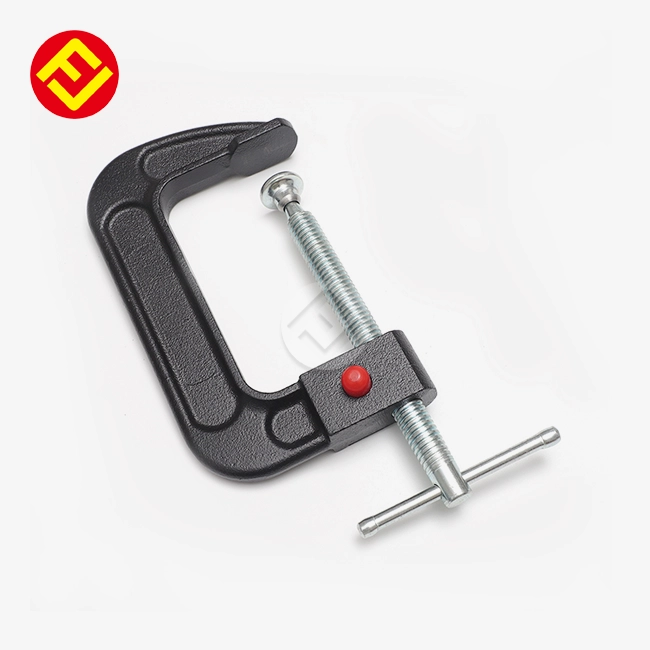
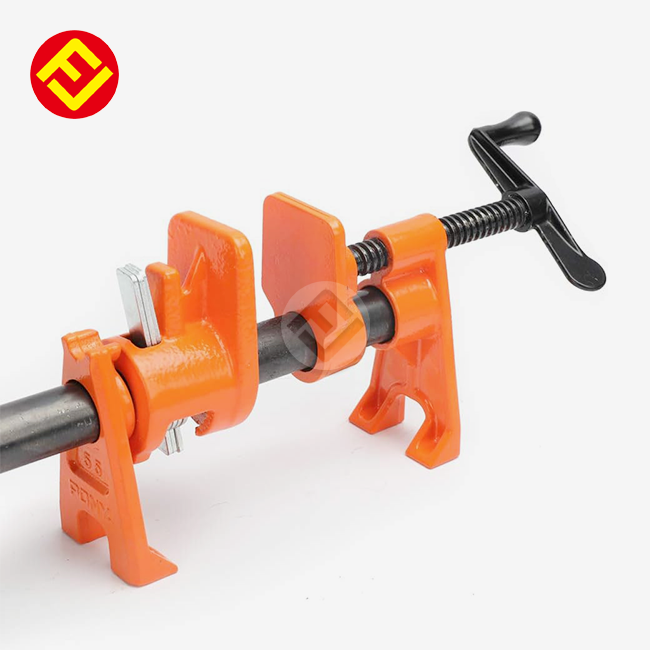
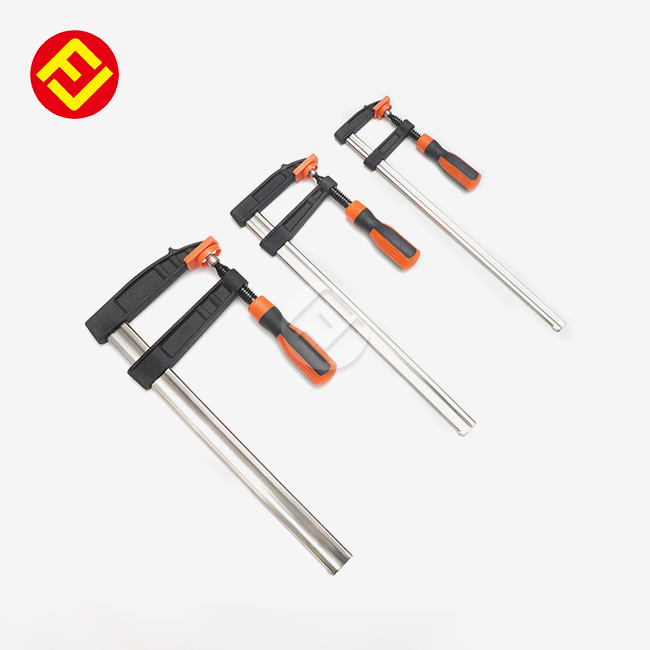
A real Heavy Duty Pump Clamp is made to handle the mechanical pressures and tough conditions that come up in business settings. "Heavy duty" doesn't just mean a big size; it also means meeting certain technical standards for the choice of material, wall thickness, and fastening systems. At FLA Industrial & Trading Co., Ltd., our Spanish-style pump clamps have throat depths of 90mm and 120mm to fit a variety of pump designs. They can clamp up to 2000mm apart. Each unit is built to last, so it can handle the weight of installed equipment, keep its clamping force for long periods of time, and not come away from vibrations.
Common Applications Across Industries
Water treatment plants use these clamps to keep pumps in place during regular maintenance and emergency fixes. This keeps the system from being interrupted. They are used to keep dewatering pumps and concrete pumping equipment stable on construction sites, where they are often exposed to dust, water, and changes in temperature. These clamps make it easy to change out seasonal equipment in agricultural irrigation systems, which is a good thing. Municipal infrastructure projects, especially those that install public water supplies, rely on clamps that are rated correctly to provide safety and security. Industrial factory settings, like places that process chemicals and make food, need clamping solutions that can stand up to both mechanical stress and chemical contact.
Heavy Duty Pump Clamps can be used for a lot of different things, like installing HVAC systems and water systems. Technicians need reliable tools that will always work, even when the job site conditions change. The wide range of uses comes from well-thought-out design elements that deal with real-world problems instead of just meeting basic requirements.
Critical Factors That Enhance Durability and Performance
Heavy Duty Pump Clamps work very well in harsh environments because material science, structural engineering, and surface protection technologies were carefully thought out. All of these things work together to make a product that lasts longer than regular options while still performing well.
Material Selection and Composition
Carbon steel has great tensile strength and fatigue resistance, which makes it perfect for uses where it needs to be loaded and clamped repeatedly. When heat-treated correctly, the material's grain structure becomes hard enough that it doesn't break when it's stressed. Ductile iron is about the same strength as steel, but it is more resistant to impact. This is especially useful in situations where the clamp might get hit by accident or be handled roughly while it is being installed. Both materials can have their surfaces treated well, which lets extra protective layers be added that make them last longer.
At FLA Industrial & Trading Co., Ltd., the manufacturing process starts with material proof. Only approved carbon steel and ductile iron that meet international standards are used in production. This basic quality control step makes sure that every unit made is the same, getting rid of the weak spots that make lower-quality Products" target="_blank" style="color:blue" >products less reliable.
Advanced Surface Protection Systems
Painting and powder coating aren't just choices for looks; they're also very important for protecting metal parts from rust, which would happen in wet or chemically active places. Powder coating is the process of putting dry powder particles electrostatically so that they melt and harden into a uniform layer of protection. This method makes a finish that sticks better, doesn't chip, and is more chemically stable than regular liquid paints. The coating's thickness and how it cures are carefully managed to avoid weak spots where water could get in and start the rusting process.
This protective finish stops rust that would weaken the clamp structure over time in outdoor settings or places with a lot of humidity. The coating's ability to withstand splashes of violent substances is useful in places where chemicals are processed. The finish also makes cleaning and maintaining easier because smooth coated surfaces don't hold on to dirt and grime that speeds up wear and tear.
Structural Engineering for Load Distribution
Our pump clamps have a Spanish-style design that spreads the clamping force evenly across all touch surfaces. This stops stress concentration spots that could damage pumps or make fasteners fail. The throat depth is measured to make sure there is enough space and the structure stays straight. Total length specs make sure that there is enough force for a safe tightening without needing too much power, which could strip threads or deform parts.
Careful cutting gives these clamps precise measurements that allow them to fit perfectly without gaps or misalignments that weaken the binding power. During quality control, load testing is done on each design to make sure it can safely handle the rated working loads, with performance margins that take into account differences in how it is installed and the environment.

Comparing Heavy Duty Pump Clamps with Regular Clamps in Harsh Environments
When you know the difference in performance between Heavy Duty Pump Clamps and regular fastening hardware, you can see why specification is important in professional settings. This comparison helps buying teams show why they should buy good tools that will save them money in the long run.
Strength and Load Capacity Differences
Regular clamps are made of smaller gauge materials and have simpler designs that work best for light-duty tasks and safe home settings. When installed outside or in an environment with a lot of energy, these common units wear out and become loose more quickly. Heavy Duty Pump Clamps have thicker materials and complex shapes that keep them from deforming under long-term loads. The difference is very important when a pump device needs to stay in place for months on end without being adjusted or breaking.
Take the example of a municipal water plant where a pump failure during peak demand times affects thousands of people. Standard clamps might need to be checked and tightened once a week, which would require maintenance work and pose the risk of opening up between checks. Heavy Duty Pump Clamps keep their holding power even when they are vibrating or changing temperatures. This means that inspections are done less often and unplanned downtime due to fixing failure is almost never an issue.
Corrosion Resistance and Environmental Durability
Standard clamps that aren't coated or finished very well start to rust within weeks of being exposed to water. This is especially true in coastal areas with salty air or chemical plants with corrosive air. Surface rust not only weakens the metal structure but also gets in the way of threaded adjustments, making it hard or impossible to service the clamp in the long run. The thorough surface treatment that is put on Heavy Duty Pump Clamps blocks moisture and stops rust from starting. This protection is necessary for places that use chemical splash or washdown processes to get a good service life.
These differences are very clear in agricultural irrigation systems that work in warm areas and store water seasonally. When standard clamps are taken off after one growing season, they often show a lot of corrosion and need to be replaced. Heavy Duty Pump Clamps that have the right surface protection can be used through multiple seasons, which protects the investment in the clamp and cuts down on the labour costs that come with replacing them often.
Total Cost of Ownership Analysis
Heavy Duty Pump Clamps cost more to buy at first than standard options, but a full ownership cost analysis shows that they are much more cost-effective in the long run. Maintenance costs go down because of longer service times and fewer adjustments that need to be made. The number of replacements drops by a huge amount, which saves money on both the parts and the labour needed to take them off and put them back on. Unplanned downtime, which is often the highest hidden cost in business, doesn't happen very often when equipment is properly secured for its whole life.
Procurement managers should figure out how much each clamp will cost each year, taking into account the purchase price, the estimated cost of maintenance labour, how often the clamp needs to be replaced, and any possible downtime costs. This study always recommends heavy-duty options for situations where they will be used continuously, installed outside, or are in harsh conditions.
Installation and Usage Best Practices for Harsh Environments
Even the best Heavy Duty Pump Clamp will only work at its best if it is installed and maintained correctly. By following proven best practices, you can get the most out of your high-quality tools and protect your operational investment.
Proper Installation Procedures
First, make sure that the clamp size fits your pump by comparing the maximum clamping distance and throat depth to the manufacturer's instructions. Before installation, make sure that all contact surfaces are clean and free of any dirt, oil, or corrosion that could make clamping less secure. Place the clamp so that the forces are spread out evenly. Do not put it over any pump fixing points or weak spots that could bend under pressure.
Instead of fully tightening one side before the other, slowly tighten the pins in a cross-pattern. This method makes sure that the pressure is spread out evenly and stops the clamp from tilting. Even though the exact force needed depends on the size of the clamp, don't tighten it too much because it can damage protective coatings or bend parts. Most of the time, hand tools are strong enough. Impact wrenches, on the other hand, often have more torque than is safe for these uses.
Environmental Considerations and Adjustments
Both the materials used in the pump and the binding gear are affected by changes in temperature. In cold places, wait until the equipment reaches room temperature before tightening it all the way. This is because materials shrink when they cool down. In hot places, parts may need to be retightened after the first heat cycling because they expand and contract. During the first few weeks of operation, high-vibration uses should be checked on a regular basis to make sure that the holding force is still enough.
When there is chemical contact, you need to make sure that the protective finish is compatible with the substances in your building. Surfaces that are sprayed or powder-coated are resistant to most industrial chemicals, but surfaces that come into direct contact with strong acids or bases should be checked. If you live near the coast or somewhere with a lot of humidity, you might want to add more corrosion inhibitor to threaded parts before installing them to make future use easier.
Maintenance and Inspection Protocols
Set up a schedule for inspections that takes into account your working surroundings and the severity of the application. For installations outside in harsh weather, visual checks should be done once a month. For protected indoor installations, checks should be done every three months. When you check something, look for signs of damage to the paint, rust, or fasteners coming loose. Make sure the clamp stays in place and hasn't moved because of vibrations in the equipment.
If the clamp needs to be taken off for service, check all of its parts for damage or wear before putting it back on. Any unit that has structural deformation, significant coating loss, or thread damage should be replaced. Threaded screws should be cleaned and oiled properly to keep them from sticking and to make sure they are tightened correctly when they are put back together. Keeping detailed service records helps find trends that could mean that installation methods or inspection times need to be changed.

Choosing the Right Heavy Duty Pump Clamp Supplier and Product
Not only does choosing the right provider affect the quality of the products they provide, such as Heavy Duty Pump Clamp solutions, but it also affects the technical support, shipping efficiency, and long-term relationship value that your business depends on. When evaluating vendors, there are a number of things that need to be carefully thought through.
Certifications and Quality Management Systems
Having ISO9001 certification shows that a supplier is dedicated to using consistent quality management methods in all areas of their business. This widely accepted standard calls for written processes, regular checks, and efforts to keep things better, all of which directly improve the dependability of the product. Our ISO9001 certification shows that FLA Industrial & Trading Co., Ltd. has been making high-quality hardware tools and industrial parts for almost 40 years. This certification isn't just paperwork; it's a method for controlling quality from checking the raw materials to doing the final review.
Technical Support and Customization Capabilities
Complex industrial projects often need setups or features that aren't standard. Custom manufacturing services from suppliers give you solutions that are made to your exact needs instead of forcing you to make compromises with off-the-shelf products. Being able to change throat lengths, clamping distances, or add certain fastening features can make the difference between a solution that works and one that does its job perfectly.
How quickly technical support responds affects both project timelines and the speed with which problems are solved. Suppliers who answer questions within 24 to 48 hours and give clear technical information help your team make quick, well-informed choices. Having access to engineering knowledge during the specification phase keeps mistakes from being costly and makes sure that the products chosen exactly meet the needs of the application.
Inventory and Delivery Performance
Having a lot of standard goods in stock makes it possible to send them quickly, which is very important when project deadlines dictate when to buy things or when replacements are needed right away. FLA Industrial & Trading Co., Ltd. keeps more than 2,000 tonnes of stock on hand, so types that are often ordered can be sent out right away. For unique setups, orders are finished within 7–15 days thanks to efficient production processes that keep project delays to a minimum.
Flexible order minimums let you buy small amounts for replacements or large amounts for projects without charging smaller buyers more. This way of doing things builds long-term relationships built on reliable service rather than the size of the deal. Clear communication during the whole order process, with real-time updates on production, gives procurement teams the information they need to plan installations and keep the project moving forward. Picking the right Heavy Duty Pump Clamp seller has a direct effect on how well your business runs and how much it costs to maintain over time.
Conclusion
Heavy Duty Pump Clamps are strong enough to work in tough settings because they are made with protective coatings on the outside and are carefully crafted, which is something that regular clamps can't do. The structure is made of carbon steel and malleable iron, which gives it the strength to keep the binding force stable even when the temperature changes and there is mechanical stress. Paints and powder coatings protect metal from chemicals and water that would quickly break down metal that isn't protected. By installing it correctly, following best practices, and working with experienced suppliers like FLA Industrial & Trading Co., Ltd., you can be sure that these benefits will translate into long-lasting performance, lower maintenance costs, and the ability to keep running in even the toughest industrial settings.
FAQ
What material is best for pump clamps in corrosive environments?
For most commercial uses, carbon steel with a high-quality powder finish is very resistant to corrosion. The coating blocks moisture, which stops rust from starting. Ductile iron provides similar security while being more resistant to pressure. When finished properly, both materials work well. The choice of material is usually based on the load requirements and installation conditions, not just on how resistant it is to corrosion.
How often do I need to check the pump clamps on outdoor installations?
Outdoor projects that are open to the weather should be inspected visually once a month, especially during the first year they are used. Check to see if the finish is damaged, rust is forming, and the fasteners are tight. Once you know how well something is working at a baseline, you can increase the time between inspections to every three months. However, high-vibration uses need to be checked more often, no matter what the setting is like.
Can I reuse a pump clamp after removing it?
Yes, as long as the clamp doesn't have any major damage to its structure, coating loss, or thread wear. Carefully check all of the parts before putting them back together. Clean the surfaces that will be touching and use the right lubricant on the fasteners. If a clamp is deformed or has a lot of rust on it, it needs to be replaced because the weak structure poses safety risks and affects performance.
Partner with FLA Industrial & Trading Co., Ltd. for Reliable Pump Clamping Solutions
Picking the right Heavy Duty Pump Clamp seller has a direct effect on how well your business runs and how much it costs to maintain over time. FLA Industrial & Trading Co., Ltd. has been making high-quality products for almost 40 years. Their products combine proven engineering with helpful customer service that helps your project succeed. Our Spanish-style pump clamps are made with precision, have protective finishes made just for tough industrial settings, and are managed with quality management that is ISO9001-certified. We efficiently meet both urgent and specific needs thanks to our large inventory of over 2,000 tonnes and our ability to manufacture to order and deliver within 7 to 15 days. Contact our team at sales@flaindustrial.com to talk about your pump fixation problems, get more information, or place an order with a Heavy Duty Pump Clamp maker you can trust to help you run your business better.
References
1. Anderson, M.J. (2021). Industrial Fastening Systems: Design and Application in Harsh Environments. Technical Press International.
2. Chen, L. & Rodriguez, P. (2022). Corrosion Protection Methods for Carbon Steel Components in Industrial Applications. Journal of Materials Engineering and Performance, Vol. 31, Issue 8.
3. Industrial Equipment Standards Committee (2023). Guidelines for Pump Installation and Maintenance in Municipal Water Systems. American Water Works Association Publications.
4. Morrison, K.T. (2020). Comparative Analysis of Clamping Technologies for Fluid Transfer Equipment. International Journal of Mechanical Engineering Applications, Vol. 14, Issue 3.
5. Peterson, R.D. & Liu, H. (2022). Surface Treatment Technologies for Enhanced Equipment Durability. Manufacturing Technology Review, Vol. 29, Issue 2.
6. Williams, J.S. (2023). Total Cost of Ownership in Industrial Procurement: A Practical Guide for Equipment Managers. Industrial Press, New York.