What Type of Mech Grooved Fitting Is Right for You?
2026-06-11 14:20:03


The right mech grooved fitting for your needs will depend on the working conditions, system design, and the needs of the application. When working with fire safety systems that need to be set up quickly and have UL/FM certification, rigid connections with 300 PSI EPDM gaskets are usually the best choice. Flexible grooved couplings made from ductile iron allow controlled movement while keeping the integrity of the seal in HVAC systems that are likely to expand and shake. Hot-dip galvanized or epoxy-coated fittings work best with chemically compatible gaskets like Nitrile in industrial water systems that deal with corrosive fluids. To make sure that your piping network is safe and lasts a long time, you should choose something that takes into account pressure levels, temperature ranges, material compatibility, and compliance standards.

Understanding Mech Grooved Fittings: Key Types and Applications
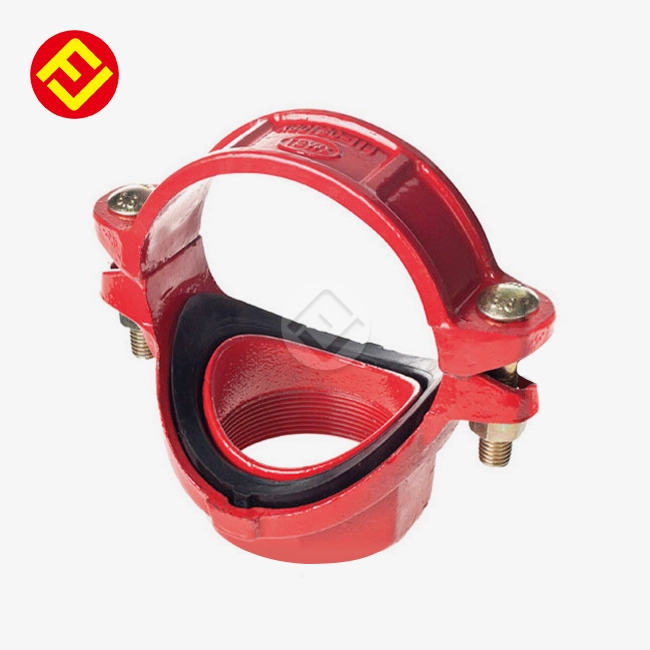
There are many different kinds of mechanical grooved fittings that can be used to connect pipes without having to join, thread, or flange them. A simple but clever mechanism makes the system work: the ends of the pipes get a groove, which can be rolled or cut. Then, a two-piece coupling housing surrounds a pressure-responsive rubber gasket that fits into the grooves and creates a strong mechanical and hydraulic seal.
Core Component Categories
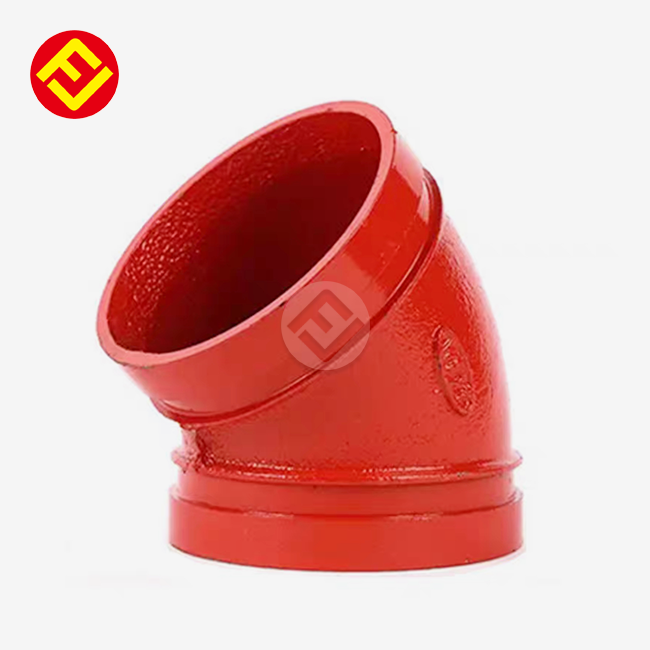
Couplings, elbows, tees, reducers, caps, and automatic tees are all types of fittings. Couplings are the backbone. They come in stiff designs that stop the pipe from moving and flexible designs that let the pipe bend up to 4 degrees and move in a controlled linear fashion. At 11.25, 22.5, 45, and 90 degrees, elbows change the flow. Tees and crosses make it easy to connect branches without hot work permits. Reducers change the pipe size without losing its flow efficiency, even when the width changes.
When making things, ductile iron that meets ASTM A536 Grade 65-45-12 is usually used. This type of iron has a minimum tensile strength of 65,000 psi and is much more resistant to impact than grey iron options. Options made of carbon steel that meet ASTM standards work better in high-pressure situations. Pressure ratings usually run from 300 PSI for city water systems to 500 PSI or higher for certain industrial processes. In high-pressure situations, some configurations can handle up to 1,000 PSI.
Application Contexts Across Industries
The most difficult application environment is fire defense systems. Automatic sprinkler networks, whether they are wet, dry, or pre-action, depend on grooved connections because they provide systems that can be checked and meet code requirements without the liability risks that come with welded joints. Fire marshals and insurance companies trust the integrity of the system because pad-to-pad checking lets them see that the installation was done correctly.
Having the ability to block vibrations is very helpful for HVAC and chilled water uses. In mechanical rooms, you'll find pumps, chillers, and air handling units that make a lot of sound when they're working. When placed near rotating equipment, flexible grooved couplings absorb these forces. This keeps sensitive machinery from moving out of place and stops stress fractures in long pipe runs that are exposed to thermal cycling.
In factories, industrial plumbing and process piping need to be set up quickly without sacrificing durability. When compared to flanged or threaded connections, grooved connections cut assembly time by about 60%. This directly lowers labor costs while keeping strong performance. Chemically treated water treatment plants need surface treatments that don't rust, like hot-dip galvanizing or epoxy coatings, to protect the base materials from harsh media over many years of use.
How to Choose the Right Mech Grooved Fitting for Your System?
To choose the right grooved fitting, you need to carefully look at the factors that are unique to your job. This decision framework helps you balance technical needs with the facts of procurement.
Operating Conditions and Technical Requirements
First, write down the pressure and temperature ranges that your machine can handle. Standard fittings can handle 300 PSI and temperatures ranging from -20°F to 230°F, which means they can be used in most industrial water systems. If the job calls for higher pressures or extreme temperatures, you'll need special parts with better sealing materials and stronger housing designs. Silicone gaskets increase the temperature range, and certain coupler designs can handle steam service when paired with the right sealing materials.
For material suitability to work, the working medium needs to be carefully thought out. Different types of fluids, like water, oil, gas, and chemicals, need different types of gasket materials and protective coatings. EPDM gaskets work well for general water uses because they are resistant to weather and stay flexible at a wide range of temperatures. Nitrile chemicals are better at resisting oil for media that are made from petroleum. When there are corrosive chemicals around, use chemical compatibility charts to make sure that the gasket materials and protective layers are the right ones for the fluid chemistry.
Dimensional and Connection Considerations
The diameter of the pipes that can be used ranges from 1 inch to 48 inches, so they can connect to everything from home sprinkler branches to large-diameter municipal mains. Make sure that the groove measurements are in line with ANSI/AWWA C606 standards. This will make sure that pipes grooved in different ways can work with mech grooved fitting housings made by different companies. For thin-wall pipe, roll grooving keeps the structure of the material, while cut grooving is best for heavy-wall pipe where removing material doesn't weaken the pipe.
Whether you need rigid or flexible connections depends on how the system is built. Rigid fittings use tongue-and-groove engagement, which stops any movement. They are perfect for long straight runs, valve connections, and places where the alignment of the pipes must stay set. For systems that cross expansion joints or go from one building to another, flexible couplings are necessary to allow controlled linear and angular movement. This is needed to account for things like earthquakes, thermal expansion, and settlement.
Procurement Strategy and Supplier Relationships
Your purchasing strategy is directly affected by how much you need to buy. Hardware distributors who buy to resell need a wide range of SKUs, low bulk prices, and reliable packaging that keeps goods safe during multiple handling steps. For construction companies to keep up with the constant flow of projects, they need stable availability and shipping flexibility to work with installation schedules that are hard to predict. When you know the minimum order quantity, you can plan your purchases more efficiently, balancing the cost of inventory with bulk discounts.
When standard store items don't meet your needs, being able to make things to order is important. Manufacturers who give engineering support, 3D modeling, and rapid prototyping can help with projects that need non-standard sizes, outlet configurations, or specific material needs. With these features, you can check plans before committing to full production runs. This lowers the risk of the project and makes sure that the parts work well with your current systems.
Comparing Mech Grooved Fittings with Other Connection Methods
When you know how grooved connections compare to other ways, you can better understand their benefits and find the best places to use them.
Installation Efficiency and Labor Considerations
For welded connections to work, you need certified welders, hot work permits, fire watches, and checks after the weld. These standards make installation take longer and cost a lot more in labor. Grooved systems don't require any hot work at all, so they can be installed in occupied buildings, near flammable materials, and in small areas where welding could be dangerous. Grooved connections are made by installation teams three times faster than welded parts of the same size. This directly cuts project labor costs by 30 to 50 percent.
Threaded joints work well for pipes with small diameters, but as the diameter grows, they become more difficult to use and less reliable. Cutting threads in pipes makes the walls weaker, and getting leak-proof seals takes careful alignment and the right way to use sealant. For grooved systems, the fitting process is the same for all pipe sizes, and you can see that the assembly is correct without any special testing tools.
Maintenance Access and System Flexibility
Flanged connections make maintenance easier, but they need a lot of bolts, gasket materials, and careful torque processes. Flange faces need to be perfectly lined up, and bolt shapes make the cost of materials go up. Grooved couplings act as unions at every joint, making it easy to take parts apart quickly for repair or system changes. If the gaskets are still in good shape, you can take grooved connections off and put them back on more than once without affecting how well they close.
This ability to be used again and again is very helpful during system setup because it lets you make changes without throwing away parts. Grooved systems can be easily changed when building layouts change or when equipment needs to be replaced. This keeps your component investment safe and minimizes downtime. Allowing for thermal expansion and building settlement without strict limits lowers the stress on linked equipment and increases the lifespan of the system.
Cost-Effectiveness and Long-Term Value
When you look at how many fasteners are needed and how simple the seal needs to be, mechanical grooved fittings have lower direct material costs than flanged connections. Any differences in the cost of materials are usually balanced out by the savings in installation work. This means that grooved systems have lower total installed costs. The lifecycle economics strongly favor grooved technology when you look at how it reduces repair downtime, increases equipment life through vibration isolation, and lowers replacement costs through reusability.
Certification and safety are two more things that add value. With UL and FM approval for fire protection and NSF certification for potable water systems, you can be sure that your projects meet code requirements without having to go through extra testing or paperwork. When you buy from suppliers who offer full warranties, technical help, and training in the field, you lower the risk of your project and boost your confidence in its long-term performance.
Installation and Maintenance Guide for Mech Grooved Fittings
Proper installation practices directly determine long-term system performance and reliability. Understanding correct procedures helps you avoid common pitfalls that compromise seal integrity.
Essential Installation Steps
Begin with pipe preparation, ensuring cut ends are square and deburred. For roll grooving, verify groove dimensions meet ANSI/AWWA C606 specifications using a groove gauge—groove width, depth, and distance from pipe end must fall within tolerance. Cut grooves require similar verification, with particular attention to maintaining smooth groove surfaces free from tool marks that could damage gaskets.
Gasket installation requires careful attention. Lubricate gaskets with approved lubricants—typically a soap solution or manufacturer-specified compound—never petroleum-based Products" target="_blank" style="color:blue" >products that degrade elastomers. Position the gasket in the groove, ensuring it seats completely around the pipe circumference without twists or folds. Some installations benefit from pre-lubricating bolt threads and housing contact surfaces to achieve consistent torque values.
Place coupling housings over the gasket, aligning bolt holes and engaging keys or tabs into the groove. Insert bolts and hand-tighten nuts initially, then torque to manufacturer specifications in a cross-pattern sequence. Standard torque values typically range from 75 to 125 foot-pounds depending on coupling size, but always consult specific product documentation. Visual inspection confirms proper installation when bolt pad faces contact metal-to-metal with no visible gap—this pad-to-pad verification provides immediate quality assurance.
Common Installation Errors to Avoid
Improper gasket seating causes the majority of installation failures. Gaskets twisted during installation or trapped between housing and groove don't seal properly, leading to leaks during hydrostatic testing or after pressurization. Taking extra time during gasket positioning prevents costly rework and maintains schedule integrity.
Inadequate bolt tensioning allows housing separation under pressure, compromising seal effectiveness. Using calibrated torque wrenches ensures consistent, proper tightening across all connections. Over-tightening damages housings or deforms gaskets, equally problematic for seal performance. Following specified torque values and cross-pattern tightening sequences achieves optimal results.
Mismatched components create compatibility problems. Mixing housings, gaskets, and pipes from different standards or manufacturers may result in dimensional mismatches that prevent proper sealing. Maintaining component compatibility throughout your system avoids these issues entirely.
Maintenance Practices for Extended Lifespan
Routine inspections should occur during scheduled system shutdowns or as part of preventive maintenance programs. Visually examine exposed fittings for corrosion, coating degradation, or mechanical damage. Check that bolt pad gaps remain closed, indicating maintained bolt tension. Any visible gaps warrant investigation and potential re-torquing or gasket replacement.
Gasket lifespan depends on operating conditions, but EPDM and Nitrile compounds typically last the service life of the piping system when used within specified temperature and chemical parameters—often exceeding 50 years in proper conditions. UV exposure degrades elastomers, so outdoor installations benefit from protective coatings or housing designs that shield gaskets from direct sunlight.
When disassembling mech grooved fittings for maintenance or modifications, inspect gaskets for compression set, cracking, or hardening. Replace gaskets showing signs of degradation rather than reusing compromised seals. Clean groove surfaces and housing contact areas before reassembly, removing any accumulated debris or corrosion products that could interfere with proper seating.
Procurement and Partnership: Buying Mech Grooved Fittings with Confidence
Effective procurement balances technical requirements with commercial considerations, building supplier relationships that support both immediate project needs and long-term operational success.
Supplier Evaluation Criteria
Quality certifications provide essential confidence in product reliability. ISO9001 certification demonstrates systematic quality management processes that ensure consistent manufacturing standards. CE marking confirms European product safety compliance when applicable. UL and FM listings for fire protection applications aren't optional—they're mandatory for code compliance and insurance acceptance. Verify that suppliers maintain current certifications and can provide documentation supporting product conformance.
Technical support capabilities separate exceptional suppliers from commodity vendors. Access to engineering expertise helps you solve application challenges, optimize system designs, and specify appropriate components for unusual conditions. Suppliers offering 3D modeling, custom fabrication, and rapid prototyping enable solutions for non-standard requirements that standard catalog items can't address. Responsive technical support—providing quotes and specifications within 24-48 hours rather than weeks—keeps your projects moving forward without costly delays.
Manufacturing capabilities and quality control procedures directly impact product consistency. Suppliers employing rigorous material testing, hydrostatic pressure testing at 150% of rated working pressure, dimensional inspection with precision measurement equipment, and surface quality verification deliver reliable products that perform as specified. Understanding a supplier's quality control processes helps you assess risk and make informed sourcing decisions.
Strategic Purchasing Approaches
Volume commitments often unlock preferential pricing and priority allocation during periods of high demand. Hardware distributors and contractors with predictable ongoing requirements benefit from establishing framework agreements that guarantee availability and competitive pricing throughout contract periods. Balancing inventory carrying costs against volume discounts requires understanding your consumption patterns and storage capabilities.
Global sourcing from manufacturers in China and other production centers offers cost advantages while requiring careful supplier qualification. Nearly 40 years of manufacturing experience, comprehensive quality management systems, and established relationships with Fortune Global 500 partners indicate supplier stability and capability. Verifying export certifications, understanding lead times, and establishing clear communication protocols ensure smooth international procurement processes.
Distribution networks and regional warehousing affect delivery flexibility and freight costs. Suppliers maintaining stock in your market region provide faster delivery for urgent requirements, reducing the need for expensive air freight or costly project delays. Understanding a supplier's logistics capabilities helps you optimize order timing and inventory management.
Conclusion
Selecting the appropriate grooved coupling system requires balancing technical performance requirements with practical procurement considerations. Pressure ratings, temperature capabilities, material compatibility, and dimensional specifications must align with your specific application demands. Whether you're specifying components for fire protection networks, industrial HVAC systems, or municipal water infrastructure, understanding the distinctions between rigid and flexible couplings, gasket material options, and protective coating systems enables confident decision-making.
Installation simplicity, maintenance accessibility, and long-term reliability make grooved connections increasingly preferred across diverse industries. By partnering with experienced suppliers offering comprehensive technical support, quality certifications, and responsive service, you protect your project investment while gaining access to custom solutions when standard components don't meet your needs. The combination of proven performance, cost-effectiveness, and operational flexibility positions mechanical grooved fittings as the optimal choice for modern piping systems.
FAQ
What pressure ratings are available for mechanical grooved couplings?
Standard grooved fittings typically handle working pressures of 300 PSI (2.07 MPa), suitable for most commercial water systems, HVAC applications, and fire protection networks. Heavy-duty configurations support 500 PSI for industrial process piping, while specialized high-pressure designs accommodate up to 1,000 PSI in demanding applications. Always verify that your selected fitting's pressure rating exceeds your system's maximum operating pressure with appropriate safety margins.
Can grooved fittings be reused after disassembly?
Housing components can be reused multiple times without performance degradation when properly maintained. Gaskets require inspection after disassembly—if they show compression set, cracking, hardening, or any visible damage, replacement is necessary. Properly stored gaskets maintained within temperature and chemical specifications often last the system's service life, but reusing gaskets without inspection risks seal failure and system leaks.
Which gasket material should I choose for my application?
EPDM gaskets serve general water applications effectively, operating from -30°F to 230°F with excellent weather resistance. Nitrile gaskets suit oil-based media and petroleum applications. Silicone extends temperature capabilities for high-temperature services. Chemical compatibility charts help match gasket compounds to specific fluid chemistry—consulting these resources prevents premature gasket degradation and ensures long-term seal integrity.
Partner with FLA Industrial & Trading Co., Ltd. for Reliable Grooved Fitting Solutions
FLA Industrial & Trading Co., Ltd. brings nearly 40 years of manufacturing expertise to every grooved coupling system we produce. Our comprehensive range of mechanical grooved fittings, crafted from premium ductile iron and carbon steel, serves fire protection, HVAC, and industrial plumbing applications worldwide. You receive ISO9001 and CE certified products backed by rigorous quality control—including hydrostatic pressure testing and dimensional verification—ensuring reliable performance in demanding environments. Our engineering team provides responsive technical support, custom fabrication capabilities, and competitive quotations within 24-48 hours. Whether you're a mech grooved fitting supplier seeking quality components or a contractor requiring project-specific solutions, contact our team at sales@flaindustrial.com to discuss your requirements and discover how our proven expertise supports your operational success.
References
American Water Works Association. (2020). ANSI/AWWA C606: Grooved and Shouldered Joints. Denver: AWWA Standards.
Underwriters Laboratories. (2019). UL 213: Standard for Rubber Gasketed Fittings for Fire Protection Service. Northbrook: UL Standards & Engagement.
ASTM International. (2021). ASTM A536: Standard Specification for Ductile Iron Castings. West Conshohocken: ASTM Technical Publications.
National Fire Protection Association. (2022). NFPA 13: Standard for the Installation of Sprinkler Systems. Quincy: NFPA Publications.
Victaulic Company. (2018). Grooved Mechanical Piping Systems: Engineering Design Manual. Easton: Victaulic Technical Services.
Mechanical Contractors Association of America. (2021). Grooved Piping System Installation Handbook. Rockville: MCAA Technical Resources.
YOU MAY LIKE