Why Choose British F-Clamp for Professional Clamping Applications?
2026-07-20 11:01:40


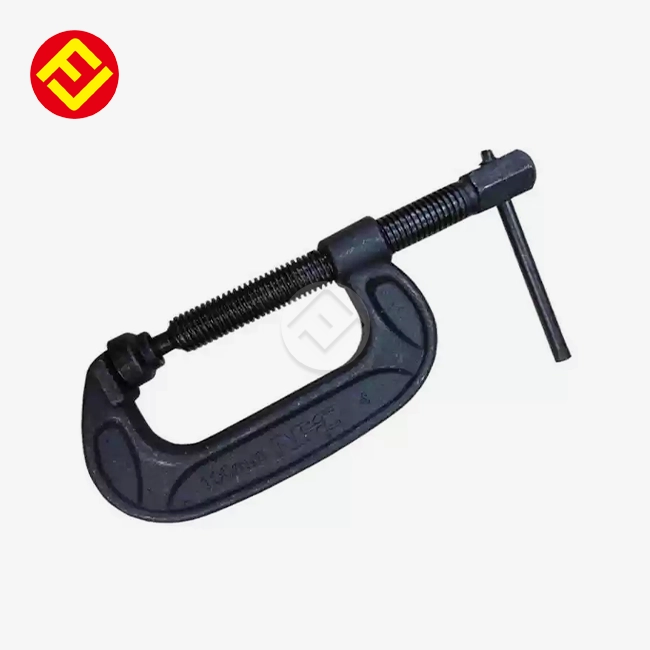
Choosing the right clamping tool has a big effect on how well a project turns out. The F-Clamps/british-f-clamp">British F-Clamp stands out as a tried-and-true option for workers who need accuracy and dependability. With its flexible cast iron jaws and toughened steel bars, this heavy-duty tool gives you great holding power for jobs like welding, putting things together, and working with wood. The serrated rail design keeps the pieces from moving around during long curing processes, and the strong screw rod mechanism makes sure that the pressure is evenly spread across all the pieces. Whether you're a procurement manager looking for tools for a construction fleet or a production engineer trying to make furniture assembly lines more efficient, knowing why these clamps are so important will help you make smart purchases that boost productivity and cut down on waste.

Specification |
|||
| Specification Model | Maximum Clamping Distance (mm) | Throat Depth(mm) | Total Length (mm) |
| Premium F-Clamp 200x80mm Guide Rail(15.5x7.5) | 200 | 80 | 260 |
| Premium F-Clamp 300x80mm Guide Rail(15.5x7.5) | 300 | 80 | 358 |
| Premium F-Clamp 400x80mm Guide Rail(15.5x7.5) | 400 | 80 | 460 |
| Premium F-Clamp 500x80mm Guide Rail(15.5x7.5) | 500 | 80 | 558 |
| Premium F-Clamp 800x80mm Guide Rail(15.5x7.5) | 800 | 80 | 366 |
| Premium F-Clamp 1000x80mm Guide Rail(15.5x7.5) | 1000 | 80 | 1062 |
| Premium F-Clamp 1200x80mm Guide Rail(15.5x7.5) | 1200 | 80 | 1255 |
Understanding British F-Clamps: Features and Benefits
Professional clamping tools are what make the difference between successful projects and costly repairs. These clamps are designed to solve real problems in the workshop. When you combine materials and engineering, you get a tool that can work in harsh industrial settings and keep its accuracy over years of use.
Durable Material Composition
Cast iron that can be shaped was used for the jaws because it is strong in tension and doesn't break easily when it's loaded. With this casting method, parts are made that can handle shaking and shock without getting stress cracks. Usually, carbon steel is used to make the steel rail piece. It is then painted or zinc-plated to protect it from rusting in the humid workplace. This combination of materials makes the best strength-to-weight ratio. This lets users comfortably handle the tool, while larger models can clamp down with forces exceeding 400 kg. The metallurgical properties of these clamps make sure that they keep their measurements even after being used thousands of times.
Precision-Engineered Mechanism
The threaded screw rod works with an Acme thread profile, which gives you a mechanical edge when you use modest hand pressure to apply a lot of power. Back-driving vibrations can loosen clamps when machinery is running or when materials settle. This trapezoidal thread design stops those vibrations. The swivel pressure pad can move up to 15 degrees, so it can work with surfaces that aren't straight and doesn't put extra stress on the sides of the workpiece. This feature is helpful for procurement professionals who are looking for tools for a variety of uses because it removes the need for multiple different types of clamps. The moving jaw locks against deep grooves cut into the rail, making a mechanical hold that stops the creep that happens with smooth-bar friction clamps when the glue is setting for a long time.
Versatile Size Range for Multiple Applications
These tools come in seven basic setups with clamping distances ranging from 200 mm to 1200 mm. They can be used for a wide range of jobs, from small cabinet parts to big structural assemblies. The constant 80mm throat depth across models lets workers get to the inside of frames and panels. The standard 15.5x7.5mm rail shape makes it easier to store and move all of your tools. This range is useful for construction companies that need to prepare their teams for a variety of job sites because a single clamp model can do more than one job without the need for special versions. The increase in total length from 260 mm to 1255 mm helps project engineers figure out what tools they need based on the size of the item and the room they have available.
These parts of the plan work together to fix problems that woodworking shops, fabrication facilities, and building sites often have. The lack of jaw deflection ensures square joints when putting together furniture, and the heat-resistant design lets you weld without damaging the tool. These features meet the needs of customers in a number of different market segments, which makes them valuable stock items that can serve a wide range of customers.
British F-Clamp vs Other Clamp Types: Making the Right Choice
When buying managers compare clamping options, it helps them make sure that the tools they buy meet the needs of the business. Each type of clamp has its own benefits, but knowing how British F-Clamp tools work differently from other clamping options can help you avoid costly mistakes when matching tool capabilities to application needs.
Design and Structural Comparison
Traditional g-clamps can hold small things securely, but they don't have the throat depth that is needed for working on panels inside. Their set frame makes it harder to work with stuff that is different sizes. Bar clamps have spring-loaded mechanisms that make them easy to release quickly, but these friction-based systems can slip when materials are compressed or when loads are applied over time. The British design gets around these problems with a toothed locking system that keeps things in place without the user having to keep their eye on them all the time. The strong construction can handle situations on the job site, like being dropped from trucks or being out in the weather, that would hurt lighter consumer-grade options. Site supervisors like tools that keep working reliably even after being roughed up, which is normal in high-volume construction sites.
Application-Specific Performance
American F-clamps tend to have lighter rail parts that are better for occasional use, while British standards stress ongoing industrial use. When maximum loads are applied, like in hardwood lamination or structural steel assembly, the heavy bar stock doesn't break. When welding makers set up heavy angle iron or channel for tack welding, the all-metal design doesn't break down even when spatter and direct heat are used. When electrical contractors are installing utilities, they need tools that stay in their hands even when power tools or other equipment are vibrating. In these situations, the mechanical closing works better than systems that only use friction. When production engineers look at clamping solutions for manufacturing processes, they find that this dependability directly leads to less setup time and fewer assemblies that have to be thrown away because parts are moving.
Cost-Effectiveness in Professional Settings
Even though they may cost more to buy at first than basic clamps, heavy-duty construction is more cost-effective in the long run. When clamps don't wear out quickly from daily use, tool repair processes are greatly extended. Maintenance needs are still low—the rail serrations need to be cleaned every so often, and the screw rod needs to be oiled every so often—compared to systems that need to be adjusted or parts replaced all the time. Procurement heads who are in charge of budgets for building teams look at the total cost of ownership instead of just the purchase price. A clamp that lasts ten years on the job site is a better deal than buying new, less durable ones every year. Professional hardware wholesalers know that their customers see this as a value proposition. This is why quality clamping tools consistently move through their stock, even though cheaper imports are available.

How to Use and Maintain British F-Clamps for Optimal Performance
When you use and take care of tools the right way, they last longer and work the same way on all jobs. Teaching operators the right way to use equipment keeps it from breaking and gets the most out of the money spent on it.
Correct Positioning Technique
To get a good idea of the size of the part, start by sliding the movable jaw along the rail. Place the fixed jaw against one edge and make sure the swivel pad touches the surface in a straight line. Move the screw rod forward until the pressure pad is just touching the other face. Make sure everything is lined up correctly before putting full pressure on it. Tighten slowly while keeping an eye on the piece to see if it moves or bends. Too much torque can bend the screw rod or break the cast iron jaw, so don't use pipe extensions or impact drivers on the handle. Place protective wood blocks between the pads and the workpiece to spread the pressure and keep the surface from getting damaged when clamping irregular shapes. Installers of cabinets have to use this method when working with veneered panels because pad marks make flaws that can be seen.
Routine Maintenance Procedures
A wire brush should be used to clean the rail serrations of the British F-Clamp to remove any sawdust, metal bits, or dried glue that have built up after each use. This helps prevent debris from interfering with the locking mechanism. In high-use environments, lubricate the screw threads of the British F-Clamp with light machine oil once a month, making sure to wipe away any excess oil to prevent dust from sticking. Regularly check the swivel pad of the British F-Clamp to ensure it can rotate freely without excessive play. Inspect the rail alignment by looking along the length of the British F-Clamp; any bending may indicate that the clamp has been overloaded and should be removed from service. Plant managers who implement preventive maintenance programs typically inspect British F-Clamp tools every three months and record their findings to track equipment wear over time. This data-driven approach helps determine when replacement tools are needed before failures occur and prevents production delays.
Addressing Common Issues
If the moving jaw slips while gripping, look at the internal cam that engages the rail grooves. The sliding jaw assembly needs to be replaced if the contact surfaces are worn or rounded. If you can't turn the screw rod, it means that there are metal bits or dried glue in the threads. Take the mechanism apart, clean it well with a cleaner, and re-oil it before putting it back together again. If clamps leave too many pad marks even though they were used correctly, the swivel device may have stopped working. A lot of the time, restoring function means slightly heating the pivot point and working penetrating oil into the joint. By keeping detailed service records, maintenance supervisors can find recurring problems that show operators need more training or applications that don't match up with the tools, which means they need to be redesigned.
Procurement Guide for British F-Clamps: Where and How to Buy
When looking for industrial tools, you need to do more than just compare prices when evaluating sources. Whether purchases help or hurt practical goals depends on quality, service, and the ability to handle logistics.
Supplier Evaluation Criteria
Reputable makers keep records of their quality systems, and ISO9001 approval lets a third party check that the processes are consistent. Check to see what the provider can do in terms of output, such as casting facilities, machining tools, and assembly methods. Precision machining centers are used by manufacturers to make parts that meet tight tolerances for size and shape. These parts work smoothly and last a long time. Ask where the raw materials come from; suppliers who list steel grades and iron compositions are honest about how they make their Products" target="_blank" style="color:blue" >products. Distributors who work with well-known brands can help you with technical issues and get you replacement parts, which will protect your investment in the long term. When purchasing managers make lists of approved vendors, they give more weight to sellers who provide clear warranty terms, thorough product specs, and load test data.
Bulk Purchasing Considerations
When buying in bulk, like to stock warehouses for distributors or equip construction fleets, you need to plan your purchases carefully. Figure out what size mix you need based on the types of projects you usually work on. For example, home builders may need more mid-range models, while industrial fabricators need heavy-duty ones. Suppliers who let you buy a mix of SKUs without setting minimum amounts for each size give you the freedom to make the best use of your inventory. Check the quality of the packaging because broken goods from not being properly protected during shipping cause delays and cost money to return. Manufacturers with a lot of stock can quickly fill big orders, but wait times are longer for made-to-order production. Hardware sellers like it when suppliers send directly to customers. This cuts down on the cost of storage and makes cash flow better. Payment terms, bulk discounts, and freight arrangements are all parts of the total cost of acquisition that go beyond the price per unit.
Customization and Special Requirements
For some uses, non-standard specifications are needed for British F-Clamp, such as deeper throats, special coatings, or clamping capacities that aren't commonly available. Companies that manufacture these tools and have access to technical resources can modify standard designs or develop customised solutions. Usually, buyers need to provide detailed application requirements, review design proposals with 3D drawings, and approve samples before mass production begins. For safety reasons, electrical utility companies may require shielded handle modifications for equipment used in electrical applications. For furniture manufacturers aiming to protect finished surfaces from marks, protective pads may need to be configured in specific ways. Discussing these requirements early in the sourcing process ensures that suppliers can deliver suitable solutions within the project timeline. As product lines evolve and new applications emerge, procurement engineers often find that manufacturers capable of customising British F-Clamp products can become valuable long-term partners.

Top British F-Clamp Brands and Suppliers in 2024
By finding trustworthy sources, you can be sure that the goods you buy are real and come with manufacturer support and regular quality standards.
Leading Manufacturer Profile
The professional tool market is served by FLA Industrial & Trading Co., Ltd., which has been making things for almost forty years. The company meets a wide range of customer needs from a single source by offering over 1,000 product specifications for hardware tools, Woodworking Clamps, and industrial parts. Their factory follows strict quality management rules when it comes to casting, forging, machining, and putting things together. The fact that they have ISO9001 certification shows that they are committed to consistently high manufacturing standards, from choosing the raw materials to checking the finished product. Before it can be shipped, each clamp is loaded to make sure it can hold a load and that the rails are straight. This thorough method of quality assurance makes sure that customers get tools that work reliably from the very first use.
The company keeps a lot of standard models in stock so they can be shipped quickly. Custom orders, on the other hand, ship within 7 to 15 days thanks to smart scheduling of production. Technical support answers questions about specifications, program help, and problems within 24 to 48 hours. Because of this, customer projects keep going forward without having to wait for information. Serving Fortune Global 500 partners shows that you can handle the tough needs of large-scale operations. Geographically, the company serves customers in China as well as in the US, Germany, and Australia. Its logistics system ensures on-time delivery to all places around the world.
Quality Assurance and Certification
It is more reliable for manufacturing sites to use written quality systems than for operations that depend on oral processes. FLA Industrial follows ISO9001 standards, which gives purchasing teams faith that they will get consistent amounts of products that meet their needs. The certification covers things like quality control for designs, production methods, testing routines, and how to deal with customers. Independent inspectors check compliance once a year, making sure that there is ongoing compliance rather than just a one-time qualification. When a product has the CE mark on it, it means that it meets European safety, health, and environmental standards. This is important for companies that sell their goods in other countries. These approvals lower the risk of buying something by letting a third party check that what the maker says about quality and compliance is true.
Service and Support Capabilities
Support after the sale is what sets great suppliers apart from just-good suppliers. Customers can choose the best specs and solve field problems with the help of expert advisors who understand application problems. Having access to new parts makes tools last longer because they can be used to change parts instead of throwing away the whole unit. Suppliers with no minimum order amounts can work with both large buyers and people who only need one unit for testing or emergency repairs. Because of this, they are good partners for both hardware dealers who need to keep a wide range of items in stock and end users who need to manage large fleets of tools. When you combine good product quality with quick service and the ability to handle logistics, you build relationships with suppliers that help your business succeed in the long term.
Conclusion
When choosing professional clamping tools, you have to weigh the prices of the tools right now against their performance and dependability in the long run. The British F-Clamp is built to last, with strong steel rails and mouldable cast iron jaws that can hold things securely. It can be used in a wide range of industrial settings, from putting together furniture to welding structures. The mechanical locking system keeps the pieces from moving during long drying times, and the range of sizes can be used for projects ranging from small cabinet parts to large-scale fabrication. Regular cleaning and lubrication as part of proper upkeep increases the life of equipment, saving your investment. You can be sure you'll get real products and full service if you buy from well-known companies with documented quality systems, large inventories, and helpful technical support. Knowing about these things helps purchasing managers, site directors, and production engineers make smart choices that raise output and lower costs in manufacturing, building, and woodworking businesses.

FAQ
What distinguishes heavy-duty clamps from standard consumer models?
Professional-grade tools have bigger rail sections, deeper serrations for mechanical locking, and stronger materials that can handle being used all the time. For consumer versions, light weight and low cost are important, and they usually have friction-based holding with smooth bars that can slip under long-term loads. Industrial clamps have clamping forces of over 400 kg, while lighter options only have 150 kg or less. This makes them necessary for laminating hardwood, putting together structures, and working in production settings that need stable holding power during long curing processes.
Can these clamps be used in welding operations?
The all-metal design can handle spatter and conductive heat that would damage options made of plastic. Put clamps on threaded parts to protect them from getting a lot of spatter on them, and after welding, use a copper-based anti-seize solution on the threads. The heat-resistant design lets you hold steel parts while tack welding without damaging the tool. However, operators should keep the flame away from the screw mechanism to keep it from getting stuck from thermal expansion.
How do I prevent workpiece marking when clamping finished surfaces?
To spread the pressure over a bigger area, put blocks of wood between the swivel pads and the project. Another way to protect thin planks or finished wood is with plastic caps made specifically for pressure plates. Tighten slowly while keeping an eye on the pad contact to make sure that the pressure is spread out evenly and doesn't build up on the sides of the workpiece.
Partner with a Trusted British F-Clamp Supplier
You can stop looking for reliable clamping options and start buying from a well-known company that cares about quality and client satisfaction. FLA Industrial & Trading Co., Ltd. has been making things for almost 40 years and offers a wide range of services to meet your purchasing needs. The flexible cast iron and steel rails give your woodworking, building, and assembly tasks the holding power they need, and ISO9001 approval makes sure that the quality of every shipment is the same. We have over 2,000 tonnes of stock, so we can quickly fill standard orders and meet the needs of custom orders within 7 to 15 days.
Our expert team helps with application advice, specification help, and 3D design visualisation for custom requirements. This makes sure that you get the best solutions that fit your exact needs. We can handle orders of any size, whether you're a hardware store building your stock, a construction company outfitting your crews, or a production engineer improving the way things are made. There are no minimum order quantities. Get in touch with our sales team at sales@flaindustrial.com to talk about your British F-Clamp requirements and find out how working with a committed maker can help your business.
References
1. Anderson, M. (2022). Industrial Clamping Systems: Design and Application. Technical Publishing Group.
2. Davies, R. & Thompson, J. (2023). Materials Selection for Hand Tools and Workshop Equipment. Manufacturing Standards Institute.
3. Harrison, P. (2021). Woodworking Tool Procurement: A Guide for Professional Buyers. Craftsman Professional Press.
4. Mitchell, S. (2023). Quality Assurance in Metal Casting and Forging Operations. Industrial Quality Publications.
5. Roberts, K. (2022). Construction Site Tool Management and Maintenance Protocols. Builder's Reference Library.
6. Williams, T. (2024). Comparative Analysis of Clamping Technologies in Modern Manufacturing. Engineering Research Quarterly.