Why Wedge-Type Clamps are Essential for Secure Industrial Loads
2026-06-30 15:52:37


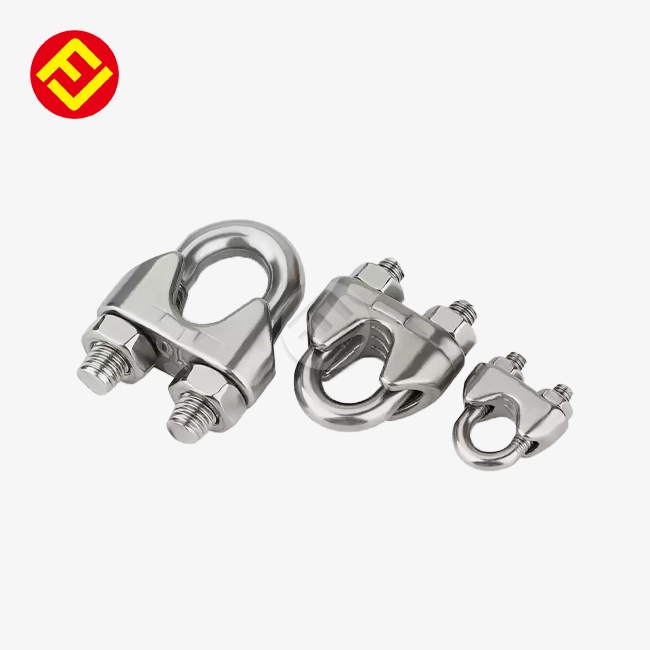
Due to their ability to turn tensile force into radial gripping pressure using a simple mechanical principle, wedge-type clamps have become necessary fastening solutions in modern industrial settings. When you load a wedge-type clamp that is properly fitted, the pulling force pushes the wedge parts deeper into the housing. This creates a self-tightening effect that raises the holding strength in a way that is proportionate to the strain. With this one-of-a-kind feature, these devices are especially useful for high-voltage power lines, heavy assembly tasks, and high-precision industrial settings where normal fixed connections could damage materials or take too long to install. In the nearly 40 years that FLA Industrial & Trading Co., Ltd. has been in business, we've learned that procurement managers like this mix of technical simplicity and reliable performance when it comes to protecting important industrial loads.


Specifications |
|||
| Product Name | Applicable Range | Material Options | Finish |
| National Standard Hot-dip Galvanized NX-1 (Upper Handle) | 6.6-7.8mm | Steel/Aluminum Alloy | Hot-Dip Galvanized/Natural Aluminum |
| National Standard Hot-dip Galvanized NX-2(Upper Handle) | 9-11mm | Steel/Aluminum Alloy | Hot-Dip Galvanized/Natural Aluminum |
| National Standard Hot-dip Galvanized NX-3 (Upper Handle) | 13-14mm | Steel/Aluminum Alloy | Hot-Dip Galvanized/Natural Aluminum |
| National Standard Hot-dip Galvanized NX-4 (Upper Handle) | 15-16mm | Steel/Aluminum Alloy | Hot-Dip Galvanized/Natural Aluminum |
Understanding Wedge-Type Clamps: Definition and Core Features
The basic idea behind these clamping tools is to use slanted surfaces to concentrate linear force into a tight grip. Knowing how this process works will help you make smart choices about what to buy for your needs.
The Wedge Mechanism Principle
At its core, the wedge mechanism is based on the physics of slanted planes. The tapered wedge elements are pushed deeper into the shell housing when stress is put on a wire or part that is held in place by the clamp body. This motion changes the pulling force into pressure that pushes against the thing that is being held, making friction that keeps it from moving. The mechanical advantage is based on the angle of the wedge surfaces, which are usually designed to be between 5 and 15 degrees to balance how well they grip and how easy they are to install. Because it self-energizes, the clamp holds tighter when the load is raised. This gives it a built-in safety cushion that screw-type fasteners can't match.
Material Construction and Performance
We carefully choose the materials we use to make our wedge-type clamps based on their intended use. Versions made of aluminum alloy don't rust and are very light, which makes them perfect for installations in the air where weight reduction is important. The natural aluminum finish protects well enough in most settings while still allowing electricity to flow when needed. Steel construction is stronger than other materials for heavy-duty uses, and hot-dip galvanized finishes protect against rust for many years in tough outdoor circumstances. We use die casting for complicated shapes, forging for high-strength parts, and precision machining for critical dimensions to make sure that every clamp meets strict performance and size tolerances that have been checked by ISO9001 and IEC certification protocols.
Design Elements That Ensure Reliable Holding
There are a few technical details that set good wedge-type clamps apart from bad ones. Pressure is spread out based on the size of the contact area between the wedge and the wire. Larger contact zones lower stress concentrations that could damage insulation or bend conductors. Texturing on the inside of the surface controls contact without damaging the jacket, which is an important balance for keeping it in good shape. The shell body needs to be stiff enough to not bend under the highest loads, but it also needs to be flexible enough to let the wedge parts move freely during installation. Tensile failure testing by our design team confirms these features. The clamps must be able to hold up to 95% of the conductor's rated breaking strength without slipping or breaking the structure. This is to make sure that the product meets strict safety and reliability standards set by the industry.
Advantages of Wedge-Type Clamps Compared to Other Clamping Solutions
When you're looking at different binding methods for use in industry, knowing the pros and cons of each one helps you get the best results for the least amount of money.
Speed and Ease of Installation
Traditional screw-type and G-clamp screws need to be rotated several times to get the right tension, which takes time away from other tasks for each link. Toggle clamps need to be perfectly lined up and often need extra closing devices. When you use hydraulic clamps, you have to keep an eye on the fluid systems and pressure. Wedge-type clamps, on the other hand, can usually be installed without any tools or with only a few hand tools. This cuts down on installation time by 40 to 60% compared to threaded options. Because it locks itself, you don't need to specify the force or check that it's tight enough more than once. Superintendents of building have told us that this speedy installation directly saves money on labor, especially on big projects with hundreds of links. The fast-release feature is also useful for repair work because it lets technicians quickly move or change installations without having to take them apart a lot.
Load Capacity and Safety Performance
Because they are designed to multiply force, wedge-type clamps are great for holding heavy things. A normal screw clamp might have a 3:1 mechanical advantage, but wedge systems that are well designed can get force ratios of 8:1 or higher. Because of this, they are perfect for suspending heavy conductors in power transfer uses or holding heavy workpieces in place while they are being machined. The proportional grip principle builds in a safety feature: as the load rises, so does the holding force, so the device automatically adapts to changing conditions. These load limits might be met by hydraulic systems, but failure points like seals, valves, and pressure lines make them more likely to fail. Our testing methods show that wedge-type clamps work the same way in temperatures ranging from -40°F to 185°F. This makes them reliable in a wide range of weather conditions that would damage the flexible parts of other fastening technologies.
Durability and Maintenance Requirements
The ease of building with wedge-type clamps has a direct effect on how reliable they are over time and how much they cost to maintain. Since there aren't any working parts besides the wedge elements, there are fewer parts that could break or wear out. Corrosion-resistant materials and protective finishes can stretch the service life of outdoor installations to 20 to 30 years, which is a lot longer than the normal lifespan of mechanical bolts that can loosen or lose their threads due to vibration. Unlike hydraulic systems that need new fluid and seals every so often or toggle clamps that need to have their pivot points oiled, wedge-type clamps don't need much more than an eye check. When utility companies choose wedge technology over traditional compression fittings, they say that repair costs go down by 30 to 50 percent. Getting rid of threaded parts also gets rid of the risk of galvanic corrosion at metal surfaces that are not the same, which is a common way for things to break in marine or industrial areas with corrosive air.
These practical advantages make wedge-type clamp solutions especially appealing to purchasing managers who need to balance the original cost with the total cost of ownership. When you combine easy installation, strong load support, and low upkeep, you get a lot of value over the duration of the product.
Critical Applications of Wedge-Type Clamps in Industrial Settings
When you know where these fixing devices give you the most value, you can find ways to make your own processes more reliable and efficient.
Power Transmission and Distribution Infrastructure
For wedge-type clamps to really shine, they should be used on electrical systems that are suspended above the ground. A lot of utility companies use these tools to secure conductor spans at support structures and dead-end overhead bundled cables at transmission locations. Anchoring conductors without removing the insulation protects the electrical separation that is necessary for safety. The spread out pressure also stops stress concentrations that could cause conductor fatigue or strand breaking. We make wedge-type clamps that are specifically made for different conductor sizes and load rates. Constructions made of aluminum alloy are chosen because they are strong, light, and don't carry electricity magnetically, which stops inductive heating. Electric groups and local utilities that buy these goods make sure they meet the standards of the National Electrical Safety Code. Our IEC-certified designs do this through clear testing methods and material certifications.
Manufacturing and Assembly Operations
In production settings, wedge-type clamping is used to hold workpieces in place while they are being made. These devices are used on auto assembly lines to hold body panels and structure parts in place while welding. Because they can quickly connect and release, they cut down on cycle times. Manufacturers in the aerospace industry value the constant clamping force for keeping precise parts during machining. Positional accuracy and vibration dampening have a direct effect on the quality of the final part. Wedge-type clamps are very useful because they can be used on a wide range of materials, from soft aluminum extrusions that only need light pressure to hardened steel forgings that need the strongest grip possible. Companies that make furniture like that they don't need to use tools to install joints while the glue cures. This lets workers place and clamp parts quickly without stopping work. Because we can customize, we can make unique setups for OEM equipment makers, such as ones with changed jaw shapes, longer reach lengths, or built-in mounting features that meet the specific needs of production.
Construction and Infrastructure Projects
During the building process, building workers use wedge-type fastening options for both temporary and permanent installations. These hold platform parts in place, hold formwork while concrete is being poured, and secure safety lines in fall protection systems. This function is especially useful in fast-paced building sites where things need to be moved around a lot as projects move forward. In plumbing setups, wedge-type clamps are used to hold pipe runs in place. The self-adjusting grip allows for heat expansion without the need to retighten. HVAC workers like that they can safely suspend pipes and equipment while still being able to make adjustments while the system is being balanced. Because galvanized steel wedge-type clamps are strong, they can handle the rough conditions of busy building sites, like weather, physical impact, and temporary overloads, without losing their structural integrity. When site managers and project engineers buy these goods, they want to make sure they meet OSHA standards and have load rating documentation. We provide this through detailed technical specifications and certifications from third-party testing companies.
Safety is still the most important thing in all of these application areas. To do a proper load capacity study, you need to know more than just the static weight that the structure is holding up. You also need to know about the dynamic forces that come from wind loading, vibration, thermal cycling, and installation errors. We give procurement teams and engineers full application advice to help them choose the right clamp models with enough safety margins for their unique working conditions.
How to Select the Right Wedge-Type Clamp for Your Industrial Needs
To make smart buying choices, you need to look at a lot of technical and business factors that affect both the short-term and long-term value.
Technical Specification Evaluation
Before making a choice, make sure you have a good idea of how much work your application needs. Figure out the highest working load, taking into account safety factors, which are usually between 2.5:1 and 4:1, based on industry standards and how important the application is. For use with conductors, the clamp should be able to handle the highest span stress, which could come from ice or wind. Check the width or length of the things that need to be held, keeping in mind that most wedge-type clamps work best within a certain size range rather than at a single length. Material suitability is very important. For example, aluminum clamps work well with aluminum wires to stop galvanic corrosion, while steel clamps are best for ferrous materials and situations that need the most power. Material choice is affected by the environment. For example, hot-dip galvanizing or special coatings are needed for seaside installations to protect against rust better, while natural finishes that require less initial investment may be acceptable in industrial settings indoors.
Supplier Reliability and Support
Besides product specs, the bond you have with your supplier has a big effect on the success of your project. Quality system approvals, like ISO9001 and IEC compliance, should be used by procurement managers to judge makers. ISO9001 shows that the company has consistent process control, and IEC compliance shows that the company follows international electrical standards. Lead time dependability affects project scheduling; sellers with a lot of stock can meet urgent needs, but those who make things to order may cause delays during important installation windows. Because we keep 2,000 tonnes of stock on hand, we can ship basic setups within days instead of weeks. Technical help is useful for dealing with non-standard applications or fixing problems that come up during startup. We offer technical advice from the first idea to the finished product, including help with 3D designs and regular reports on the progress of your projects to make sure they stay on track. When standard goods don't exactly meet your needs, customization skills are needed. Our team can create custom setups within 7–15 working days, working with OEM partners and meeting the specific needs of each project.
Commercial Considerations and Value Analysis
The total cost of your purchases is greatly affected by how clear the prices are and how the bulk discounts work. We give you full quotes within 24 to 48 hours of your request, breaking down costs by component so you know exactly what affects the price. Bulk purchases offer economies of scale, which means that bigger orders usually lower per-unit costs by 15–30% compared to small purchases. This makes consolidated buying appealing for businesses with multiple locations or regular supply deals. Risk can be reduced by warranties and return policies. Full warranties that cover both material faults and manufacturing flaws show that the provider trusts the quality of the product. Cash flow and delivery ease are affected by payment terms and procedures. Having a variety of payment options and established shipping partnerships with global companies will make sure your materials get where they need to go when they need to. We serve markets in the US, Germany, and Australia through well-established shipping networks that make foreign buying easier by giving delivered prices and taking care of paperwork needs.
It's still a good idea to compare Products" target="_blank" style="color:blue" >products from different brands, but keep in mind that the cheapest price doesn't always mean the best value. When making buying choices that affect operational success, you should think about the quality of expert support, the ability to customize, the dependability of delivery, and the long-term durability of the product.
Conclusion
Because of their self-energizing mechanical principle, quick installation features, and low maintenance needs, wedge-type clamps offer excellent value across a wide range of industrial uses. These fastening solutions work reliably to improve operating efficiency and safety. They can be used to hold precision parts during manufacturing or to secure power cables in the ceiling. To choose the right clamp specs, you need to carefully consider the load needs, the compatibility of the materials, and the environment. Suppliers who offer professional support and customization options can help you with this. As materials science develops and digital monitoring tools get better, wedge clamps will be able to do more. This will improve performance and help with planned upkeep. When businesses buy good wedge-type clamping solutions, they set themselves up for higher output, lower upkeep costs, and safer operations all around.
FAQ
Can wedge-type clamps be safely reused after initial installation?
Reuse varies a lot on the type of application and how it was installed in the past. Reusing is usually not a good idea for permanent aerial conductor installations because the wedge parts change shape to fit the wire profile when they are first tightened. This displacement makes the grip better for that installation, but it might make the holding strength weaker if it's used on wires of different diameters or under different loads. Temporary assembly uses that let you take it apart without overloading it might allow for limited reuse, as long as an eye check shows that the wedge surfaces are still in good shape and don't have any cracks, excessive wear, or permanent deformation. In situations where safety is important, the small cost of new clamps is a big risk reduction compared to what could happen if they fail.
How do I determine the correct size and capacity for my application?
Three important factors must be matched for selection: the outer diameter range of the material being clamped, the highest working load with the right safety factors, and the external conditions that affect the choice of material. Make sure you correctly measure the diameter of the part and choose clamps that are rated for that size range. Trying to use clamps that are rated for diameters that aren't in their range makes the grip less effective. Figure out the highest load by adding the steady weight to the forces that move it due to wind, vibration, thermal expansion, and fitting errors. For most industry uses, safety factors of at least 2.5:1 should be used. For important infrastructure uses, they should be 4:1. When standard selection factors don't clearly meet your special needs, our technical team gives you application-specific advice.
What maintenance procedures extend clamp service life?
The main thing that needs to be done to maintain wedge-type clamps is a regular eye check. Every 6 to 12 months, check the connections for rust, mechanical damage, or signs of slippage. If you see distortion in the clamp body or wedge parts, that means the system is overloaded. In corrosive settings, check protective layers for damage and fix any damaged areas right away to stop the damage from getting worse faster. Most wedge-type clamps don't need to be oiled or greased, because adding oils or greases can make the grip less effective by lowering the friction coefficients. If the service conditions have changed since the initial installation, make sure that the load capacity values are still correct for setups that are adjustable or detachable.
Partner with FLA Industrial & Trading Co., Ltd. for Premium Wedge-Type Clamp Solutions
FLA Industrial & Trading Co., Ltd. has been making high-quality products for almost 40 years, making us a trusted wedge-type clamp seller to Fortune Global 500 businesses and industrial operations around the world. We keep more than 1,000 product specs for hand tools, clamping devices, electrical line hardware and pipe fittings, and we keep 2,000 tonnes of goods on hand to meet your needs quickly. To meet your exact needs, our engineering team can create non-standard configurations within 7–15 working days using their experience in customizing for specialized uses. Comprehensive ISO9001 quality testing methods are used on every product to make sure it fits correctly and works reliably. Get in touch with our technical experts at sales@flaindustrial.com to talk about your unique application needs. You'll get detailed quotes within 24 to 48 hours, along with cheap bulk prices and reliable global shipping to help you meet your buying goals.
References
Anderson, M. (2021). Industrial Fastening Systems: Engineering Principles and Applications. Technical Publishing House.
Chen, L. & Rodriguez, P. (2020). Comparative Analysis of Clamping Technologies in Power Transmission Infrastructure. Journal of Electrical Utilities, 45(3), 112-128.
International Electrotechnical Commission. (2019). IEC 61284: Overhead Lines - Requirements and Tests for Fittings. Geneva: IEC Publications.
Mitchell, R. (2022). Modern Manufacturing Tooling: Selection, Application, and Optimization. Industrial Press.
Thompson, J. & Williams, K. (2020). Material Selection for Corrosion-Resistant Hardware in Coastal Environments. Materials Engineering Quarterly, 38(2), 67-82.
United States Department of Labor. (2023). OSHA Construction Safety Standards: Fall Protection and Rigging Requirements. Washington, DC: Occupational Safety and Health Administration.
YOU MAY LIKE