12 Deep Throat Clamp Built for Long-Term Performance
2026-07-22 11:30:08


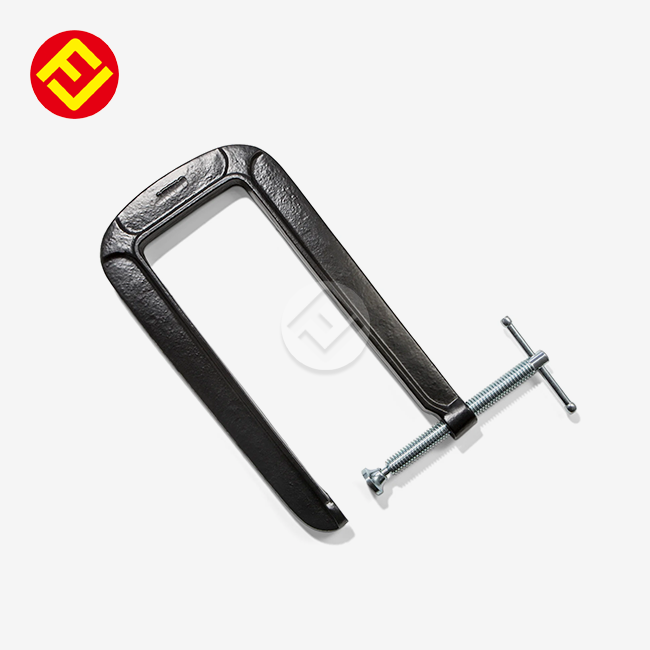
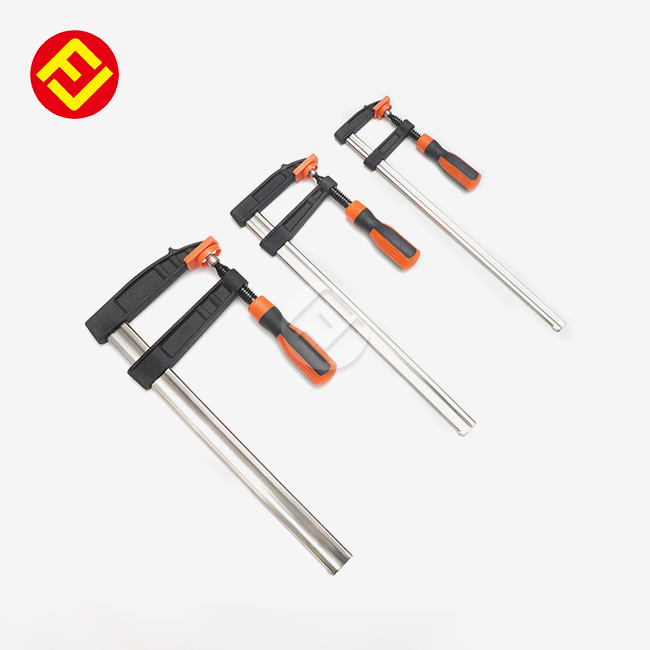
The T-Clamp">12 Deep Throat Clamp has the extra depth and holding power you need for precise work when your project needs to securely fasten things in places that regular tools can't. This professional-grade clamping tool is made from high-quality carbon or alloy steel and has a surface treatment that prevents corrosion. It works great in places where regular clamps don't work well, like when working with metal or installing pipes. Because it has an extended throat, operators can apply firm, constant pressure deep inside workpieces. This solves the important problem of internal access during the assembly, welding, and fabrication tasks that make up modern industrial operations.

Specification |
||
| Type | Model | Dimensions (Depth x Reach) |
| Deep Throat Clamp | Deep Throat 1.5 Inch | 35x110MM |
| Deep Throat Clamp | Deep Throat 2 Inch | 46x140MM |
| Deep Throat Clamp | Deep Throat 3 Inch | 82x110MM |
| Deep Throat Clamp | Deep Throat 3 Inch | 85x185MM |
| Deep Throat Clamp | Deep Throat Large 3 Inch | 95x250MM |
| Deep Throat Clamp | Deep Throat 4 Inch | 105x186MM |
| Deep Throat Clamp | Deep Throat Large 4 Inch | 110x305MM |
Understanding the 12 Deep Throat Clamp: Features and Benefits
The idea behind extended-throat clamping equipment comes from a long-standing problem in the industrial world: how to hold workpieces securely in places inside the machine that are hard to reach from the edges. Standard C-clamps have throat depths of two to four inches, which is too shallow for working with wide panels, deep cabinets, or structural parts that need to be stabilized at the center.
Extended Reach Architecture for Deep-Access Applications
The most important thing about this technology is how it is arranged geometrically. In contrast to regular clamps that can only fasten along the edges, the extended frame architecture lets you place the clamping pressure in the geometric center of large workpieces. This is especially helpful when putting together furniture with glue joints eight to ten inches from the edge of the panel or when working with metal and needing to secure plates behind structural flanges and stiffeners. The throat depth directly affects operating flexibility, letting you work on projects that would need special tools or multiple setups otherwise.
Material Composition and Surface Protection
In harsh industrial settings, the quality of the construction decides how long the performance will last. Different types of carbon steel have high tensile strength, which is good for general manufacturing uses. On the other hand, different types of alloy steel have higher hardness values, which are better for heavy-duty metalworking settings. Nickel plating makes a strong barrier against oxidation that keeps tools lasting longer, even in humid places like woodworking shops and fabrication shops near the coast. Painted finishes protect in the same way, but they also allow for easier visual inspection, which helps maintenance teams find wear patterns before they damage the clamping integrity.
Clamping Mechanism Options: Screw-Type vs. Quick-Adjust
The ergonomic handle design of good models keeps your hands from getting tired after long periods of use, which addresses issues of worker comfort that slow them down at work. When you have to make dozens of clamp changes during the assembly process for a single project, having a comfortable grip geometry is very important. It lets you apply enough force with little physical strain.
Safety Considerations in Industrial Environments
When people follow the right steps for using a machine, it keeps both them and the workpieces from getting hurt. Do not put more weight on the frame than what is written on it. If you do, the frame could permanently distort or fail in a catastrophic way while it is being used. The swivel pad should be able to move easily to make sure that pressure is evenly spread across all touch surfaces. This will stop stress from building up in one area, which could damage finished surfaces or make glue joints weak. Checking threaded parts on a regular basis can find wear before it affects the clamping performance. Cleaning and lubricating adjustment screws regularly keeps them running smoothly and increases their service life.
Even though these clamps can hold a lot of weight, they should only be used to hold work in place. They should never be used for lifting or rigging. Misusing them in overhead applications goes against basic safety rules and puts people at risk of getting seriously hurt.
Comparing 12 Deep Throat Clamps: Making the Right Choice
Selection criteria are more than just measuring the throat depth; they also take into account performance needs that are specific to the application and vary a lot between industries. Knowing these differences helps people who buy things match the skills of tools to the needs of operations.
Deep Throat Models vs. Standard Clamp Configurations
One of the main trade-offs is between reach and frame rigidity. Standard C-clamps with shorter mouths bring the structure's mass closer to the binding point. This lets higher maximum loads be applied with less chance of the frame bending under the pressure. To get the reach needed for getting to workpieces inside, extended throat designs give up some of their maximum capacity. Because of this engineering compromise, choosing the throat depth is a very important choice that depends on the needs of your application.
When working with sheets that are wider than ten inches or when putting together cabinets that have deep sections inside, a 12 Deep Throat Clamp provides the longer reach necessary regardless of any loss in load capacity. On the other hand, edge-joining processes on narrower stock often gain from compact designs' higher force values and higher rigidity.
Sizing Considerations: Matching Capacity to Application
There are a number of useful models with different throat depths and jaw openings to suit different work situations. Smaller 1.5-inch and 2-inch sizes work well for making jewelry, putting together electronics, and working carefully with wood, where controlled pressure is needed on delicate materials. Mid-range 3-inch options are versatile workhorses that can be used for general carpentry, putting together furniture, and light fabrication tasks that are popular in repair shops and job shops. Large 4-inch sizes are used for heavy-duty metalworking, structure welding, and industrial manufacturing where strong holding power keeps big pieces in place during rough cutting operations.
Manufacturers usually list both the throat depth and the widest opening of the jaws in their size specifications. Models range from small 35×110mm units to big 110×305mm ones. By matching these physical factors to the size of your usual workpiece, you can avoid both the frustration of not having enough capacity and the wasteful expense of having too many specifications.
Brand Reputation and Supplier Credibility
Well-known brands like Irwin, Bessey, and Wilton have built their names on steady quality and good warranty support, but these expensive brands come with a higher price tag. When evaluating suppliers, you need to look at their certifications, manufacturing processes, and quality control standards that make sure the Products" target="_blank" style="color:blue" >products are the same from one production run to the next. ISO 9001 approval shows that quality control is organized, and CE compliance shows that safety standards are met around the world.
When buying 12 Deep Throat Clamp from foreign makers, especially those in China's well-known industrial areas, find out about their production skills and how they check their products. Reliable suppliers keep thorough records of what materials they use, test arriving steel batches, and test the steel's ability to hold weight before shipping. Forging, casting, drilling, assembly, and surface treatment should all be done in a standard order, and the equipment should be calibrated on a regular basis to keep the dimensions and mechanical properties accurate.

How to Use and Maintain Your 12 Deep Throat Clamp for Optimal Performance
To get the most out of your equipment's life, you need to know how to use it correctly and how to do preventative maintenance that addresses wear and tear issues before they affect performance.
Setup and Positioning Techniques
Start by opening the jaw just a bit wider than the thickness of the workpiece. This will make positioning easier without having to force the clamp into place. Place the swivel pad firmly on top of the workpiece, making sure that the whole pad face touches the surface. This will spread the pressure out equally. Tighten the adjustment mechanism slowly while keeping an eye on how the workpiece is lined up. Too much initial pressure can move parts before the glue bonds are strong enough.
Protective pads should be put between metal contact points and visible faces when clamping finished surfaces to keep them from getting damaged. Inserts made of hardwood, leather, or cork smooth out small surface flaws and spread binding force over larger areas, which lowers the risk of compression dents that need a lot of polishing.
Routine Maintenance and Lubrication Schedules
For screw-adjusted clamps that are used often, thread wear is the main cause of failure. Once a week, use a stiff brush to clean the threads to get rid of the sawdust, metal filings, and dried adhesive residue that builds up and makes it harder to adjust. When lubricating threaded parts, use dry-film molybdenum disulfide instead of petroleum-based products, which can get dirty in dusty shops.
To keep the swivel pad pivot point free to rotate even when it's loaded, it needs to be checked on a regular basis. If there are nearby welding operations, check the pad often for spatter that has fused together and could stop it from moving properly. When swivels are stiff or stuck, they cause point loads that damage the workpiece's surfaces and put uneven stress on the frame.
Corrosion can be found before it causes structural damage by inspecting the surface finish of a 12 Deep Throat Clamp. Surfaces that are nickel-plated should keep their shine without peeling or changing color, and painted finishes shouldn't bubble or rust through. Fix small flaws in the finish right away with the right cold-galvanizing chemicals or machinery enamel to stop rust from spreading to areas of the coating that are still intact.
Troubleshooting Common Operational Issues
Slippage under load usually means that either the clamping pressure isn't strong enough or the contact surfaces are dirty, which stops enough friction from happening. Make sure that the adjustment mechanisms are tightened to the right power levels without going over the maximum capabilities. Clean the workpiece's sides and the swivel pads to get rid of oil, dust, or release agents that make it harder for materials to stick together.
When stretched clamps lose pressure, it means that the threads are wearing out or the frame is deforming. Check the lead screw for broken threads that make it hard for the mechanical advantage to be transferred. Check the frame for lasting bending, especially where the throat hole is, and leverage stress is highest. Frames that have obvious lasting deformation should be taken out of service, even if the threads still work.
Warranty Terms and After-Sales Support
Good manufacturers stand behind their products with warranties that cover flaws in the materials or mistakes in the manufacturing process. However, damage caused by misuse or normal wear and tear is usually not covered. Make sure you understand the length of the warranty and how to file a claim before you buy, because fast warranty service cuts down on downtime when problems happen. Reliable suppliers give expert help for the whole lifecycle of a product, giving advice on how to use it correctly for its intended purpose and how to keep it in good shape so that it lasts as long as possible.
Procuring 12 Deep Throat Clamps: A Buyer's Guide for B2B Clients
Strategic sourcing choices weigh the initial costs of buying something against the total cost of ownership, which includes things like how often it needs to be replaced, how much upkeep it needs, and how it affects operational efficiency.
Bulk Purchasing Strategies and Volume Considerations
Buying a lot of tools at once gives you more negotiating power than buying one tool at a time. When you're giving requirements to building companies, factories, or distribution networks, group orders together until you hit certain volume levels that lead to better pricing. Suppliers often offer discounts that go up or down based on the number of items you buy. At standard levels that support dedicated production runs, you can save a lot of money.
Strategies for managing inventory should weigh the costs of keeping items in stock against the risk of running out, which can stop production if important tools break down unexpectedly. Keeping strategic reserves of commonly used sizes lowers the need for expensive emergency purchases and keeps the project going when equipment breaks down.
Lead Time Management and Expedited Delivery Options
Standard product supply is very different from unique designs that need to be made in a special way. Items that are already in stock usually ship within days, but items with non-standard measurements or special features may need to be made over a period of weeks. Make lead times very clear when you're negotiating the purchase of something, especially if the project plan depends on getting the tools by a certain date.
Established providers with large stock levels can meet immediate needs through faster processing, but higher shipping costs will affect the overall project economics. When buying from other countries, add time for customs clearance and possible inspection delays to the delivery times to avoid having to change your plans.
Supplier Evaluation: Certifications and Compliance Verification
In addition to product specs, due diligence also looks at how reliable the provider is and how mature the quality system is. The ISO 9001 certification shows that recorded quality management methods are used in production, and the CE marking shows that the product meets European safety standards that are used in many export markets. Ask for copies of the necessary certificates and check their authenticity through the databases of the issuing body when large orders require more work to be done on verification.
Direct OEM Relationships vs. Distributor Networks
When you buy directly from the original equipment makers, you avoid the markups that come with buying through distributors and get direct access to tech support and customization options. This method works especially well when describing non-standard setups or when technical questions need to be answered by design engineers who know how the product was developed in the past.
Having a connection with a distributor can help with logistics, getting to local goods, and setting up credit terms that make purchasing easier. Regional distributors usually keep a lot of different product lines from different manufacturers in stock. This lets customers buy everything they need in one place, which makes the purchasing department's job easier.

Troubleshooting and Common Issues: Ensuring Long-Term Reliability
Implementing systematic methods for finding and fixing problems cuts down on equipment downtime and increases its useful life by preventing minor problems from becoming major ones.
Root Cause Analysis of Performance Degradation
Most of the time, clamp slippage is caused by not properly preparing the surface or not applying enough initial tightening force. Less clearly, overtightening swivel pads over and over again slowly changes their shape, making them less effective at gripping even when the surface is perfect. Setting up and following standard tightening procedures stops damage from both under-clamping and over-stressing, which hurts performance in the long run.
When there is pressure loss during glue-up or welding, it means that the threads are wearing out, the frame is bending, or heat expansion is causing mechanical links to become less tight. When carbon steel frames are heated during welding, they can soften in some places, which makes the structure less rigid. Also, thread wear from contamination can cause screws to back off under long-term loads. To tell these two processes apart, you have to carefully look at all the parts that are in the load path.
Preventive Maintenance Programs for Industrial Settings
Factory floors and building companies can benefit from routine inspections that find wear patterns before they cause problems with operations. Visual inspections once a month look for obvious damage like bent frames or threads that have come loose. Functional testing every three months under calibrated loads makes sure that rated capacities can still be reached without too much adjustment work.
Documentation systems that keep track of each tool's service history make it possible to schedule preventative repair based on how often the tool is used instead of random dates. In work settings, tools that are used a lot need to be checked more often than tools that are only used sometimes in repair shops, but both types of tools can benefit from following systematic care routines.
Repair vs. Replacement Decision Criteria
When looking at repair choices, economic analysis should look at both the direct costs of replacing and the secondary effects on output. Fixing small thread damage is usually cheap and easy with chasing dies or new lead screws, especially for tools such as the 12 Deep Throat Clamp where the quality of the frame justifies spending more on parts. It's not usually worth trying to fix bent frames because localized cold working leaves behind loads that make fatigue cracking more likely when the frames are loaded again and again.
No matter how big or where they are, frame cracks mean that the tool has to be thrown away because welded fixes can't bring back the original properties of the material and introduce unknown failure risks. From a risk management point of view, this decision is easy to make because the cost of replacement clamps is small compared to the potential liability for injuries from a catastrophic failure.

Conclusion
When choosing the right extended-throat clamping tools, such as the 12 Deep Throat Clamp, you have to weigh the reach needs against the structural capacity, as well as the needs of the specific application, which can be very different depending on the industry. Long-term efficiency and dependability are based on the type of materials used, the design of the adjustment mechanism, and the quality standards set by the maker. Professionals in procurement who work with construction companies, factories, and distribution networks get the best results by matching the capabilities of equipment to the amount of use, following systematic care protocols, and building relationships with suppliers who can meet both standard and unique needs. Proper maintenance greatly extends the useful life of equipment, turning the initial investment into long-term productivity gains over years of tough operational service.
FAQ
What throat depth do I actually need for my specific application?
How far from the edge of the workpiece you need to clamp it down determines the throat depth. Add at least one inch of space between the edge that can be reached and the farthest inner point that needs to be stabilized. A minimum 9-inch throat keeps the frame from getting in the way of the project when putting together a cabinet with glue joints that are eight inches from the edges of the panels. When making furniture with wide panels or deep cases, models with 10 to 12 inches of reach are necessary to make sure that pressure is evenly distributed across the interior joints.
Can I use these clamps in high-humidity or outdoor construction environments?
Nickel-plated types work well in damp situations because the plating forms a barrier that keeps water from touching the steel base. Painted versions are good for rare outdoor use, but the finish may wear off faster in places where it's exposed to the weather all the time, like building sites that are open for a long time. For marine uses or permanent outdoor installations, you need to build with stainless steel or check it often and fix any finish damage right away so that rust doesn't weaken the structure.
Are custom dimensions available for specialized manufacturing applications?
To meet the specific needs of their production processes, many makers offer customization services for throat depths, jaw openings, or frame designs that aren't standard. FLA Industrial & Trading Co., Ltd. specializes in making handmade special-shaped parts with non-standard dimensions and unique structural features that meet practical needs that standard catalogue items can't meet. Custom orders usually take between 7 and 15 days to finish, but this depends on how complicated they are and how busy the factory is at the moment.
Partner with FLA Industrial & Trading Co., Ltd. for Reliable Clamping Solutions
If procurement managers are looking for a dependable 12 Deep Throat Clamp supplier will find comprehensive support at FLA Industrial & Trading Co., Ltd., where nearly four decades of manufacturing expertise ensures consistent quality across every shipment. Our extensive inventory of over 1,000 product specifications means standard items ship immediately, while our customization capabilities address unique requirements that off-the-shelf solutions cannot satisfy. Reach our procurement specialists at sales@flaindustrial.com to discuss volume pricing, technical specifications, or custom configurations that match your exact operational needs.
References
1. American Welding Society. (2021). Structural Welding Code—Steel: AWS D1.1/D1.1M:2020. Miami: AWS Publications.
2. Harrington, R.L. (2018). Industrial Metalworking: Clamping Methods and Applications for Fabrication Efficiency. New York: McGraw-Hill Technical Publishing.
3. Woodworking Institute. (2020). Cabinet Construction Standards: Assembly Techniques and Tool Selection Guidelines. Boston: Woodworking Institute Press.
4. National Institute for Occupational Safety and Health. (2019). Hand Tool Safety: Best Practices for Industrial Environments. Washington: U.S. Department of Health and Human Services.
5. Thompson, M.J., & Davis, K.P. (2022). Procurement Strategies for Industrial Tool Buyers: Quality Assessment and Supplier Evaluation. Chicago: Industrial Press.
6. International Organization for Standardization. (2015). ISO 9001:2015 Quality Management Systems—Requirements. Geneva: ISO Publications.