How Do Double-Head Clamps Improve Pipeline Installation Efficiency?
2026-07-22 11:43:45


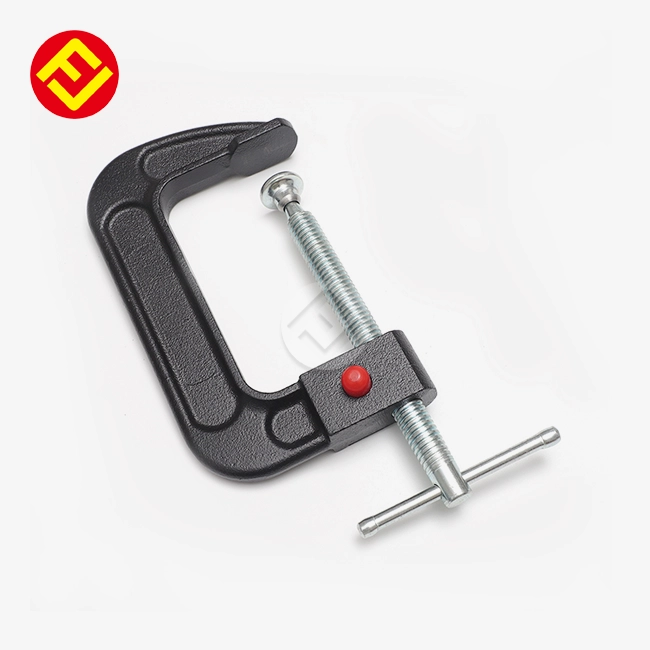
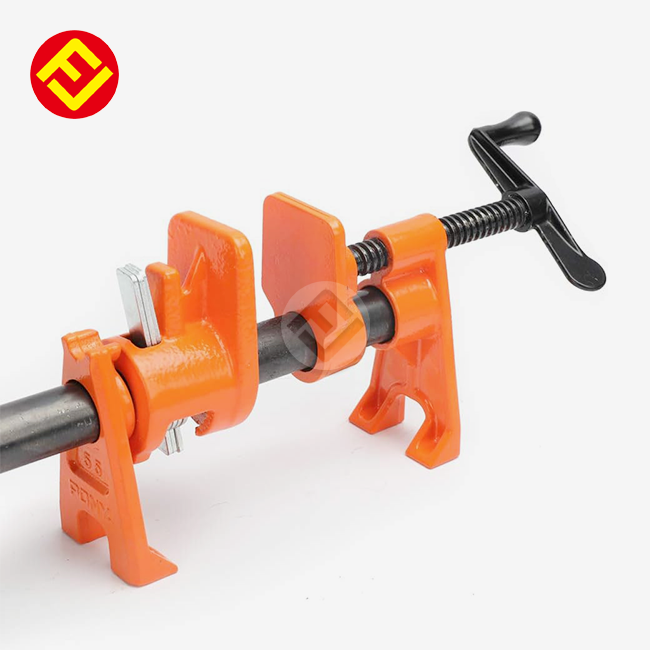
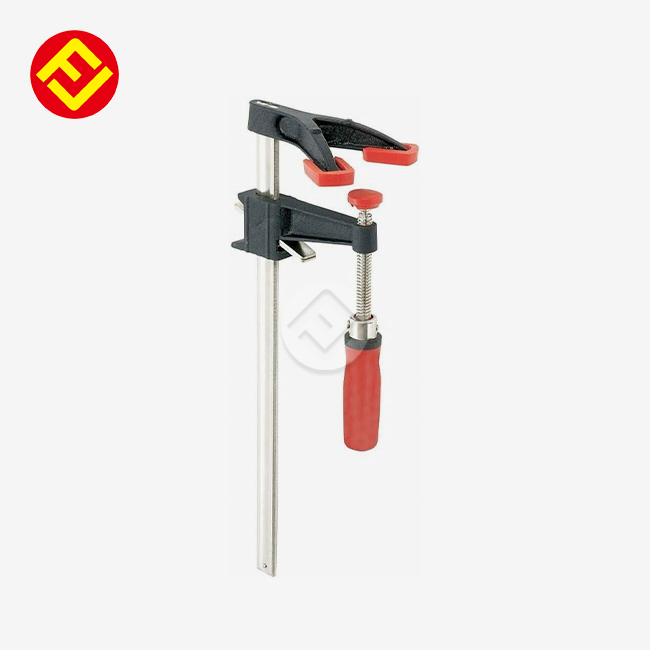
F-Clamps/double-head-clamps">Double-Head Clamps make installing pipelines faster and easier by solving the biggest problem in the industry: getting the pipes perfectly lined up while keeping a tight grip on them during the whole process. These specialised clamping tools have two movable heads that spread force equally across all contact points. This stops the positional shift that happens with single-point fastening methods. By stabilising pipe joints from both sides at the same time, they cut down on the time needed for manual repositioning by up to 40%, cut down on the amount of work that needs to be redone because of misalignment, and speed up the installation process. What used to be a time-consuming, labour-intensive bottleneck is now a streamlined, repeatable process that meets the tight deadlines of modern construction and industrial projects.

Specifications |
||||
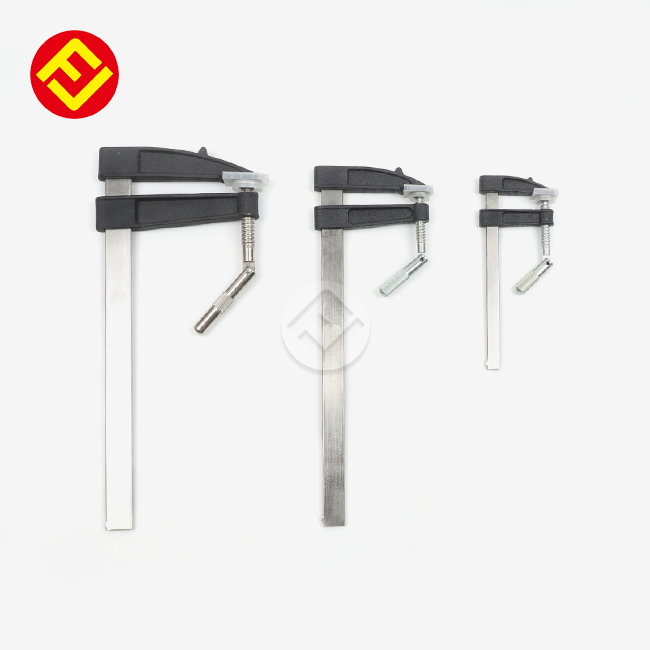
| Specification | Total Length (mm) | Total Width (mm) | Clamping Length(mm) | Clamping Width (mm) |
| 6 Inch | 248 | 110 | 160 | 60 |
| 12 Inch | 395 | 110 | 308 | 60 |
| 18 Inch | 550 | 110 | 460 | 60 |
| 4 Inch | 700 | 110 | 615 | 60 |
| 0 Inch | 850 | 110 | 765 | 60 |
| 36 Inch | 1000 | 110 | 915 | 60 |
Introduction
Pipeline installation projects always run into practical problems that delay finish dates, lower worker output, and make it harder to follow safety rules. Putting pipe pieces together and making sure they are straight takes a lot of time and can throw off even the best-planned jobs. Manual alignment needs more than one person, needs to be done over and over, and there is a big chance that the joints will not be lined up correctly, which can damage the structure and cost a lot to fix.
This article looks at how dual-head locking technology solves these ongoing problems. This study was made for procurement managers who are thinking about buying a lot of tools, site supervisors who are in charge of installation teams, and engineering pros who are in charge of making sure projects run smoothly. You'll learn how choosing the right clamping solution can make a difference in the speed of installation, the quality of the joints, and the overall cost of the project by looking at design features, performance measures, and real-world application strategies. The ideas presented here come from almost 40 years of manufacturing experience as well as feedback from contractors who have worked on a wide range of pipeline projects in the plumbing, construction, and industrial sectors.
Assessing Current Pipeline Installation Challenges
Manual Handling Limitations in Pipeline Assembly
When positioning and securing pipe sections, pipeline assembly crews often run into physical problems. Multiple workers are needed to lift, align, and hold heavy pipe segments in place while they are being fastened. This process uses up a lot of resources and raises safety concerns. Maintaining alignment by hand means that workers can't use Fastening Tools at the same time, which makes coordination difficult and slows down progress. Extreme temperatures on outdoor job sites make workers even more tired, which makes it harder for them to stay focused for long periods of time.
Alignment Inconsistencies and Their Downstream Impacts
Pipe joints that aren't lined up right cause problems that last long after the work is done. Turbulence is caused by internal steps or offsets at connection points in fluid systems. This makes the flow less efficient and creates possible breakdown places when pressure is applied. Construction projects with tight standards can't handle the differences in size that come from clamping that isn't done correctly. Alignment problems are often found during quality control checks, which leads to more work that takes time and materials and delays the next stages of the project.
Economic Consequences of Inefficient Clamping Methods
An incorrect locking system can cost you money in a number of different areas. The cost of labour goes up when teams spend too much time on alignment jobs that could be done faster with the right tools. Material waste from pipes that were damaged during bad installation adds directly to costs. When alignment-related repair causes project delays, contractors can be fined and have their names hurt. When procurement teams look at buying tools, they have to compare these secret costs to the cost of buying better clamping solutions up front, which would stop these kinds of loses.
By understanding how these problems are connected, you can see why clamping technology needs to be carefully thought through when planning a purchase. The right tools don't just keep pipes safe; they completely change how efficiently work gets done and how much a job costs.
Understanding Double-Head Clamps and Their Design Features
Core Structural Advantages of Dual-Point Gripping
Double-Head Clamps have two separate or synchronised gripping points that hold on to the object from different directions or sides. This basic design spreads the force evenly, which is something that single-point clamps can't do. When you use standard g-clamps or bar clamps to hold pipe sections together, they can move and slip. The dual-head design stops this from happening. Since each head acts as an anchor point, they together make a strong framework that stays in place during building.
Its construction is made of flexible cast iron and precision steel screw rods, which give it the power it needs for tough jobs while keeping its shape under load. Our production method, which includes casting, precise machining, and careful assembly, makes sure that every part is made to exact specifications. The painted or electroplated finish choices offer corrosion protection that works well in a range of working conditions, from climate-controlled workplaces to open building sites.
Versatility Across Application Scenarios
These tightening tools are great for more than just working on pipelines. The people who work with wood depend on them for panel splicing jobs where keeping large surfaces flat is very important. When welding or fastening corner joints, the steadiness that comes from having two heads on a tool helps with frame assembly chores. The adjustable head design can work with irregularly shaped workpieces that would be hard for fixed-position clamps to hold.
They are used by construction teams for temporary links between structures and the building of formwork, where a strong hold is needed even when the structures are moving and vibrating. With rapid adjustment, workers can switch between different pipe lengths or workpiece sizes without having to change tools. This cuts down on the time they need to wait between jobs. Because they can be used for many different types of projects, they are useful additions to tool collections.
Material Selection and Performance Characteristics
Cast iron that can be shaped was chosen as the main building material after careful technical thought. This metal is stronger than regular grey iron when it comes to impact protection and still has great compressive strength. Because the material is flexible, it doesn't break easily when it's hit with shock loads, which can happen on busy job sites. Steel screw rods have the thread accuracy and tensile strength that are needed to keep the clamping force the same over thousands of cycles.
During production, our ISO9001-certified quality management system oversees checking materials, checking dimensions, and testing functionality. Load tests are done on each batch to make sure the threads stay strong at the maximum torque. The quality of the surface finish is checked to make sure that the level of protection and appearance stays the same. These quality control steps directly lead to reliable work in the field that buying teams and site leaders can count on.

How Double-Head Clamps Break Performance Bottlenecks in Pipeline Installation
Accelerating Alignment and Securing Operations
The two-head design directly addresses the most time-consuming part of installing a pipeline: getting and keeping the orientation while connecting. With the old ways, one worker has to hold the alignment while another operates the fastening tools, which means that each joint needs twice as much work. With dual-point clamps, one worker can secure both alignment and position at the same time, leaving the second worker free to do other work. This worker efficiency adds up over the course of hundreds of joints in most projects.
The rapid-adjustment screw mechanism of Double-Head Clamps lets workers quickly change positions as they work through pipe sections of different sizes. Changing pipe sizes with regular clamps means taking them off and putting them back on again, but with flexible heads, you can use the same tool for a wide range of sizes. Observations on the job site show that this saves between three and five minutes per joint, which adds up to hours over the course of a project day.
Enhancing Precision Through Mechanical Stability
Positional movement during fastening processes causes alignment mistakes that need to be fixed at a high cost. With two clamping places, you can make a rigid frame that can handle the torque and pressure that come from tightening bolts or welds. The balanced force distribution stops the workpiece from rotating, which is something that single-point clamps let happen. This keeps the precise positioning that was set up at the beginning.
It is very helpful to have this mechanical steadiness when working with thin-walled pipe, since clamping pressure can distort it. The force spread across two heads lowers point loading, which keeps the pipe round, which is important for keeping the seal at threaded joints intact. After clamping, measurements were taken to make sure that properly used dual-head clamps kept the pipe's shape within the limits set by ASME B31.3 standards.
Ergonomic Benefits Supporting Sustained Productivity
When installing a pipeline, the physical demands put a strain on the workers over the course of the project. The design of ergonomic tools affects how well crews can do their jobs as they get tired. When workers use dual-head clamps, they don't have to keep their grip as strong because the screw system locks the position firmly. This is very different from spring clamps, which need constant hand pressure, or quick clamps, where users have to stay in odd poses while adjusting.
When you use quality clamps, the shape of the handle keeps your hand and wrist in a normal position. This makes it easier to do the repeated clamping tasks that are common in pipeline projects. Less operator fatigue means more consistent work quality across shifts and a lower risk of injury, both of which affect how quickly projects are finished and how many workers are available.
Here are the core performance improvements these tools deliver to pipeline installation operations:
- Time efficiency gains: alignment and stabilising time per joint is cut by 35–40% compared to standard single-point clamping methods, which directly speeds up project finish plans
- Labor optimization: tasks that used to need two workers can now be done by one person, which effectively doubles the number of workers that can work on different project sites at the same time
- Precision consistency: Mechanical stability keeps alignment within ±0.5 mm error during fastening processes, meeting strict size standards and lowering the number of inspection fails
- Operator sustainability: the ergonomic design lowers physical strain and tiredness, supporting steady output across full shifts and reducing time lost due to injuries
These performance traits combine to turn pipeline installation from a process that takes a lot of work to one that goes quickly. The efficiency gains are especially noticeable on big projects with hundreds of joints that need to be put together—contexts where even small time savings per joint add up to big schedule accelerations.
Comparison of Double-Head Clamps with Alternative Clamping Solutions
Performance Against Single-Point Clamping Methods
Standard bar and g-clamps only touch at one point, which makes the force distribution uneven. This uneven loading lets parts turn or move while they are being fastened, which is the main reason why alignment mistakes happen in pipeline assembly. While spring clamps are easy to use, they don't have the long-lasting force that is needed for heavy pipe sections and don't offer much positioning support during welding or bolting.
These problems can't happen with Double-Head Clamps because they use balanced, two-point contact to make a stable reference frame. Comparative tests show that dual-head designs keep their place 3–4 times more regularly than single-point options when they are exposed to the shaking and force that are common in pipeline fastening. The stronger grip makes it possible to securely hold larger diameter pipes that would need more than one single-point clamp. This makes setup easier and cuts down on the number of tools that need to be kept on hand.
Selection Considerations Within Dual-Head Categories
There are different designs within the dual-head category that are best for different types of applications. Heavy-duty types have stronger castings and bigger screw rod diameters so they can handle more weight in structural pipeline uses. These have a stronger holding force, but they are heavier, which could make them harder for operators to handle during overhead installations or long periods of use.
Quick-release versions have cam systems or trigger releases that make clamp removal faster when setting needs to be done often. This faster speed comes with a lower maximum clamping force when compared to models that use screws. When making decisions about what tools to buy, you should make sure that the specs match the needs of your main applications. For example, structural builders should look for models with the highest strength, while business plumbing operations may value tools with rapid-cycle capability.
Brand Considerations and Procurement Strategy
When you work with reputable manufacturers, you can get expert help, regular product quality, and the ability to make your own configurations. Purchasing teams that handle large orders benefit when suppliers offer a wide range of SKUs that can meet the needs of different projects without having to work with multiple vendors. Manufacturers of good Products" target="_blank" style="color:blue" >products give detailed information about their products, such as clamping force ratings, dimensional capacity ranges, and material certifications. This information is necessary to match the right tools to the needs of a project.
FLA Industrial & Trading Co., Ltd. has been making clamping tools for almost 40 years and has over 1,000 product specs to meet a wide range of customer needs. Our long-term supply partnerships with Fortune Global 500 companies show that we meet the high standards for quality and dependability that large-scale businesses need. Over 2,000 tonnes of standard goods in stock and the ability to make products to order ensure that buying teams can get what they need right away and get solutions that are specifically made for their needs.
Ensuring Long-Term Efficiency: Maintenance and Best Practices
Preventive Maintenance Protocols
For clamping tools to keep working well, they need regular maintenance that targets the parts that are most likely to wear out or break down in harsh environments. The threaded screw rods need to be cleaned often to get rid of the dust, metal chips, and welding sparks that build up and make them less smooth to use. Thread galling can be avoided by using the right lubricant once a week, like molybdenum disulphide or copper-free anti-seize products. This is especially important for stainless steel parts that are prone to this type of failing.
The surfaces of Double-Head Clamps clamping jaws need to be checked for deformation, excessive wear, or contamination. Damage to the surface at contact points causes stress concentrations that can leave marks on or change the shape of pipe surfaces. Painted finishes should be checked for chips or scratches that allow rust to reach the base metal, and any damage should be repaired immediately to maintain security. Electroplated finishes usually provide better corrosion resistance, but they still need to be inspected for damage when used in harsh chemical environments.
Troubleshooting Common Operational Issues
When maintenance isn't done or the tool is used incorrectly, it causes a number of problems that keep happening. Misaligned jaws are usually caused by uneven tightening or damage from impacts. This creates an uneven holding force that lets the object move. This problem needs to be taken apart and re-aligned, which is a process spelt out in the manufacturer's instructions and should only be done by qualified maintenance staff.
If a screw is hard to turn, it means that it needs more lubricant or that the threads are dirty. Taking things apart, cleaning them well with the right solvents, and putting new lubricant on them usually make them work smoothly again. Binding that won't go away could mean that the threads are damaged and the screw rod needs to be replaced. This repair lasts a lot longer than buying a whole new tool.
If the clamping force drops even after properly tightening, it means that the screw system is wearing out or that structure parts are deforming. By measuring the dimensions of old tools and comparing them to new ones, you can find parts that need to be replaced. Keeping fix parts on hand for tools that are used a lot cuts down on downtime when a part needs to be replaced.
Training and Safe Operating Procedures
The right way to use a tool has a big impact on how well it works. A lot of training should cover the right clamping force for each type of material. For example, too much pressure can bend thin-walled pipes, while not enough force lets them move around while they are being put together. Operators should know how to put clamps in place so that they don't get in the way of welding or the next steps in the building process.
Safety rules need to talk about pinch points that happen during adjustments and the risks of a clamp breaking suddenly under load. During training, it's important to stress the need for personal protective equipment, especially eye and hand protection. Clear writing down of working methods, maintenance schedules, and troubleshooting instructions helps crews follow the same rules and makes it easier to share knowledge when the make-up of the workforce changes.
By implementing these maintenance practices and operational standards, organizations protect their clamping tool investment while ensuring consistent performance that supports efficient pipeline installation. The relatively modest time investment in preventive maintenance delivers substantial returns through extended tool life and reduced unplanned downtime.

Conclusion
Double-Head Clamps are a smart investment that improves the efficiency of installing pipelines by solving the main problems of accurate alignment, fast locking, and consistent operation. The dual-point gripping design has measured benefits, such as a 35–40% decrease in the time needed to assemble each joint, the ability for a single user to replace two-person teams, and mechanical stability that keeps tolerances within industry standards. These changes in performance add up over the course of the project, turning small savings at each part into big time and money savings.
When making a purchase choice, people should think about not only how much the tool itself costs, but also how much it will save in labour costs, how much it will save in repairs, and how much faster the project will be finished. The strong, malleable cast iron construction, precision steel parts, and proper maintenance procedures make sure that these tools will last for years of hard use. Companies that want to be operationally excellent know that choosing the right strategy tools is more than just a cost; it's an investment in getting a competitive edge.
FAQ
What pipe diameter ranges can dual-head clamping tools accommodate?
High-quality dual-head clamps usually have head configurations that can be adjusted to fit diameters from 1 inch to 12 inches. Heavy-duty types can go up to bigger sizes. The exact capacity depends on which model is chosen. Procurement teams should compare the dimensions given to their main pipeline sizes to make sure they cover enough without being too specific.
How do dual-head designs perform with different pipe materials?
The steel screw rods and flexible cast iron design make it easy to work with ferrous pipe, PVC, copper, and stainless steel. When it comes to material compatibility, the main thing that matters is protecting the contact surface. For example, clamps made of stainless steel should have stainless steel contact shoes to keep ferritic contamination from happening. Jaw padding may help keep soft materials like copper from getting marks on the surface.
Can these clamps integrate with automated assembly systems?
Dual-head clamps work well in semi-automated processes where mechanical placement systems do the initial adjustment and workers use clamps to secure things. Fully automatic integration needs models that are operated by gas or hydraulic systems, which can be made to order. Standard manual types are still the best for installations in the field where automation infrastructure is not possible.
Partner with FLA Industrial & Trading Co., Ltd. for Superior Double-Head Clamps
Transform your pipeline installation efficiency with industrial-grade clamping solutions from FLA Industrial & Trading Co., Ltd., a trusted double-head clamps manufacturer serving global markets for nearly 40 years. Our ISO9001 certified production delivers the precision and durability that Fortune Global 500 companies depend on, now available to support your project success. With over 2,000 tons of inventory ensuring immediate availability and customization capabilities providing tailored solutions within 7-15 days, we eliminate the supply delays that jeopardize project schedules. Contact our technical team at sales@flaindustrial.com for specification guidance, competitive bulk pricing, and the responsive support that keeps your operations moving forward. Discover how strategic tool partnerships drive measurable improvements in installation speed, quality consistency, and project profitability.
References
1. American Society of Mechanical Engineers. (2020). "ASME B31.3: Process Piping Design and Construction Standards." New York: ASME Press.
2. Construction Industry Institute. (2019). "Productivity Metrics in Pipeline Construction: Tool Selection and Workforce Efficiency." Austin: University of Texas Publication Series.
3. International Organization for Standardization. (2021). "ISO 9001:2015 Quality Management Systems: Requirements for Industrial Tool Manufacturing." Geneva: ISO Standards Catalogue.
4. National Association of Pipe Fabricators. (2018). "Best Practices for Pipe Alignment and Fastening in Commercial Construction." Indianapolis: NAPF Technical Publications.
5. Welding Research Council. (2022). "Fit-Up Tolerances and Joint Quality in Pipeline Welding Operations." Bulletin 548, New York: Welding Research Council.
6. American Welding Society. (2020). "AWS D10.12: Recommended Practices for Welding Austenitic Stainless Steel Piping and Tubing." Miami: AWS Technical Standards Division.