A Guide to Selecting Fire Protection Flanged Valves for Safety
2026-07-13 11:17:22


For procurement managers, project engineers, and building leaders, knowing how to choose valves requires more than just knowing the specs. The long-term performance of a system is affected by the type of materials used, the pressure levels, the manufacturer's dependability, and compliance with certifications. Because decades of infrastructure depend on these important parts, making smart choices saves both lives and property. This guide goes over important things you need to think about when picking fire protection flanged valves that meet strict safety standards and work reliably in tough industrial settings.


Specifications |
||
| Model(DN) | Valve Body Type and Rod Weight(kg) | Valve Body Length |
| DN40 | National Standard Medium Body Steel Rod,5.5 kg | Approx.14.3cm |
| DN40 | National Standard Large Body Steel Rod,7.5 kg | Approx.16cm |
| DN50 | National Standard Body Steel Rod,6.5 kg | Approx.17.3cm |
| DN50 | National Standard Medium Body Steel Rod,7.5 kg | Approx.17.5cm |
| DN50 | National Standard Large Body Steel Rod,9 kg | Approx.17.2cm |
| DN65 | National Standard Body Steel Rod,7.5 kg | Approx.18.5cm |
| DN65 | National Standard Medium Body Steel Rod,8.5 kg | Approx.18.6cm |
| DN65 | National Standard Large Body Steel Rod, 10.5 kg | Approx.18.5cm |
| DN80 | National Standard Body Steel Rod,9 kg | Approx.20cm |
| DN80 | National Standard Medium Body Steel Rod,10.5 kg | Approx.20cm |
| DN80 | National Standard Large Body Steel Rod, 12 kg | Approx.19.7cm |
| DN100 | National Standard Body Steel Rod, 10 kg | Approx.21.5 cm |
| DN100 | National Standard Medium Body Steel Rod, 12.5 kg | Approx.22.5cm |
| DN100 | National Standard Large Body Steel Rod, 17.5 kg | Approx.22cm |
| DN125 | National Standard Body Steel Rod, 19 kg | Approx.24.5 cm |
| DN125 | National Standard Medium Body Steel Rod,21 kg | Approx.25cm |
| DN125 | National Standard Large Body Steel Rod,24 kg | Approx.25cm |
| DN150 | National Standard Body Steel Rod,20 kg | Approx.26cm |
| DN150 | National Standard Medium Body Steel Rod,23 kg | Approx.26.2cm |
| DN150 | National Standard Large Body Steel Rod,29 kg | Approx.26.3cm |
| DN200 | B-hole National Standard Body Steel Rod,36 kg | Approx.28cm |
| DN200 | 12-hole National Standard Body Steel Rod,36 kg | Approx.28cm |
| DN200 | 3-hole National Standard Medium Body Steel Rod, 40 kg | Approx.28cm |
| DN200 | 12-hole National Standard Medium Body Steel Rod, 40 kg | Approx.28cm |
| DN200 | 3-hole National Standard Large Body Steel Rod,50 kg | Approx.28.4cm |
| DN200 | 12-hole National Standard Large Body Steel Rod,50 kg | Approx.28.4cm |
| DN250 | National Standard Medium Body Steel Rod,70 kg | Approx.32.5cm |
| DN250 | National Standard Large Body Steel Rod,80 kg | Approx.32.5cm |
| DN300 | National Standard Medium Body Steel Rod,85 kg | Approx.35cm |
| DN300 | National Standard Large Body Steel Rod,111.5 kg | Approx.35cm |
| DN350 | National Standard Large Body Steel Rod, 150 kg | Approx.37.5cm |
| DN400 | National Standard Large Body Steel Rod, 175 kg | Approx.40.5cm |
| DN450 | National Standard Large Body Steel Rod, approx.251.5 kg | Approx.430cm |
| DN500 | National Standard Large Body Steel Rod, approx.340 kg | Approx.45.5cm |
| DN600 | National Standard Large Body Steel Rod, approx.450 kg | Approx.50.7 cm |
Understanding Fire Protection Flanged Valves
What Makes These Valves Essential for Fire Safety?
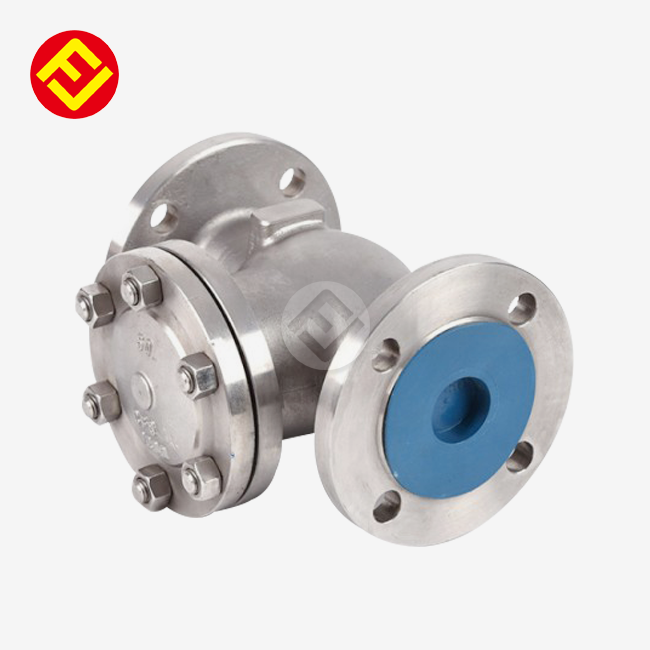
Fire protection flanged valves are specialized parts that are used to separate and control fire prevention infrastructure. Unlike most industrial valves, these units must still work even after years of not being used, starting right away in case of an emergency. The flanged connection design seals better than threaded options, especially in bigger diameter situations where 200 to 300 PSI pressure surges can happen when the pump is turned on. This strong way of connecting uses bolted flange connectors that spread mechanical stress out widely, making it less likely that the joint will break at crucial times.
These valves control the flow of water in sprinkler networks, hydrant systems, and standpipe setups. The flanged design lets maintenance teams separate parts of the fire protection system without shutting down the whole network. This lets them fix things while other areas keep working. This sectional control is very useful in big buildings that need to have constant fire defense coverage.
Common Valve Types and Their Applications
Different types of valves are used for different tasks in fire safety devices. Widely used for major isolation points, gate valves with Outside Screw and Yoke (OS&Y) designs are great because the visible stem makes it easy to see whether the valve is open or closed. When emergency workers arrive at a spot, they can check the state of the system right away without needing any special tools or gauges.
Butterfly valves are good for large-diameter uses where space is limited because they take up less room when installed and have lower pressure drops. Check valves stop backflow, which protects pumps and keeps the purity of the directed flow. It's not usual for ball valves to be used in main fire lines, but they are useful in test lines and secondary links where quarter-turn operation is useful.
The choice of material has a direct effect on how long and reliably a valve works. Ductile iron that meets ASTM A536 Grade 65-45-12 has better tensile strength and impact protection than regular cast iron, making it better for tough setups. Different types of carbon steel offer extra strength for high-pressure uses, and special coats keep them from rusting in harsh conditions.
Pressure Ratings and Temperature Considerations
The right pressure rates for fire protection flanged valves depend on how they are used. Working pressures are usually between 175 PSI and 300 PSI, but the exact needs depend on the height of the building and the pump's specs. To make up for elevation head losses and get enough flow to the upper floors, high-rise buildings need higher pressure rates.
Temperature standards usually cover ranges from -20°C to 120°C, which is enough for most climates and indoor setups. But for specific uses, like petrochemical plants or cold storage buildings, the temperature values may need to be longer. Knowing the working range makes sure that valves work reliably even when temperatures change because of the season or the process.
Key Factors to Consider When Choosing a Fire Protection Flanged Valve
Safety Certifications and Compliance Standards
Fire protection flanged valves are chosen based on how well they meet regulations. Valve approval from Underwriters Laboratories (UL) under UL 262 standards shows that they meet strict safety and performance standards. FM (Factory Mutual) approval through FM Class 1120/1130 testing shows that it can be used for fire safety in businesses and factories. These certifications from a third party give customers peace of mind that the goods will work as promised in a situation.
The National Fire Protection Association (NFPA) sets guidelines for how systems should be built and which parts should be used. NFPA 13 for sprinkler systems and NFPA 14 for standpipe installs list specific valve standards that buying teams need to check while making choices. In addition to basic approvals, valves should have permanent casting marks that show their certification status. This way, inspectors can check for compliance during regular audits.
Building codes across different jurisdictions may impose additional requirements. Working together with the officials in charge of the area makes sure that the chosen valves are in line with all the rules that apply. This keeps expensive repairs or modifications from being needed during the final inspections.
Sizing and Flow Coefficient Analysis
The right valve size keeps the system from underperforming and makes sure that the hydraulic formulas match what the designer intended. When designing a sprinkling system, full-bore gate valves keep head loss low, which is important for hydraulic calculations. The flow coefficient (Cv) tells us how much water flows through the valve at a certain pressure drop. This directly affects the size of the pump and the pressure needs of the system.
When valves are too small, they cause too many pressure drops, which lowers the flow that can reach spray heads or hydrant outputs. This makes it harder to put out fires and might be against the design specs. On the other hand, installing valves that are too big raises costs without improving efficiency. The best choice is made by matching the valve's width to the pipe's size and using hydraulic math software.
For systems serving Early Suppression Fast Response (ESFR) sprinklers in warehouse environments, the flow requirements are much higher than for other spray applications. The valves that serve these systems have to be able to handle the high K-factor sprinkler needs without causing system capacity issues.
Material Durability and Corrosion Resistance
Material choice is affected by the environment and the nature of the water. Ductile iron valve bodies have great mechanical qualities, but they need protective coats to keep them from rusting over time. Fusion Bonded Epoxy (FBE) coats that meet AWWA C550 standards usually have a dry film thickness of more than 250 microns. This makes them resistant to weathering and tuberculation.
Interior coatings prevent mineral growth that can make it hard to seal surfaces over time. Stainless steel stems and bolts are better at resisting rust than carbon steel ones, especially in damp places or near the coast, where salt air speeds up the process. Marine uses and offshore sites need better corrosion protection, which usually means using higher-quality coating systems or unusual metals for important parts.
Fire protection flanged valves can keep sealing bubble-tight even when dirt or rust Products" target="_blank" style="color:blue" >products build up in the line thanks to their resilient wedge designs and EPDM (Ethylene Propylene Diene Monomer) encapsulation. The compressible rubber can smooth out small surface flaws, making up for situations where metal-to-metal seating valves wouldn't close properly.

Installation and Maintenance Best Practices
Professional Installation Protocols
The right way to setup something sets the stage for effective long-term use. To keep gaskets from getting crushed or uneven loads that lead to leaks, the flanges must be lined up so that they are perfectly level before the bolts are tightened. Instead of fully torqueing each bolt one at a time, bolt torque sequences should follow a star design, gently tightening fasteners over several passes. This method makes sure that the seal is compressed evenly and that the stress is spread out evenly.
Valve orientation for a fire protection flanged valve is important for proper function and easy entry for repair. When installing OS&Y gate valves, the stems should be placed so that they can be inspected visually and the handwheel should face areas that are easy to get to. Putting in valves with stems that are horizontal or upside down can trap air holes or let sediment build up, which can damage internal parts.
Pipe supports near valve installations keep the system's weight or heat growth from putting stress on the pipes. Flanged joints should never hold more weight than they were designed to. Putting the support in the right place saves the integrity of the valves and keeps them aligned throughout the system's service life.
Scheduled Inspection and Preventive Maintenance
Most of the time, fire prevention devices are not in use, which makes maintenance more difficult. Once a year, exams should make sure that valves can be reached, look for damage or corrosion that can be seen, and make sure that OS&Y stems show the right open states. Mineral deposits or rust bonds can cause valves to seize up if they are not used through their full trip cycles.
Monitoring panels with tamper switches let building management know when valves are moved from their normal places. This keeps fire protection zones from being turned off by accident. During inspections, these tracking devices are tested to make sure they work properly and send alarm messages to monitoring units.
Pressure testing makes sure that the system is working properly and finds any possible leaks before they make it harder to help people in an emergency. For wet pipe systems, it is normal to test them hydrostatically at 200 PSI for two hours. Any drop in pressure means there is a leak that needs to be found and fixed.
Lubrication points on valve stems need periodic attention using appropriate lubricants compatible with potable water systems. Too much oil draws dirt and dust, and not enough lubrication speeds up wear and raises working torque.
Troubleshooting Common Issues
Flange connections that leak often happen because the bolts aren't tight enough, the gaskets are broken, or the closing surfaces are corroded. Tightening nuts to the right torque level stops most leaks, but seepage that won't go away needs to be taken apart to check the state of the gasket and the sides of the flanges. The material of the gasket should match the conditions of use. For most water uses, EPDM or Nitrile mixtures are good choices.
When valve stems get hard to move, it means that there is rust, mineral buildup, or not enough lubricant. If you try to push a stuck valve, you could damage other parts. To fix something properly, you have to carefully take it apart, clean it, check for wear, and then put it back together with the right kind of grease.
Chattering or shaking during flow conditions could mean that the pipe is partially closed, that trash is getting in the way, or that there is cavitation from too much pressure loss. The root cause is found by checking that the door is fully open and looking at the internal parts. If there is persistent vibration, a hydraulic study may be needed to find out if the system is working outside of its intended limits.
Procurement Insights for Fire Protection Flanged Valves
Evaluating Supplier Capabilities
Supplier selection is more than just choosing the right product. It also includes the quality of the making, the availability of expert help, and the dependability of delivery. Companies that have ISO 9001 certification show that they are dedicated to quality management systems that make sure that production standards are always met. By asking for proof of material certifications, test records, and controls over the making process, you can see for yourself how good the product is.
Lead times and transportation prices are affected by global distribution networks. Standard products can be delivered faster when suppliers keep supplies in nearby warehouses, but products made to specific requirements may need longer production times. Knowing how much can be made and how long it usually takes to get things, helps procurement managers plan projects realistically and keep their schedules from getting messed up.
Having technical support skills for fire protection flanged valve is helpful when making specifications and fixing problems. Beyond just supplying products, suppliers who give 3D modeling services, help with hydraulic calculations, and application engineering support add a lot of value. Having access to experienced expert staff speeds up the process of solving problems and makes sure that the right product is chosen.
Total Cost of Ownership Analysis
The initial buying price is only one part of the total costs over the product's lifetime. The cost of installation depends on the type of valve and how complicated the link is. Most of the time, flanged valves are easier to install than welded valves because they don't need as much skilled work.
Long-term costs are affected by the need for maintenance. Downtime and repair costs are kept to a minimum with valves that are easy to service and have internal parts that can be replaced. Having access to spare parts and local service help can change how repair is planned and how much it will cost.
Warranty terms show that the company that made the product is confident in its quality. Comprehensive guarantees that cover parts, workmanship, and performance for long periods of time lower the risk. Knowing what the guarantee doesn't cover and how to file a claim will keep you from being surprised when problems happen.
Since these systems only work sometimes, energy use doesn't usually play a role in choosing fire protection valves. But the way pressure drops affects the size of the pump and how much it costs to run in places where flow tests or training exercises happen a lot.
Why Choose FLA Industrial's Fire Protection Flanged Valves?
Engineering Excellence Backed by Certifications
FLA Industrial & Trading Co., Ltd. has been making things for almost forty years and knows how to make fire protection flanged valves. Our engineering team uses both old-fashioned handiwork and modern, precise machining to make valves that meet the strict needs of life-safety purposes. Every unit goes through strict quality control steps that are in line with ISO 9001 standards. This makes sure that the quality is the same from one production run to the next.
Our fire protection flanged valves have important certifications like UL listing, FM approval, and CE marking, which show that they meet international safety standards. These references show that we are dedicated to making goods that work reliably when lives depend on them. Some of the tests that are done are operational cycling under load, hydrostatic pressure validation, and measurement verification to make sure that each valve meets the published specs.
Material selection emphasizes durability and corrosion resistance. For valve bodies, we use ductile iron that meets ASTM A536 standards. This type of iron has better dynamic qualities than regular cast iron. When controlled methods are used to apply anti-corrosion coatings, they form safe barriers that make things last longer in harsh settings. Internal parts made of stainless steel don't break down easily, so they keep working smoothly for decades.
Customization Capabilities for Unique Requirements
Our production options are open enough to handle unique requirements that go beyond what is listed in our catalog. The same level of quality care is put into projects that need non-standard pressure grades, special flange configurations, or changed measurements as production items. The engineering team creates detailed 3D models that can be seen and checked for fitting before production starts. This gets rid of any doubts and makes sure that the new system works perfectly with the old one.
Customizing materials can include making special metals, better coating systems, or bolt materials that work best in certain environments. Our metallurgy experts work with clients to find the best mixtures of materials that meet performance needs and stay within budget.
There are different types of actuators, such as gas actuators, electric motor operators, and handwheels that can be operated by hand. Because they are so flexible, fire safety systems can be set up to work remotely or automatically, depending on the needs of the project.
Responsive Support Throughout the Procurement Process
One thing that sets FLA Industrial apart is its excellent customer service, which starts with the initial request and continues throughout the lifecycle of the product. Answers to technical questions are sent within 24 to 48 hours, which keeps projects going forward by letting information move quickly. Our sales team at sales@flaindustrial.com works directly with procurement managers to make sure that specifications are clear, that products are available, and that shipping times work with the schedules for building.
As part of documentation support, certified material test results, dimensional inspection data, and copies of the certifications needed for submission packages are given. This all-around method makes the approval process easier and shows reviewing authorities that the product meets their requirements.
After-sales help doesn't end when the product is delivered. During the system's operating life, installation instructions, upkeep suggestions, and troubleshooting help will always be available. Our business philosophy is to build long-term relationships with clients, because we know that a successful job today can lead to new possibilities tomorrow.

Conclusion
When choosing fire protection flanged valves, you need to pay close attention to safety standards, the material's durability, the right size, and how reliable the provider is. These important parts keep people and things safe for decades at a time, with brief periods of critical function. Knowing the different types of valves, their pressure ratings, and how often they need to be maintained helps procurement pros make choices that improve system performance while staying within budget. With a wide range of products, foreign certifications, and helpful expert support, FLA Industrial gives fire protection uses in industrial, commercial, and educational settings the quality and dependability they need.
FAQ
What certifications should fire protection flanged valves carry?
Fire protection flanged valves that are real must have both UL listing under UL 262 standards and FM approval through FM Class 1120/1130 ratings. These approvals from a third party show that goods have been tested and found to meet safety and performance standards. These licensing requirements are spelled out in NFPA standards that are used in building codes. They are necessary to follow the codes and get insurance approval.
How often should fire protection valves undergo inspection?
Annual inspections represent minimum requirements for most jurisdictions. Quarterly visual checks verify accessibility and proper stem position on OS&Y designs. Operating valves through full travel cycles annually prevents seizure from corrosion or mineral deposits. Systems in harsh environments or facilities with frequent system activation may benefit from more frequent inspection intervals.
Can fire protection flanged valves be customized for special applications?
Reliable makers let you change the pressure levels, materials, sizes, and ways the valves are activated. Early involvement of suppliers during the planning phase is helpful for projects with specific needs. Custom specs need to be carefully documented to make sure that the goods made meet the exact needs of the project and are in line with certification requirements.
Partner With FLA Industrial for Reliable Fire Protection Valve Solutions
To keep your building safe, you need tools that works perfectly in case of an emergency. FLA Industrial & Trading Co., Ltd. makes fire protection flanged valves that are approved to meet safety standards and are strong enough to last for decades of use. Our engineering team is ready to help you choose the right specifications, meet the needs of your unique design, and answer any technical questions you may have to make sure your system works at its best. Get in touch with our knowledgeable sales team at sales@flaindustrial.com to talk about your project needs and get accurate quotes from a reputable fire protection flanged valve maker. We provide the quality, licenses, and support that procurement professionals need for life-safety systems that are used by Fortune Global 500 companies and manufacturing sites around the world.
References
National Fire Protection Association. "NFPA 13: Standard for the Installation of Sprinkler Systems." 2022 Edition.
Underwriters Laboratories. "UL 262: Standard for Gate Valves for Fire-Protection Service." Eighth Edition, 2018.
American Water Works Association. "AWWA C550: Protective Interior Coatings for Valves and Hydrants." 2019 Edition.
Factory Mutual Global. "FM Approval Guide: Fire Protection Valves and Accessories." Class Number 1120, 2021.
American Society of Mechanical Engineers. "ASME B16.1: Gray Iron Pipe Flanges and Flanged Fittings." 2020 Edition.
American Society for Testing and Materials. "ASTM A536: Standard Specification for Ductile Iron Castings." Annual Book of ASTM Standards, 2019.
YOU MAY LIKE