Elevator Guide Rail Clamps Provide Stable Alignment for Elevator Guide Systems
2026-08-12 11:47:32


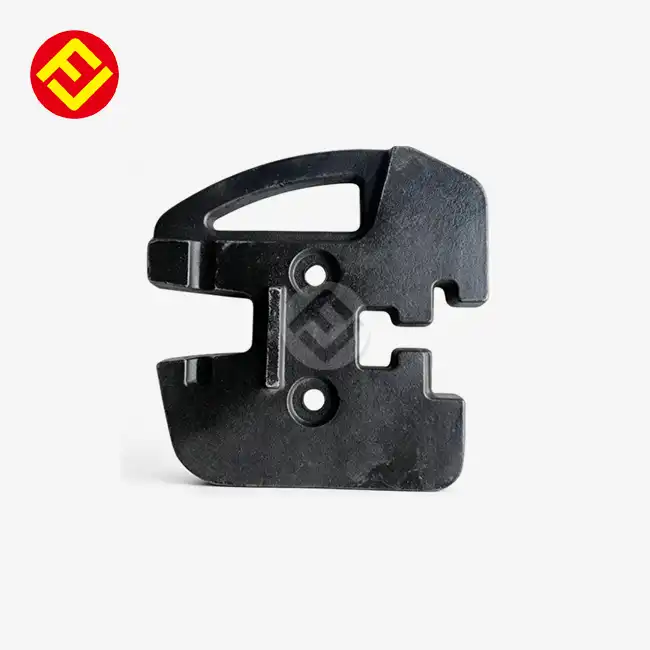
Elevator guide rail clamps serve as the critical connection between building structures and vertical transportation systems, securing guide rails to hoistway walls while maintaining precise alignment. These specialized fixation devices directly influence ride quality, passenger safety, and system longevity by preventing rail misalignment that could compromise elevator operation. Made from durable cast steel or cast iron with protective finishes like hot-dip galvanizing, quality clamps address challenges such as thermal expansion, vibration transmission, and structural settling. They ensure consistent rail positioning throughout the elevator's service life, making them indispensable for contractors, building managers, and maintenance teams focused on reliable vertical transportation performance.


Specification |
||
| Product Specification | Nominal Thread (M) | Nominal Length (mm) |
| 8K | 8 | 12-40 |
| 13K | 13 | 12-40 |
| 18K | 18 | 16-50 |
| 24K | 24 | 16-50 |
| 8K(12-40 Screw/Flat/Washer) Complete Set | 3K(12-40 Screw) | 12-40 Screw) |
| 13K (12-40 Screw/Flat/Washer) Complete Set | 13K(12-40 Screw) | 12-40 Screw) |
| 18K (16-50 Screw/Flat/Washer) Complete Set | 18K(16-50 Screw) | 16-50 Screw) |
| 24K(16-50 Screw/Flat/Washer) Complete Set | 24K(16-50 Screw) | 16-50 Screw) |
Understanding Elevator Guide Rail Clamps and Their Role in Elevator Systems
What Makes Guide Rail Clamps Essential to Elevator Safety?
Elevator Guide Rail Clamps are precision-engineered bridge parts that connect the fixed parts of a building to the moving parts of an elevator. According to ISO 7465 standards, their main job is to keep the rails straight and vertical, which has a direct effect on ride pleasure and operating safety. When installed correctly, these clamps stop the lateral movement of the rails while the elevator car moves through the shaft. This makes sure that the elevator runs smoothly at all speeds.
Material Composition and Performance Characteristics
Our Elevator Guide Rail Clamps are made at FLA Industrial & Trading Co., Ltd. from high-quality cast steel and cast iron that has been chosen for its high load-bearing ability. Cast steel has a higher tensile strength, usually over 400 MPa, which makes it perfect for high-rise buildings where structural demands are higher. Cast iron is very good at reducing vibrations and noise that travels to other parts of a building. This is especially useful in residential and hospitality projects.
To get tight tolerances on dimensions, the manufacturing method uses casting, precise machining, and forging. This two-step process makes sure that each clamp fits tightly against the rail ends, with no holes that could let the clamps move. Surface treatments are also very important for how long something works. Hot-dip galvanizing adds a zinc covering that protects against corrosion in damp shaft locations, and good paint finishes protect for a low cost in climate-controlled indoor settings.
Specifications Matched to Rail Profiles and Load Requirements
We offer a variety of product shapes and sizes that are made to work with common rail designs, such as T89, T75, and H18 types. The specification system uses nominal thread sizes of 8K, 13K, 18K, and 24K, which correspond to different bolt sizes and weights. With nominal lengths from 12 to 40 mm, the smaller 8K and 13K models are good for home and light commercial use. The larger 18K and 24K models, on the other hand, can handle the tough needs of freight elevators and high-speed systems with lengths up to 50 mm.
Fully assembled installation kits include clamps, screws of the right size, flat nuts, and all the other tools you need. This method gets rid of worries about compatibility and speeds up the buying process for contractors who are in charge of multiple installation sites. Each part meets the quality standards set by ISO9001 and the safety standards set by EN81. This gives building inspectors and project managers written proof of the quality.
Comparing Elevator Guide Rail Clamps: How to Choose the Best Fit for Your Elevator System?
Fixed versus Sliding Clamp Designs
Knowing how the different types of clamps work helps buying professionals choose the right options. Fixed clamps make links between rails and frames that are rigid. This works for trip heights below 50 meters, where thermal expansion is still doable. They work well in hydraulic systems in basements and low-rise traction lifts that are used in temperature-controlled areas.
Sliding clamps have spring-steel or elastomeric parts that let you control how the vertical rail moves. This system works with thermal expansion in tall buildings, where steel lines can get a few centimeters longer when the temperature changes. For installations higher than 100 meters, slide clamps are usually needed at the mounting points in between the rail stacks, with set points only at the bottom of the rail stack. This keeps the rails from buckling, which is dangerous, and the alignment is perfect.
Material Selection Based on Environmental Conditions
Standard galvanized steel clamps work well in business buildings that are indoors and have temperature control systems because they protect against corrosion, and for Elevator Guide Rail Clamps, coastal installations or panoramic glass elevators that are open to the weather need better materials, and AISI 304 or 316 grades of stainless steel can handle saline humidity without losing their shine, so they keep their structural integrity and good looks, and heavy Dacromet covering is an alternative way to protect things, and it can withstand 96 hours of neutral salt spray tests and is cheaper than solid stainless steel building. Coastal installations or panoramic glass elevators that are open to the weather need better materials. AISI 304 or 316 grades of stainless steel can handle saline humidity without losing their shine, so they keep their structural integrity and good looks. Heavy Dacromet covering is an alternative way to protect things. It can withstand 96 hours of neutral salt spray tests and is cheaper than solid stainless steel building.
Choosing between cast iron and steel also depends on what you want to use it for. Cast steel is the strongest material for freight lifts that move heavy machines or cars with uneven loads. Cast iron works great in places where noise is a problem because its natural vibration dampening stops sound from traveling through buildings. This is especially important in residential towers and hotels where guests' comfort depends on quiet operation.
Load Capacity Considerations for Different Elevator Types
In office buildings, passenger lifts usually have fairly balanced loads, and the weight is spread out in a way that is easy to predict. Standard clamp specifications can reliably handle these situations when they are matched to the rail size and car capacity. The problems with freight elevators and car elevators are different. Huge lateral forces put stress on the guide system when big cars enter the cabin. Wide-contact-surface clamps made for T127 or T140 heavy-duty rails stop the gauge from getting wider, which could make it harder for safety gear to connect during emergency stops.
Understanding these differences in application is helpful for building contractors who are in charge of a variety of projects. For cost savings, a residential development might use 8K or 13K clamps as standard. On the other hand, mixed-use developments that include freight service need 18K or 24K specifications for loading dock elevators. This strategic method makes the best use of both the funds and the long-term plans for maintenance.

Elevator Guide Rail Clamps Procurement: What B2B Buyers Should Know?
Supplier Verification and Quality Assurance
Hardware distributors and tool wholesalers who want to buy Elevator Guide Rail Clamps to resell must check the qualifications of the maker before signing a supply agreement. ISO9001 certification shows that production standards are followed from choosing the raw materials to checking the finished product. The EN81 approval is only for elevator safety parts and makes sure that the goods pass strict tests to make sure they are strong enough to withstand emergency braking loads.
Ask for proof of the steps used to check for measurement tolerances using go/no-go gauges to make sure that the jaw sizes match the thicknesses of the rail flanges. Reputable makers test random sample groups for tensile and shear strength to make sure clamps won't break when safety gear is put on. The quality of a surface coating is confirmed by checking it with salt spray for 48 to 96 hours, based on how long it will be exposed to the environment.
Custom Manufacturing for Specialized Applications
Construction companies have to deal with unusual installation situations that need non-standard setups. During renovations, the mounting dimensions may need to be changed to fit where the brackets are now. For space-constrained shaft situations, specialized systems like machine-room-less elevators sometimes need custom clamp shapes. Working with manufacturers that let you customize their Products" target="_blank" style="color:blue" >products is a good way to solve these problems.
Our engineering team at FLA Industrial & Trading Co., Ltd. sends 3D design plans for review within 24 to 48 hours. This lets project managers make sure the parts fit right before production starts. Custom orders usually ship between 7 and 15 days, which keeps projects on track and avoids delays that could lead to costly schedule slips. This quick turn-around is possible because they keep 2,000 tons of raw materials on hand and have flexible production schedules that can handle both small maintenance batches and big new-construction amounts.
Pricing Structures and Order Management
When buying in bulk, buyers weigh the unit cost against the total value, which includes the reliability of shipping and expert help, and for Elevator Guide Rail Clamps, minimum order quantities depend on the manufacturer and the level of detail in the specification, and standard configurations usually come in smaller batches, while custom designs might need production minimums that are higher than the cost of setting up the tools. Minimum order quantities depend on the manufacturer and the level of detail in the specification. Standard configurations usually come in smaller batches, while custom designs might need production minimums that are higher than the cost of setting up the tools.
Instead of just looking at the original buy price, procurement professionals should look at the total cost of ownership. When products meet the size requirements but fail early because of rust or material fatigue, it costs a lot to send them back. Grade 8.8 mounting bolts that come in full sets make sure that the right amount of pressure is maintained without shearing. This is an important detail that keeps things from breaking down in the field and needing to be replaced quickly and at high labor costs during off-hours.
Why Choose Trusted Brands and Suppliers for Elevator Guide Rail Clamps?
Certification Standards as Quality Indicators
There are international safety rules for elevator parts for a good reason: if they fail, terrible things can happen. Manufacturers who have more than one certification show that they are committed to quality management in all areas. ISO9001 makes sure that the production process is always the same, and CE marking makes sure that safety-critical uses sold in Europe are compliant. EN81 approval directly verifies how well elevator parts work when they are under a lot of stress.
These qualifications need to be tested and audited on a regular basis, not just once. Certification groups do surveillance visits once a year to make sure that written processes are still being followed. This oversight gives procurement managers peace of mind that quality standards will stay the same across production runs. This protects their image when they sell to maintenance companies and building builders.
Evaluation Criteria Beyond Price Comparison
When choosing suppliers for projects with more than one site, building contractors should look at a number of performance indicators. How quickly you answer technical questions affects how well you plan a project; waiting too long to get confirmations of specifications can throw off construction schedules. Production capacity tells you if a supplier can change delivery schedules to fit the stages of a project without running out of materials and making installation take longer than planned.
When things don't go as planned in the field, having technical support skills is very helpful. If the shaft dimensions don't match the drawings, can the supplier's engineering team suggest other configurations? Do they come with installation instructions that help crews avoid common alignment mistakes? These service elements set partners apart from sellers, especially for general builders who are in charge of subcontractors who may or may not have a lot of experience installing elevator systems.
Long-Term Partnership Advantages
Setting up consistent relationships with suppliers is good for companies that do electrical installation and facility maintenance. Standardizing on certain clamp types makes it easier to keep track of inventory and teach technicians. It is easier for maintenance crews to fix things and bring things up to date when they know exactly what the product needs. A lot of the time, bulk purchasing deals with chosen sellers offer better terms than buying parts on the spot market. They also make sure that the supply of parts meets the demand for service calls.
With almost 40 years of experience in making, FLA Industrial & Trading Co., Ltd. works with clients in the building materials and hardware sales businesses. Our history of working with Fortune Global 500 partners shows that we can meet strict quality standards and tight delivery times. This track record of dependability is important when your company's image rests on finishing a project on time and without any delays caused by parts.

Installation and Maintenance Best Practices for Elevator Guide Rail Clamps
Pre-Installation Preparation and Alignment Verification
The right way to fix something starts before the first Elevator Guide Rail Clamps is attached to a bracket. Site managers should make sure that the walls of the hoistways are plumb. Deviations in this area affect the line of the rails, which in turn affects the quality of the ride. Because the clamp adjustment range is still limited, it is important to be very accurate when placing the bracket. Even good clamps can't fix very bad alignment when brackets are mounted in the wrong place.
If you check all of the parts before you install them, you won't have to wait to find broken ones in the middle of the project. Check the Elevator Guide Rail Clamps surfaces for damage from shipping that could keep them from fitting flush with the rail flanges. Make sure that the bolt threads fit together easily and don't cross-thread, which could weaken the hold. Complete sets should come with the right number and size of washers. When parts are missing, crews have to make do with hardware that wasn't designed to work with the system, which weakens it.
Torque Specifications and Common Installation Mistakes
Tightening the bolts the right way has a direct effect on how well and how long the clamp lasts. Under-tightening lets vibrations cause loosening, which wears away the rail surfaces and eventually causes the bracket to break. When you over-tighten something, it can break cast parts or damage rail flanges, both of which need expensive repair. Torque requirements for M12 nuts are usually between 60 and 80 Nm, but these can change depending on the clamp design and maker suggestions.
When installing sliding clamps, things can get tricky. Too much force turns them into stiff fixed points, which defeats the purpose of their thermal expansion accommodation. Installers should carefully follow the manufacturer's instructions and use measured torque wrenches instead of guessing how tight something is by feel. When project engineers do quality checks, they should make sure that the right tools are being used and that random installations are being done correctly by measuring the torque.
Routine Maintenance Protocols for Extended Service Life
Maintenance teams that want to keep elevator systems reliable check the Elevator Guide Rail Clamps as part of normal service plans. Visual inspection finds early warning signs before things go wrong. If there are shiny spots on the rails near the clamps, it means that the fitting is loose and rattling. Tighten the bolts to the correct strength right away. Surface rust means that the layer is wearing away, which means that the structure needs to be cleaned and treated to protect it before rusting weakens it.
For sliding clamps with springs, check to see if the spring elements have completely flattened out from use, losing their ability to accommodate growth. Any moving of the side rails when the car passes means that the clamp has failed and needs to be replaced right away to keep the safety gear from breaking down during emergency stops. Documenting the results of inspections and the steps taken to fix problems creates an important maintenance history that helps with long-term system management and finds out if external factors cause certain shaft areas to wear out faster than others.
Conclusion
Choosing the right Elevator Guide Rail Clamps has a big effect on the performance, safety, and maintenance costs of an elevator system over its entire life. Procurement professionals can make better decisions when they know the differences between fixed and sliding designs, the best materials for the job, and the right way to install them. Quality clamps made to international standards stop common ways for things to go wrong and work with the structural and thermal problems that come with vertical transportation systems. Working with experienced suppliers that offer a wide range of products, technical support, and documented quality assurance is the key to completing successful elevator projects and running them reliably for a long time.
FAQ
When should contractors use sliding clamps instead of fixed clamps?
When an elevator travels higher than 40 to 50 meters or is installed in a shaft that experiences big changes in temperature, like with glass elevators that are out in the open, sliding clamps are needed. These designs keep the rails from breaking because of thermal expansion, which could cause them to be out of line in a dangerous way. Fixed clamps work well in low-rise hydraulic systems and climate-controlled indoor spaces where there isn't much flow of heat.
What torque specifications apply to different clamp bolt sizes?
How much torque is needed depends on the size of the bolt and the type of clamp. Most M12 bolts need between 60 and 80 Nm, but larger M16 fasteners may need higher values. If you tighten sliding clamps too much, they can become fixed mounting points, which takes away their ability to keep heat in. Always follow the directions given by the maker and use measured torque wrenches instead of impact tools, which are hard to control precisely.
How do maintenance teams identify clamp failures during inspections?
Shiny wear patterns on rail surfaces close to clamps mean that the fixing is loose and causes the rails to vibrate and rub against each other. Visual rust spots mean that the layer is wearing away, which needs to be fixed before the structure is damaged. Make sure that no bolts are sheared or loose, and that the springs in sliding clamps stay in the right place so that they don't flatten out permanently. If you can feel the side rail moving when the car goes by, it means that it needs to be replaced right away.
Partner with FLA Industrial & Trading Co., Ltd. for Reliable Guide Rail Fixation Solutions
FLA Industrial & Trading Co., Ltd. has the quality and service that building contractors, hardware distributors, and facility maintenance teams need when their projects need reliable vertical transportation parts. With almost 40 years of experience making Elevator Guide Rail Clamps, we use advanced casting, machining, and forging techniques to make fastening solutions that meet ISO9001 and EN81 approval standards. Our large inventory of over 2,000 tons makes it possible to quickly deliver standard specifications. On the other hand, our engineering team offers custom solutions and reviews 3D designs within 24 to 48 hours. Visit flaindustry.com or email sales@flaindustrial.com to talk about your unique needs and find out how our full line of guide rail clamps can help with your next elevator installation or renovation job.
References
1. American Society of Mechanical Engineers. (2019). ASME A17.1: Safety Code for Elevators and Escalators. New York: ASME Press.
2. International Organization for Standardization. (2021). ISO 7465: Guide Rails for Lifts and Service Lifts. Geneva: ISO Standards.
3. European Committee for Standardization. (2020). EN 81-20: Safety Rules for the Construction and Installation of Lifts. Brussels: CEN Publications.
4. Barney, G. C., & Dos Santos, S. M. (2018). Elevator Traffic Handbook: Theory and Practice. London: Routledge Engineering.
5. Strakosch, G. R., & Caporale, R. S. (2020). The Vertical Transportation Handbook: Fourth Edition. Hoboken: John Wiley & Sons.
6. National Fire Protection Association. (2022). NFPA 70: National Electrical Code for Elevator Equipment and Control Systems. Quincy: NFPA Publications.