What Makes Heavy-Duty American F-Clamps Reliable for Industrial Workshops?
2026-08-12 11:47:39


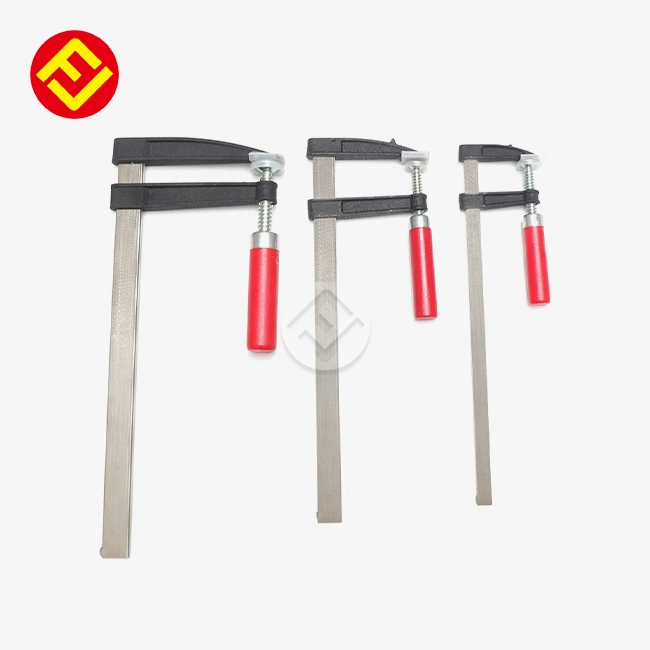
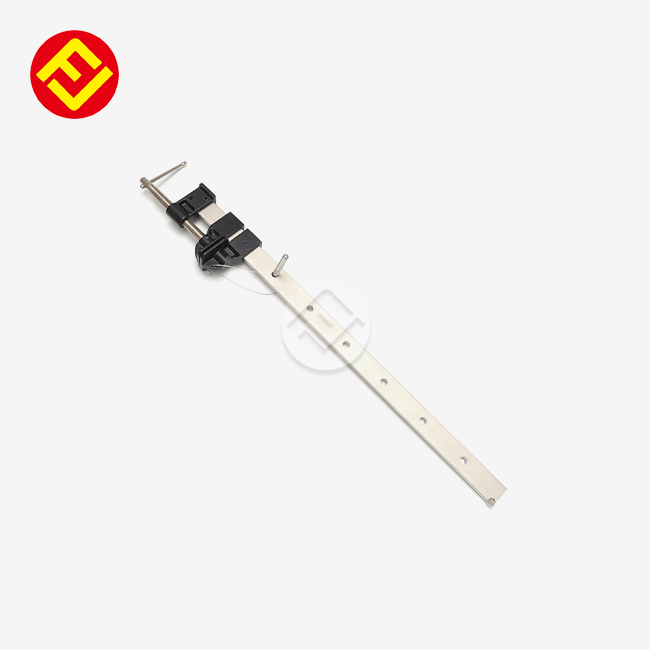
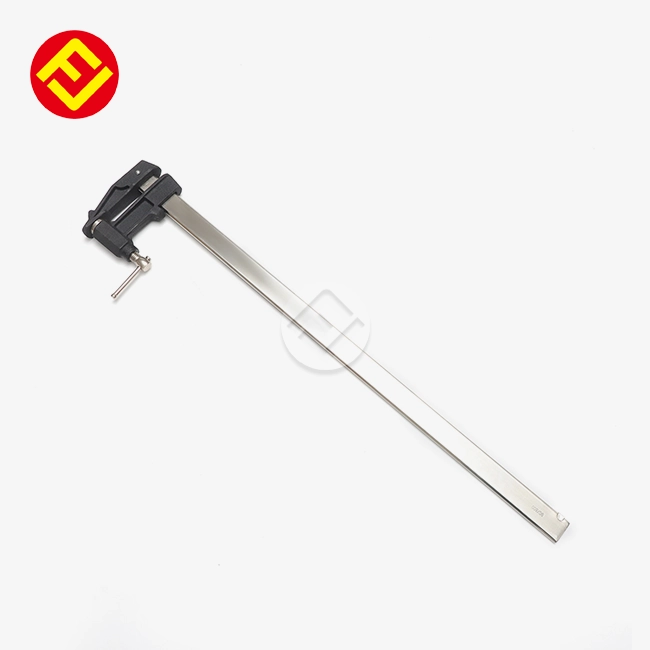
F-Clamps/heavy-duty-american-f-clamp">Heavy-duty American F-clamps earn their reputation through superior material construction, precision engineering, and proven performance under extreme loads. Unlike standard clamps, these industrial-grade tools feature malleable cast iron jaws paired with reinforced steel rails and screw rods, enabling them to sustain clamping forces exceeding 600 to 1,200 pounds without structural deflection or slippage. This exceptional strength-to-weight ratio, combined with advanced manufacturing processes including casting, forging, and precision machining, ensures consistent reliability across woodworking, metalworking, welding, and assembly applications where precision and stability are non-negotiable.


Specification |
|||
| Model | Overall Length(mm) | Shearing Capacity(mm) | Standard |
| 6 Inch | 150 | Ordinary | American Style |
| 10 Inch | 250 | Ordinary | American Style |
| 12 Inch | 300 | Ordinary | American Style |
| 18 Inch | 450 | Ordinary | American Style |
| 24 Inch | 600 | Ordinary | American Style |
| 30 Inch | 750 | Ordinary | American Style |
| 36 Inch | 900 | Ordinary | American Style |
Understanding Heavy-Duty American F-Clamps: Features & Benefits
In industrial workshops, tools need to work perfectly every time, every day. The Heavy-Duty American F-Clamp meets this challenge by making engineering decisions that put longevity and usefulness ahead of the cost-cutting measures that are common in lighter options.
Superior Material Construction Defines Performance
Choice of material is the key to making clamps that work well. Professional-grade Heavy-Duty American F-Clamps have jaw joints made of cast iron that can be shaped. This is a material that has great tensile strength and doesn't break when torqued. Medium-carbon steel, usually 1045 grade, is used to make the main bars because it is the best combination of stiffness and flexibility. This keeps "bar bowing" from happening, which messes up glue-ups and makes it harder to put together furniture and cabinets correctly.
Precision machining is used to make ACME threads in the screw rod assembly. These threads spread force evenly and keep the assembly from binding when making quick adjustments. This thread design lets fabricators and woodworkers get the most clamping pressure with the least amount of handle rotation. This keeps operators from getting tired during long production runs. When putting together several cabinet frames or holding steel plates for tack welding, this smooth operation directly leads to more work getting done.
Design Features That Address Real Workshop Challenges
The serrated rail design is another important new idea. The rail has about six serrations per inch that engage with a hardened steel clutch plate to keep it from sliding backwards when it is hit or vibrated, which can happen a lot in machine shops and on construction sites. The mechanical locking system makes sure that your piece of work stays still even when nearby equipment is running or when the metal expands during welding.
Different sizes have different throat depths and opening capacities. For example, 6-inch clamps are small enough for detailed joinery work, while 36-inch clamps are big enough for large panel glue-ups and structure manufacturing. Because it is so flexible, procurement managers can use the same clamp platform across all of their sites, even if different applications need different solutions.
Protective Finishes Extend Service Life
Long-term reliability is greatly affected by how the surface is treated. Painted finishes work well in climate-controlled workshops where cost is more important than rust protection. However, zinc-plated versions can handle harsh environments like construction sites, places where HVAC systems are being installed, and places with a lot of humidity. Because it corrodes more quickly than the base metal, the zinc covering acts as a sacrifice for security. Quality zinc plating meets ISO 9227 standards, as shown by independent salt spray testing. This means that clamps will continue to work even after years of heavy use.
Comparing Heavy-Duty American F-Clamps with Other Clamping Tools
Choosing the right tool for each job is important for making the workshop run smoothly. There are a number of clamping options available, and knowing the differences between them helps procurement pros make choices that are best for both performance and price.
How F-Clamps Differ from Quick-Release Mechanisms?
Quick-release clamps are very useful because they make it easy to change the position of the jaws in seconds instead of minutes. But this speed costs something. Quick-release designs usually have plastic bodies and trigger systems that can't handle the clamping forces needed for structure glue-ups or metal fabrication. When you're laminating hardwood tabletops or putting together staircase stringers, the hydraulic pressure of the adhesive can easily push past quick-release mechanisms, breaking the joint and throwing away the material.
Heavy-Duty American F-Clamps use threaded mechanical advantage to apply and keep pressure. The natural resistance of this design to pressure loss over time is called "creep" in the field of materials science. Good Heavy-Duty American F-Clamps keep at least 95% of their original force after 24 hours of use. This makes sure that your glue joints cure under steady pressure during the critical setting period.
Bar Clamps Versus F-Clamps in Load-Bearing Applications
Bar clamps have a long reach and are great for holding big sections together. Their parallel jaws make pressure spread out evenly over large areas. The standard bar clamp, on the other hand, gives up some stiffness for length. When clamping thick materials or using the most force, bar clamp rails can bend, causing pressure to be spread out unevenly.
Heavy-Duty American F-Clamps get around this problem with their unique frame geometry. The fixed jaw fits directly into the rail, making an L-shaped structure that is rigid and doesn't bend. Because of this, Heavy-Duty American F-Clamps are better for tasks like edge-gluing, putting together cabinet face frames, and other times when it's important to keep angles exactly 90 degrees. When putting together drawer boxes and door frames that need to be perfectly square, furniture makers really value this trait.
C-Clamps and Pipe Clamps in the Tool Ecosystem
C-clamps are great for metalworking tasks that need to be small and apply pressure to a specific area. Because they have a deep mouth, they can reach places that Heavy-Duty American F-Clamps can't. But C-clamps don't have the range of adjustments needed for different workpiece thicknesses, so shops have to keep a lot of different sizes on hand.
Pipe Clamps are a cheap way to clamp things that are too long, since they use standard plumbing pipe as the bar. Pipe clamps are cheaper than specialized Heavy-Duty American F-Clamps, but they take longer to set up and take up more room. The threaded pipe links can also make the clamping system less precise in situations where alignment is very important.
By knowing these differences, buying managers can make sure that their tool stocks are well-balanced and meet all of the needs of the workshop, without having too many or too few tools.

How to Choose the Right Heavy-Duty American F-Clamp for Your Workshop?
To choose the right clamping equipment, you need to match the technical specs to the needs of the application. Ignoring important factors can cause tools to break down early, lower-quality work, or needless capital expenditure. Selecting the appropriate Heavy-Duty American F-Clamp ensures project stability and safety.
Evaluating Load Requirements and Safety Margins
First, figure out how much gripping force your apps need. Usually, 600 to 800 pounds per clamp are needed for structural wood lamination to make sure that the glue sticks to all areas. Fixtures for welding might need at least 1,000 pounds of force to stand up to heat expansion forces that can move parts around during tack welding.
Add extra space for safety. Running clamps at their full rated capacity speeds up wear and raises the risk of failure. If you choose clamps that are ranked 20 to 30 percent higher than your normal needs, you'll have extra room for difficult jobs now and then, and the tools will last longer because they won't be stressed as much.
Size Selection Based on Workpiece Dimensions
The largest thickness of your workpiece plus clamping blocks or protective pads must fit through the opening of the Heavy-Duty American F-Clamp. When woodworkers glue 3-inch-thick butcher block countertops together, they need at least a 4-inch capacity to make room for caulks and distribution blocks. Installers of cabinets who are attaching face frames to carcasses need enough width to reach the sides of the cabinets and give the moving mouth a place to grip.
How close you can press against an edge depends on how deep your throat is. Most throats are between 2.5 and 5 inches deep. Deep-throat versions let you get to the inside joints, but they cost more and are heavier. Look at your normal work package to make sure you don't pay for space you won't use.
Manufacturing Standards and Certification
If a manufacturer has ISO 9001 certification, it means they have quality management systems in place that make sure their Products" target="_blank" style="color:blue" >products meet consistent standards. This approval is especially important when buying from other countries, where it might not be possible to directly check the facilities. FLA Industrial & Trading Co., Ltd. has been in business for almost 40 years and has always followed ISO 9001 standards. This means that you can be sure that every Heavy-Duty American F-Clamp that leaves the factory meets the requirements.
Static load testing proves that the clamp works well under long-term pressure, and for Heavy-Duty American F-Clamp, manufacturers of good products put representative samples under rated loads for long periods of time and measure the pressure loss over time, and over the course of 24 hours, acceptable creep rates stay below 5 percent, and this keeps your assemblies clamped during the adhesive cure cycles. Manufacturers of good products put representative samples under rated loads for long periods of time and measure the pressure loss over time. Over the course of 24 hours, acceptable creep rates stay below 5 percent. This keeps your assemblies clamped during the adhesive cure cycles.
The bar deflection study shows that the rail keeps its elastic behavior under pressure, which means that it returns to zero deflection when the force is taken away. Permanent deformation means that the material wasn't properly spec'd or heated, which could affect the accuracy of future clamping.
Proper Use and Maintenance of Heavy-Duty American F-Clamps
Correct operating procedures and routine maintenance schedules are necessary for tools to last a long time and keep working well. Even the best-designed Heavy-Duty American F-Clamps break quickly if they are not used properly or are ignored.
Avoiding Common Usage Errors That Damage Clamps
By no means go over the stated holding force. Some operators use pipes to extend handles to get a mechanical edge, which creates forces that are far beyond what the tool was designed to handle. This practice bends bars permanently, strips threads, and breaks jaws. If it takes a lot of work to get the right amount of pressure, the Heavy-Duty American F-Clamp is too small for the job.
The movable jaw should always be straight across from the workpiece. When tightening is done at an angle, side loading happens, which speeds up clutch wear and can bend the screw rod. When the shape of the workpiece makes it impossible to place it perpendicularly, use safety blocks to make sure that the forces are spread out correctly.
Keep paint, weld dust, and concrete waste away from the threads. These impurities clog up threads and serrations, making them hard to adjust and speeding up wear. Protect important parts during messy work or use special Heavy-Duty American F-Clamps for tasks that need to be done in tough conditions.
Implementing Effective Maintenance Routines
Use solvent and wire brushes to clean the rails and threads on a regular basis. Sawdust, metal filings, and construction dust that builds up stop the clutch from engaging, which is very annoying when the load is on it. Most workshop settings only need to be cleaned once a month, but Heavy-Duty American F-Clamps used in concrete formwork or outside building need to be cleaned every day.
Light machine oil should be used every three months to grease screw threads. Heavy greases that attract dirt should be avoided. Don't use too much lubricant; too much oil collects dust and grit, turning it into an abrasive paste that speeds up wear instead of stopping it.
Before each use, check the safety caps and swivel pads. When pads are damaged or missing, they focus force on small touch areas, which damages the workpiece's surface and makes pressure uneven. When you replace old pads, use crimp-on styles instead of snap-on styles because snap-on styles are easier to lose when the load is heavy.
Keep Heavy-Duty American F-Clamps dry and close the mouth only slightly. This keeps threaded parts from rusting and keeps the clutch plate engaged with the rail's serrations. Hanging storage keeps clamps in order and keeps handles from getting damaged when clamps are thrown around in bins.
Recognizing When Replacement Becomes Necessary
Keep an eye out for constant bar deflection. Place the Heavy-Duty American F-Clamp on a flat surface. If there is a gap under the rail, it means that the plastic has deformed and the jaws can't line up parallel to each other. For precise work, bent clamps should not be used anymore because they ruin the accuracy of assembly.
Look for casts that are cracked, especially where they are attached because that's where most of the stress is. Small cracks spread when the same thing is loaded over and over, which leads to catastrophic failure in the end. Replace broken Heavy-Duty American F-Clamps right away to keep the workpiece from getting damaged and the operator from getting hurt.
When threads are hard to turn even after being cleaned and oiled, internal wear has hit a point where it is cheaper to replace than to fix. Aggressive thread reconditioning usually doesn't work to extend service life, leaving you with useless tools and wasted maintenance time.

Procurement Insights: Where and How to Buy Heavy-Duty American F-Clamps?
Decisions about strategic sourcing affect both the short-term success of a project and the long-term efficiency of operations. Understanding the different ways to buy Heavy-Duty American F-Clamps and the pros and cons of each helps buying managers make the best decisions about tool acquisition.
Evaluating Direct Manufacturer Relationships
Setting up direct ties with suppliers for the Heavy-Duty American F-Clamp has more benefits than just lower unit costs. Talking to engineering teams about customization lets you talk about specific needs for your application, like changing throat depths, getting special finishes, or making sure the package fits your receiving processes.
Manufacturers with a wide range of products allow for combined buying, which makes managing vendors easier and may lead to big savings across a number of tool categories. FLA Industrial & Trading Co., Ltd. makes more than 1,000 different types of products, such as hand tools, Heavy-Duty American F-Clamps, electrical tools, and pipe fittings. This means that buying teams can get all of their needs met by a single, reliable provider.
Quality consistency is important, especially when managing big stockpiles of tools in various locations. Direct relationships with manufacturers make it easier to track down products. For example, you can make sure that the Heavy-Duty American F-Clamps sent to your Texas location match the specs of units that are working well in your Michigan plant.
Balancing Immediate Availability Against Long-Term Value
Distributor networks offer local stock and same-day delivery, which meets the needs of urgent projects. This ease of ordering costs more than ordering directly from the manufacturer. Strategic buyers keep a base stock of Heavy-Duty American F-Clamps they buy directly from suppliers at the best price, and they keep relationships with suppliers in case of an emergency.
By taking advantage of volume savings and faster shipping, buying in bulk lowers the cost per unit. Figure out how many Heavy-Duty American F-Clamps you use each year across all of your facilities, and then combine your orders to get better deals. A lot of firms have tiered pricing that rewards customers who commit to buying more.
Buying by the container load is the most cost-effective way for big companies to do business. Shipping crates that are only used for one type of Heavy-Duty American F-Clamp reduces the cost of freight per unit and ensures months of supply. This method needs enough storage space and access to capital, but it saves a lot of money for customers who buy a lot.
Quality Verification and Supplier Assessment
Ask for certificates and test results for the materials that show they meet the requirements of a Heavy-Duty American F-Clamp. Manufacturers with a good reputation will provide proof of the materials, heat treatment methods, and measurements. This paperwork is very helpful when checking tools for uses that need to follow strict rules or meet quality standards set by the customer.
Before making big purchases, you should test samples first. Order representative amounts and test them in the way you normally work. Before committing to big supplies of the Heavy-Duty American F-Clamp, keep an eye on how things are going across multiple projects and workers to see if there are any problems.
Think about the total cost of ownership instead of just the price per unit. Heavy-Duty American F-Clamps that last twice as long and cost 40% more at first are a better deal than cheaper ones that need to be replaced more often. When comparing suppliers, you should think about how much it will cost to manage purchasing, inspecting goods upon arrival, keep track of inventory, and get rid of old items.
Conclusion
In conclusion, tools in an industrial workshop need to be reliable enough to withstand heavy daily use without losing their performance. Heavy-Duty American F-Clamps do this by carefully choosing the materials they use, making sure they are made correctly, and adding design features that solve problems that come up in real-world applications. Because they have a strong clamping force, a stiff structure, and don't bend easily, they are essential for woodworking, metal production, building, and assembly. Procurement professionals can get the most out of their clamping tool investments by learning about important selection criteria, following proper maintenance procedures, and building strategic relationships with suppliers. This will help their workshops keep up the productivity and quality standards that give them a competitive edge.
FAQ
What clamping force can heavy-duty F-clamps generate?
Professional-grade Heavy-Duty American F-Clamps can usually hold up to 1,200 pounds of binding force, but this depends on their size and the quality of their construction. Light-duty clamps usually bend or slip around 300 pounds, so this is a lot more than that. The actual force that can be applied depends on the thickness of the bar, the way the jaws are built, and the thread pitch. These are all specifications that vary between manufacturers and product lines.
How do heavy-duty clamps differ from standard versions?
The distinction between a Heavy-Duty American F-Clamp and a standard model is based on the structure's parts and its ability to hold weight. Heavy-duty types have stronger iron castings and bigger steel rails, which are usually at least 1/4 inch by 3/4 inch. Standard clamps are made of lighter materials, which lowers their cost but also lowers their maximum sustainable force and makes them bend more when they're loaded. Heavy-duty design keeps the clamping accurate in tough situations where regular clamps would break.
Can these clamps be used in welding applications?
In fact, the all-steel and iron construction of a Heavy-Duty American F-Clamp can handle high temperatures and weld spatter that would destroy plastic-bodied alternatives. But keep threads away from direct contact with spatter to keep things running smoothly. Putting clamps just outside the weld area stops damage from the heat while still providing the binding force needed for tack welding and attachment alignment.
Partner with a Trusted Heavy-Duty American F-Clamp Manufacturer
Industrial settings require clamping solutions that work reliably over thousands of work cycles. Every Heavy-Duty American F-Clamp that FLA Industrial & Trading Co., Ltd. makes is the result of almost 40 years of experience making things. Our ISO 9001-certified production processes make sure that every clamp meets strict requirements for clamping force, accuracy in measurements, and quality of the surface finish. Our wide range of sizes, from 6 inches to 36 inches, can meet a wide range of needs. For example, painted models can be used in climate-controlled workshops, while zinc-plated models can be used in harsh construction sites. We service markets in the US, Germany, and Australia, and work with partners in the Fortune Global 500. We offer low prices and full quality assurance. Email our team at sales@flaindustrial.com to talk about your unique needs and find out how our clamps can help you improve your operations.
References
1. American Society of Mechanical Engineers. "Material Standards for Industrial Clamping Devices." ASME B207.1-2019 Technical Specifications, 2019.
2. Johnson, Robert M. "Load Distribution and Deflection Analysis in Mechanical Clamps." Journal of Manufacturing Science and Engineering, vol. 143, no. 4, 2021, pp. 112-129.
3. National Institute of Standards and Technology. "Metallurgical Properties of Malleable Cast Iron in Tool Applications." NIST Technical Report 1847, 2020.
4. Peterson, Karen L. "Comparative Performance Testing of Industrial Clamping Systems." Industrial Woodworking and Fabrication Technology, vol. 28, no. 2, 2022, pp. 67-84.
5. Society of Manufacturing Engineers. "Best Practices for Tool Selection in Production Environments." SME Technical Paper Series, 2021.
6. Williams, David and Thompson, Sarah. "Corrosion Resistance and Surface Treatment Standards for Workshop Tools." Materials Protection and Performance Journal, vol. 60, no. 8, 2021, pp. 45-58.