Essential Guide to 9t-Type Clamps in Power Line Construction
2026-06-26 14:23:02


The right clamping option can make the difference between smooth operations and expensive delays when you're in charge of building power lines. As an important part of modern electrical infrastructure, the T-Clamp/9t-type-clamp">9t-type clamp is made to handle heavy loads while keeping safety and dependability high during the installation process. These special fastening devices keep conductors in place, control the spread of stress, and give structures the strength they need to work for a long time in harsh outdoor conditions. This guide gives buying managers, project engineers, and maintenance directors in business-to-business (B2B) procurement a lot of information on how to choose, get, and use these important parts. You'll learn how choosing the right clamps affects project timelines, budget efficiency, and safety standards in the industry. This will help you make decisions that support your business goals.

Specification |
|||
| Specification Model | Maximum Clamping Distance (mm) | Throat Depth (mm) | Total Length (mm) |
| T-Clamp 48" | 1210 | 200 | 1210 |
| T-Clamp 60" | 1520 | 300 | 1520 |
| T-Clamp 72" | 1830 | 300 | 1830 |
Understanding 9t-Type Clamps: Features and Applications
Engineering Design and Material Composition
The design of a 9t-type clamp is what makes it effective. These clamps are mostly made from carbon steel and alloy steel. They go through casting and precise cutting processes that make them strong enough for heavy-duty uses. The choice of material isn't random—carbon steel has great tensile strength and is still very affordable, while alloy steel varieties offer better corrosion protection for sites near water or in places with a lot of humidity. Surface treatments like powder-coating or painting add an extra layer of protection against damage from the environment, which makes the product last longer even in tough circumstances.
Load Management Capabilities
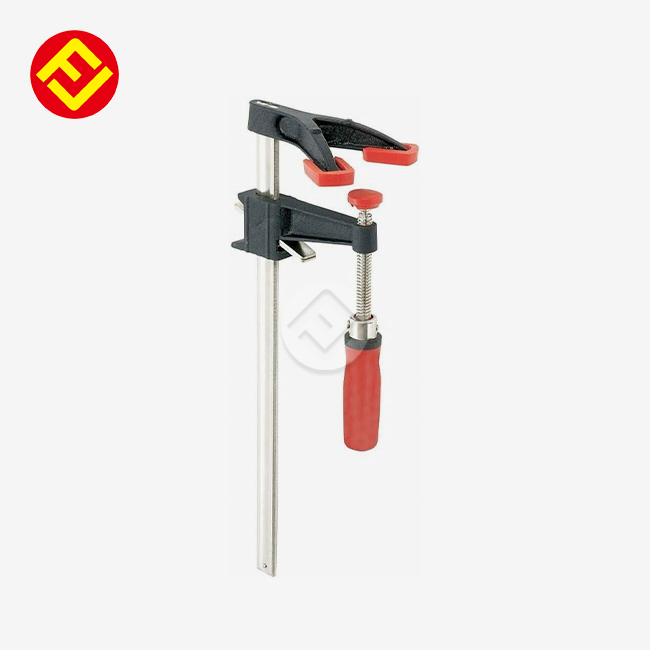
For correct application, it is still necessary to understand load capacity requirements. Modern 9t-type clamps have a T-handle design that gives them a huge mechanical edge. This lets users get regular clamping force without having to work too hard. This feature makes it easier to use in the field, cutting down on installation time while keeping the exact pressure distribution needed to keep conductors from getting damaged. The threaded adjustment system lets you finetune the compression levels, so they can work with a range of wire sizes and materials used in electrical infrastructure projects.
Application Versatility in Power Systems
These clamps are usually used for building power lines, but they can also be used for other electrical projects. They hold down overhead cables while they are being tensioned, hold down drop wires at pole interfaces, and give temporary support while repair work is being done. The extra-deep throat (200mm to 300mm, depending on the model) lets you reach connection points that regular clamps can't. This is especially helpful when working with bundled wires or in tight mounting setups where you can't move the tool around easily.
Comparing 9t-Type Clamps with Other Clamp Types for Informed Procurement
Structural Analysis Across Clamp Categories
When looking at binding options, knowing the technical differences between them helps you choose the right tools for the job. C-type clamps are easy to use and can be placed quickly, but they don't have the deep throat access that 9t-type clamps do. G-clamps offer strong parallel jaw pressure that works well for flat surfaces, but their set shape makes them less useful for curved or irregular wire arrangements. Beam clamps are great for attaching things to structures, but they need solid mounting hardware that might not work for short-term installs or upkeep.
The 9t-type design meets a range of application needs thanks to its extended reach shape and T-handle torque multiplication. In contrast to wedge-type suspension clamps, which rely on load-induced tightening, 9t-type clamps use a mechanical thread system that keeps the pressure constant even if the line tension changes. This difference is very important when the temperature changes, because the wire can expand and contract, which can weaken the grip in self-tightening designs.
Durability and Maintenance Considerations
Service life estimates are very different for each type of clamp. Standard bolt-type clamps may need to be retightened every so often because shaking and changes in temperature can loosen threaded connections. Quick-release types put speed over long-term grip strength, so they're good for short installations but maybe not so good for long-term ones. Professional-grade 9t-type clamps have cast construction and polished threads that keep them from deforming under constant load. They can keep the right amount of pressure for years of use with little maintenance.
The total costs of ownership must be taken into account in the cost study, not just the initial buy. Although quality clamps cost more up front, they often provide better long-term value due to longer replacement cycles and less need for upkeep. Lifecycle cost estimates that take into account labor hours for replacements, downtime during fails, and the extra work that comes with having to reorder lower-quality options on a regular basis are helpful for procurement teams working on multi-year infrastructure projects.
How to Select and Procure the Right 9t-Type Clamp for Your Project?
Defining Technical Requirements
Creating clear specifications is the first step to a successful purchase. Find the highest working loads by looking at the weight of the conductor, the length of the span, and weather factors like the amount of ice or wind in the area where the installation will be made. FLA Industrial & Trading Co., Ltd. makes three different types of 9t-type clamps: models that are 48 inches, 60 inches, and 72 inches. These are designed to have different maximum holding lengths and throat depths. When you match these factors to the actual limits of your project, you avoid both over-specification, which raises costs, and under-specification, which reduces safety margins.
The environment also has an effect on the choice of materials. Coastal sites need better rust protection, which can be achieved with better coatings or tools made of stainless steel. Sites at higher elevations get more UV light, so they need powder-coated treatments that can stand up to the weather better. Extremes of temperature can change the qualities of a material. Some alloys keep their strength over a wider range of temperatures than normal carbon steel.
Supplier Qualification and Certification
When you buy from makers who are ISO9001-certified, you can be sure that the production methods meet international quality standards. This certification means that there are structured quality control methods in place for checking raw materials, keeping an eye on the production process, testing performance, and doing a final review. When looking at possible sources, make sure you ask for proof of material approvals, load test results, and reports on dimensional tolerances. Reputable companies like FLA Industrial keep detailed records of their quality control and offer technical datasheets that help engineering teams make sure the product is right for their needs before placing big orders.
Technical assistance from the manufacturer for a 9t-type clamp is just as important as the product specs. Complex projects often need customizations that go beyond what is available in catalogs. For example, they might need different throat depths for different mounting situations, different handle designs for easier access to a confined workshop, or surface treatments that are best for certain chemical exposures. Suppliers with their own engineering teams can confirm 3D designs and keep you up to date on the production process. This way, you can be sure that unique solutions meet all of your needs while still meeting delivery dates.
Strategic Purchasing Approaches
Strategies for bulk buying weigh the cost of stocking up against the savings in unit costs and the dependability of the supply chain. Setting up framework deals that lock in good prices and allow for flexibility in delivery schedules is helpful for hardware distributors and building workers who are working on multiple projects at the same time. Many manufacturers offer tiered discount structures that kick in at certain number levels. This makes it cost-effective for project groups to work together to buy things.
When buying from foreign sources, managing lead times becomes very important. While standard goods from existing stock usually ship within days, custom designs may take a few weeks to finish production. By including these dates in project plans, delays that cost a lot of money and affect many activities at once can be avoided. Building connections with wholesalers who keep a lot of stock on hand, like FLA Industrial, which can hold 2,000 tons of inventory, protects against sudden changes in demand or faster project timelines.
Installation, Maintenance, and Safety Guidelines for 9t-Type Clamps
Installation Protocol Development
The right way to put something starts with getting the operator ready. Remove any oxidation, dirt, or protective layers that could weaken the grip on the part of the wire where the clamp will attach by cleaning it. Place the clamp so that it is perpendicular to the line of the wire. Make sure that the throat covers the entire diameter of the cable with enough room to spare. Gradually apply clamping pressure through the T-handle device, making sure that the jaw surfaces are in touch with each other. Too much force can bend wires or crack protective jackets, and not enough pressure can cause them to slip when they're loaded.
Visual inspection during installation finds problems before they become major ones. Check that the gap closes evenly as the clamp gets tighter. This means that the parts are aligned correctly and the load is spread out evenly. Uneven compression is a sign of inaccuracy that needs to be fixed before the final force is applied. The ergonomic T-handle design lets users set the clamping force without using mechanical torque multipliers. However, certified torque wrenches are recommended for works that need to be done correctly and whose paperwork requires exact force values.
Preventive Maintenance Strategies
Setting up regular inspection plans for clamps stretches their useful life and finds signs of wear and tear before they stop working. Visual checks are done every three months during regular line sweeps to look for surface corrosion, coating wear, and mechanical wear at adjustment threads. Disassembly should be a part of yearly detailed checks whenever possible so that internal parts can be checked for fatigue cracks, thread damage, or jaw wear patterns that show the machine wasn't installed correctly the first time.
The hardest part of maintaining electrical systems outside is still keeping them from rusting. Cleaning methods get rid of built-up dirt and grime that sticks to metal surfaces and speeds up rusting. Using the right oils on threaded parts keeps them from seizing and keeps the ability to change working throughout their service life. But stay away from petroleum-based goods near electrical wires because they could contaminate them and make it easier for current to leak.
Safety Compliance and Operator Training
Adhering to safety standards at work saves workers during repair and installation work. Insulated gloves rated for working power levels, fall protection when working on high structures, and eye protection against debris during clamp adjustment are all examples of proper personal protective equipment. Lockout-tagout processes make sure that the power is turned off before anyone touches the wires, even if the clamps are made for live-line work.
Full operator training programs teach both professional skills and how to spot dangers. Field workers need to know how to figure out loads, apply torque correctly, and understand how the surroundings affects the performance of clamps. Regular competency tests make sure that installation crews stay up to date on their skills, especially when they are working with new tools or in situations they haven't done before. Proof that you completed the training helps you follow the rules and shows that you did your part in managing the safety program.
Conclusion
A key part of building and maintaining power lines successfully is choosing the right bracing options. When it comes to mechanical reliability, load carrying capacity, and environmental stability, the 9t-type clamp has what demanding electrical infrastructure needs. Procurement experts can get the most out of these parts while keeping costs low over their entire life by making sure that specifications are matched, suppliers are qualified, installations are done correctly, and preventative maintenance is done on a regular basis. The engineering quality in professionally made clamps, like those made by FLA Industrial & Trading Co., Ltd., which has been in business for almost forty years, directly leads to project success through fewer failures, longer service intervals, and consistent performance in a wide range of operating conditions. To meet rising demand, electrical infrastructure is continuing to grow. Investing in good tools and building relationships with dependable providers will set your business up for long-term operating excellence.
FAQ
What load capacity should I specify for my application?
The choice of load capacity is based on the weight of the wire, the length of the span, and the external loading factors. Find the conductor's highest static load, then multiply it by the wind pressure and the amount of ice that has formed (usually 1.5x to 2.5x, based on the climate zone). With the right safety cushion, the final number should stay below the clamp's stated capacity. Usually, a 2:1 minimum is recommended by industry standards. The specs for different types run from 1,210 mm to 1,830 mm for clamping lengths and throat depths that can fit a variety of conductor setups.
Can these clamps be customized for unique project requirements?
Manufacturers who can do advanced machining can offer personalization choices such as changing the throat geometry, applying special surface processes, and setting non-standard dimensions. FLA Industrial specializes in making unique, odd-shaped parts. Their research teams confirm designs within 24 to 48 hours, and production is usually finished within 7 to 15 days. Custom solutions are available for specific mounting situations, weather exposures, or combination with custom conductor systems. These solutions keep the structural integrity and load performance of regular catalog goods.
How do I verify clamp authenticity and quality compliance?
Ask for material certificates that list the alloy's composition and mechanical qualities, load test results that confirm the stated capacity, and dimensional inspection records that confirm the accuracy of the manufacturing process. ISO9001 approval means that quality management is used systematically throughout the production process. Precision cutting should be checked by making sure the threads work smoothly, the coating should be applied evenly without drips or bare spots, and the material should be tested for Rockwell hardness if standards are important. Reliable providers provide a lot of paperwork that makes it easy to track everything from the raw materials to the final review.
Partner with FLA Industrial & Trading Co., Ltd. – Your Trusted 9t-Type Clamp Manufacturer
For building projects to go well, you need to work with sources who understand the technical needs and time constraints you face every day. Every 9t-type clamp FLA Industrial & Trading Co., Ltd. makes is backed by our nearly 40 years of manufacturing experience, ISO9001 approval, and the trust of Fortune Global 500 companies around the world. Our engineering team responds quickly to requests for quotes and technical questions. We also keep a large collection of standard goods, so they can ship right away, and special configurations are finished within weeks. No matter how many clamps you need—ten, one hundred, or ten thousand—we can make them. There are no minimum order quantities. Email our team at sales@flaindustrial.com to talk about your particular needs, get full specifications, or set up an evaluation sample. Let us show you how affordable value, high-quality manufacturing, and quick service can work together to help your business succeed.
References
Institute of Electrical and Electronics Engineers (IEEE). "Guide for Overhead Transmission Line Construction." IEEE Standard 524-2016, Revised Edition.
National Electrical Safety Code (NESC). "Rules for Installation and Maintenance of Electrical Supply Stations and Equipment." 2023 Edition, Part 2: Safety Rules for Overhead Lines.
American Society for Testing and Materials (ASTM). "Standard Specification for Zinc Coating (Hot-Dip) on Iron and Steel Hardware." ASTM A153/A153M-16a.
International Organization for Standardization. "Quality Management Systems – Requirements." ISO 9001:2015 Standard Documentation.
Overhead Conductor Association. "Best Practices for Conductor Installation Hardware Selection and Application." Technical Bulletin Series No. 47, 2022.
Electric Power Research Institute (EPRI). "Transmission Line Hardware: Selection, Installation, and Maintenance Guidelines." EPRI Technical Report 3002015892, 2019.