Selecting the Best Heavy Pipe Wrench for Industrial Plumbing
2026-06-26 14:23:03


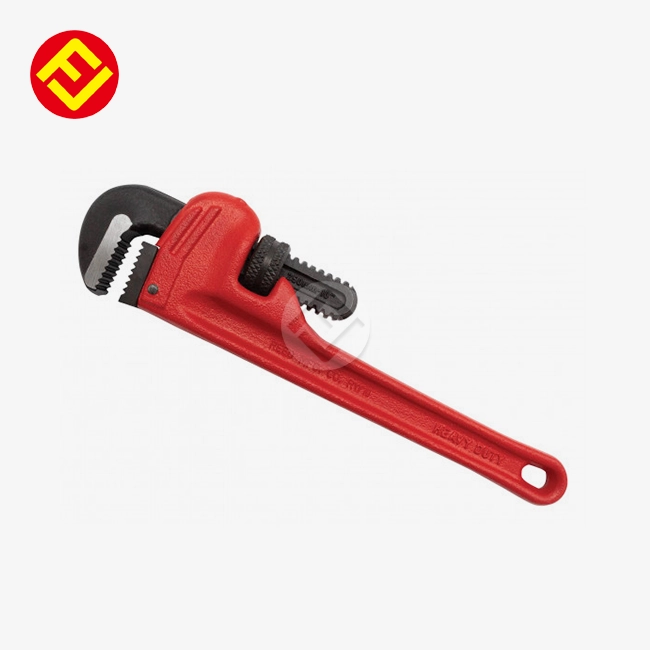
When choosing the best heavy pipe wrench for industrial plumbing work, you need to think about how well it works mechanically, how long the material will last, and how safe it is to use. With its forged alloy steel teeth and ductile iron grips, a professional-grade heavy pipe wrench has the gripping force and power capacity needed for high-pressure pipeline systems. To make sure long-term dependability in tough places like oil pipelines, building sites, and public water systems, procurement managers and maintenance engineers must look at things like jaw design, heat treatment standards, ergonomic features, and safety certifications.

Specification |
||||
| Model | Total Length | Total Width | Maximum Opening | Product Weight |
| European Heavy Duty 10" | 24.5cm | 6.5cm | 5.5cm | 0.68kg |
| European Heavy Duty 12" | 27.5cm | 7.5cm | 6.5cm | 0.97kg |
| European Heavy Duty 14" | 31.5cm | 8.0cm | 8.7cm | 1.28kg |
| European Heavy Duty 18" | 40cm | 9.0cm | 9.5cm | 1.89kg |
| European Heavy Duty 24" | 51cm | 10cm | 11.0cm | 3.00kg |
Understanding Heavy Pipe Wrenches: Types, Sizes, and Key Features
Defining Heavy Pipe Wrenches and Their Industrial Functions
A heavy pipe wrench is a special kind of hand tool that is made to hold and turn pipes and fittings with large screw diameters. In contrast to regular adjustable wrenches, these have a floating hook jaw system that makes them self-tightening. The more force that is applied, the tighter the jaws clamp onto the item. This concept of wedging stops slippage on rounded or corroded surfaces. This makes it essential in places where pipe surfaces have worn down from years of use or chemical rusting.
When working in industrial plumbing, you need tools that can handle a lot of force without breaking. Drop-forged from chromium-molybdenum or chromium-vanadium alloy steel, the Stillson pattern form meets this need and is widely used in the oil and gas industries. Differential induction hardening makes these materials tougher on the inside so they don't break easily when they're loaded. The Rockwell hardness (HRC) grades on the jaw teeth are between 55 and 60.
Primary Types: Standard, Adjustable, and Specialized Models
Standard heavy pipe wrenches have set jaws that are best for a certain range of pipe diameters. I-beam handle designs on these tools usually make the most of the strength-to-weight ratio, which keeps the person from getting tired after long periods of use. The handles are made from high-tensile nodular iron, which makes them very durable for situations where tool life is important.
Adjustable types have smooth jaw adjustment systems that let you quickly change the size to fit different pipe widths without lowering the strength of the grip. When the adjustment nut is being made, the drilling gets extra attention because too much play in the threads can cause the jaws to slip, which is very dangerous on busy job sites. Self-cleaning threads are used by manufacturers like FLA Industrial & Trading Co., Ltd. in the hook and heel jaws to keep material from building up. This way, the tools will keep working properly even when drilling muds or metal shavings are present.
Specialized versions include aluminum-body versions that, thanks to improved metallurgical engineering, reduce weight by about 40% while keeping power rates the same. These smaller options make it much easier for operators to do repairs above head or move things between floors of a building. Corrosion-resistant coats put on using advanced surface treatment methods are especially helpful for shipyards and offshore sites because they make tools last longer in wet or salty environments.
Size Selection Guide Based on Pipe Dimensions
Tool sizes are based on a simple rule: the length of the handle directly corresponds to the largest pipe diameter that the tool can hold. An 18-inch wrench can usually handle pipes that are up to 2 inches in diameter, and a 24-inch wrench can handle pipes that are up to 3 inches in diameter. For heavy-duty tasks involving pipes 4 inches or bigger, you need heavy pipe wrenches 36 inches or longer to get enough leverage without having to use unsafe solutions like cheater bars.
It's important for procurement teams to know that wrench size refers to the length of the handle, not the size of the opening of the jaws. These guidelines, set by ASME B107.100 and DIN 5234, make sure that all makers follow the same rules. They also make it easier for repair teams to keep track of their inventory for a variety of pipe systems.
Key Components and Performance-Enhancing Design Features
The most important thing that sets industrial-grade heavy pipe wrench apart from consumer tools is the moving hook jaw. This pivot device allows a small amount of movement to the side, which creates the wedging action that makes the grip stronger when it's loaded. Controlled movement is ensured by good making; too much wobble means worn pivot pins or stretched casings, which are bad for safety and performance.
Precision machining is used to make sure that the serrated tooth shapes make the most touch with the outside of the pipes. When using high force, the shape of the teeth keeps them from slipping, especially on lines that have surface scaling or corrosion damage. Newer models have more than one tooth angle, which lets them grab both smooth and rough surfaces well without needing too much holding force at first.
Ergonomics of the handle have a direct effect on how safe and productive the person is. Anti-slip grip surfaces keep your hands from getting tired after long periods of use, and distributing your weight evenly keeps your wrists from getting too tired. Manufacturers who follow ISO 9001 quality standards test their Products" target="_blank" style="color:blue" >products for ergonomic issues throughout the entire development process. This makes sure that the handle designs work in the real world before they start mass production.
How to Choose the Best Heavy Pipe Wrench for Industrial Plumbing?
Defining Industrial Use Cases and Pipe Size Requirements
In oil and gas drilling, heavy pipe wrenches have to be able to handle being exposed to drilling mud and very high power loads on the rig floors. To connect and disconnect drill pipes, you need tools that can handle extra mechanical help without breaking the structure. Picking the right material is very important—when they are overloaded, malleable iron handles must bend instead of snap, keeping dangerous objects from flying into small spaces.
For municipal water and waste handling, pipes that have been buried and exposed to the climate for decades are used. Corrosion makes it harder for surfaces to grip, so teeth with thicker serrations are needed to cut through worn-down pipe exteriors. In these situations, you need heavy pipe wrenches with strong jaws and active tooth designs that can grip surfaces that are badly damaged.
When mining and tunneling companies need to fix heavy machinery, they often find that hydraulic cylinders and piston rods have frozen up because of thermal cycle. Standard gripping tools have a hard time with these smooth, cylinder-shaped parts, so the self-tightening jaw device is needed to get a good grip on non-threaded surfaces in small spaces.
Evaluating Durability: Material Composition and Heat Treatment
Material metallurgy is what makes professional tools different from home tools. Handles made of high-tensile nodular iron are very resistant to impact, which is important on job sites where tools are dropped or come into contact with moving machinery. The malleable iron is cooled in a controlled way that improves the structure of the grains and strikes a balance between hardness and fracture toughness.
The best wear resistance is achieved by making the jaws out of chromium-molybdenum alloy steel. Heat treatments that make the surfaces harder while keeping the cores flexible work well with these materials. Manufacturers who use modern induction hardening methods can create exact hardness gradients. For example, the surfaces of the teeth can hit HRC 55–60 to make them resistant to wear, while the shanks stay softer to handle shock loads without breaking.
How well a tool is heat treated has a direct effect on how long it lasts. Too little hardness makes teeth soften after only a little use, and too much brittleness makes them break when they are loaded. Reliable makers, such as FLA Industrial & Trading Co., Ltd., test the Rockwell hardness of each jaw at several different places to make sure the heat treatment depth meets the requirements before sending the product out. This quality control keeps tools from breaking down too soon, which could stop work in the middle of an important project phase.
Ergonomic Considerations: Weight, Balance, and Grip Design
When working with heavy pipe wrench in tough situations, the operator gets tired quickly. Weight reduction through aluminum alloy construction is a real benefit for sites that are above ground or that need to be moved around a lot. Modern aluminum wrenches are as strong as old-fashioned cast iron ones thanks to improvements in structural engineering, such as stress points being strengthened and cross-sectional shapes being made more efficient.
Control accuracy is affected by handle balance, which also lowers the risk of chronic pressure injuries. When weight is distributed correctly, the center of gravity is close to the grip point. This lets users keep control without tensing up their muscles too much. When you use tools that are balanced in the back, you have to keep applying adjusting force, which can make your forearms tired and lower your accuracy over long periods of time.
Texturing on the grip surface keeps tools from slipping when they are wet or sticky, which is common in industrial settings. Patterns with knurled edges or coverings made of rubber make friction stronger without making long-term touch painful. Professional-grade tools have an anti-slip handle design that works well in a wide range of temperatures. It stays flexible in cold places and doesn't break down when exposed to chemicals or fuel products.
Brand Reputation and Warranty Considerations
Well-known companies have complete quality control systems that can be tracked from where the raw materials come from to the final inspection. ISO 9001 approval shows that you are committed to maintaining high quality standards, and CE marking shows that you are following European safety rules. With these certificates, purchasing managers can be sure that the tools they are buying meet foreign performance standards.
The warranty terms show that the company that made the product is confident in its durability. Full coverage that includes both material flaws and mistakes in the work protects the value of the investment and shows that the maker stands behind their engineering claims. FLA Industrial & Trading Co., Ltd. keeps thorough records of all production processes. This allows for full traceability, supports warranty claims with recorded factory data, and speeds up problem-solving when they happen.
Infrastructure for after-sales help affects the total cost of ownership, which goes beyond the price of the initial buy. Manufacturers that offer alternative jaw joints and adjustment parts can make tools last longer by refurbishing them instead of buying new ones. Having access to technical support teams helps with choosing the right tools and figuring out how to use them correctly. This stops people from misusing tools in ways that could void contracts or pose safety risks.
Performance and Safety Optimization for Heavy Pipe Wrenches
Maintenance Guidelines for Extended Service Life
When you clean it regularly, you get rid of the rough bits that speed up wear on the adjustment threads and mouth pivot points. When debris builds up in the hook jaw mechanism, it stops the floating action from working right. This makes the grip less effective and increases the risk of slipping. Cleaning the brush after each use stops buildup that turns into tough layers that need rough removal methods that could damage precision surfaces.
Schedules for lubrication should include both the jaw pivots and the devices that move the jaw. Putting a little machine oil on the threads makes sure they work smoothly and stops rust in damp storage areas. To keep the floating action working right, pivot points need to be oiled every so often, but too much oil can get dirty in dusty places. Balanced cleaning methods make parts last longer without making upkeep more difficult to do in the field.
Routine inspections of a heavy pipe wrench find wear patterns early on, before they put tool safety at risk. If your jaw teeth are significantly rounding, you need to get new ones to keep your grip secure. Handle cracks, especially near high-stress areas like the jaw mounting points, mean that the tool is about to break, so it needs to be put away right away. Systematic inspection programs keep heavy pipe wrenches from breaking down while they're being used, which protects both workers and project schedules from sudden delays.
Essential Safety Practices and Proper Handling Techniques
Safe working practices are set up by putting tools in the right place. When you apply force toward the opening of the jaw instead of away from it, the risk of sliding and dangerous quick releases are lower. Operators should stand in a way that keeps their feet steady and keeps them from overextending, which can throw off their balance and hurt them if the tool slips.
As part of the required protective gear, you must wear safety glasses to protect your eyes from metal pieces from corroded pipes and gloves to protect your grip without lowering your ability to feel. Steel-toed shoes protect your feet from getting hurt when tools are dropped. Heavy pipe wrenches falling from great heights have a lot of impact energy that can hurt your feet badly.
Load limit knowledge stops people from abusing tools, which can cause them to break down early. Proof testing is used by manufacturers to set the highest pipe sizes and torque ratings. This creates safety gaps above standard working conditions. If you go over these limits with cheater bars or bad apps, you'll lose the warranty and create dangerous failure modes. When more power is needed, switching to a bigger wrench gives you the technical edge you need while still staying within safe limits.
Addressing Common Performance Limitations
Even when the tooth patterns are very rough, areas that are very decayed can sometimes slip. By getting rid of the loose scale that stops teeth from penetrating, pre-cleaning pipe sections with wire brushes improves grip. In the worst cases, putting penetrating oil on seized joints lowers the amount of breakout torque needed. This means that normal tool leverage can work without having to use dangerous solutions.
Extreme temperatures can damage tool materials and make workers less comfortable. In cold places, handles are hard to hold on to, and the material may also become more weak. Heating tools up to room temperature before using them stops thermal shock and makes the user more comfortable. On the other hand, surfaces of hot pipes need protected handle covers to stop heat transfer that could lead to burns if touched for a long time.
Access problems in small areas can make it hard to place tools correctly. Offset jaw designs or extended handle shapes work around certain physical limitations, but they need to be planned for ahead of time when they are bought. Knowing the real working conditions before buying keeps you from finding out about tool mismatches during key project stages.
Heavy Pipe Wrench Market Insights and Procurement Strategies
Examining Leading Brands and Their Specifications
Ridgid stays strong in the market by using cast iron building that focuses on long-lasting products. Their heavy-duty line has full-floating hook jaws and self-cleaning thread designs to deal with dirt and grime that builds up in harsh settings. Large companies can use long-term fleet repair plans that are helped by the supply of replacement parts.
Milwaukee's aluminum-body heavy pipe wrench products are designed for uses where reducing weight directly leads to higher productivity. Through structure optimization, their engineering makes it as strong as traditional cast iron while cutting weight by 40% without affecting power capacity. The higher price of these tools is justified by the fact that they are resistant to rust and make operators less tired.
Craftsman and Stanley are two mid-range brands that offer good value for money. Their product lines meet ASME standards and have prices that are cheap enough to appeal to procurement teams that are watching their budgets. These names work well in situations where modest use doesn't warrant spending a lot of money on high-end tools, but they need to be replaced more often than heavy-duty options.
Quality Assurance Standards and Testing Protocols
Material approval paperwork shows that the alloy's makeup meets certain requirements. Purchasing managers should ask for mill papers that prove the amount of chromium, molybdenum, and vanadium in jaw steel. This will make sure that the heat treatment methods produce the desired hardness profiles. This paperwork makes it possible to find out what went wrong and helps with quality investigations if fails happen too soon.
Checks for dimensional accuracy show that the jaws are lined up correctly and that the thread tolerances are within acceptable limits. Too much variation in making leads to early wear or operating problems that make tools less useful. When manufacturers use statistical process control, they can keep tolerances lower, which means that performance is stable across production runs.
Load testing certificates show that each tool can handle the pressure loads listed on the certificate without permanently deforming. These records give objective proof that backs up what manufacturers say about performance, so you can compare rival goods in a smart way. FLA Industrial & Trading Co., Ltd. keeps detailed records of all tests, which is open and honest and helps buyers feel confident.
Bulk Purchasing Strategies and Cost Optimization
Through manufacturer-direct ties, volume agreements let you save a lot of money. When big companies combine their purchases from various locations, they can negotiate better prices and make sure that all of their tool fleets have the same product specs. Standardization makes training and upkeep easier and creates economies of scale in the inventory of new parts.
Long-term supply deals keep prices stable and protect budgets from changes in the market. Fixed prices are set in negotiated contracts that last for several years. This makes budgeting easier and guarantees supply during times of high demand. These agreements help both buyers and sellers because buyers can plan their costs and sellers can make sure they have steady production numbers.
For wholesalers who serve store markets, the chance to use custom branding makes their work more valuable. Companies that offer private labeling services let distributors build their brands while using well-known production methods. These partnerships require minimum order amounts that support the cost of tools, but the profit margins that result make up for the commitments to volume.
Conclusion
To choose the best heavy pipe wrench for industrial plumbing, you need to carefully look at the type of material used, heat treatment standards, convenient features, and how reliable the maker is. But tools made of forged alloy steel and ductile iron handles can last a long time and handle a lot of power, which is important for oil and gas, city infrastructure, and big machinery upkeep. When making a purchase choice, weighing the original investment against the total cost of ownership leads to better long-term value because of fewer replacements and fewer interruptions in operations. Professional-grade tools that meet ASME and ISO standards keep workers safe and make sure that tools work the same way in all kinds of industry settings.
FAQ
How often should I replace the jaws on my pipe wrench?
If the teeth on the lips become clearly flattened or rounded, which makes the pipe slip while it's being used, you should replace them. After every big job that involves corroded lines, check your teeth because rough surfaces speed up wear. Hairline cracks near the shank mean that it needs to be replaced right away to keep it from breaking suddenly under load. Regular inspections find wear patterns early, so repairs can be planned ahead of time instead of having to be bought quickly during critical project stages.
Can I use a smaller wrench with a cheater bar for additional leverage?
Manufacturers and safety standards strongly advise against cheater bars because they exceed the design power limits and could bend handles or break jaw pins. This behavior voids guarantees and makes failure modes that are dangerous. When you need more torque, you should switch to a bigger wrench. Going from a 24-inch to a 36-inch model gives you the technical advantage you need while staying within the safe working limits set by proof testing.
Which material is better for my application: cast iron or aluminum?
For heavy-duty jobs where tools are dropped a lot or are near moving machinery, cast iron handles offer the best protection to impact and sturdiness. Aluminum options are heavier, but they're 40% lighter, which is good for ceiling installs and uses that need to be moved around a lot. However, they cost more. Both materials have the same torque ratings when they are properly designed, so the choice depends on the budget and practical goals.
Partner with FLA Industrial & Trading Co., Ltd. for Reliable Heavy Pipe Wrench Solutions
Professional-grade heavy pipe wrenches from FLA Industrial & Trading Co., Ltd. will help you get more done with less effort. This company has been making high-quality heavy pipe wrenches for almost 40 years. Our cast alloy steel construction, which is certified by both ISO 9001 and CE, guarantees long-lasting and effective use in tough industrial settings. We offer full support, such as 3D design confirmation, unique jaw configurations, and programs for buying managers and contractors to buy in bulk. Get in touch with our sales team at sales@flaindustrial.com to get more information about our products, ask for detailed specs, and find out how our quality control systems ensure consistent performance and full material traceability.
References
American Society of Mechanical Engineers. (2022). ASME B107.100: Hand Tools - Wrenches - Adjustable, Pipe, and Plumbing Wrenches. New York: ASME Standards Committee.
Baker, Richard T. (2023). Industrial Tool Metallurgy: Heat Treatment and Performance Optimization. Journal of Manufacturing Processes and Materials Science, 45(3), 217-234.
Henderson, Michael J. (2024). Procurement Strategies for Industrial Maintenance Equipment: Cost Analysis and Quality Benchmarking. Industrial Procurement Quarterly, 12(1), 89-107.
National Safety Council. (2023). Hand Tool Safety Guidelines for Industrial Applications. Itasca: NSC Press.
Thompson, Sarah L., & Rodriguez, Carlos M. (2023). Comparative Analysis of Pipe Wrench Designs and Performance Standards. International Journal of Tool Engineering, 38(4), 412-429.
Williams, David K. (2024). Ergonomic Design Principles in Heavy-Duty Hand Tools: Reducing Operator Fatigue and Injury Risk. Occupational Safety and Health Review, 29(2), 156-173.
YOU MAY LIKE